How Many Years Do Ezgo Golf Cart Batteries Last?
EZGO golf cart owners count on reliable battery power for every round and errand. Battery life determines how often you face downtime or replacement costs. The real key is understanding your specific battery type and following proven care habits from day one.
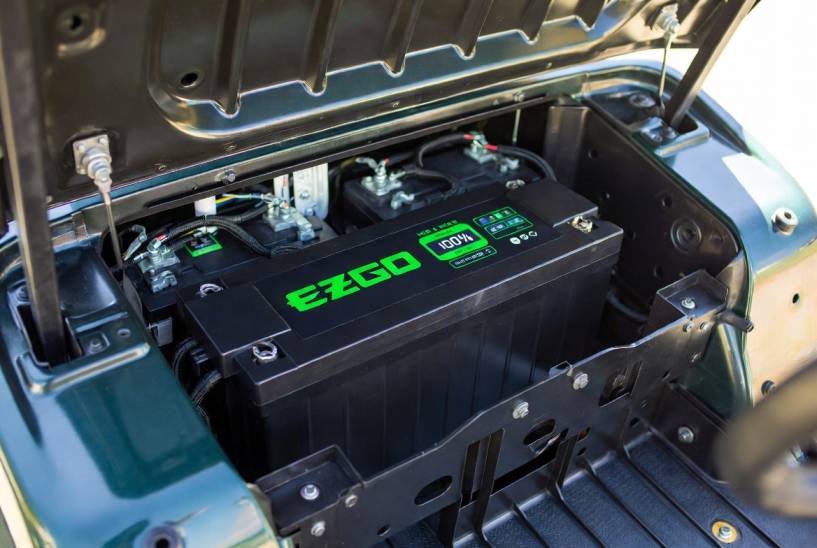
EZGO golf cart batteries last 4 to 6 years for lead-acid models and 8 to 10 years for lithium models with proper maintenance. Actual lifespan depends on charging habits, temperature, depth of discharge, and how well you care for the pack.
How to Identify Your EZGO Battery Type and Expected Lifespan?
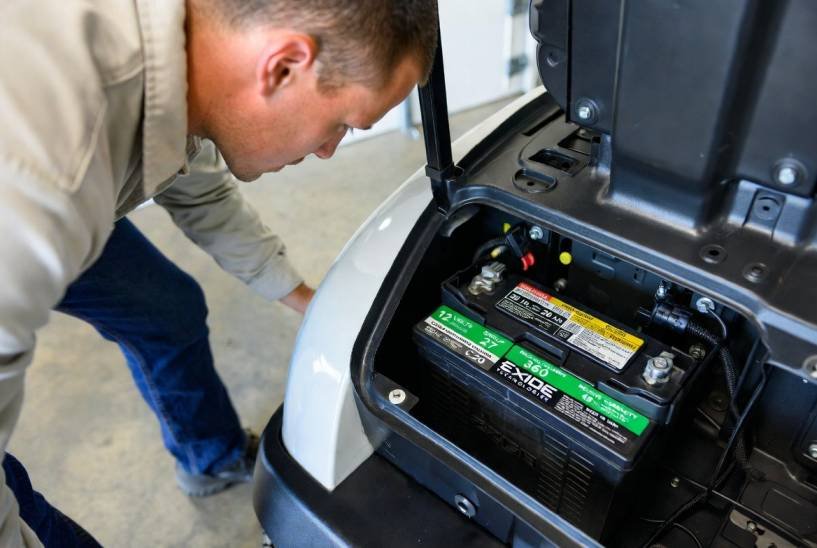
Start by reading the label on your battery pack or individual batteries. The label shows chemistry, voltage, and amp-hour rating. This single step prevents most buying mistakes later.
Lead-acid batteries are the traditional choice in many EZGO carts. Flooded lead-acid packs typically deliver 4 to 6 years of service with proper care. AGM sealed versions often last a bit longer in similar conditions.
Lithium LiFePO4 packs in EZGO carts commonly last 8 to 12 years. They handle more charge cycles, usually 2000 to 5000 or more, compared to 500 to 1000 cycles for good lead-acid batteries.
Count your batteries and confirm total system voltage. Most EZGO models use 36-volt or 48-volt setups. Match any replacement exactly to avoid controller or motor damage. For more details on system configurations, check our guide on how many batteries in a 48V golf cart.
Step-by-Step Guide to Testing Your Current Battery Health
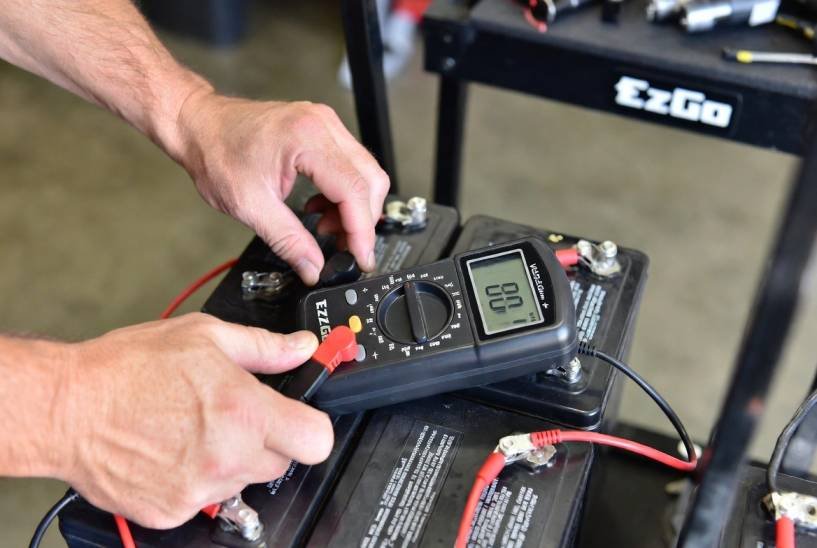
Use a digital multimeter for quick and accurate checks. A healthy 6-volt flooded battery reads about 6.3 to 6.4 volts at rest after a full charge. A 12-volt lithium module should read 13.2 to 13.6 volts when rested.
Perform a simple load test if you have the tool. Weak batteries show a sharp voltage drop under load even when resting voltage looks normal. This reveals aging cells before the cart fails completely.
Inspect terminals and cables monthly. Look for white or green corrosion and loose connections. Clean buildup with a baking soda and water solution. Rinse and dry thoroughly, then apply anti-corrosion spray.
Record voltage readings from each battery every two to three months. Track the numbers over time. A steady decline signals it is time to plan replacement before you get stranded. Learn the full process in our detailed guide on how to test golf cart batteries with a multimeter.
Daily and Weekly Charging Habits
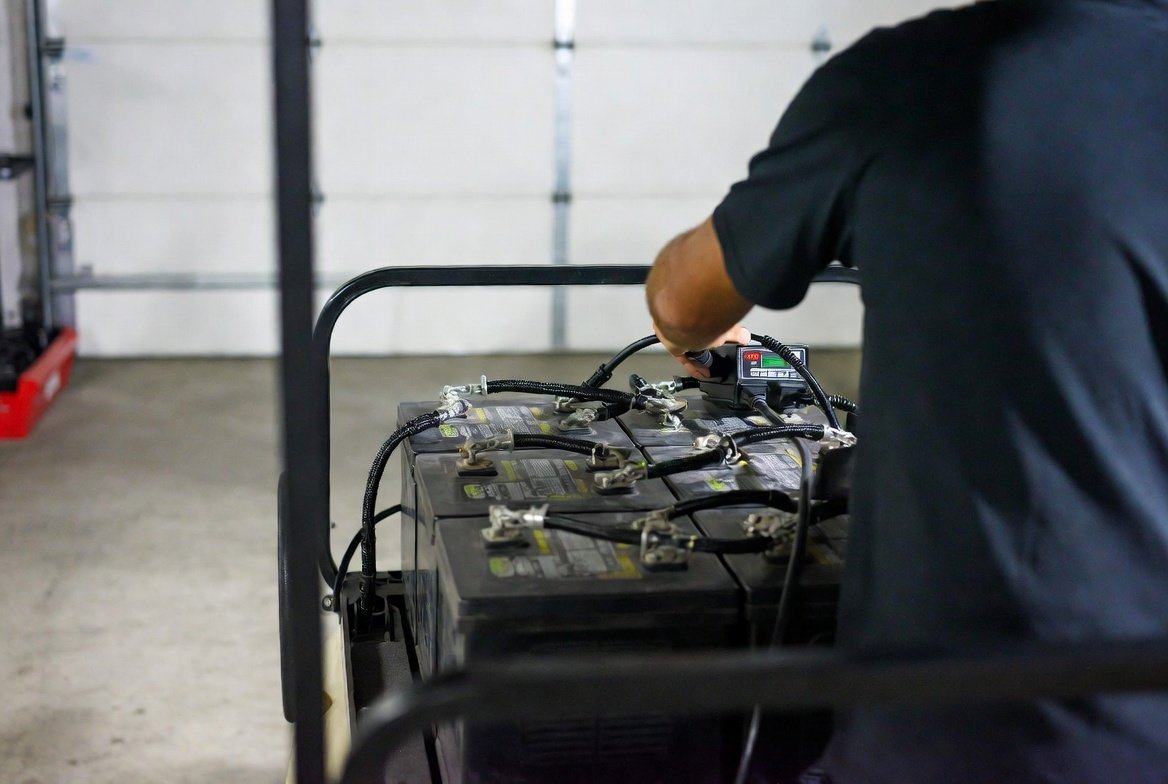
Charge the pack after every use, even short trips. This habit prevents deep discharges that shorten lead-acid life quickly. Plug in overnight with the correct charger for your battery type.
Use the factory EZGO charger or a high-quality replacement matched to voltage and chemistry. Wrong chargers create excess heat and overcharge stress. Lithium packs need a charger with the proper lithium profile.
Avoid leaving the pack at 100 percent charge for weeks when the cart sits unused. For daily driving, a full charge is fine. For longer storage, aim for 70 to 80 percent if your charger allows it.
Charge in a cool, ventilated area away from direct sun. High temperatures during charging accelerate aging in both chemistries. A smart charger with automatic shutoff prevents overcharging once the pack is full. For complete overnight charging best practices, read our guide on best way to charge golf cart batteries overnight.
| Habit | Recommended Action | Why It Extends Life |
|---|---|---|
| Charge timing | Charge after every use, even short trips | Prevents sulfation and deep discharge damage |
| Charger choice | Use manufacturer-approved or matched profile charger | Keeps voltage and temperature in safe ranges |
| State of charge | Avoid regular deep discharges below 20-30% | Reduces plate strain and sulfation in lead-acid |
| Temperature during charge | Charge in cool, shaded, ventilated area | Lower heat slows chemical aging dramatically |
Lead-Acid Maintenance Routine
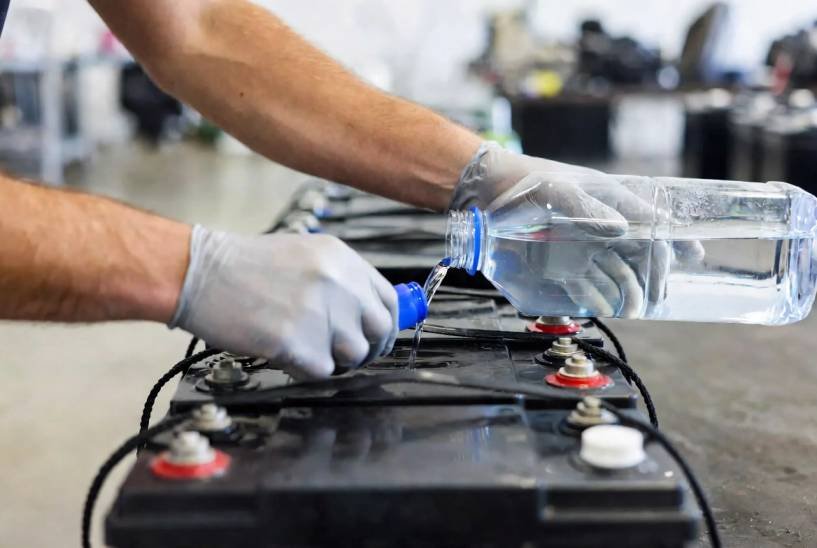
Flooded lead-acid batteries need regular attention to reach their full 4 to 6 year potential. Consistent watering and cleaning prevent sulfation and plate damage that cause early failure.
Follow this simple monthly routine. Check water levels after a full charge. Wear gloves and eye protection. Remove vent caps and add only distilled water until the plates are just covered. Never overfill or use tap water.
Clean battery tops and terminals every 30 to 60 days. Mix baking soda with water and scrub gently. Rinse with clean water and dry completely. Spray terminals with anti-corrosion protectant.
Tighten all cable connections during cleaning. Loose cables create resistance and heat. Inspect cases for cracks, bulging, or leaks. Address any physical damage immediately. Get the complete step-by-step in our guide on how to maintain golf cart batteries.
Monthly Maintenance Schedule for Lead-Acid Batteries
| Frequency | Task | Details |
|---|---|---|
| After every use | Charge fully | Use correct charger and ventilate area |
| Monthly | Check water levels | Add distilled water after charging only |
| Every 30-60 days | Clean terminals and tops | Use baking soda solution and anti-corrosion spray |
| Every 2-3 months | Equalize if charger supports | Balances cells and reduces sulfation |
| Before long storage | Full charge + disconnect | Prevents drain and sulfation during inactivity |
Proper Storage Practices to Protect Batteries
Long storage periods without care can ruin even new batteries. Fully charge the pack before any extended break. Disconnect the main negative cable or install a battery disconnect switch to stop parasitic drain.
Store the cart in a cool, dry location away from direct sun and freezing temperatures. Ideal storage temperature sits between 50°F and 80°F. Check the pack every 30 to 45 days during long storage.
Boost charge if voltage drops below 70 percent on lead-acid batteries. Lithium packs hold charge much better but still benefit from an occasional top-up. Never store batteries completely discharged. For complete off-season storage steps, see our guide on how to store an electric golf cart for 6 months.
Managing Temperature and Heat for Longer Battery Life
Heat accelerates aging faster than almost any other factor. Keep the battery pack under 85°F during charging and daily use whenever possible. Park in shade or a garage during hot months.
High temperatures increase water loss and plate corrosion in flooded lead-acid batteries. Cold weather reduces available capacity temporarily but rarely causes permanent damage if you warm the pack before heavy use.
Never charge lithium batteries when they are below freezing unless the BMS specifically allows it. Charge in a well-ventilated area to prevent gas buildup in lead-acid packs. Consistent moderate temperatures deliver the longest service life.
Recognizing When Your EZGO Batteries Need Replacement
Shorter runtime per charge is usually the first clear sign. If your cart once covered 25 miles and now struggles at 15 miles, capacity has dropped noticeably. Plan replacement before performance becomes unreliable.
Slow acceleration or voltage sag on hills appears next. The cart may hesitate or shut down under load even though the charger shows full. These symptoms point to weak cells or high internal resistance.
Watch for physical problems. Swollen cases, leaking electrolyte, heavy corrosion that returns quickly, or a strong rotten egg smell all indicate the end of useful life. Replace the entire matched set at once for best results. See the full list of warning signs in our article on when should golf cart batteries be replaced.
Lead-Acid Versus Lithium: Choosing the Right Upgrade Path
Lead-acid batteries offer lower upfront cost and proven performance. With regular watering and cleaning, many owners achieve 5 or 6 years of reliable service. They remain a practical choice for occasional or light use.
Lithium packs cost more initially but remove almost all maintenance. You gain faster charging, lighter weight, deeper usable capacity, and significantly longer total life. The cart often feels more responsive because lithium maintains voltage better throughout the discharge cycle.
Consider your usage. Daily heavy use or hilly terrain favors lithium for the longer cycle life and lower long-term cost. Occasional weekend use may make lead-acid the smarter financial choice. Always verify charger and controller compatibility before any retrofit. Compare options in our guide on how long do lithium golf cart batteries last.
| Chemistry | Typical Lifespan | Cycle Life | Key Trade-offs |
|---|---|---|---|
| Flooded Lead-Acid | 4 to 6 years | 500 to 1000 cycles | Lowest cost; requires watering and cleaning |
| AGM Lead-Acid | 5 to 7 years | 600 to 1200 cycles | Sealed; better spill resistance; still needs good charging |
| LiFePO4 Lithium | 8 to 12+ years | 2000 to 5000+ cycles | Higher upfront cost; minimal maintenance; needs compatible charger |
How to Buy and Install Replacement Batteries Correctly?
Match voltage exactly to your cart. A 48-volt system needs the correct 48-volt configuration. Wrong voltage can damage the controller and motor. Confirm physical size fits the battery tray without forcing cables.
Choose amp-hour capacity based on your typical range needs. Higher capacity gives more runtime but adds weight. Buy a matched set from one manufacturer and similar date code when possible.
Have the charger tested or replaced at the same time if it shows age. Clean all terminals and apply dielectric grease or anti-corrosion spray during installation. Double-check polarity before the first charge.
Test voltage across the full pack after installation. A new set should show proper resting voltage. Take the cart for a short test drive and monitor performance before regular use.
Common Mistakes That Shorten EZGO Battery Life
Letting lead-acid batteries sit discharged for days or weeks causes rapid sulfation. Charge as soon as you finish using the cart, even after short trips. This single habit prevents most premature failures.
Using cheap or mismatched chargers creates heat and overcharge stress. Always use a charger with the correct voltage and chemistry profile. Automatic shutoff features protect the pack from damage.
Ignoring water levels in flooded batteries exposes plates to air and causes fast corrosion. Check monthly after charging and add only distilled water. Consistent attention pays off in longer service life.
Mixing old and new batteries in the same pack creates imbalance. The weak batteries drag down the strong ones and cause early failure of the entire set. Replace all batteries together for best results.
Warranty Coverage and How to Protect Your Investment
Warranty terms vary by battery brand and dealer. Factory EZGO lithium packs often include strong coverage, sometimes up to 8 years. Aftermarket batteries range from 1 to 5 years and may be pro-rated based on age.
Keep your original receipt, warranty card, and installation records. Note all serial numbers and model numbers. Contact the seller or manufacturer before any work if you plan to file a claim.
Follow stated guidelines for charger use, storage, and maintenance. Using the wrong charger or neglecting watering can void coverage. Document your routine with simple notes or photos if issues appear later.
Frequently Asked Questions
How many years do EZGO golf cart batteries last with proper maintenance?
Lead-acid packs typically last 4 to 6 years. Lithium packs reach 8 to 12 years or more when you follow consistent charging and temperature guidelines.
What shortens EZGO battery life the fastest?
Deep discharges, high heat during charging or storage, and skipped maintenance cause the quickest decline. Regular full charges after use and moderate temperatures slow aging significantly.
How often should I check water levels in lead-acid batteries?
Check once a month after charging. Add only distilled water to keep plates covered. Never use tap water or overfill the cells.
Can I upgrade my EZGO from lead-acid to lithium?
Yes, many owners upgrade successfully. You need a compatible lithium charger or profile and confirmation that your controller handles the different voltage curve. Professional installation is recommended.
What are the earliest signs my batteries are wearing out?
Shorter runtime per charge, slower hill climbing, and longer charge times appear first. Voltage sag under load and visible corrosion or swelling follow soon after.
Does fast charging damage EZGO batteries?
Occasional fast top-ups are acceptable. Regular high-rate charging adds heat and stress, especially on lead-acid. Use it only when truly needed and allow the pack to cool afterward.
How should I store my cart for the winter?
Fully charge the batteries, disconnect the main cable or use a maintainer, and keep the cart in a cool dry place. Check and boost charge every 30 to 45 days during storage.