
How Long Do Golf Cart Batteries Last With Occasional Use?
Occasionally used golf cart batteries last longest when you store them at a cautious state of charge and keep them topped up. The one spec that matters most is storage state of charge, usually defined by the manufacturer as a target range. The common mistake is letting a battery sit discharged or fully charged for weeks. The first label to check is the battery maker’s storage voltage or percent charge recommendation.
Golf cart batteries last about 3 to 5 years when used only occasionally, provided you store them with a partial charge and follow the maker’s storage guidelines. The exact lifespan depends on battery type, maintenance, and how often you refresh the charge. Check the label for recommended storage voltage and periodical conditioning steps.
Golf Cart Battery Types
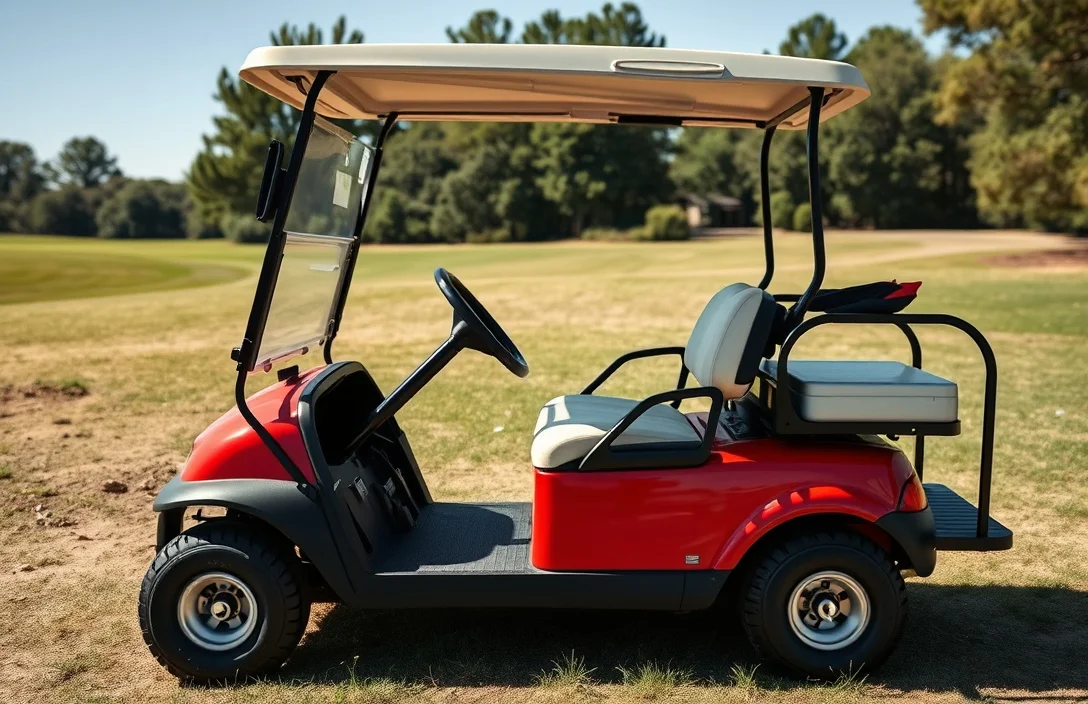
Lead-acid options remain the most common and cost-effective choice for many golf carts. Flooded lead-acid batteries are rugged but require regular water top-ups and ventilation; AGM versions are sealed and maintenance-free but heavier. Lithium options are increasingly available, offering lighter weight and longer life but higher upfront cost and a need for a proper battery management system.
Most golf carts run on 36 or 48 volts, with some premium or high performance models using 72 volts. Capacities typically sit in the 100 to 200 Ah range for 36 or 48 V configurations, which translates to roughly 3 to 8 kWh of usable energy depending on chemistry and depth of discharge. Lithium variants often provide higher usable capacity and lighter weight, but require chargers and BMS matched to the chemistry.
| Chemistry | Nominal Pack Voltage | Typical Form Factor | Key Pros | Key Cons |
|---|---|---|---|---|
| Flooded Lead‑Acid (FLA) | 36 or 48 V common | Rows of cells in a vented case | Low upfront cost, easy replacements | Requires watering, venting, shorter overall life |
| Absorbent Glass Mat (AGM) Lead‑Acid | 36 or 48 V | Sealed, spill‑proof module blocks | Maintenance‑free seal, better safety profile | Heavier than lithium, higher cost than FLA |
| Lithium Iron Phosphate (LiFePO4) or other Lithium | 36, 48, or 72 V | Modular packs, compact footprint | Long life, high usable capacity, light weight | Higher upfront cost, needs compatible BMS and charger |
Storage and idle handling matter: ligthweight lithium packs tolerate idle periods better, while flooded lead‑acid can sulfate if left discharged for long stretches. Always follow the manufacturer’s storage guidelines to avoid unnecessary degradation.
Longevity From Occasional Use
Occasional use shifts aging toward calendar aging rather than cycle wear, so capacity fades even if you rarely discharge deeply. Self-discharge and long idle periods promote sulfation in flooded lead-acid cells and drift in lithium chemistries, reducing available capacity over months. With sensible storage, a golf cart battery bank can still provide years of service, but the exact lifespan depends on chemistry, temperature, and how you manage charge state during idle periods.
Storage and Seasonal Gaps
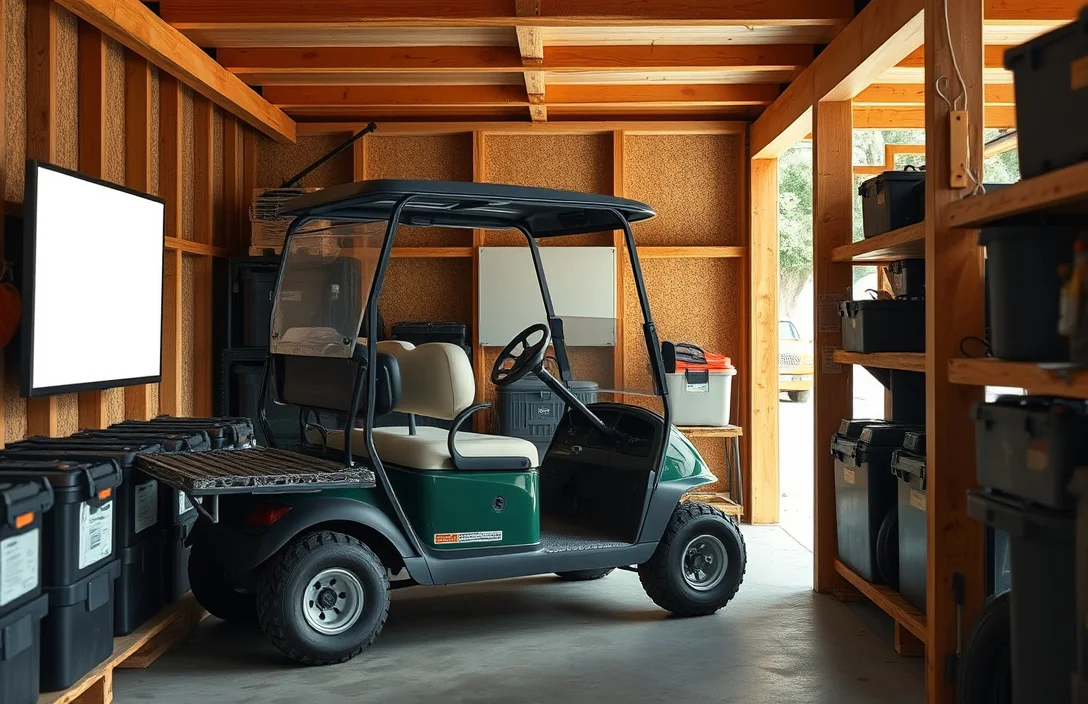
Extended idle time is gentler on golf cart batteries when they are kept cool and partially charged. For traditional flooded lead-acid or AGM packs, store at about 50 – 70% state of charge and maintain a cool, dry environment; check every 1 – 3 months and refresh to the target SOC to minimize sulfation.
Ideal storage conditions limit aging and capacity loss. Keep batteries in a dry, ventilated space between roughly 10 and 25°C (50 – 77°F) and away from direct sun or freezing temperatures. Humidity around 40 – 60% reduces corrosion without condensation.
| Chemistry | Ideal SOC for storage | Storage temp range | Refresh interval | Notes |
|---|---|---|---|---|
| Flooded Lead-Acid | 50 – 70% | 10 – 25°C | 1 – 3 months short term; up to 6 months with tighter SOC | More prone to sulfation when idle |
| AGM | 50 – 70% | 10 – 25°C | 1 – 3 months | Better seal but still needs periodic charging |
| LiFePO4 | 40 – 60% | 0 – 25°C | 6 – 12 months | Low self-discharge; monitor BMS |
Stable temperature and mid-range state of charge reduce the pace of aging during long gaps, especially for lead-acid designs that sulfate when left idle.
How long you can store before noticeable performance drop depends on chemistry and conditions. Lead-acid packs lose capacity over idle months, particularly if stored near full charge in warm environments. In typical off-season storage at about 20°C with 50 – 70% SOC, a flooded or AGM golf cart battery may retain usable capacity for 3 – 6 months; beyond that, sulfation becomes more likely unless you refresh. LiFePO4 packs handle longer gaps, often 6 – 12 months at 40 – 60% SOC and moderate temperatures, with less rapid self-discharge and no sulfation risk in the same way as lead-acid.
Practical plan for seasonal use: keep a stable SOC near the recommended window, monitor temperature, and perform a light cycle or refresh before returning to service. If you expect gaps longer than several months, use a dedicated storage charger for lead-acid or schedule a mid-season top-up to rebalance the pack before it sees heavy use again.
Charger Compatibility and Wattage
Charger compatibility influences how long a golf cart battery bank stays healthy when used only occasionally. A mismatched charger can cause heat buildup, sulfation, and overcharge that shorten cycle life. For intermittent use, a charger designed for your battery type and nominal voltage helps maintain capacity between rides.
Calculating Run Time

Runtime scales with energy stored and the load. Convert Ah and voltage to watt-hours, then divide by the continuous draw in watts to estimate hours. For occasional use, apply the battery’s usable energy from its spec to account for DoD and aging.
For example, a 48V 200Ah pack has about 9600 Wh. If the DoD allows 60 percent usable, that’s 5760 Wh. At a steady 600 W draw, runtime is about 9.6 hours.
Remember that actual runtime will be lower in cold weather, with battery aging, and due to inverter or charger efficiency losses. For occasional use, plan an extra 10 – 20 percent cushion in your calculations to avoid surprises.
Safety and Battery Care
Heat and venting signs warn of dangerous conditions in golf cart batteries. If you notice excessive warmth during charging, a swollen case, or any venting odors, stop charging and disconnect the pack. Do not attempt to charge a swollen battery; seek professional service or replacement.
Routine inspection steps help catch problems early and prevent accidents. Regular checks should verify temperature during charging, surface condition, leakage, and terminal corrosion, and ensure proper venting for sealed cells. Keep the case clean and dry, and store away from heat sources in a well ventilated area.
| Sign | What it signals | What to do |
|---|---|---|
| Excess heat | Excessive internal resistance or charging fault | Stop charging, check charger, verify venting and airflow |
| Swelling | Gas buildup and plate distortion | Do not charge, isolate, arrange replacement |
| Leaks or corrosion | Electrolyte exposure or terminal damage | Wear PPE, clean carefully, replace components |
| Unusual odors | Gas release or vent failure | Vent area, ensure ventilation, seek service |
Storage and idle use considerations affect safety and long term life. Occasional use does not shield the battery from aging, and high ambient temperatures or storing at a full charge increases swelling risk. For best safety during long idle periods, store in a cool, dry location, and follow the manufacturer guidance for state of charge targets, which often means a moderate charge before storage.
Note: During any idle period, regular visual checks plus periodic low or moderate charging based on the battery type help prevent irreversible degradation and reduce safety risks.
Replacement Triggers and Troubleshooting
Lifespan for golf cart batteries varies with chemistry, charge practices, and operating temperature. Occasional use minimizes cycling wear, so flooded lead-acid packs commonly retain useful capacity for roughly 3 to 5 years, while lithium chemistries can reach 8 to 12 years with proper cooling and gentle charging. Real-world results depend on how deeply the pack is discharged and how consistently it is kept within recommended voltage windows.
Signs it’s time to replace include a swollen case or leakage for flooded cells, a dramatic or unrecoverable loss of capacity, or frequent voltage sag that cannot be corrected by a full charge. If the battery runs hot during charging or a BMS alert appears, replace or have it tested under load to verify health.
Quick Summary
Occasional golf cart use can still yield decent life if you store, charge, and maintain batteries properly.
Frequently Asked Questions
How compatible are replacement golf cart batteries with my charger and cart?
You need to match both voltage and chemistry. Match the charger voltage to the battery bank (36V or 48V), and verify the chemistry is supported by the charger (flooded lead-acid, AGM, gel, or lithium) to prevent charging faults.
How does heat affect golf cart batteries when they are used occasionally?
Heat accelerates aging and can reduce cycle life. Keep charging and storage in a cool, ventilated area around 20-25°C and avoid direct sun or ambient temps above 30°C.
How long does a golf cart battery last per charge when used occasionally?
Runtime per charge depends on load and chemistry. Lead-acid 36V packs commonly deliver a few miles per charge under light use, while lithium packs can offer more range with different charging practices.
What safety steps should I take to prevent swelling, overheating, or gas buildup during charging?
Always use a charger designed for the battery chemistry and with automatic shut-off. Use a vented charging area and inspect for swelling or damage before reuse to avoid hazardous conditions.
What buying mistakes should I avoid to prevent premature replacement or higher costs?
Avoid buying based only on price or capacity without considering compatibility. Avoid mixing old and new batteries or different chemistries in the same pack, and check warranty and Ah ratings to protect your replacement timing.