What Causes Golf Cart Batteries To Wear Out Early?
Two big missteps drain golf cart batteries faster than you expect: chronic deep discharges and using the wrong charger. A deep-cycle lead acid pack staggers when it is repeatedly taken below 50 percent or fed the wrong voltage, and heat accelerates aging. Start by checking the charger’s voltage setting and the pack’s state of charge after every ride.
Factors driving early wear are sulfation from frequent deep discharges, high operating temperatures, and using chargers that deliver the wrong voltage or leave the pack connected beyond full charge. Keeping state of charge above 50 percent and promptly charging after use can markedly extend life, while avoiding prolonged partial charging helps prevent capacity loss.
Golf Cart Battery Aging Basics
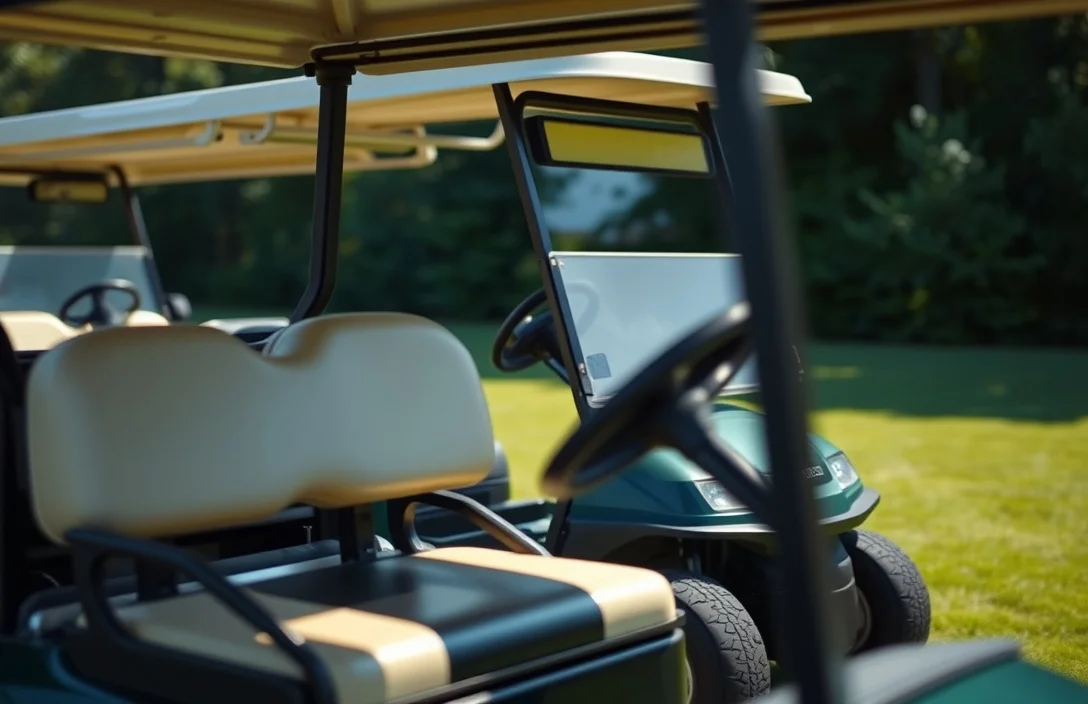
Three aging processes drive early capacity loss in golf cart batteries: sulfation and grid wear, plate corrosion and shedding, and rising internal resistance as cells degrade. These factors reduce capacity, increase voltage sag under load, and shorten cycle life when the pack cycles deeply or runs hot.
DoD and Cycling Habits
Depth of discharge and how you cycle a golf cart battery determine how fast its capacity fades. Deeper discharges stress plates, accelerate sulfation, and trim usable energy per cycle more quickly than shallow ones. Fleet operations and private ownership differ in pattern, and those differences show up as distinct wear profiles over time.
Charging Practices and Compatibility
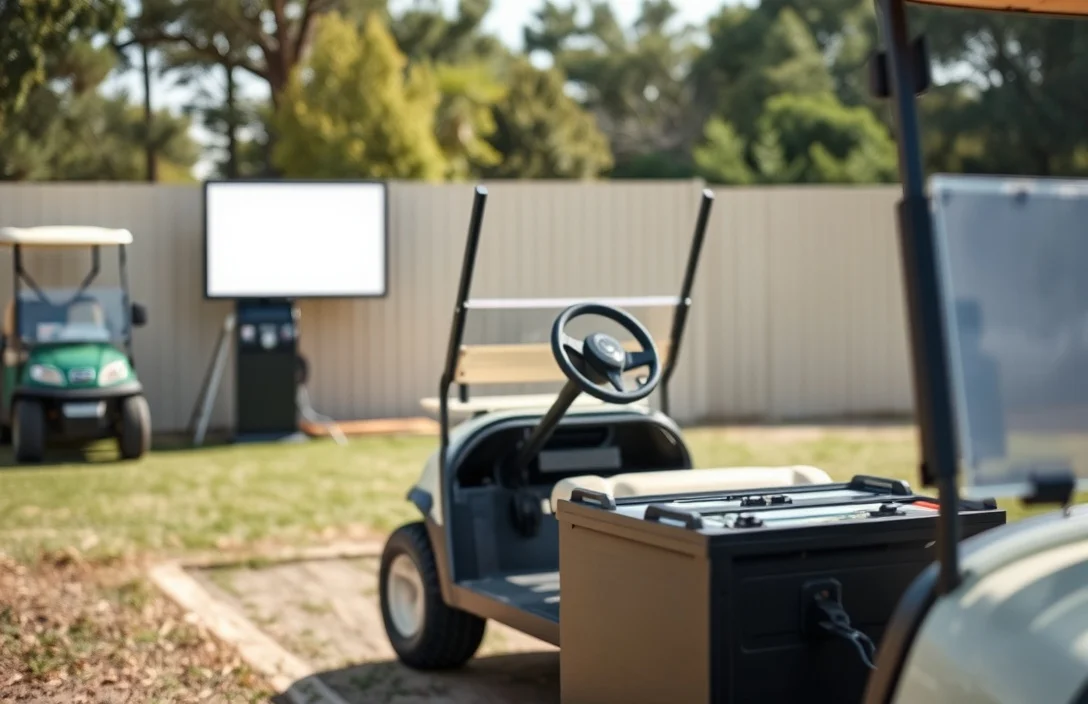
Charging practices and charger compatibility strongly influence how quickly golf cart batteries wear out. Using the wrong voltage or neglecting temperature compensation can accelerate gassing, water loss, and plate corrosion, while poor balance during charging invites cell drift and capacity fade.
Heat and Temperature Management
Maintenance and Water Management
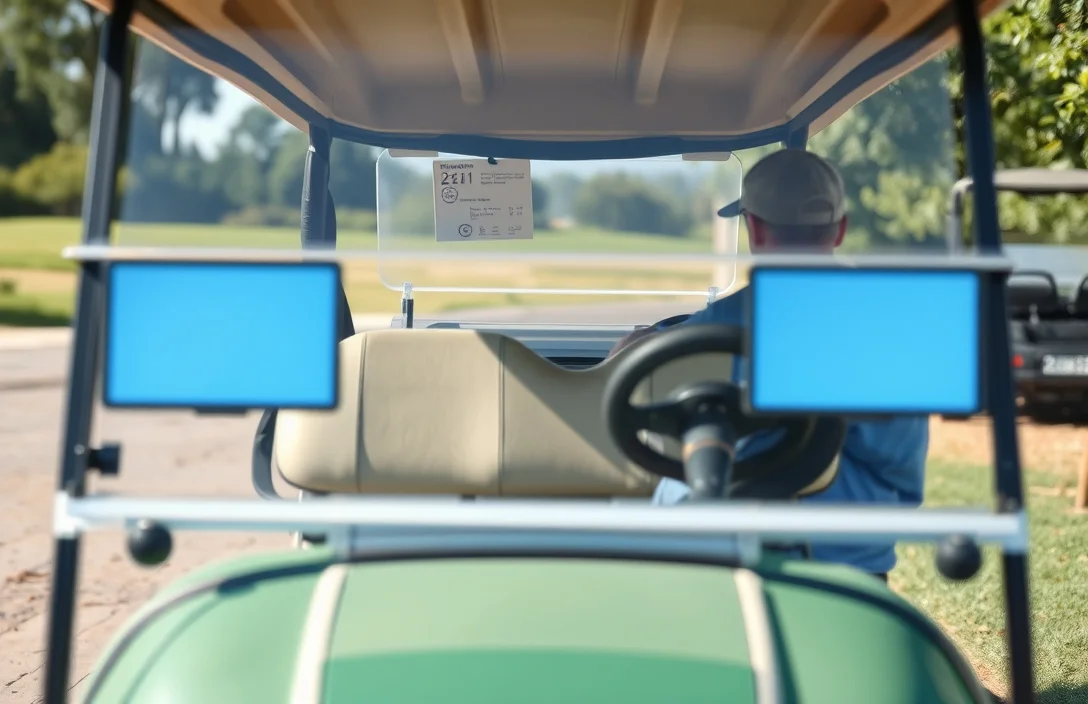
Flooded lead-acid golf cart batteries wear out early mainly from water loss, sulfation, and plate shedding driven by improper watering, overcharging, and corrosion. Keeping electrolyte at the proper level, performing controlled equalization when needed, and preventing terminal corrosion can substantially extend life by reducing these failure modes.
Electrolyte levels should be checked regularly, typically monthly or after heavy use. Use distilled water only, and avoid mineral-rich tap water that leaves mineral deposits and accelerates corrosion. Levels must cover the plates but not rise above the tops of the separators; add water after a full charge, when the cells have vented and the electrolyte has cooled and settled.
When filling, use a clean funnel and a measured amount to avoid overfilling. Do not top off between charges, since electrolyte expands as the battery charges. After filling, allow the battery to sit and recheck level once it has cooled to avoid mis-reading the marks.
Equalization charging is a deliberate brief overcharge used to balance cells and reduce stratification in flooded packs. It increases gassing and water loss, so follow the charger manufacturer guidance and only perform it when the manual approves, in a well-ventilated area. After equalization, recheck electrolyte levels and top up as needed with distilled water.
Terminal maintenance prevents added resistance, heat, and accelerated wear. Inspect cables for loose lugs and signs of corrosion, such as white, blue, or green deposits. Clean with a baking soda solution, rinse, and dry before reseating. If corrosion returns, apply a thin coat of terminal protector spray or petroleum jelly to slow future buildup and preserve contact.
| Maintenance task | Why it matters | What to do |
|---|---|---|
| Electrolyte level check | Prevents plate sulfation from running dry | Check monthly; fill with distilled water to marked levels after charging |
| Equalization charging | Balances cells and reduces stratification | Follow manual guidance; monitor voltage and water loss |
| Terminal care | Reduces resistance and heat buildup | Keep clean and tight; treat corrosion |
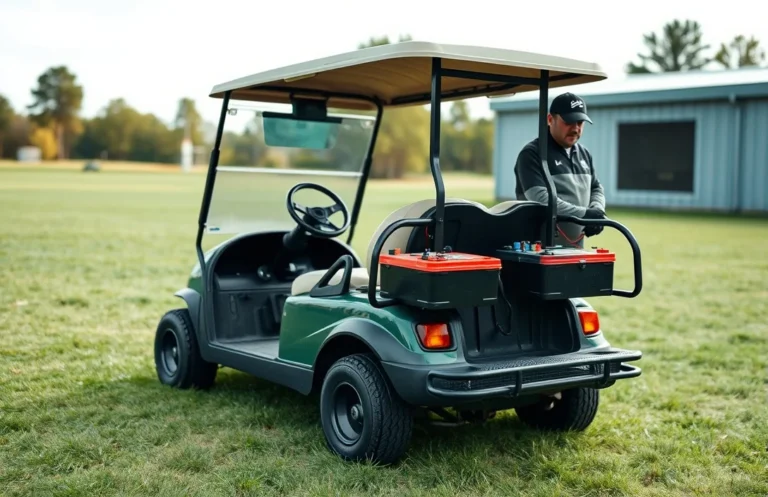
Safety: Always disconnect the pack from the cart before any maintenance. Work in a well-ventilated area, wear eye protection, and avoid sparks near hydrogen gas generated during charging.
Storage and Inactivity
Idle storage accelerates sulfation and electrolyte imbalance, which reduces capacity. A mid-range state of charge around 50% to 60% minimizes chemical stress, and cooler, ventilated storage slows aging. Periodic checks on electrolyte levels and terminal cleanliness help, too.
In practice, keep the pack in a temperature-stable location and avoid extremes. If the shed or garage warms above about 25°C, give extra attention to charging intervals and ventilation. Regularly inspect terminals for corrosion and top up electrolyte as the manufacturer recommends.
| Battery type | Target SOC for storage | Recharge interval (weeks) | Storage temperature range |
|---|---|---|---|
| Flooded lead-acid | 50 – 60% | 6 – 12 | 0 – 25°C (32 – 77°F) |
| AGM | 60 – 70% | 6 – 12 | 0 – 25°C (32 – 77°F) |
| Lithium (LiFePO4) | 40 – 60% | 8 – 12 | -5 – 35°C (23 – 95°F) |
Important:Lead-acid cells vent hydrogen gas during charging. Store only in a space with adequate airflow and no ignition sources to reduce the risk of gas buildup.
For example, a small fleet parks in a ventilated shed with a dedicated circuit and a passive vent. The packs sit at about 55% SOC and are recharged to 60 – 65% every eight weeks, with the room kept around 15 – 20°C and humidity kept near 40% to limit corrosion and condensation.
Failure Signals & Replacement Timing
Persistent voltage sag under typical cart load is the clearest warning that the pack has lost usable capacity. Resting voltage by itself can be misleading, so practical tests under load reveal true health. The combination of sag, temperature effects, and how the pack responds to charging helps you time replacement reliably.
Quick Summary
Poor charging habits and improper maintenance are the main reasons golf cart batteries wear out early.
Frequently Asked Questions
Is my charger compatible with my golf cart battery type and voltage?
Most golf cart packs are either 36V (six 6V blocks) or 48V (six 8V blocks). Always use a charger that matches the pack voltage and battery chemistry to avoid overcharging or undercharging that can speed up wear.
How does heat cause golf cart batteries to wear out early?
Heat accelerates aging by increasing chemical reactions inside the cells. Charging at temperatures above about 100 F (38 C) can noticeably shorten life, and storing a hot pack in direct sun worsens wear. Keep the charging area cool and well ventilated.
What depth of discharge and runtime practices help avoid early wear?
Deeper discharges put more stress on the plates than shallow cycles. Aim to keep depth of discharge under 50 percent when possible and recharge promptly after use to extend life.
What safety issues cause premature wear and how can I charge safely?
Overcharging and poor venting during charging can cause gas buildup and overheating. Use a charger with automatic termination and proper voltage for your battery type to prevent unsafe charging that accelerates aging.
When should I replace golf cart batteries, and what buying mistakes speed up wear?
Batteries typically show reduced capacity and shorter range as they age; if you notice this, replacement is often needed. Avoid mixing old and new batteries or buying mismatched voltage or chemistry, and always replace with a matched pack that matches the OEM spec (36V or 48V).