Does Cold Weather Reduce Golf Cart Battery Life?
Cold weather cuts golf cart battery capacity and range; check the operating temperature range on the battery label first. The common mistake is assuming cold weather has no effect. Start by verifying the battery’s rated operating temperature and the charger’s temperature compensation setting, then adjust charging and storage practices accordingly.
Cold weather reduces golf cart battery life by lowering usable capacity and increasing internal resistance. In typical lead acid packs, performance drops as temperatures fall below 20 C, and charging is slower below 10 C, so expect shorter range in winter compared with summer.
Cold Weather Impact on Capacity
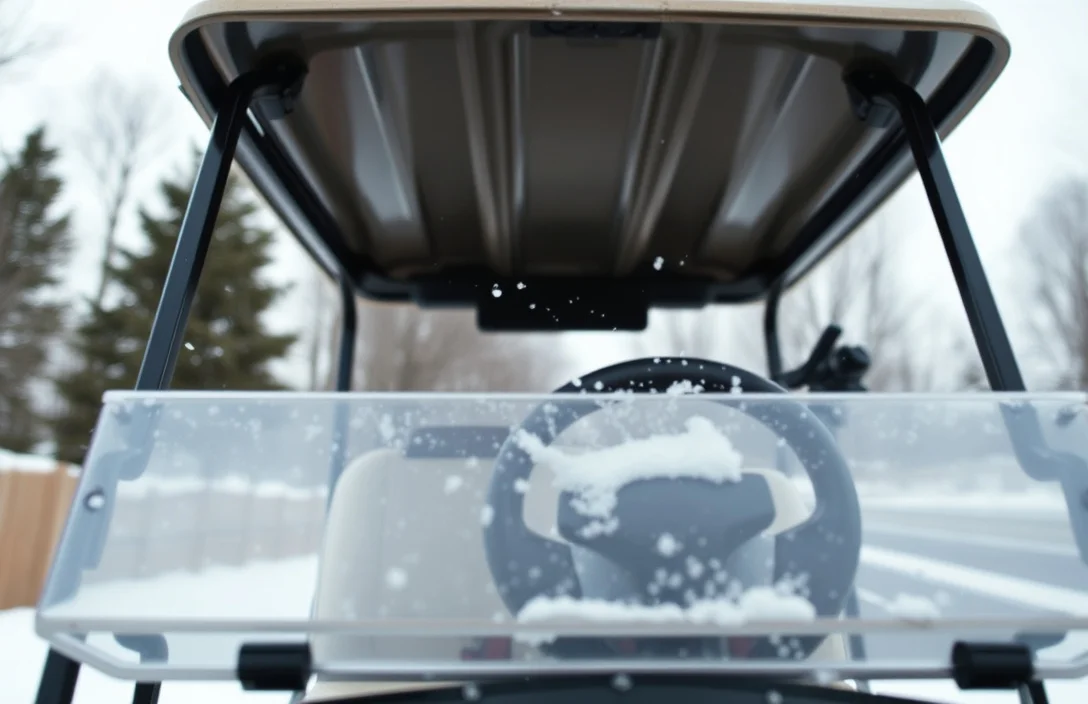
Capacity declines in cold conditions because chemical reactions inside golf cart batteries slow down, reducing the charge you can draw at a given temperature. The electrolyte becomes more viscous and ion mobility falls, further shrinking usable energy. Runtime shortens even with the same load, and high-drain use like hill climbs makes the effect more noticeable as temps drop.
Battery Chemistry at Low Temperatures
Cold temperatures slow ion transport and reaction rates inside batteries, reducing usable capacity and raising internal resistance. Lead-acid packs show pronounced voltage sag under load and lose capacity more quickly in the cold, while lithium-based packs tend to hold open-circuit voltage longer but still lose usable capacity and power under cold stress. The result is weaker torque and shorter winter range for golf carts, and repeated cold cycling can accelerate irreversible aging.
Golf Cart Battery Types & Cold Response
Lead-acid and lithium chemistries respond differently to cold, but the core effect is the same: usable capacity and cranking power shrink as temperature falls. Flooded lead-acid and AGM lose more usable energy at cold temps, while Gel shows limited high-current performance in the cold. Lithium options often keep more of their capacity in the cold, but require cold-rated charging and BMS protection.
| Chemistry | Cold-start behavior | Capacity change in cold | Charging in cold | Longevity considerations | Notes |
|---|---|---|---|---|---|
| Flooded Lead-Acid (FLA) | Higher internal resistance increases voltage sag during cranking. | Significant temporary capacity loss as temperature drops. | Charging below 0°C is difficult; heat or preheating recommended; gassing risk rises. | Vulnerable to sulfation if kept discharged in cold; requires maintenance and venting. | Common and low upfront cost; sensitive to improper charging in winter. |
| Absorbent Glass Mat (AGM) | Better initial current than flooded, but still limited by cold resistance. | Capacity drop exists, though less dramatic than flooded in many cases. | Cold charging is possible with proper profile; performance falls with temperature. | Resists water loss and vibrations; longer life than flooded with proper care, but still affected by cold. | Low maintenance alternative with good cold-weather behavior. |
| Gel | Moderate cold-start capability but limited rapid discharge performance. | Capacity reductions occur in the cold, especially under high load. | Charging in very cold conditions is less forgiving; use a temperature-aware profile. | Good sealing reduces venting risk, but high-current use in cold can shorten life. | Not ideal for frequent heavy discharges in winter. |
| Lithium-Ion (LiFePO4) | Strong cold-start capability with relatively stable voltage. | Capacity loss is present but typically smaller than lead-acid at the same temp. | Requires a cold-rated charger and proper BMS protection; charging below recommended temperatures can harm life. | Long cycle life; good energy retention, but performance depends on temperature management. | Most predictable cold performance when paired with appropriate charging and thermal control. |
Flooded Lead-Acid: In cold, electrolyte resistance rises and capacity drops. If the battery isn’t kept near full charge, sulfation can accelerate and performance worsens.
AGM: AGM reduces water loss and handles vibration; in cold it often maintains better resting voltage than flooded, but its high-current performance and charging efficiency still decline with temperature.
Gel: Gel batteries tolerate rough handling, but in cold their charge acceptance is limited. High-current bursts are weak, making them poor for frequent heavy discharges in winter.
Lithium: Lithium options such as LiFePO4 hold up better in the cold, with less capacity loss and good cold-start capability, but require a cold-rated charger and BMS; charging below recommended temperatures can cause damage or shortened life.
Best cold-weather choice for longevity: LiFePO4 tends to deliver the longest cycle life and the most predictable cold performance when charged with a cold-rated profile and kept within recommended temperatures. If cost matters, AGM can be a practical compromise with proper thermal management.
Cold-Weather Charging Guide
Cold temperatures reduce usable capacity and charging efficiency in golf cart batteries. Charging at very low temperatures can cause longer recharge times and may damage the cells over time. Keeping the pack within a safe charging range protects cycle life and helps recover range as temperatures rise.
Charge temperature ranges for safe charging are important. When the battery is colder than the recommended range, charging is slower and less effective, and extreme cold can cause chemical stress. If the ambient is cold, warming the pack before plugging in helps prevent poor acceptance and potential damage.
| Battery type | Typical charging temperature range | Notes |
|---|---|---|
| Flooded lead-acid / AGM | Approximately 0°C to 40°C (32°F to 104°F) | Keep above freezing when charging; cold can reduce capacity and promote sulfation if not fully charged |
| Gel | Approximately 0°C to 40°C | Sensitive to overcharge at cold temperatures; use a charger with proper termination |
| Lithium-based (LiFePO4, Li-ion) | Near 5°C to 40°C ideally | Charging below 0°C can cause plating and capacity loss; follow manufacturer specs |
Pre-warming methods for batteries reduce cold induced resistance and improve charge acceptance. Park the cart in a warmer space or use a battery warmer pad or blanket rated for lead-acid packs. Allow 30 to 60 minutes for the pack to approach a safer charging temperature before connecting the charger.
Charger compatibility and temperature compensation determine how well a charger handles cold air. Look for a smart charger that supports temperature compensation or allows manual temperature settings for lead-acid packs. Ensure the charger is rated for your battery chemistry and that its operating temperature range covers your conditions.
Avoid aggressive fast charging in extreme cold. High current at low temperatures stresses plates, raises heating risk, and can accelerate aging. If you must charge in very cold conditions, use a slower charge and monitor temperature and voltage during the first minutes; stop if temperature or voltage behaves abnormally.
Safety note: Swelling, hissing, or strong odors indicate a damaged cell – disconnect power immediately and seek professional guidance before attempting another charge.
Troubleshooting Cold-Weather Performance
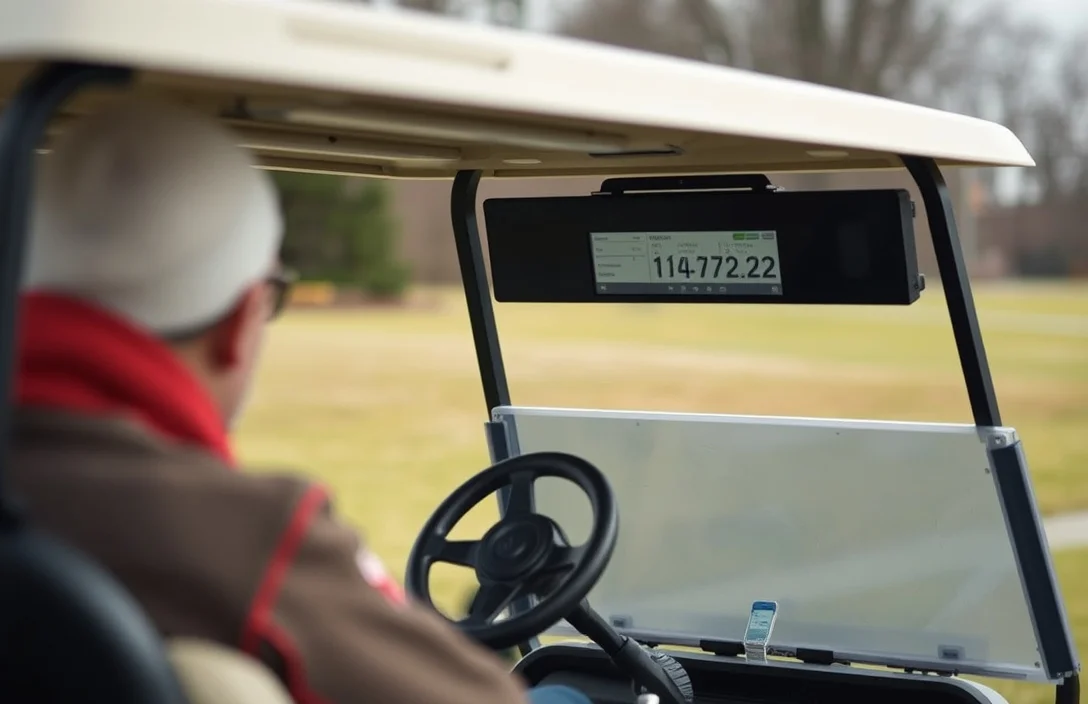
Cold temperatures slow chemical reactions inside golf cart batteries, reducing usable capacity and the voltage the pack can sustain under load. Expect shorter range and longer recharge times in the cold, with performance returning closer to normal as the pack warms up. Warming the pack or operating in a warmer environment temporarily restores some performance, but does not fix underlying aging or damage.
Quick Summary
Cold weather reduces golf cart battery life by lowering available capacity and increasing charging losses, especially for lead-acid packs.
Frequently Asked Questions
Does cold weather affect compatibility between golf cart batteries and chargers?
You can expect some chargers to have a minimum operating temperature; charging below 0°C can trigger safety shutoffs or reduced performance.
Can heat or cold in a golf cart battery compartment pose safety risks in winter?
Cold raises internal resistance and can lead to longer charging times or heat buildup during use; ensure you operate within the battery’s rated range. Operating range for charging is commonly 0°C to 40°C.
How does cold weather affect golf cart battery runtime and capacity?
Rated capacity is specified at 25°C and at 0°C the usable capacity is noticeably lower.
What practical steps can improve safety and performance in cold weather?
Keep batteries within the manufacturer’s recommended temperature range, and follow up with pre-warming before heavy use and ensuring proper ventilation when charging.
When should I replace golf cart batteries in cold weather, and what buying mistakes should I avoid?
Replace when full-load capacity has fallen to about 70% of new, especially in cold conditions; avoid cheap batteries without a cold-weather rating and look for models with documented temperature specs and warranties.