
What Shortens Golf Cart Battery Life?
Power decision and safety hinge on matching the charger to the battery type. The single most important spec is the charger voltage that suits your golf cart pack. The common mistake is using a generic fast charger for a lead acid golf cart bank. Start by checking the charger’s label to confirm voltage and battery type.
Heat, overcharging, and deep discharges shorten golf cart battery life. Keep pack temperature under 120 degrees Fahrenheit during charging, avoid charging to 100 percent every cycle, and use a charger that matches the battery bank rating (6V or 8V blocks) to maximize cycles.
Capacity, Wattage, and Runtime
Ah measures how much charge the pack can deliver at a given discharge rate, while Wh shows the total energy (Wh = voltage × Ah). For a 48V system, Wh equals 48 × Ah, so higher Ah means more stored energy. Real usable energy declines with aging and deeper discharges.
Heat Impact on Golf-Cart Cells
Elevated temperatures accelerate chemical aging in golf-cart cells, shrinking usable capacity and shortening overall life. Heat raises the rate of unwanted reactions inside the cell, which increases self-discharge and voltage sag under load.
In practice, packs kept hot during use or charged hot are more likely to show reduced range over time.
Higher reaction rates at elevated temperature drive faster deterioration of active materials and electrolytes. The result is a lower energy capacity that fades as cycles accumulate, especially when the pack runs hot under heavy use. The aging process is cumulative, so hot operating conditions matter as much as frequent discharge depth.
Lead-acid packs respond to heat with water loss and accelerated grid corrosion, which lowers capacity and accelerates sulfation under repeated cycling. Lithium-based packs see faster growth of the solid electrolyte interface and increased impedance when exposed to heat, reducing usable energy and widening the gap between rated and real performance. Both chemistries benefit from cooling and consistent operating temperatures to preserve life.
Charging outside the recommended temperature ranges can slow charging, increase losses, and stress the battery management system. Temperature compensation helps keep chemistry within its optimum window, while excessive heat can negate these gains and push the pack toward unsafe limits. The controller may throttle current to protect cells, which extends charge time and raises the chance of uneven aging if some cells stay hotter than others.
Strategies to keep packs cool during use and charging focus on reducing heat buildup and improving heat removal.
Discharge Patterns and Cycle Life

Frequent deep discharges shorten the number of usable cycles, while staying within a practical SOC window reduces wear. Shallow, regular cycling stresses the battery less than routinely draining it to near zero, which preserves capacity longer. Incomplete recharges leave cells poorly balanced and encourage chemical drift that accelerates aging.
Charger Compatibility and Voltage
Pack voltage must align with the charger’s output and charging profile. A mismatch can push the pack beyond its intended voltage or prevent full recharge, both of which stress cells and shorten life. Use a charger that matches 36V, 48V, or 72V and includes temperature compensation and a proper charging algorithm to minimize heat and imbalance.
Storage, Aging, and Temperature
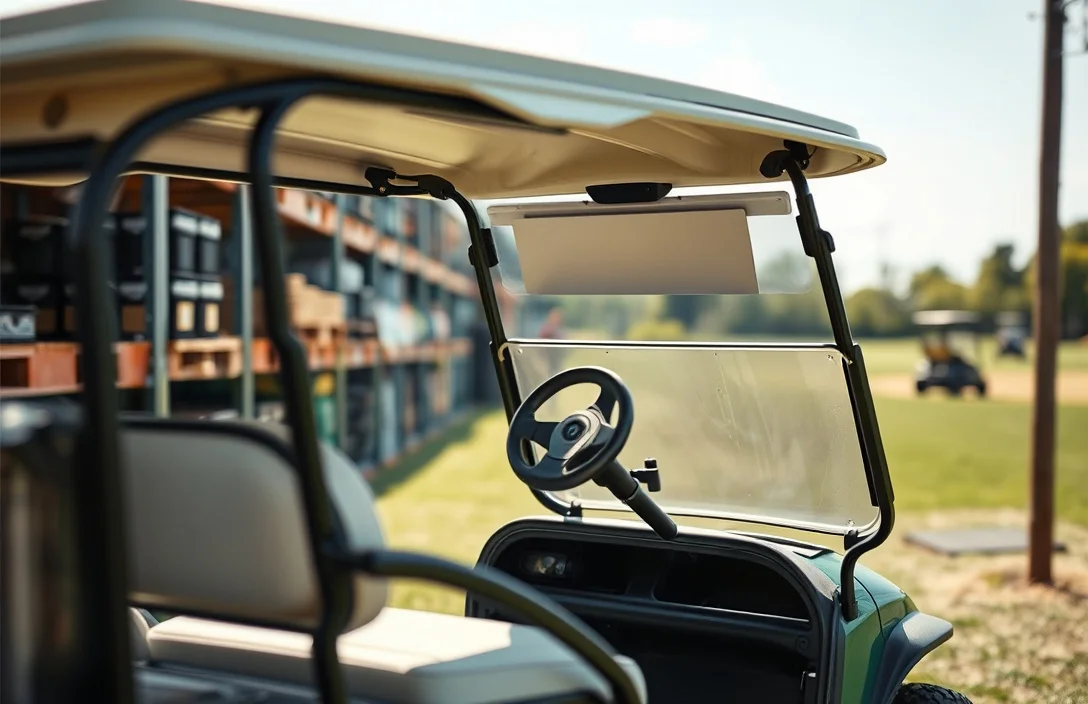
Long idle storage conditions determine how quickly golf cart batteries age. High ambient temperatures invite electrolyte loss and grid corrosion in flooded cells, while deep discharge leaves plates sulfated and less able to accept a fresh charge; wide temperature swings amplify these effects. For idle periods, aim for roughly 50% state of charge for lead-acid packs and about 40 – 60% for lithium systems, then follow the battery maker’s storage guidance to avoid unnecessary degradation.
Maintenance, Troubleshooting, and Replacements
Maintenance is a major factor in battery life. Repeated deep discharges, high heat, and improper charging shorten a golf cart pack’s life. Loose or corroded terminals and neglected water management accelerate capacity loss and failures.
Regular checks keep the pack healthy. Inspect battery terminals for corrosion and tightness, then clean buildup with a baking soda solution and water. For flooded lead-acid packs, keep water levels at the recommended marks after charging and use only distilled water.
Troubleshooting signs come from real symptoms you can verify safely. When the pack is failing, look for voltage sag under load, swelling, or corrosion on connections. Heat during charging or operation and venting are red flags that require immediate attention.
Replacement decisions hinge on whether individual cells or the entire pack fail and what the warranty covers. In many setups, a single failing cell or module can be replaced, but some packs require replacing the whole unit. Always check the warranty terms for coverage and labor rights before buying.
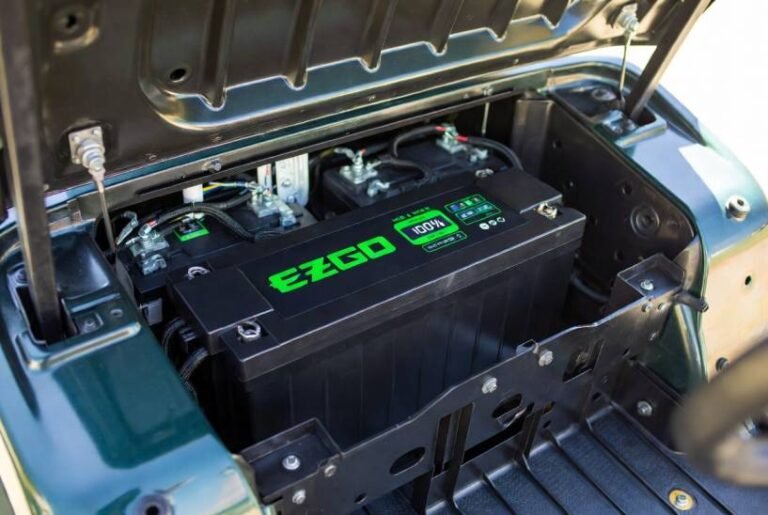
To verify real-world fit for a replacement, confirm dimensions, terminal layout, and connector type match the cart tray and existing cables. Validate the chemistry and voltage class, and ensure the charger and controller support the new pack. If switching to a different chemistry, verify BMS compatibility, charging profiles, and safety clearances to avoid surprises.
Quick Summary
Excessive heat, over-discharge, and wrong charging habits shorten golf cart battery life by stressing the cells.
Frequently Asked Questions
Is using an incompatible charger or battery type a major factor in shortening golf cart battery life?
You should always use a charger that matches your cart’s battery chemistry and voltage; mismatched charging can accelerate aging.
How does heat affect golf cart battery life and what temperature range should I avoid?
Heat speeds chemical aging; keep the battery compartment cool and avoid sustained high temperatures.
Does frequent deep discharging shorten golf cart battery life and how can I prevent it?
Deep discharges reduce cycle life; avoid letting the pack drop below the recommended minimum and recharge promptly.
What safety and maintenance steps most affect longevity, such as water levels and terminal care?
For flooded lead-acid batteries, maintain distilled water levels and clean terminals; neglecting this can shorten life.
When should I replace golf cart batteries and what buying mistakes shorten replacement timing?
Avoid low-quality or mismatched packs; choose a battery that matches the cart’s voltage, capacity, and warranty to maximize replacement cycles.