Why Do Some Golf Cart Batteries Fail Early?
Why do some golf cart batteries fail early? comes down to matching the advice to your situation instead of following a generic checklist. I will focus on the main decision points, the tradeoffs that matter most, and the practical next steps you can use before spending time or money.
Common failure modes in golf cart batteries

Partial cycling leaves lead sulfate on the plates instead of fully converting back to active material. This sulfation lowers capacity and raises charging resistance, so repeated shallow discharges shorten life.
In practice, this is a common early failure mechanism for golf cart batteries.
| Failure mode | Symptoms | Common causes | Practical fixes |
|---|---|---|---|
| Sulfation | Early voltage sag, slow recharge, and reduced capacity | Partial discharges, long idle periods | Maintain near-full charge, avoid prolonged rests, and periodically perform a full cycle when possible |
| Plate degradation | Voltage sags under load and gradual capacity loss | Vibration, thermal cycling, shedding of active material | Secure mounting, minimize hard shocks, replace aging packs |
| High internal resistance | Excess heat during charge, slower recharge | Aging grids, sulfation, poor cooling | Monitor temperature, limit high-rate charging, plan for replacement when resistance climbs |
| Electrolyte loss (flooded) | Lower water level, higher electrolyte concentration, venting signs | Gassing during charging, improper watering practices | Regular water checks, fill to proper level, avoid overfilling |
Flooded lead-acid batteries require disciplined water management and level checks. Neglecting this can drive faster aging and increase safety risks due to venting and plate exposure.
Charging practices that shorten life
Charger compatibility with battery chemistry and voltage determines longevity. A mismatched charger can overcharge, undercharge, or heat cells, accelerating capacity loss over time.
Heat, venting, and swelling risk
High operating temperatures accelerate internal chemical reactions in golf cart batteries, speeding electrolyte loss and plate degradation. Excess heat also increases gas generation and pressure inside the pack, which raises the risk of swelling, venting, and premature capacity fade.
In practice, hot charging spots or long periods in a sunny shed are common culprits.
Deep discharge and cycling impact
Regularly pulling the pack to very low states of charge shortens cycle life. Deep discharges stress plates and accelerate sulfation, especially in flooded lead-acid golf cart batteries. High current pulses and infrequent charging compound aging and reduce capacity over time.
Flooded lead-acid maintenance tips
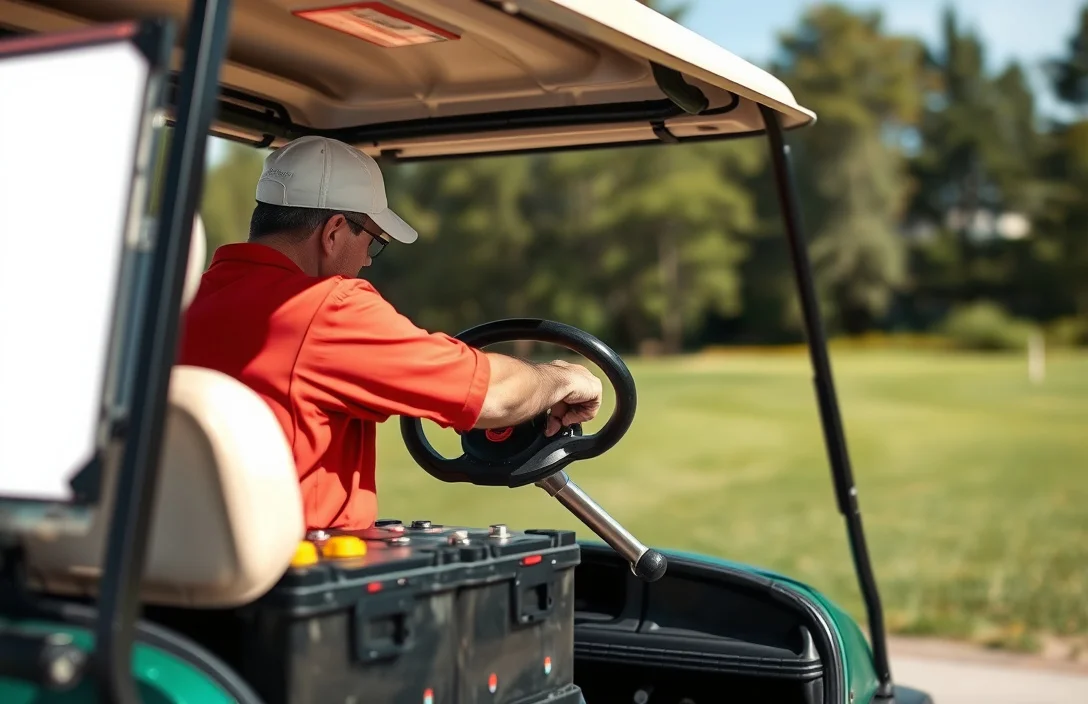
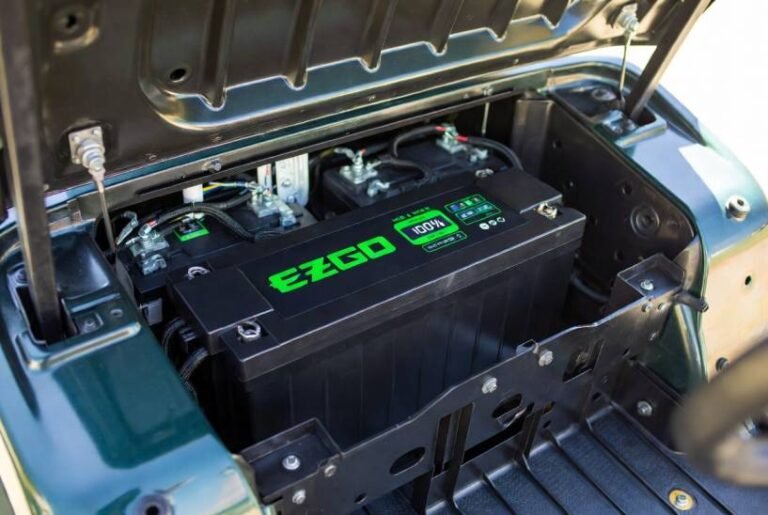
Water quality and proper level control are critical for flooded lead-acid packs. Use distilled water for topping up to the correct level after charging; mineral-rich water accelerates grid corrosion and lowers capacity. Never top off with tap water, and avoid overfilling beyond the recommended vent seal height.
Equalization charging helps balance cell voltages, reduce sulfation, and restore some capacity after long storage or heavy cycling. Do this only if the battery manufacturer allows it and your charger supports it; monitor temperature and stop if the pack heats up or vents bubble excessively.
Clean terminals and connectors to prevent high resistance connections that heat and fail. Remove corrosion with a baking soda solution, rinse with clean water, dry thoroughly, and apply a light terminal protector. Keep cables tight and free of cracks, and use lugs that fit the post terminals properly.
Monitor fluid levels regularly, typically monthly or after aggressive use; levels should cover the plates but not exceed the top of the plates. Use PPE when handling acid, work in a well-ventilated area, and avoid leaning over the battery while charging. If a cell runs consistently low, inspect seals for leaks, and review charging and discharging habits to prevent repetitive over- or under-filling.
| Water type | Best use | Risks |
|---|---|---|
| Distilled | Primary topping-up water | Very low mineral content, safest option |
| Deionized | Alternative if distilled unavailable | Usually fine, may contain trace minerals |
| Tap | Not recommended | Minerals and salts cause deposits and sulfation |
Safety reminder: never open batteries beyond the vent caps, and always cap ventilation when working in cramped or poorly ventilated spaces.
Storage and aging considerations
Storage conditions and aging rate determine life expectancy of golf cart batteries. Moderate temperatures and leaving a pack with a partial state on idle slows degradation. Heat, moisture, and keeping a full or fully discharged state accelerate aging and can cause sulfation, plate corrosion, or gas buildup in flooded cells.
Choosing the right battery type
Mismatch between your cart’s power architecture and battery chemistry is a leading cause of early failure. Deep discharges, high charging currents, and heat accelerate capacity loss, while a properly matched BMS and controller can extend life. Align chemistry with how you use the cart and review warranty terms to gauge expected longevity.
Lead-acid packs are cheaper upfront but prone to sulfation and water loss if cycles are aggressive or chargers are misused. Lithium options reduce weight and can endure more cycles, but they require a compatible BMS, charger, and controller to avoid damage.
Most golf carts run at 36 to 48 volts, with 6V or 8V blocks common in lead-acid setups. Lithium packs are often configured as 48V or higher with an integrated BMS; verify that the pack voltage and cell count match your controller’s limits and wiring.
A mismatched BMS or charger can cause overcurrent, imbalance, or shutdown, leading to early failure. Ensure the BMS can handle the pack current, that the charger voltage matches the system, and that the controller accepts the pack chemistry.
Warranty terms and life expectations vary widely by brand and chemistry. Look for stated cycle life under realistic temperature and depth of discharge, and consider total cost of ownership along with support and service options.
| Aspect | Lead-Acid (Flooded/AGM/Gel) | Lithium (LiFePO4) |
|---|---|---|
| Typical block/pack configuration | 6V or 8V blocks; common in older setups | Commonly 48V packs; 16 cells in series are typical for 48V systems |
| Weight | Heavier, especially for full packs | Much lighter per usable energy |
| Cycle life and tolerance | Finite cycles, sensitive to deep discharge | Longer cycle life when operated within spec |
| Maintenance | Flooded requires water top-ups; AGM/Gel less maintenance | Minimal maintenance but requires proper BMS and temps |
| Charging considerations | Standard chargers work; watch absorption voltages | Requires compatible charger and BMS; avoid overcharging |
| Cost vs lifetime | Lower upfront; higher lifetime cost can apply | Higher upfront; longer life can offset costs over time |
Key takeaway: choose chemistry that matches how you use the cart, and ensure the BMS, charger, and controller are designed to work together for reliable long-term performance.
Quick Summary
Early failure in golf cart batteries is usually caused by heat, overcharging, water loss, and poor charging habits.
Frequently Asked Questions
Why does charger compatibility matter for golf cart batteries and how can it lead to early failure?
Use the charger specified for your battery and cart voltage to avoid overcharging or undercharging, which stresses plates and accelerates aging. A mismatched charger can cause heat and sulfation that shorten life.
How does heat affect golf cart batteries and why does it cause early failure?
Heat accelerates water loss and plate corrosion, so charging in a hot space or riding in high ambient temperatures shortens life. Keep batteries in a cool, ventilated area and monitor pack temperature during charging.
How does runtime and depth of discharge influence early battery failure in golf carts?
Keeping depth of discharge low preserves life; avoid deep discharges and frequent full drains. If you regularly drain to 20-30 percent instead of 50 percent or more, you can extend cycle life; a common guideline is to keep average DoD under 50 percent.
What safety signs should prompt replacement and how can safety concerns cause early failure?
Swelling or venting is a red flag that the cell is failing and should be replaced immediately. Never ignore a battery that feels hot to touch during charging, or emit unusual smells; these indicate thermal or gas risks.
What are common buying mistakes that lead to early battery failure and when should you replace?
Choosing the wrong battery size or type is a common mistake; always match the cart model, voltage, and local climate. Most flooded lead-acid golf cart batteries last 3-5 years with good care, so warranty and replacement timing matter.