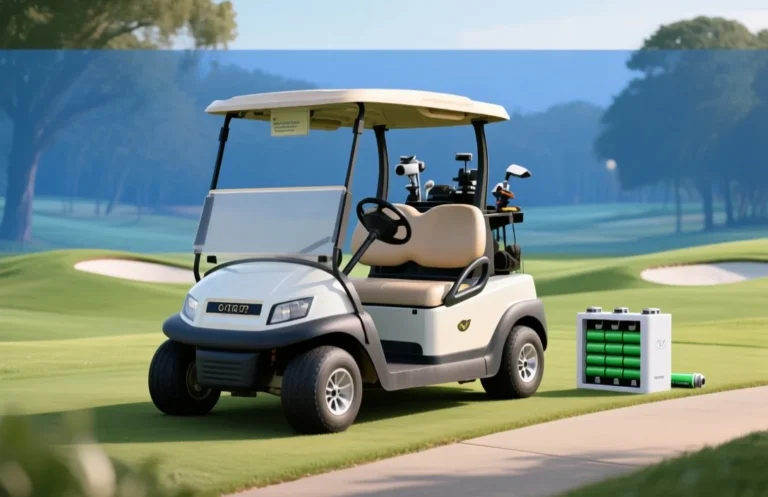
How Often Should Golf Cart Batteries Be Used?
Your golf cart battery health hinges on the state of charge. The most important spec is the pack’s state of charge and how long it sits idle. The common mistake is letting batteries sit discharged or stored at full charge for weeks. The first label to check on your charger is the State of Charge target, and enable a maintenance or float setting for storage.
State of charge management matters most: recharge after every use and avoid long idle periods. If the cart sits unused, top it up or cycle every 2 to 4 weeks to keep the pack around 50 to 80 percent SOC. This prevents sulfation and preserves capacity.
Battery Chemistry and Use Cadence

Chemistry drives the cycling cadence. Flooded lead-acid batteries require regular cycling to minimize sulfation. If you use the cart daily, recharge soon after each ride and avoid letting SOC drop below 50%.
Cadence Based on Typical Golf-Cart Use
Regular use keeps the battery cells exercised and helps slow capacity loss. For most golf carts, driving a few days each week is better than letting the pack idle for weeks.
Frequent daily driving creates regular, shallow cycles that help maintain capacity and prevent sulfation on lead-based packs. If you’re using the cart every day, keep trips light to moderate and top off after each session to maintain a healthy charge range.
When use is infrequent, plan a simple cycle every week or two to keep the chemistry balanced. After a long gap, start with short drives to gently re-energize the pack, then perform a full top-up once you’re back to routine use.
Seasonal operation introduces long idle periods that accelerate self-discharge and stratification in some chemistries. Before storing, charge to a mid-range and disconnect heavy loads; when you return, reintroduce use gradually with short trips, followed by a full charge to re-establish peak capacity.
Long idle periods increase the risk of capacity loss and uneven aging. A maintained trickle charge or smart maintainer helps reduce these risks, and storing in a cool, dry place minimize heat-related wear.
| Scenario | Cadence Guidance | Notes |
|---|---|---|
| Daily use | Drive on most days, with a full or near-full top-off weekly | Keep the pack within a mid-range state of charge |
| Occasional use (weeks apart) | Charge after each use and perform a maintenance cycle during inactivity | Avoid letting the pack sit deeply discharged |
| Seasonal storage | Store at a safe SOC, check monthly, ramp back up gradually | Use a maintainer if possible; avoid extreme temperatures |
Safety tip: never mix battery types or leave a charged pack unattended with damaged cables. Use a charger compatible with your battery chemistry and monitor for swelling, heat, or smells.
Charging Cadence for Varying Use
Regular cycling with prompt recharging preserves golf cart battery health. After each outing, plug in and top off toward the recommended full state of charge, especially if storage is anticipated; during longer idle periods a light float charge helps prevent deep discharge without overfeeding the cells.
Smart chargers adapt to the battery chemistry, temperature, and state of charge, stopping automatically when the pack is full. Basic chargers push a fixed voltage and can overcharge if left connected. For golf carts, pick a charger that matches your pack type and offers automatic shutoff and temperature compensation to minimize risk.
In practice, the cadence depends on chemistry and usage pattern. For lithium packs, many users tolerate charging to around 80 to 90 percent daily if the cart is used irregularly, while keeping storage periods cooler and shorter when possible. Lead-acid packs benefit from keeping the pack above roughly 50 percent during storage and using a smart charger to avoid extended equalization or overcharging.
| Chemistry | Ideal idle SOC | Charging approach | Float/maintenance | Notes |
|---|---|---|---|---|
| Lead-Acid (flooded or AGM) | 50 – 80% | After use, charge to near full; avoid long idle at very low SOC | Float/maintenance possible with a compatible charger | Avoid deep discharges; monitor water levels and temperature |
| Lithium (LiFePO4) | 20 – 80% during idle | Daily charging is fine; partial charging is acceptable | Often not required; BMS handles balance | Do not leave at 100% long idle; keep cooler when possible |
Tip: always verify the charger is rated for your exact battery chemistry and pack voltage. A mismatch can lead to reduced life or safety risks.
Storage and Idle Periods
During long idle periods, keep the battery bank at a partial state of charge to minimize sulfation and capacity loss. For flooded lead-acid setups, target roughly half full; for common lithium-based golf cart packs, aim for about 40 to 60 percent. Store in a cool dry place and check SOC every 1 – 2 months.
Maintenance Checks and Diagnostics

Regular cycling helps prevent sulfation and preserves capacity in golf cart battery packs. If the cart sits unused, schedule a periodic discharge and recharge every 2 to 4 weeks. For long storage, keep the pack around 50 to 70 percent state of charge and top up before planned use.
Visual inspection and clean terminals are the first line of defense against unexpected failures. Look for swelling, cracks, leaks, corrosion on clamps, and loose or frayed cables. Keep vent paths clear and tighten clamps to the manufacturer torque specs.
Voltage and impedance cues help confirm health between checks. After a full charge and a resting period, measure the pack voltage with a reliable meter and compare to the manufacturer’s spec. A resting voltage significantly below the expected range, or a pronounced drop under load, signals a weak cell or sulfation and warrants further testing.
| Test cue | Typical resting reading (36V pack) | What it implies |
|---|---|---|
| Healthy | 36.0 – 38.5 V | Good state of charge and healthy cells |
| Low SOC | <34.0 V | Recharge soon to prevent sulfation |
| High impedance | Voltage may read ok, impedance high | Cell balancing or replacement may be needed |
Fluid levels and electrolyte care apply to flooded lead-acid batteries. Check electrolyte levels monthly or after heavy cycling, using only distilled water to top up. Keep levels just above the plates and do not overfill, especially before charging, which can cause overflow. When topping up, avoid introducing contaminants and work in a ventilated area with appropriate PPE.
Note: If you observe rapid electrolyte loss or persistent high electrolyte temperature during charging, the pack may be aging and require replacement or more frequent conditioning.
Safety Signals and Replacement Triggers
Unusual heat, swelling, or venting are clear safety signals for golf cart batteries and require immediate action. If a pack gets noticeably hotter than normal during charging or operation, shows a swollen case, or vents with a hiss or odor, stop use, disconnect, and inspect.
Troubleshooting Real-World Scenarios
Regular use helps prevent sulfation and keeps golf cart batteries in healthy balance. If you expect a pause in driving, keep the pack on a maintenance or float charger and store in a cool, dry place, checking fluid levels if you have flooded cells.
Quick Summary
In practice, recharge after each use and avoid long idle periods to keep golf cart batteries healthy and long-lasting.
Frequently Asked Questions
How often should golf cart batteries be used to avoid compatibility issues with the charger?
You should recharge after every ride to prevent sulfation and keep the pack healthy. Keeping the state of charge above roughly 50% when storing helps maintain charger compatibility and longevity.
How does heat affect how often you should use golf cart batteries, and what is a safe operating temperature range?
Heat accelerates water loss and plate degradation, so try to operate and store the pack in cooler conditions. A practical target is keep operating temperature under 90°F (32°C) when possible to protect life.
How often should you use golf cart batteries to maximize runtime without sacrificing life, and what charging cadence is recommended after use?
Use the cart regularly rather than letting it sit idle for long periods. If you expect a break longer than two weeks, plug into a maintenance or float charger to hold the pack at a safe level.
What safety guidelines determine how often you should use golf cart batteries, and how can you tell if you are using them too often or not enough?
Avoid deep discharges because discharging below 50% of capacity stresses the plates. Use a smart charger with automatic shutoff and inspect for swelling or venting after frequent cycling.
What buying mistakes affect replacement timing and how often you use golf cart batteries, and what should you verify before purchasing replacements?
Avoid mixing old and new batteries or different chemistries in the same bank, and replace all batteries at once to prevent imbalance. Always verify the replacement matches your cart’s voltage and capacity on the label.