How Many Charge Cycles Do Golf Cart Batteries Last?
How many charge cycles do golf cart batteries last? comes down to matching the advice to your situation instead of following a generic checklist. I will focus on the main decision points, the tradeoffs that matter most, and the practical next steps you can use before spending time or money.
Golf cart battery chemistry
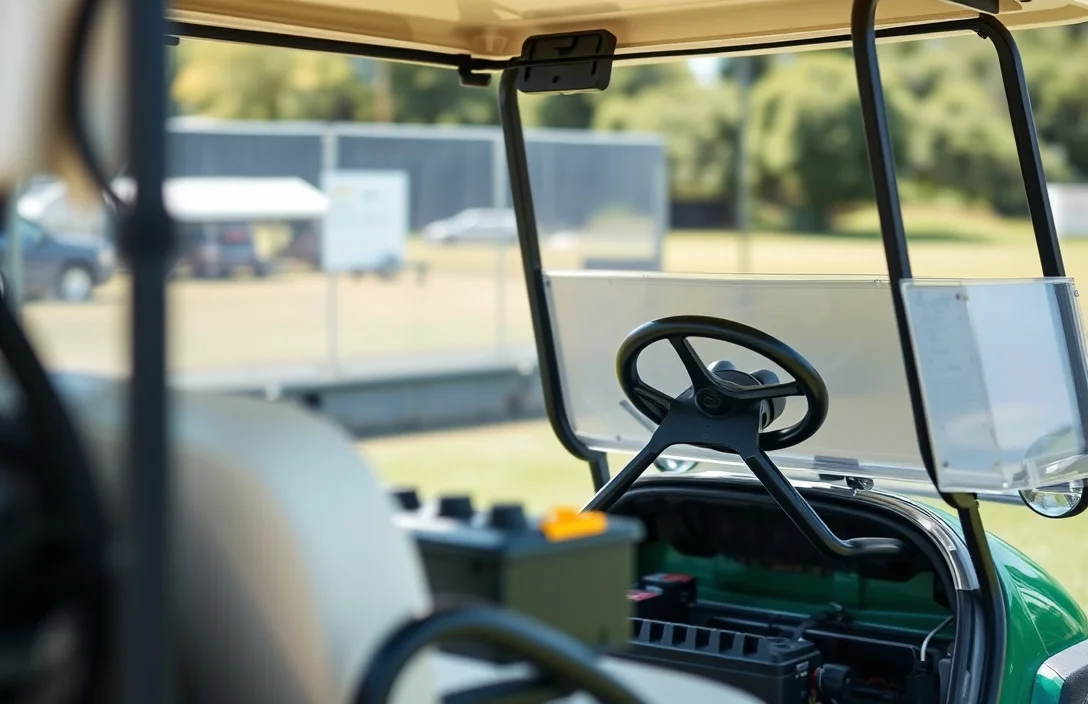
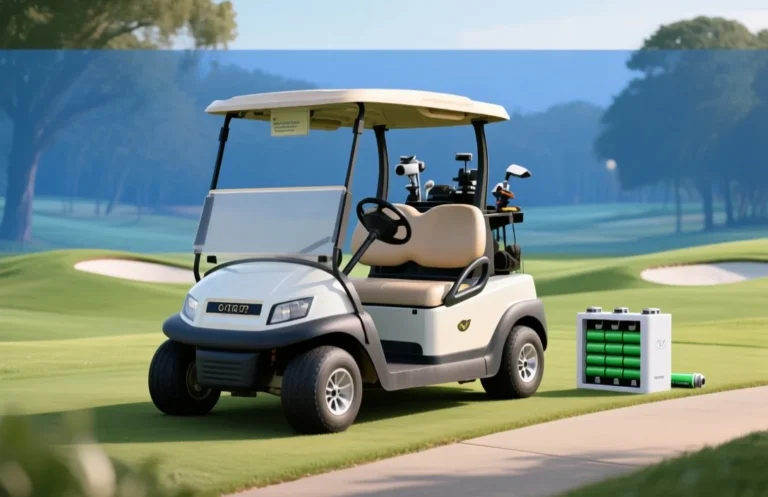
Most golf carts use flooded lead-acid or AGM battery packs, with cycle life tightly linked to how deeply you discharge and how well you maintain them. Lithium LiFePO4 options exist that can deliver more total cycles when managed with a proper BMS and a compatible charger. The chemistry you choose drives not just durability but charging needs and maintenance routines.
What counts as a cycle?
A cycle equals a complete energy exchange: when energy drawn from the battery equals its rated capacity, a cycle has occurred. Partial discharges add up toward a full cycle in proportion to how deeply you discharge, so multiple smaller discharges accumulate toward one cycle.
In practice, cycle counting follows energy flow, not calendar time or number of times you plug in.
Cycle life by chemistry
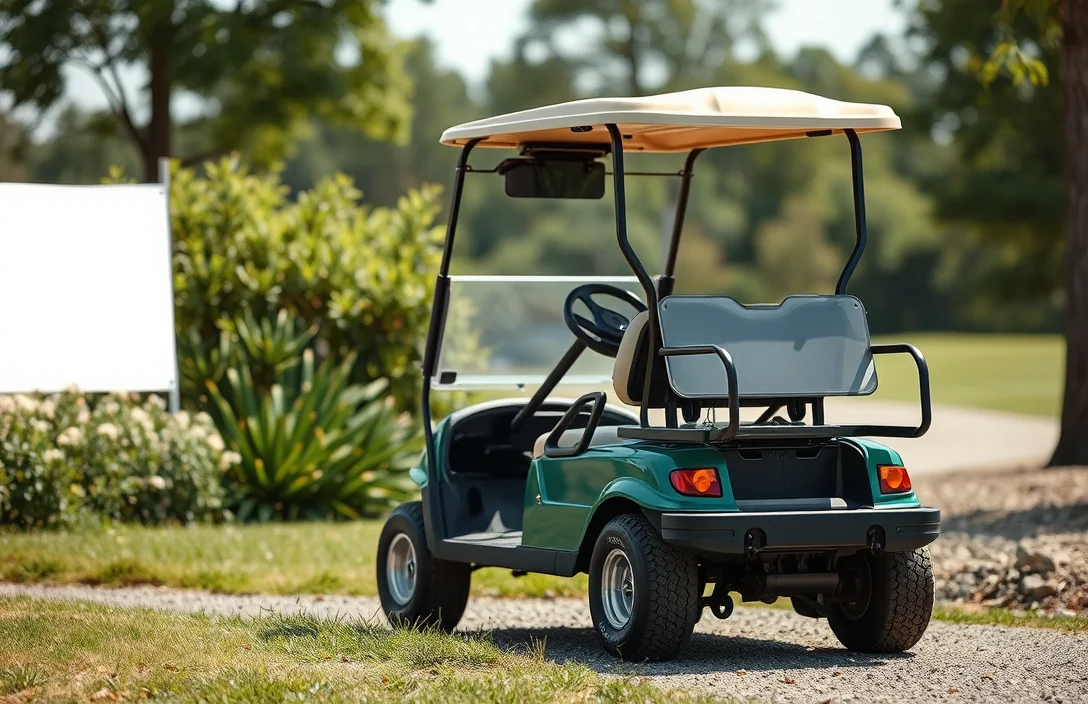
Lead-acid cycle life depends on depth of discharge and how well you maintain the system. Flooded and AGM units typically deliver several hundred to about a thousand cycles with moderate DoD and proper charging; deeper cycling or high temperatures shorten life. LiFePO4 offers thousands of cycles when managed correctly, but comes with higher upfront cost and different charging requirements.
DoD and cycle life
Deeper discharges shorten the number of usable cycles, while shallower discharges extend cycle life. For golf cart batteries, staying within a moderate discharge window generally yields more total cycles and slower capacity fade. Because chemistry and construction vary, always check the manufacturer guidance and apply conservative targets to maximize longevity.
Shallow versus deep DoD effects: draining only a portion of the rated capacity reduces stress on the plates and helps preserve capacity per cycle, especially for flooded lead‑acid and AGM designs. Deeper discharges accelerate wear, increase the risk of sulfation in lead‑acid packs, and hasten capacity loss over time. Across chemistries, the principle holds that smaller DoD per cycle tends to deliver more total cycles, though the exact balance of runtime and life depends on the battery type.
Manufacturer guidelines for golf cart packs: DoD targets are usually stated in the battery datasheet or the vendor’s operating guidance, and they differ by chemistry and design.
In practice, many lead‑acid and AGM packs perform best when kept within a modest DoD, while lithium options can tolerate higher DoD but still show longer life with less frequent deep discharges. When guidance is ambiguous, conservatively limit DoD to avoid excessive cycle aging and follow maintenance recommendations to preserve pack health.
Temperature and charging impact
Temperature and charging impact directly shapes cycle durability for golf cart batteries. Operating too hot or too cold accelerates aging, while charging at high rates when the pack is warm increases wear. Maintaining a comfortable temperature around the battery and using moderate charging current helps maximize usable cycles and safety.
Charger compatibility and safety
Charger compatibility and safety dictate cycle life outcomes for golf cart batteries. Cycle life varies by chemistry and use, but a core fact remains: proper charging extends life while poor charging shortens it.
In practice, flooded lead-acid packs often deliver a few hundred to about a thousand full cycles, while lithium options can reach several thousand with correct charging and BMS protection.
Voltage matching for 12/24/36/48V systems is essential to avoid undercharging or overcharging. Use a charger whose nominal voltage matches the pack and verify that a series configuration is supported by the charger or by using a dedicated unit per bank as recommended by the manufacturer. Temperature compensation helps keep charging currents appropriate as outdoor temps vary.
Amperage and charging stages influence heat, electrolyte loss, and longevity. Bulk charging delivers energy quickly but should stay within the pack and charger ratings to prevent overheating. A taper phase reduces current as the pack nears full, which helps minimize gas buildup in lead-acid and supports gentle balancing in lithium systems.
Safety features and certifications to verify provide a predictable, safe charging experience. Look for automatic shutoff, overcurrent protection, short-circuit protection, and thermal monitoring. Certifications such as UL or CE indicate the charger meets recognized safety standards, and for lithium packs confirm compatibility with the pack’s BMS and venting/ fault indicators.
Maintenance signals and replacement
Golf cart battery life in cycles varies with chemistry and how you care for it. Flooded lead-acid packs typically show aging after hundreds of cycles, while lithium packs can endure more if temperature and charging are managed. Actual cycle counts depend on depth of discharge, temperature, and how closely you follow the recommended charging routine.
Sulfation is a common aging signal in golf cart batteries. It builds up when a battery spends long periods in partial charge or is not fully desulfated during charging, raising internal resistance and reducing usable capacity.
Swelling is a visible risk that may accompany overcharging or heat exposure, especially in high-temperature environments. Bulging cases require immediate removal from service to prevent rupture.
Capacity loss shows up as shorter run times, weaker performance under load, and the need to recharge sooner than in the past. If the pack cannot reach or hold a full state of charge, aging is advanced and replacement should be planned.
Maintenance steps to extend life include:
| Chemistry | Typical aging sign | Maintenance impact |
|---|---|---|
| Flooded lead-acid | Sulfation, water loss, capacity drop | Regular watering and controlled charging slow aging |
| AGM | Similar sulfation risk, higher internal resistance when abused | Gentle charging and proper venting preserve life |
| Lithium (LiFePO4, etc) | Less sulfation, capacity fades with heat and deep cycles | Strict temperature control and accurate BMS needed |
Safety note: swollen or venting batteries must be isolated from equipment and disposed of according to local regulations. Do not puncture or attempt to recharge a damaged cell.
Replacement triggers and warranty cues: when practical performance falls below your typical duty cycle, or you can no longer reach a full charge within a reasonable time, plan replacement. Check warranty terms for cycle-life claims, coverage for deep discharge, and temperature exposure, and document aging signs if you seek replacement under warranty.
Quick Summary
Cycle life depends on battery chemistry and care; lead-acid golf cart batteries typically last 500 to 1,000 cycles with proper maintenance.
Frequently Asked Questions
Question 1?
Typical flooded lead-acid golf cart batteries deliver roughly 600-1,000 cycles at 50% depth of discharge. Actual cycles vary with DoD, temperature, maintenance, and charger quality.
Question 2?
Heat accelerates battery wear, so keep charging in a cool environment. Keep charging temperature under 40°C, since charging at temperatures above 45°C can noticeably shorten cycle life.
Question 3?
Depth of discharge directly affects cycles; deeper discharges reduce cycle count. Aim for around 50% DoD to maximize cycles.
Question 4?
Most golf cart batteries show noticeable capacity loss after 2-4 years of regular use. Replace when capacity falls to about 60-70% of a new pack or you see reliability issues.
Question 5?
Common buying mistakes include selecting a cheaper non-deep-cycle battery or mismatching voltage, chemistry, or DoD with your cart and charger. Verify the pack voltage, chemistry, and cycle-life rating before you buy.