How Often Should Golf Cart Batteries Be Watered For Maximum Life?
Watering is not optional for flooded golf cart batteries. The single most important spec is the water level in each cell, kept with distilled water so the plates stay covered after charging. The common mistake is guessing when to add water and letting cells run dry or overflow. Start by checking the minimum and maximum level marks on the caps.
Water level checks determine life span: keep every cell between the lower and upper marks, refilling with distilled water after charging as needed. In normal use, expect checks about every 1-4 weeks; in hot climates or high-usage carts, weekly checks help prevent plate damage and capacity loss.
Why Water Affects Golf Cart Life
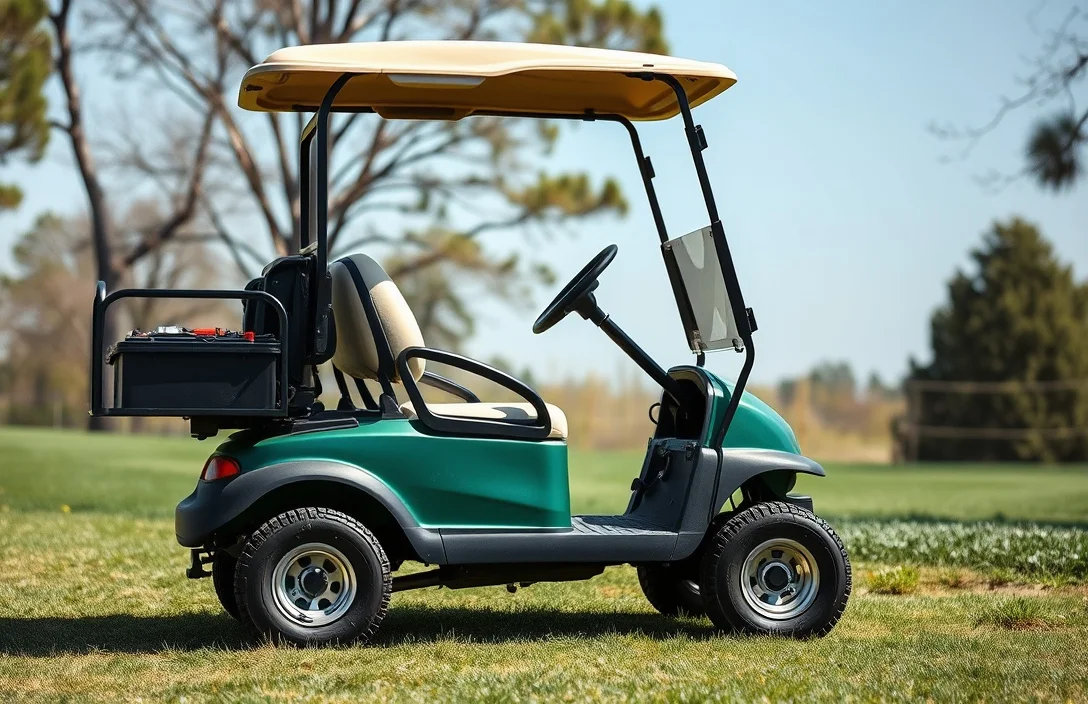
Maintain electrolyte levels so the plates stay covered during charging. Low levels expose plates, accelerating sulfation and reducing capacity over time.
Watering Needs by Battery Type
Flooded lead-acid golf cart batteries require periodic water top-ups to replace water lost through gassing during charging and use. The cadence depends on cycling rate and temperature, but many owners water every 1 to 4 weeks and after deep discharges.
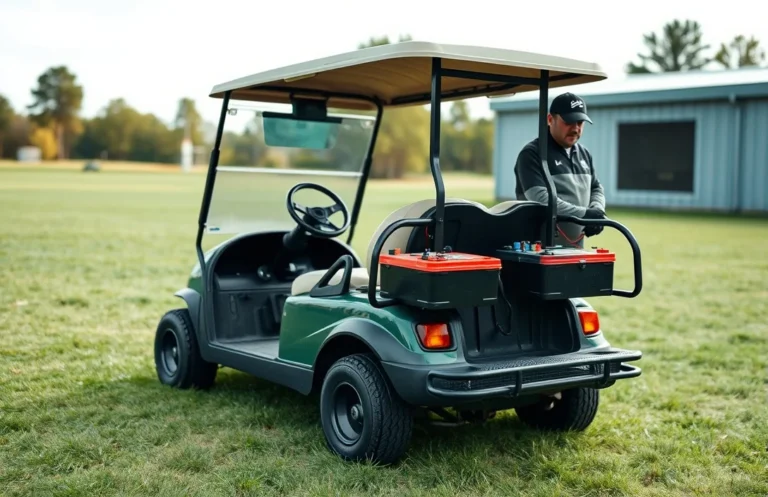
Flooded lead-acid packs have removable vent caps and require you to maintain the water level above the plates but below the vent holes. Sealed options, including AGM and Gel, do not get watered because their electrolyte is immobilized inside the cells.
Temperature drives water loss. Temperature effects determine how quickly water is consumed; hotter conditions accelerate gassing, so you may need to top up more often in summer and watch levels closely in cold weather, following the fill guidelines.
| Battery Type | Watering Need | Typical Cadence | Notes |
|---|---|---|---|
| Flooded Lead-Acid | Yes | Every 1 – 4 weeks, or when levels are low | Fill with distilled water to the proper level after charging |
| AGM | No | Never | Sealed; ensure proper charging and avoid opening cells |
| Gel | No | Never | Sealed; monitor voltage and temperature |
| Lithium (cart packs) | No | N/A | Monitored by BMS; safe charging is key |
Safety reminders: never use non-distilled water, never overfill to the point of spilling onto terminals, and always water only when the battery is cool. If you notice bulging, overheating, or leakage, stop using the pack and inspect it promptly.
Cadence for Flooded Batteries
Cadence for Flooded Batteries: Watering is typically required every month to every quarter depending on usage and climate. Hot weather, heavy cycling, and aging cells push the interval toward monthly checks, while cooler climates or light use can stretch to quarterly. Always fill to the recommended level after charging when electrolyte is near the plates.
Cadence for Flooded Batteries: For example, a golf cart used in a hot southern climate with daily trips may require monthly checks in summer, while the same cart in a cool season might move to quarterly checks. Logging water additions and monitoring electrolyte levels helps you refine the cadence without risking underfill or overfill.
Watering Procedure: Safe Fill
Maintain electrolyte levels by regular checks rather than a fixed calendar. In normal use, expect to water every 4 to 6 weeks, but hot weather or aggressive charging can require more frequent checks; always fill to the recommended level after a full charge.
Common Pitfalls & Signals
Keep electrolyte levels in flooded golf cart batteries at the level that just covers the plates, adding distilled water only when the level falls below the plate tops. In normal use, check every 2 to 4 weeks, and more often in hot weather or with heavy use. Overfilling or underfilling both shorten life by promoting plate damage and sulfation.
Underwatering signs are clear when the level dips away from the plates. You may see exposed plate edges, discolored or dry-looking electrolyte, or faster-than-usual capacity loss between fills. Temperature during charging can rise noticeably as the plates are left dry and continually stressed.
Overwatering signs occur when the electrolyte rises above the plates or vents. This dilutes the acid, reduces active material contact, and increases the chance of spillage and corrosion at terminals. Repeated overfills can cause water to overflow during charging and gas buildup, stressing the seal and cap areas.
Practical note: never mix old and new water, and always use distilled water. Fill after full charge when possible to allow gas expansion without overflowing, and avoid topping off to the brim.
| Climate / Use | Check Frequency | Fill Guideline |
|---|---|---|
| Normal use, moderate temperatures | Every 2 – 4 weeks | Fill to just cover plates, typically about 1/4 inch below the fill hole |
| Hot climates or heavy use | Weekly to biweekly | Check levels after charging; fill as needed to cover plates |
| Cold/off-season storage | Every 4 – 6 weeks | Inspect and top off if plates are exposed |
Quick Summary
Water flooded lead-acid golf cart batteries when the level is low, typically every 2 – 4 weeks during regular use.
Frequently Asked Questions
Is watering frequency the same for all golf cart batteries, or does battery type affect it?
Watering is required only for flooded lead-acid batteries. Sealed AGM or gel golf cart packs do not require water and should never be opened to water. You can confirm your battery type on the label or in the manual before watering.
How does heat affect how often you should water golf cart batteries?
High temperatures increase water evaporation and plate exposure. Check water levels every 2-4 weeks in hot weather and after heavy use to keep the level above the plates but below the vent wells.
What is the recommended watering practice to maximize runtime and life?
You should water after a full charge and keep levels within the fill lines. Fill to about 1/4 inch above the plates using distilled water, and never exceed the fill line.
What safety practices or common mistakes should I avoid with watering?
You should never water during charging and you should use distilled water. Do not exceed the manufacturer fill line to prevent overflow and potential acid spray, and wear eye protection when checking levels.
When should I replace golf cart batteries, and what buying mistakes should I avoid related to watering?
You should expect typical flooded golf cart batteries to deliver about 4-6 years of service with proper watering. A common buying mistake is selecting a low-cost or non-reputable brand or a sealed type when you need flooded cells.