
How Many Years Do Club Car Batteries Last?
Your Club Car battery life comes down to the chemistry and how you charge it. The spec that matters most is cycle life at your typical depth of discharge and temperature. The common mistake is letting the pack discharge fully or charging with the wrong voltage, which shortens life. The first label to check is the charger’s chemistry and voltage setting, then confirm the cart shows a healthy state of charge.
Club Car battery life varies by chemistry and use. Lead-acid deep-cycle packs typically last about 3 to 5 years with normal charging, while lithium options can reach 8 to 12 years with careful care and stable temperatures. Real-world life depends on depth of discharge, charging habits, and heat.
Club Car Battery Life Basics
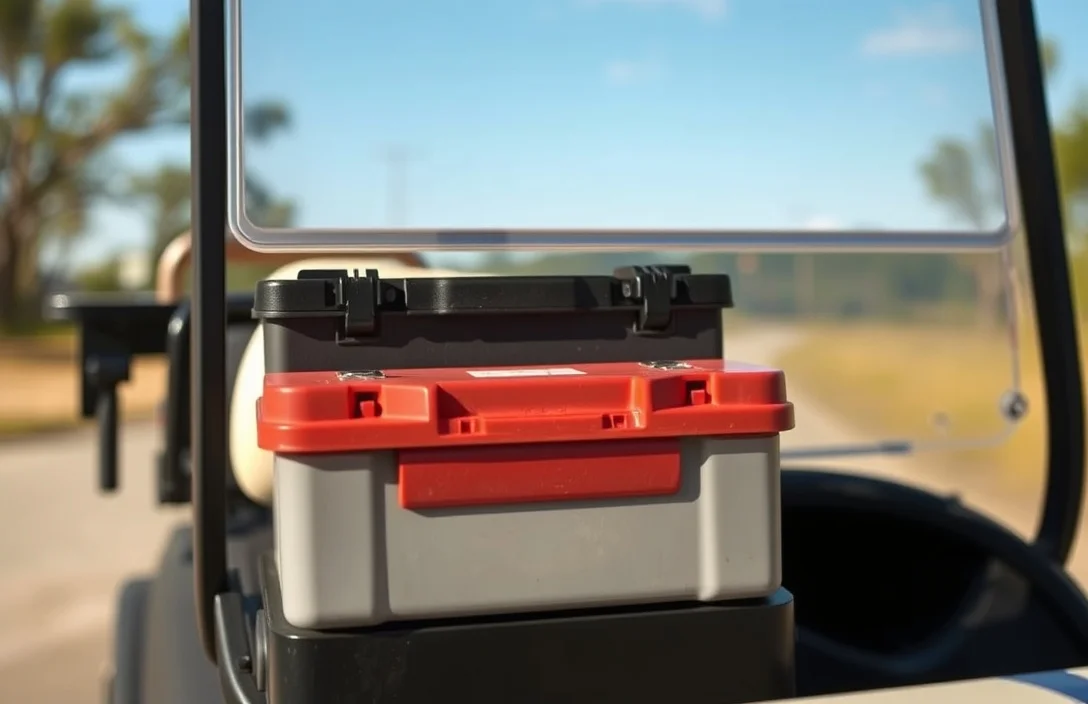
In typical Club Car setups, battery packs last a few years under normal use, with lead-acid packs commonly reaching about 3 to 5 years and lithium options often extending 7 to 10+ years with good charging and care. Lifespan is defined by chemistry, how often you cycle, and how well you maintain the pack, so calendar time and cycle life both matter for planning replacements.
Battery Chemistries and Longevity
In Club Car carts the battery life is driven by chemistry and how you use and charge it. Lead-acid packs typically deliver useful life of a few years up to about seven with proper care, while lithium packs commonly last five to ten years or more when kept within spec and cooled properly.
Depth of discharge, operating temperature, and charging discipline are the big levers. Manufacturer specs usually quote cycle life and replacement timing as a function of full-charge cycles, plus warranty terms, to help plan when to replace a pack.
What Shortens Club Car Batteries

Deep discharge and aggressive cycling shorten life and reduce usable capacity. Repeatedly draining the pack to low voltage and then charging aggressively stresses plates and separators, accelerating capacity fade. Over time you’ll see shorter run times and lower total energy the battery can deliver.
Heat accelerates chemical aging inside the cells. High ambient temperatures or poor ventilation cause electrolyte loss, greater water consumption in flooded cells, and plate corrosion. The result is faster capacity loss and more frequent maintenance needs.
Charging abuse includes overcharging, undercharging, and using chargers that don’t match the battery chemistry. Frequent top-off charging or high current charging beyond design limits causes gas build-up, swelling, and long-term damage. Use the charger specified or a compatible one and avoid leaving it connected past full charge.
Improper storage, especially long-term, can dramatically shorten life. Keeping a fully charged pack stored in hot or humid conditions or leaving it at a high state of charge can promote sulfation in lead-acid cells or structure changes in other chemistries. Store in a cool, dry place, with the recommended state of charge for storage, and avoid extended idle periods.
| Factor | Impact on life | Mitigation |
|---|---|---|
| Deep discharge and aggressive cycling | Accelerates capacity fade and reduces cycle life | Keep depth of discharge shallow; use gentle cycling; employ automatic cutoffs |
| Heat | Speeds chemical aging and water loss | Improve ventilation; avoid heat sources; operate within rated temperatures |
| Charging abuse | Over/under charging causes gassing, swelling, and degradation | Use manufacturer-recommended charger; avoid exceeding design limits |
| Improper storage | Premature sulfation and capacity loss | Store in cool, dry place; follow storage state-of-charge guidelines |
Charging Practices That Preserve Life
Charging discipline is the main lever for club car battery life. A smart charger that matches bank voltage and terminates correctly, paired with avoiding deep discharges, can keep capacity higher for many years.
Maintenance for Longer Life
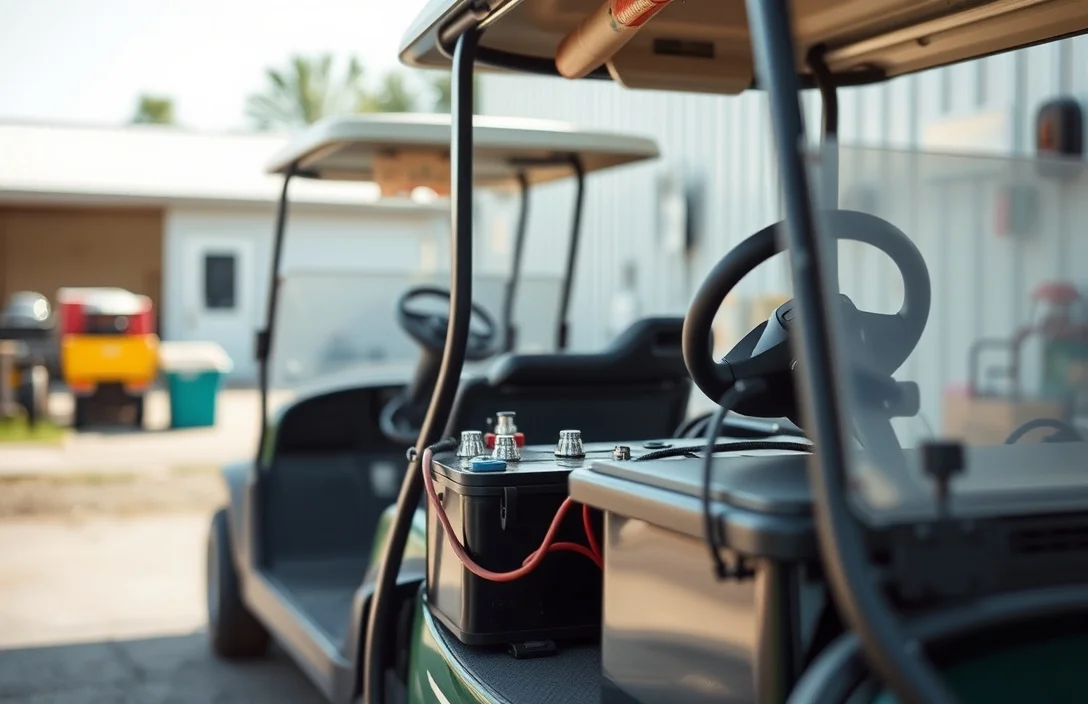
Proper maintenance slows capacity fade and keeps Club Car packs healthy across both lead-acid and lithium chemistries. Regular checks on water levels, electrolyte care, equalization on flooded packs, and clean, tight connections reduce corrosion and avoid faults that shorten life.
Replacement Triggers and Warranty
Club Car batteries are retired when usable capacity and reliability no longer meet a cart’s daily needs. The practical lifespan varies with chemistry, climate, and how often the battery is charged and discharged, but a clear replacement signal is sustained performance decline rather than a single symptom. Warranty terms depend on the battery type, purchase date, and how well charging and maintenance guidelines were followed.
Real-World Timeframes by Setup
Club Car battery packs show real-world life that varies with how you use them and how you care for them. In typical scenarios, personal-use carts tend to last several years with regular charging, scheduled maintenance, and avoiding deep discharges, while fleet carts with heavy daily use often reach the shorter end of that range due to higher cycle counts and more strenuous operating conditions. Climate and charging habits can tilt outcomes toward longer or shorter service life, and those effects compound when multiple drivers or variable charging practices are involved.
Quick Summary
Club car batteries typically last around 4 to 6 years with proper charging, maintenance, and use, but life varies.
Frequently Asked Questions
Question 1?
Lead-acid batteries used in most Club Car carts typically last about 3-5 years under normal use. Compatibility matters because using an unsupported battery type or incorrect voltage can shorten life and may void warranties.
Question 2?
High heat accelerates battery wear, and sustained high temperatures shorten cycle life. Keeping operating temperatures under about 85°F helps preserve life, and shade, ventilation, or cooling can make a difference.
Question 3?
Lead-acid lifespans are typically 3-5 years with normal use; if you switch to lithium, you can often see 7-10+ years with proper maintenance and charging discipline.
Question 4?
Swelling or venting indicates damage and should trigger replacement; continued use can create safety hazards and shorten life. Swollen or venting batteries should be replaced immediately.
Question 5?
Plan replacement before performance deteriorates; avoid buying mismatched voltage or chemistry and choose a matching charger. Replace when capacity drops to about 60-80% of original, and select batteries with compatible voltage and a supported charging system to maximize life.