Battery Maintenance Tips For Longer Golf Cart Battery Life
Power decision: always pair the charger to the battery bank and set the correct voltage before you connect it. The single most important spec is the charger voltage setting, which must match your golf cart pack. The common mistake is using a charger with the wrong voltage or a high current mode that heats the pack. First label to check: the charger voltage rating, for a typical 48V system, set to 48V and use the standard lead-acid profile.
Battery maintenance tips for longer golf cart battery life emphasize keeping terminals clean, ensuring a full charge after each use, maintaining water levels in lead acid cells monthly, avoiding deep discharges below 50 percent, and using a charger matched to the battery bank.
Watering Schedule for Golf Cart Batteries
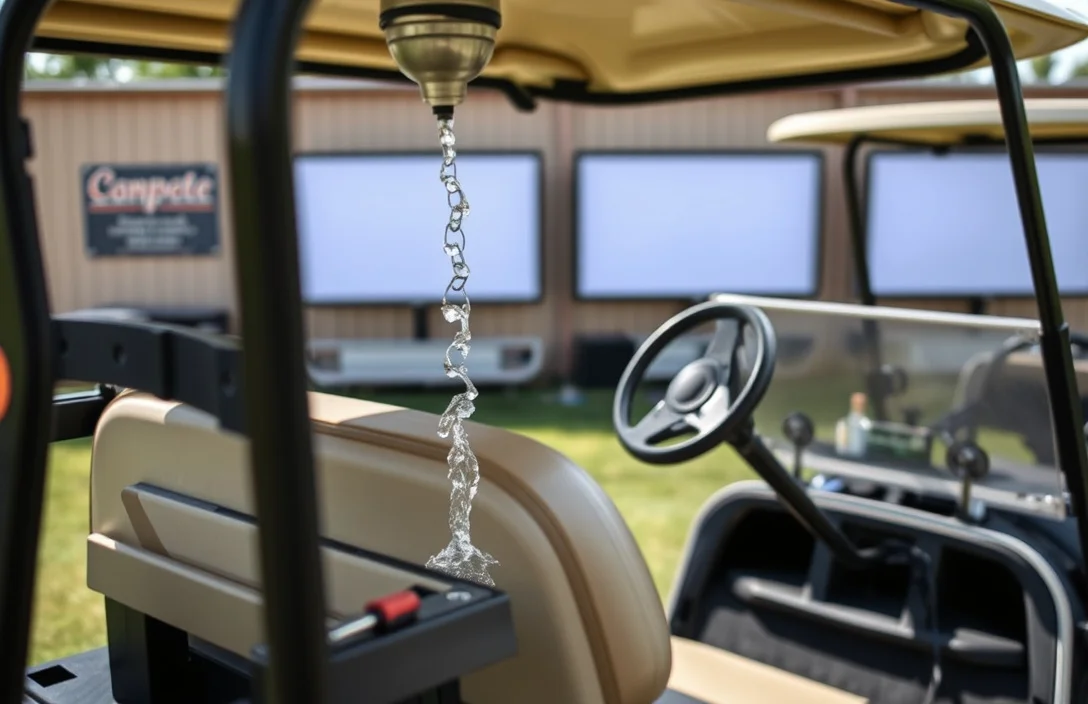
Watering is a core lever for battery life because electrolyte levels directly affect plate coverage and sulfation. Flooded lead-acid golf cart batteries need water added after charging when plates swell, usually once every 1-4 weeks during heavy use. Under watering reduces capacity and accelerates sulfation, while proper top-ups help maintain voltage and long-term cycle life.
Use distilled water only and add it after charging once the battery has cooled. Fill until the electrolyte just covers the plates, staying below the vent caps to prevent overflow during charging. In hot weather or with heavy golf-cart use, check levels every two to four weeks and after long drives.
When to water and why it matters
Water schedule is not only about keeping chemistry in range; it interacts with temperature, charging regime, and cycling.
In practice, most golf cart owners water every 2-4 weeks during moderate use, and weekly during heavy season or hot climates when evaporation is higher. Regular watering prevents plate exposure, reduces sulfation buildup, and helps maintain capacity and voltage under load. If you skip watering, plates become dry, resistance increases, and there is a higher risk of early failure. Conversely, overwatering can lead to electrolyte loss and corrosion of the terminals. Establishing a routine and recording each check can help you detect creeping leaks or sudden changes in level.
Takeaway: A simple, consistent watering routine keeps golf cart batteries healthy and ready for daily use, protecting your investment and reducing costly replacements.
Hydrometer Checks for Specific Gravity
Regular hydrometer checks reveal sulfation on weak cells before it drags down the entire golf cart pack. In flooded lead-acid batteries, each cell should show a consistent gravity when the battery is fully charged; wide spread readings signal an aging cell that may require attention.
To perform a test, remove vent caps and draw electrolyte into the hydrometer, then note the SG for each cell. Temperature affects density, so record electrolyte temperature and use a correction chart if needed.
Typical fully charged per-cell SG is around 1.265 to 1.285; readings outside this range suggest an issue. If one cell is noticeably lower than the others after a full charge, sulfation or a failing plate is possible and warrants follow up testing or cell replacement.
In practice, measure all six or eight cells, compare results, and recheck after a full recharge. Record any drift over successive cycles to track aging. Keep caps on when not testing and return electrolyte to cells carefully.
When to use it and how to interpret readings
Use hydrometer checks after a full charge to set a baseline for each cell. If the pack shows uniform SG across cells, you can expect healthy performance; if a cell reads consistently low, it may be sulfated and should be monitored or replaced. Recheck that readings are not skewed by temperature, electrolyte level, or cap sealing. A single low cell will drag capacity, but gradual changes over time indicate aging. Regular testing helps you schedule maintenance before capacity degrades significantly. Use the readings alongside voltage checks and pack current to form a complete health picture.
Takeaway: Hydrometer specific gravity checks offer a practical, early warning that helps extend golf cart battery life by pinpointing weak cells before they fail in the field.
Equalization Charging for Golf Cart
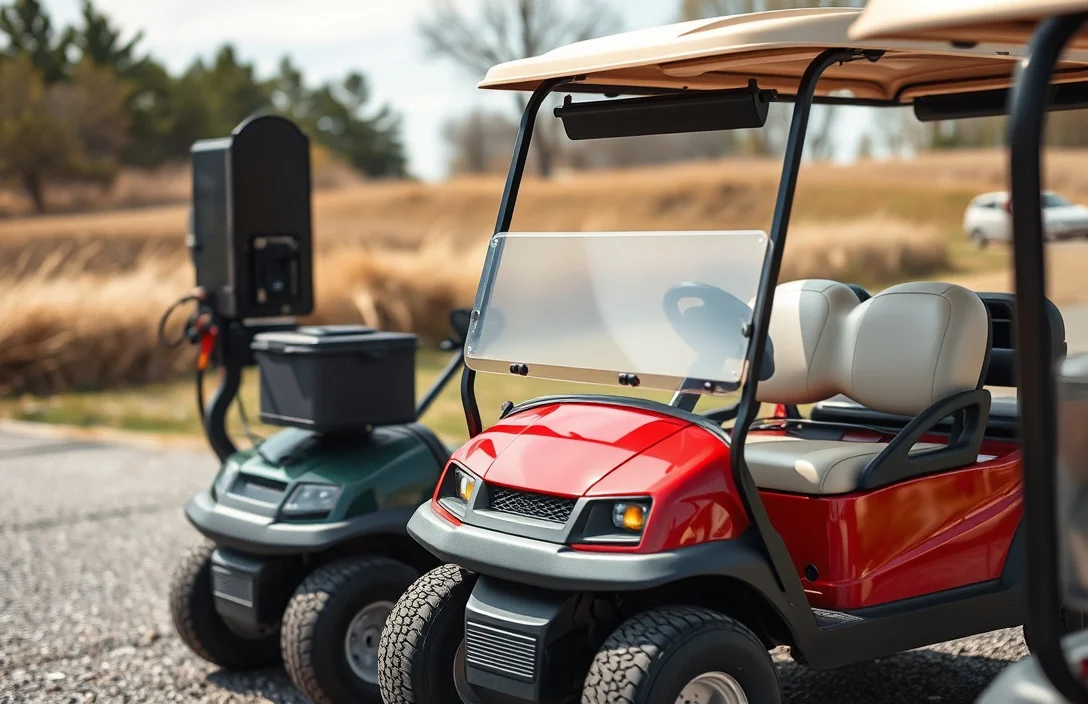
Equalization charging balances cell voltages across a flooded lead-acid golf cart battery, preventing weakened cells from dragging down the pack. A controlled high-voltage pulse equalizes each cell, restoring capacity, reducing sulfation buildup, and extending usable life.
Equalization charging is performed only on flooded lead-acid packs that vent gas; sealed AGM or gel cells do not tolerate this cycle. Confirm your charger has an equalize or higher-voltage setting and follow the battery maker’s specified voltage and duration.
When to use it
Equalization should not be a daily routine. Use it when voltages drift apart or when a hydrometer shows uneven specific gravity across cells. It is most effective after a full charge and when the pack has regular ventilation. In high-use carts, schedule an equalize every 1-3 months; in seasonal or low-activity fleets, every 4-6 months may be enough. Always consult the battery manufacturer guidelines and your charger manual before starting to avoid overvoltage on sensitive cells. Maintain safety by venting, wearing eye protection, and keeping flames or sparks away from the area.
Takeaway: With proper planning, a periodic equalization cycle can help keep all cells balanced and extend the life of a flooded golf cart battery. Always follow manufacturer guidance and ensure safe ventilation when performing any equalization charge.
Charger Compatibility for Golf Cart
Using an incompatible charger can prematurely age golf cart batteries by causing overcharge, undercharge, or excessive heat. A charger that matches the pack voltage and chemistry helps maintain the correct charging curve and reduces sulfation on lead-acid packs. This makes charger compatibility a practical lever for longer battery life.
Check the charger label and manufacturer specs before pairing it with your cart. The key is to verify voltage, current, and the proper connector to avoid mismatches that stress the pack.
For example, a 48V golf cart with flooded lead-acid batteries benefits from a dedicated 48V charger rated for 10 to 15A, with automatic termination and a temperature sensor. This setup helps maintain safe charging across varying ambient temperatures and reduces heat buildup inside the pack.
When to upgrade to a smart charger with temperature compensation
Smart chargers read battery temperature and adjust charging voltage to keep the process within safe limits. This reduces heat buildup that accelerates aging in flooded lead-acid packs and helps lithium variants avoid overcharging.
In practice, if your cart spends time in direct sun, has frequent high current draws, or sits idle for long stretches between uses, a temperature compensated charger can add years to pack life. Look for features such as a clear status display, multiple profiles for different chemistries, and robust protections against overcurrent, short circuit, and moisture exposure. Always confirm compatibility with your specific battery model and follow the manufacturer’s guidance when enabling advanced charging modes.
Takeaway: pair your golf cart battery with a charger designed for its voltage and chemistry, prefer a smart charger when conditions are tough, keep connections clean and dry, and store the charger in a cool, ventilated spot when not in use.
Thermal Management for Golf Cart Batteries
Large temperature swings during charging and discharging accelerate water loss and plate corrosion in lead-acid golf cart packs, trimming cycle life. Keeping the battery bank around 20 to 25 C helps preserve chemistry and maximize usable life.
On hot days, park in shade and allow air to circulate around the battery compartment. A low‑power 12 V fan or a vented lid can help move air and keep surface temps down during charging. Insulating blankets or a reflective cover reduce heat gain when the cart is parked, and remove them after charging to prevent heat buildup. Whenever possible, schedule charging for cooler parts of the day to avoid long heat exposure.
When to monitor temperature more closely
Temperature monitoring becomes important when the cart spends time outdoors or when it uses a high current charger, because heat builds up quickly inside the battery compartment. In those cases, cell temperatures can rise rapidly during charging, accelerating electrolyte loss, increasing gassing risk, and reducing overall capacity and cycle life. Consistent monitoring gives you early warning and a chance to adjust airflow or charging timing before damage occurs.
A simple infrared thermometer aimed at the battery face or a dedicated temperature sensor placed near the pack makes it easy to spot temperatures outside the safe range. Track readings over several sessions to identify patterns and adjust charging timing or airflow accordingly. If you see repeated spikes after sunny afternoons, shift charging to the morning, improve ventilation, or consider insulation upgrades for the battery bay.
Reader takeaway: Keep the pack cooler during charging by shading, improving airflow, and choosing cooler parts of the day to extend battery life.
Storage Temperature and State of Charge Guidelines
Proper storage temperature and state of charge directly affect how quickly golf cart batteries degrade during off seasons. Heat accelerates electrolyte loss and grid corrosion in flooded lead-acid packs, while cold slows chemical reactions and reduces available capacity when you power up again. Maintaining a moderate, dry environment helps preserve cycle life and readiness for use. Set storage targets that match your battery chemistry and local climate; the following guidelines are practical regardless of brand. Before returning to service, inspect the battery bank for signs of swelling, leakage, or corrosion. If you plan storage across seasons, coordinate the storage site with your cart manual and set a reminder to recheck SOC and temperature when the off season ends. Takeaway: keep the battery bank in a cool, ventilated spot with a mid range state of charge and set a simple storage routine. This habit reduces capacity loss and makes it easier to resume regular golf cart use when the season returns.
Replacement Triggers for Golf Cart Batteries
Replacement triggers matter because worn cells directly reduce pack capacity and golf cart range. A pack that no longer holds more than about 60 to 70 percent of its original rating will noticeably shorten trips between charges. Early replacement prevents unexpected failures and protects other components from overwork.
Lead-acid golf cart batteries typically need replacement after roughly 3-5 years with normal care, while Li-ion packs can last longer if kept cool and charged correctly. Use a battery analyzer or the cart’s built in monitoring to track capacity and internal resistance rather than relying on appearance alone. Do not mix old and new cells or different chemistries in the same pack, and plan for a full pack replacement rather than individual blocks to avoid imbalanced aging.
Proactive planning saves downtime and cost. Schedule replacements around your cart’s peak usage season and keep a spare pack ready if your trips are long or frequent. Dispose of old batteries through a licensed recycler and verify local rules for transport and recycling.
Quick Summary
Proper golf cart battery maintenance extends life by keeping critical metrics within recommended ranges and reducing harmful sulfation.
Frequently Asked Questions
Can I mix golf cart batteries of different chemistries or brands with the same charger?
Compatibility matters; use a charger matched to the battery chemistry and voltage. Mixing chemistries or mixing new and old cells can cause safety risks and accelerated failure. Most golf carts use 36V or 48V packs, so be sure the charger is designed for that voltage.
How does heat affect golf cart batteries and how can I manage temperature during charging and operation?
Heat accelerates water loss and corrosion, shortening cycle life. Keep the battery compartment cool and away from direct sun; aim for operating and charging temperatures around 20-25 C if possible. If you must charge outdoors, provide shade and ventilation to limit temperature rise.
What factors influence runtime and how can I maximize it between charges?
The run time is governed by the amp-hour rating and how you manage state of charge. Try to keep the pack between 50% and 80% state of charge for better efficiency and life. Regular maintenance like clean terminals and proper water levels for flooded cells helps maintain low resistance and longer run time.
What safety practices should I follow when charging and maintaining golf cart batteries?
Always use the correct charger for your chemistry and charge in a well ventilated space. Wear eye protection when handling flooded cells and check for proper venting during charging. Keep the battery area clean, dry, and free of sparks or flames, and check water levels for flooded lead-acid every month.
When should I replace golf cart batteries and what buying mistakes should I avoid?
Replace when the battery can no longer hold charge well or shows significant voltage sag under load. Avoid buying batteries that do not match your cart voltage (36V or 48V), chemistry, or a warranty, and don’t chase the lowest price. Look for a documented warranty and the correct Ah rating on the label, and choose a reputable brand.