How Long Do Factory Golf Cart Batteries Last?
Factory golf cart batteries require the charger to match the pack voltage and chemistry. The spec that matters most is the charging profile you use every day. A common mistake is pairing a car or generic charger with a deep-cycle golf cart pack. The first label to check is the voltage/chemistry setting on the charger or battery label.
Factory golf cart batteries last about 3 to 6 years under normal use, with longevity tied to depth of discharge, charging habits, and climate. Regular maintenance and using a charger matched to the pack can push life toward the upper end.
Factory Golf Cart Battery Makeup
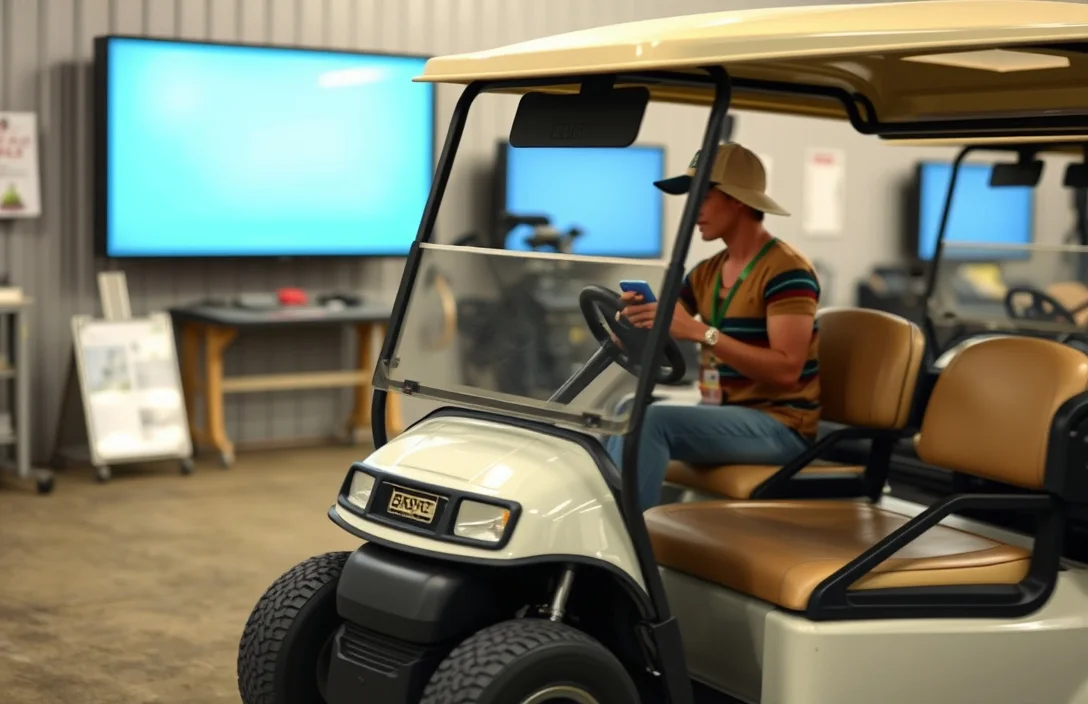
Factory golf cart packs are built from cells arranged in series and parallel to reach the cart’s nominal voltage. The most common chemistries are flooded lead-acid and sealed AGM, with LiFePO4 appearing in newer or premium models. Typical voltages are 36V (6x6V) or 48V (8x6V or 4x12V), and labeling usually shows nominal voltage and pack capacity, plus any notes on cycle life or recommended charging.
Common factory chemistries include:
| Nominal voltage | Common configurations | Typical chemistry | Notes |
|---|---|---|---|
| 36V | 6 x 6V cells | Flooded lead-acid or AGM | Widely used in older or lower-cost carts |
| 48V | 8 x 6V or 4 x 12V | Flooded, AGM; LiFePO4 in newer models | Greater power and range |
Labeling on factory packs typically lists nominal voltage and total capacity in Ah, and may include a cycle-life figure or a recommended charging voltage. Those numbers guide planning, but they do not guarantee longevity, which depends on discharge depth, temperature, and maintenance.
For example, a 48V pack rated at 150Ah will perform very differently if it is routinely discharged to near empty or kept hot in sun.
Practical reading on labels
Always avoid mixing chemistries in a single system and never exceed the manufacturer’s charging recommendations. Improper charging or venting can create safety hazards and shorten battery life.
Lifespan by Battery Chemistry
Factory golf cart packs typically last around 3 to 6 years depending on chemistry and usage. In high-use commercial settings they often sit toward the shorter end, while light residential use can push toward the longer end. Flooded lead-acid commonly reaches the lower end, AGM can push toward the middle, and lithium-based packs (LiFePO4) often exceed 5 to 10 years with proper care.
Key Life-Shortening Factors
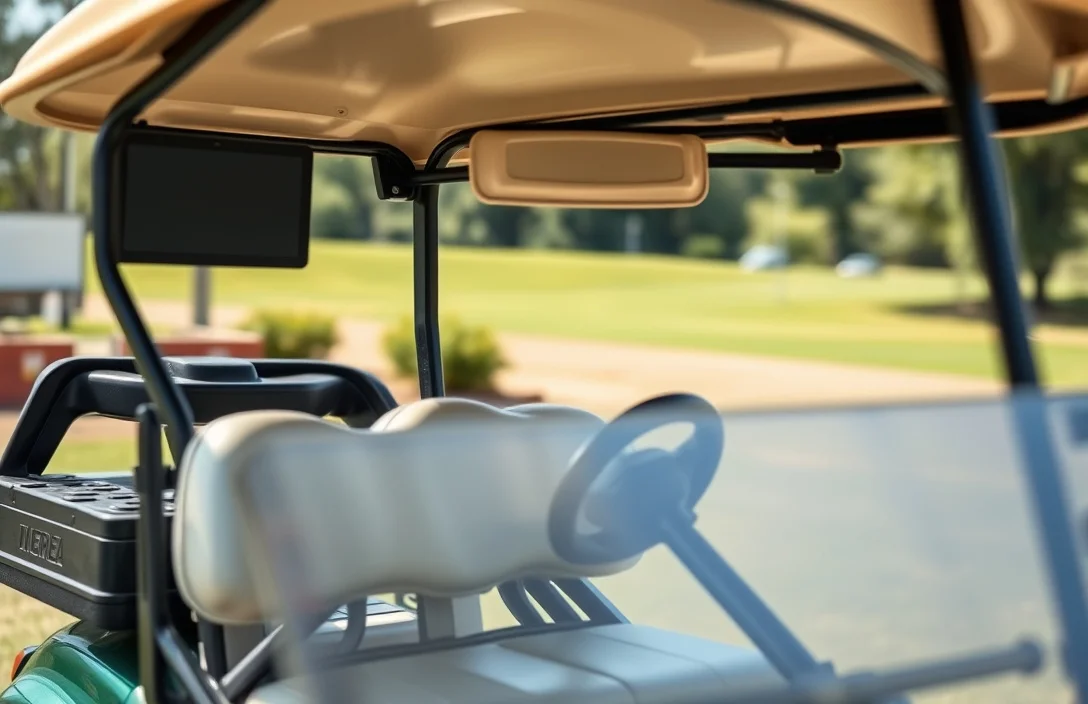
Temperature effects on aging: Heat speeds chemical reactions inside the cells, increasing water loss in flooded packs and accelerating grid corrosion which shortens cycle life. Cooler storage slows aging but can reduce available capacity temporarily, and sustained cold can limit immediate output. Managing temperature is the biggest lever to extend life for factory golf cart packs, especially in hot climates.
Charger Compatibility and Use
Using the correct charger and charging habits protects pack health and extends cycle life. The factory charger is tuned to the battery’s chemistry and end-point behavior; using an aftermarket unit that doesn’t match voltage termination or balancing can hasten capacity loss and wear. Stick to recommended voltage and float when idle, and avoid leaving a charged pack on a mismatched charger for extended periods.
Maintenance to Extend Life
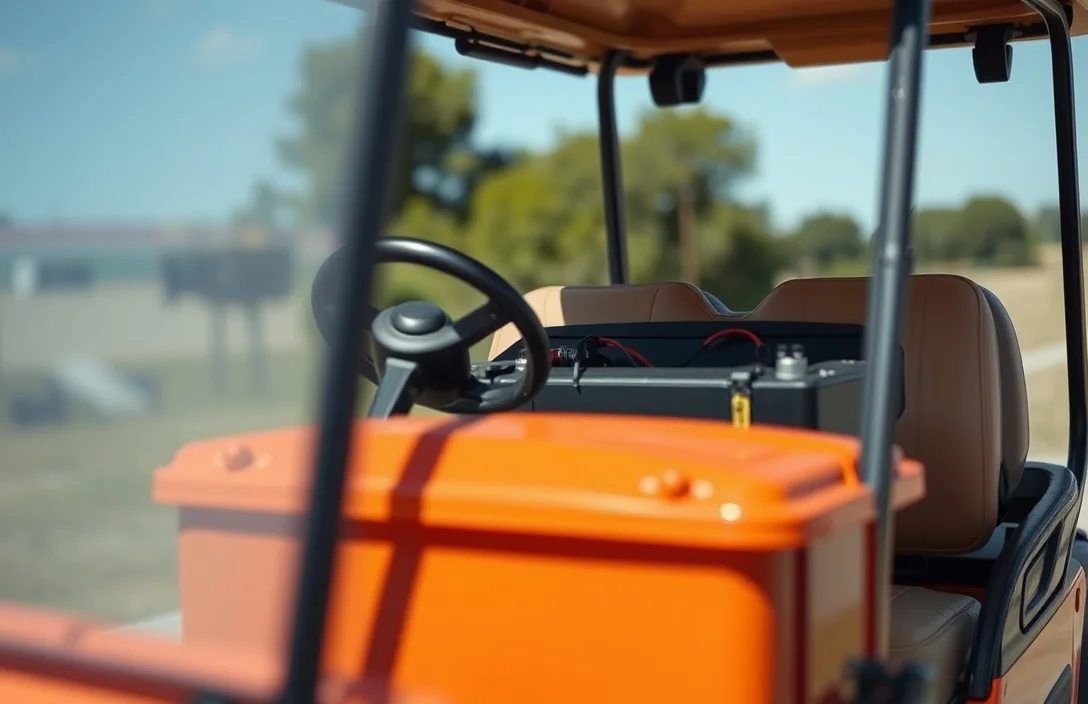
Factory flooded lead-acid golf cart batteries typically deliver 3 to 5 years of service in normal use. With careful maintenance and moderate cycling, you can often reach the upper end of that range, but deep discharges, high temperatures, or poor charging shorten life. Longevity varies with climate, usage pattern, and how consistently you follow charging and maintenance best practices.
Replacement Triggers
Factory golf cart packs age with use, and replacement is driven by aging signals rather than a fixed date. If the pack shows physical damage, persistent voltage loss, or cannot meet typical run-time, it should be evaluated for replacement. Regular checks help prevent unexpected failures during use.
Buying Checks for Replacement
Factory golf cart batteries commonly last 3-5 years with regular charging and proper maintenance when using flooded lead-acid packs. If you switch to AGM or lithium options, life can extend to roughly 5-12 years depending on usage and care. Heat, deep discharges, and improper charging dramatically shorten life.
In practice, verify DoD targets, the heat tolerance of the pack, and the charger’s ability to handle the chosen chemistry. Also check if the cart’s cooling and ventilation are adequate for the new pack in hot climates.
| Chemistry | Typical cycle life at ~50% DoD | Estimated replacement interval (years) at 2 cycles/day | Notes |
|---|---|---|---|
| Flooded lead-acid | 500 – 1000 | 3 – 5 | Low upfront cost, requires watering and venting; sensitive to heat. |
| AGM lead-acid | 600 – 1500 | 4 – 7 | Maintenance-free, better heat tolerance than flooded. |
| LiFePO4 (Lithium) | 2000 – 5000 | 6 – 12 | Requires compatible charger and BMS; higher upfront cost, lighter weight. |
| Other lithium (NMC, etc.) | 1500 – 3000 | 5 – 9 | Higher energy density; ensure cart electronics support it. |
Safety note: Do not mix chemistries or use a charger not rated for the chosen chemistry. Improper pairing can create thermal or electrical risks.
When evaluating a replacement, factor the lifecycle cost by year and the risk of downtime. A plan that aligns with your cart usage pattern supports longer times between replacements and lower total cost of ownership.
Quick Summary
Factory golf cart batteries typically last about 2 to 4 years with proper maintenance and charging discipline.
Frequently Asked Questions
Will using a different charger affect how long factory golf cart batteries last?
Using a charger that does not match the battery bank voltage can shorten battery life. Use a charger rated for your cart’s pack (36V or 48V) and avoid generic adapters that are not designed for lead-acid packs.
How does heat affect the life of factory golf cart batteries and what is the safe operating temperature range?
Heat speeds electrolyte degradation and grid corrosion, shortening cycle life. Keep charging and operation within 20-25 C, with 0 to 40 C as a broad safe range for many packs.
How long does a factory golf cart battery last on a single charge, and what factors influence runtime?
Estimated runtime can be calculated as Ah rating divided by average current draw. For example, a 170 Ah pack at 8 A draw gives roughly 21 hours of operation.
What safety practices help maximize the life of factory golf cart batteries and prevent premature failure?
Avoid charging at temperatures above 50 C. Regular cleaning and proper watering improve longevity for flooded lead-acid packs, and keep vents clear during charging to prevent gas buildup.
When should I replace factory golf cart batteries, and what buying mistakes shorten their life?
4-6 years is the typical replacement window for factory golf cart batteries with proper maintenance. If capacity drops below 50 percent of the original or you repeatedly buy batteries that aren’t the right voltage, you may shorten the life; common buying mistakes include mixing old and new batteries or choosing a low-quality brand.