How To Extend Golf Cart Battery Life?
The direct power decision is to match the charger to the battery chemistry and pack voltage. The spec that matters most is charging voltage per cell and the overall pack voltage. The common mistake is using the wrong charger or leaving a hot pack on charge. The label to check is the Battery Type or Chemistry setting on the charger or cart control panel.
Battery care means keeping the pack at 50 to 80 percent state of charge, using a matching 48 V charger, avoiding discharging below 50 percent, and keeping temperatures under 35 C. Keep the pack away from direct sunlight during charging; avoid fast charge cycles unless supported by the manufacturer.
Golf Cart Battery Chemistry
Chemistry dictates how many times a golf cart battery can be cycled and how much capacity fades each year. Flooded lead-acid cells lose capacity mainly through sulfation and plate corrosion, while AGM and gel variants reduce maintenance but shuffle how heat and charging affect life. Lithium chemistries push overall cycle life higher, but demand specific charging and thermal controls to realize this benefit.
Lead-acid basics: Flooded variants require water top-ups, venting, and careful heat management; neglecting watering or exposing them to heat accelerates sulfation and capacity loss. Sealed AGM and gel batteries cut maintenance and venting needs but respond differently to charging voltages and temperatures, influencing how long they last in golf carts.
Lithium options offer many more cycles and lighter weight, yet they rely on a robust battery management system and charger designed for their chemistry. Their higher upfront price is often offset by lower maintenance and longer life if used with the right charging profile and temperature control.
Cycle life and depth of discharge (DoD) are the practical lenses for life expectancy.
In practice, keeping DoD shallow for lead-acid reduces sulfation and plate shedding, while lithium packs tolerate deeper cycles but still benefit from not forcing the pack to operate far from its optimal temperature and voltage window.
State of Health and DoD
Depth of discharge (DoD) is the fraction of a golf cart bank’s rated capacity that you use before recharging. Deep discharges shorten cycle life, so staying in a moderate DoD increases the number of usable cycles and keeps the bank healthier over years of service. Resting voltage after a cooldown reflects the true state of charge more reliably than in-use readings, while voltage under load exposes internal resistance and aging conditions that a quick glance cannot reveal.
Smart Charging Practices
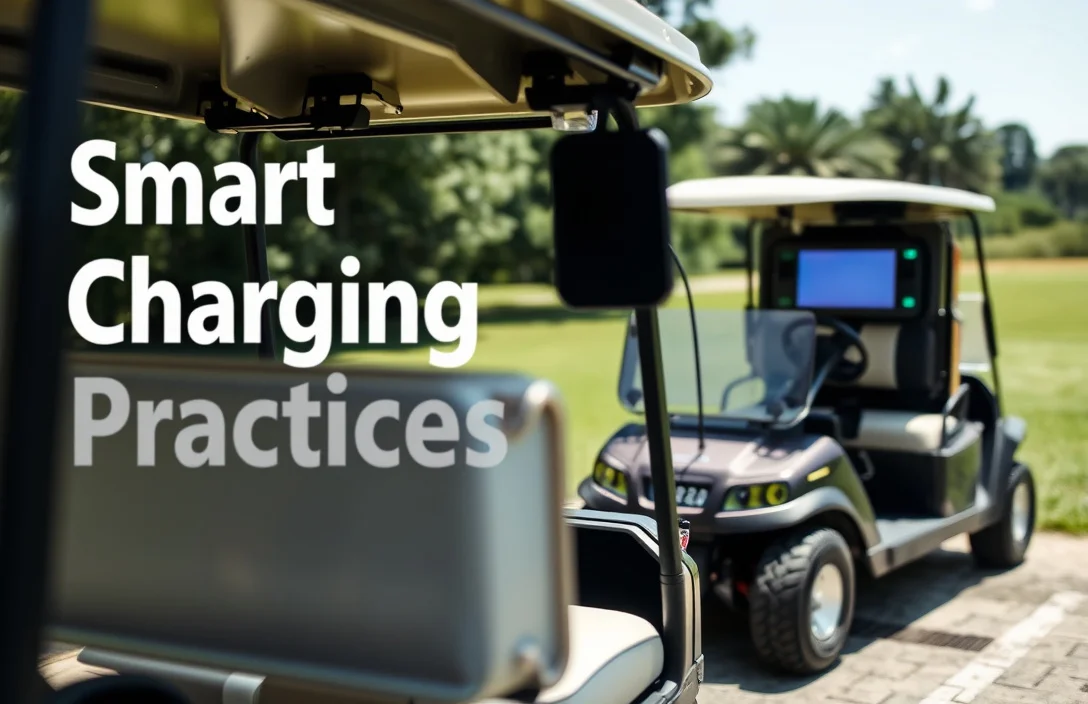
Keep the golf cart pack above roughly half full between uses to maximize cycle life. Deep discharges shorten life for lead‑acid and can stress lithium packs and their BMS. Use a charger that enforces proper bulk and float stages and applies temperature compensation to avoid overcharging in heat or undercharging in cold.
Avoid leaving a depleted pack sitting for days or weeks; returning to a very low SOC requires more reconditioning and accelerates sulfation in lead‑acid styles. When the cart is idle, a periodic maintenance charge helps keep cells balanced and ready for use.
Charging targets differ by chemistry and climate, so rely on a smart charger that manages the stages accordingly and adapts to battery temperature.
<
| Chemistry | Charging Stage | What to Verify |
|---|---|---|
| Lead‑Acid (Flooded or AGM) | Bulk then Absorb then Float | Charger follows the vendor profile and provides temperature compensation |
| Lithium (LFP or NMC) | Constant current for a portion, then constant voltage with BMS | Charger is compatible with the pack BMS and current limits |
Smart charging features reduce risk and extend life. Temperature compensation adjusts voltage targets based on battery temperature, which helps prevent overcharge in warm environments and inadequate charging in cold ones. A maintenance charging regime keeps a stored pack balanced without exposing cells to continuous high voltage. A proper charge cadence matches usage patterns, avoiding long deep rests and unnecessary full discharges.
Swollen batteries, unusual heat, or a charger that hums loudly are red flags. Stop charging, inspect cables and connectors, and pursue a verified charging profile for your battery chemistry.
In practice, pair your cart with a quality smart charger, keep it in a moderate environment, and top up after every use rather than letting SOC drift low. This approach preserves capacity and reduces the frequency of heavy reconditioning sessions.
Charger Compatibility Essentials
Match the pack voltage exactly. Use a charger rated for the cart’s nominal voltage (36V or 48V) and a charging profile suited to the battery chemistry. Mismatched voltage or profile can cause undercharge, overheating, and accelerated wear, reducing cycle life.
Current and charging profile matter as much as the voltage. Select a charger whose maximum current aligns with the battery’s capacity and manufacturer’s guidance. A charger that supplies too much current can heat the pack, while a charger that’s too weak may leave the pack undercharged and stressed during cycles.
| Charger Type | Pack Voltage | Typical Max Current | Key Considerations |
|---|---|---|---|
| OEM smart charger | 36V or 48V | Varies | Designed for specific pack chemistry; supports proper charging curve |
| Smart multi-chemistry charger | 36V or 48V | Adjustable | Lets you tailor profile; watch temperature |
| Solar-compatible charger | 36V or 48V | Depends on solar input | Requires MPPT interface; ensure BMS compatibility |
| Portable universal charger | 36V or 48V | Moderate | Convenience; verify chemistry and port compatibility |
When in doubt, verify the charger with the cart manufacturer’s approved options and test after installation to confirm voltage and temperature stay within safe limits during a full cycle.
Finally, keep a simple log of charging equipment, dates, and any observed heat or voltage readings. This helps catch early signs of mismatch before cycle life is affected.
Temperature and Storage Tips

Temperature and Storage Tips: Operating golf cart batteries at comfortable ambient temperatures extends life; heat is the primary driver of capacity loss, while cold reduces usable capacity and slow charging. Keep the pack out of direct sun and away from heat sources whenever possible.
Temperature and Storage Tips: Keep the battery compartment within the manufacturer’s recommended operating window, typically around room temperature. When the weather climbs, provide ventilation and shade to prevent heat buildup; in cold weather, minimize exposure and pre-warm if available.
| Scenario | Action | Effect |
|---|---|---|
| Normal operation | Keep area cool and ventilated | Max cycle life |
| Hot climate | Shade, airflow, avoid charging in enclosed spaces | Reduces water loss and swelling risk |
| Storage for weeks to months | Charge to 50% and store in a cool, dry place | Maintains chemistry and readiness |
Temperature and Storage Tips: Storage state of charge matters for long-term health. For most lead-acid golf cart packs, 50% charge during storage minimizes corrosion and water consumption; for lithium packs, a mid-range SOC, often between 30% and 60%, reduces stress on cells and helps preserve capacity. Check the battery management system or manual for the target SOC when maintaining idle packs.
Temperature and Storage Tips: In practice, combine temperature control with SOC management. If you know you will not use the cart for an extended period, plan a periodic check schedule, top up to the target SOC, and verify there are no signs of swelling or leakage before reconnecting the charger.
Maintenance Milestones and Replacements
Maintaining golf cart battery packs on a schedule slows capacity loss and reduces abrupt failures. For flooded lead-acid packs, check electrolyte levels every 3 – 6 months and top up with distilled water after full charge; equalization and balancing are only needed if the manual calls for it and should be done with proper ventilation and PPE.
Regular electrolyte checks (if flooded) are part of routine care. They help prevent plate exposure and water loss over time. Check levels after charging, avoid overfilling, and record any frequent top-ups to flag leaks or overcharging.
Equalization and balancing needs vary by chemistry. Flooded lead-acid packs may need periodic equalization charging to bring all cells to the same voltage; sealed AGM and lithium packs rely on the built-in balancing in the BMS rather than manual steps. Follow manufacturer instructions, and perform in a well ventilated area with a charged battery, since gas formation can occur during equalization.
Signs a module may need replacement include persistent capacity loss, abnormal voltage imbalances, or physical damage. If one cell consistently lags behind others, or you see swelling, venting, or strong heat during charging, plan for replacement rather than continued use. Frequent BMS faults or excessive heat are red flags that a module is near end of life.
Reconditioning options exist but carry safety and reliability risks. In flooded lead-acid packs, desulfation and controlled overcharge can recover some capacity but may shorten life or cause gas buildup if misapplied. For all sealed chemistries, DIY reconditioning is risky and usually not recommended; replacement of failing modules or the entire pack is often the safer path.
| Decision factor | Repair option | Typical risk | Notes |
|---|---|---|---|
| Voltage drift across cells | Equalization or balancing | Moderate | Do only per spec |
| Swelling or leakage | Replace module | High | Repair not advised |
| Frequent faults or heat | Replace pack or modules | High | Consider safety and warranty implications |
Note: If you smell gas, hear hissing, or see venting during service, stop and disconnect power immediately.
Quick Summary
Maximizing golf cart battery life comes from proper charging, temperature control, and regular monitoring habits.
Frequently Asked Questions
Is my golf cart battery compatible with a replacement battery or charger from another brand, and what happens to life if I mix brands?
Most golf carts use 36V or 48V packs (8×6V or 4×12V). Keep compatibility by using the same voltage and chemistry; mixing brands or chemistries can cause uneven charging and shorten life.
How does charging heat affect golf cart battery life and how can I manage temperature?
Heat accelerates aging in batteries, reducing cycle life. Keep the pack temperature during charging below 50°C and ensure good ventilation in the battery compartment.
What steps can I take to maximize runtime per charge while protecting battery life?
Use a charger that matches the battery spec (voltage and chemistry) and avoid deep discharges. Recharge within 24 hours of use to minimize cycling stress.
What safety steps should I follow to prevent fires, swelling, or gas when charging or storing golf cart batteries?
Inspect batteries for swelling or damage before charging; never charge a swollen or damaged cell, vent the area, and use a charger designed for your chemistry.
How do I know when to replace golf cart batteries and what buying mistakes should I avoid?
If a pack cannot hold at least 70 percent of its new rated capacity after a full cycle, consider replacement; also check warranty terms and avoid buying from unknown sellers or marketplaces without a return policy.