How Often Should Golf Cart Batteries Be Equalized?
How often should golf cart batteries be equalized? comes down to matching the advice to your situation instead of following a generic checklist. I will focus on the main decision points, the tradeoffs that matter most, and the practical next steps you can use before spending time or money.
Equalization basics for golf carts
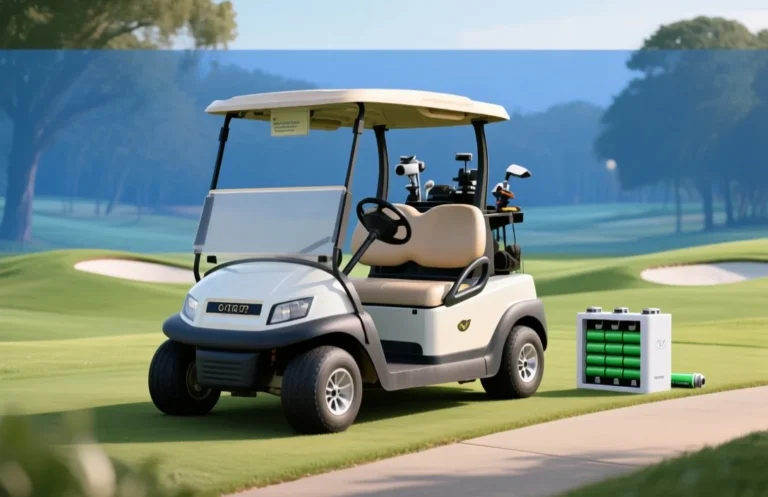
Equalization is a deliberate, controlled overcharge of a flooded lead-acid golf cart battery pack to balance cell voltages and dissolve accumulated sulfates.
In practice, many operators schedule it a few times per year, commonly every 3 to 6 months, but you should follow your battery manufacturer’s guidance and the capabilities of your charger.
Equalization improves cell balance by pushing current through lagging cells until voltages align. This helps dissolve sulfates and restore pack capacity, reducing long-term imbalances that shorten cycle life.
Regular charging replenishes energy without forcing a rebalancing of cell voltages. Equalization, by contrast, raises the pack voltage and lengthens the charging period to target the cells that lag, so it should be done only when warranted and with a charger that supports the higher voltage and monitoring to prevent overheating.
Equalization carries risks of heat, gas release, and electrolyte loss. Stop immediately if you see swelling, hissing, or smells of burned electrolyte, and consult the manual before attempting again.
| Battery type | Typical need for equalization | Notes |
|---|---|---|
| Flooded lead-acid golf cart packs | Often performed a few times per year | Follow manufacturer guidelines; ensure proper venting |
| AGM or gel packs | Usually not required | Consult manual; may void warranty if misused |
| Lithium packs | Not applicable in most cases | Use built-in cell balancing instead |
Battery types and equalization rules
Cadence depends on chemistry. Flooded lead-acid golf cart batteries typically require an equalization charge every 1 – 3 months with regular use. Sealed chemistries such as AGM or GEL, and most lithium packs, usually do not require equalization and may be harmed by it; always follow the manufacturer’s guidance.
Flooded lead-acid chemistry cadence
For flooded packs, the goal is to balance cell voltages and minimize sulfation and water loss. Frequency depends on cycling, charging practices, and environment, but a typical cadence is every 1 – 3 months if the cart is in regular service. Use the manufacturer’s exact voltage, duration, and safety guidance to avoid damage.
Manufacturer guidance for non-flooded types
Non-flooded sealed types such as AGM and GEL generally do not require equalization and some manufacturers forbid it. Overcharging a sealed battery can cause venting, electrolyte loss, and shortened life, especially if the cell chemistry cannot absorb the extra charge. If a manual mentions balancing, it is performed within a controlled charging profile specified by the maker.
Lithium golf cart packs rely on a BMS to balance cells or on a manufacturer supplied balancing routine. Manual equalization with an external charger is usually not advised and can void warranties. Always follow the battery maker’s instructions and use the recommended charger and charging profile.
Cadence guidance for common use
Equalization cadence depends on how hard the golf cart is used and the battery type. For typical flooded lead-acid packs used in golf carts, a light-to-moderate schedule is every 3 to 6 months, while heavy daily use may require every 1 to 3 months. Always align the cadence with water usage, voltage balance, and the manufacturer’s guidelines for your specific pack.
Safety steps during equalization
Pre-checks before starting are essential for safety and effective equalization. Verify the golf cart battery bank is free from swelling, leaks, or corrosion, and that venting paths are clear. Prepare the area by ensuring good ventilation, removing flammable materials, and putting on proper PPE before you connect the charger.
If any doubt remains about safety, stop the process and consult the battery manufacturer guidance before proceeding. Recheck all safety measures, verify the charger settings, and only resume charging after confirming that temperatures and voltages are within safe limits.
Charger settings for equalization

Regular equalization of flooded lead-acid golf cart batteries is scheduled rather than done ad hoc. A practical interval for active use is about every 1 to 3 months, with more frequent cycles if you see rapid water loss, high specific gravity differences, or noticeable voltage drift between cells. Do not apply equalization to sealed AGM or gel batteries, as overgas and swelling are common risks.
Quick Equalization Summary
Cadence is not universal; follow the battery maker’s specifications and your usage patterns. For most flooded lead-acid golf cart packs, equalization is typically considered every 1-3 months during heavy use, and every 3-6 months under normal to light use. Lithium-based packs generally do not require routine equalization.
When in doubt, start with the manual’s guidance and adjust for observed conditions such as voltage imbalance or dropping performance. Use a charger and settings that the maker approves, and ensure adequate ventilation during the process.
| Battery Type | Typical Cadence | Notes |
|---|---|---|
| Flooded Lead-Acid | 1-3 months (heavy use); 3-6 months (normal use) | Ventilate, monitor electrolyte levels, and avoid overcharging. |
| AGM / Gel Lead-Acid | Less frequent; follow manufacturer | Some models prohibit routine equalization unless specified. |
| Lithium Ion / LiFePO4 | Usually not required | Balancing handled by BMS; do not manually equalize unless explicitly advised. |
Safety reminder: Equalization can cause heavy gassing and heat buildup. Ensure good ventilation, supervise the process, and stop if you notice swelling, strong fumes, or abnormal temperatures. Use only the charger and procedures the maker approves.
When to consult the battery maker: if the manual lacks guidance, or you observe persistent voltage imbalance, unusual heat, swelling, or rapid capacity loss, contact the battery manufacturer or a qualified technician for a recommended cadence and procedure.
Quick Summary
For golf carts with flooded lead-acid batteries, equalize only when the manufacturer approves, and follow their documented interval for best results.
Frequently Asked Questions
How often should golf cart batteries be equalized to stay compatible with different chargers?
For flooded lead-acid golf cart batteries, a common guideline is to perform an equalization every 1 to 3 months during heavy use, and every 3 to 6 months under normal use. Always check the battery manufacturer’s manual for exact recommendations.
How often should equalization be performed to minimize heat and safety risks?
Use a temperature-compensated charger and monitor the pack during equalization; stop the process if the battery temperature approaches 60 C.
How often does equalizing frequency affect runtime or performance in a golf cart?
Equalization helps balance cells and can improve usable capacity over time, but gains are modest; you might see a a few percent improvement in range after several cycles.
What safety steps and common mistakes should I avoid when equalizing?
Never equalize a damaged or leaking battery and always use a charger with an equalize setting; monitor venting and heat during the process. A common safety limit is to avoid exceeding 2.75 V per cell during equalization for flooded lead-acid packs.
When replacing golf cart batteries, should I wait to see if equalization helps or replace all at once, and what buying mistakes should I avoid?
If the pack is 3-5 years old or shows capacity loss, replacement is often a better long-term choice than repeated equalization. Avoid mixing new and old batteries or buying mismatched sets; aim for a matched set of the same chemistry and age for best performance.