
How Long Do Golf Cart Batteries Last In Daily Use?
Your daily use decision comes down to the charger profile and cycle life. The spec that matters most is the battery type and its expected life under regular cycling. The common mistake is chasing bigger Ah ratings without respecting proper charging and water maintenance. Start by reading the battery label for type, lead acid, AGM, or gel, and the manufacturer’s recommended voltage and current, then match your charger to that spec.
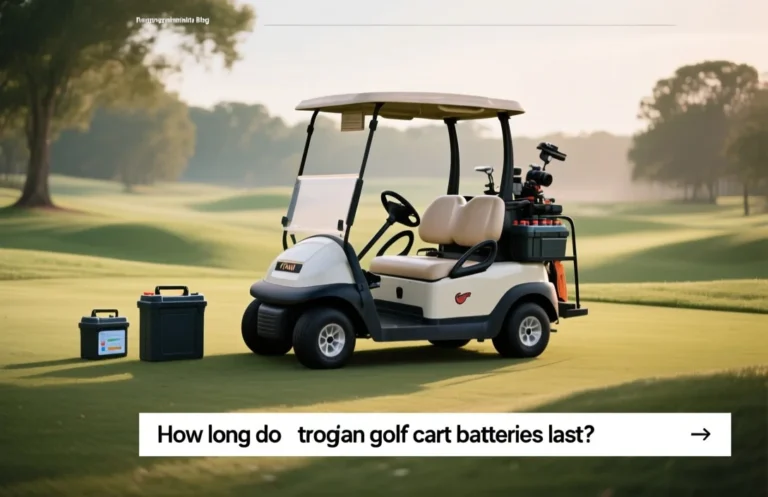
GOLF CART BATTERIES typically last about 3 to 5 years with daily use when you keep a proper charging routine, avoid deep discharges, and use water maintenance for flooded lead-acid packs. The exact life depends on battery type, temperature, and how often you cycle to near full discharge.
Capacity and Runtime Basics

Usable runtime follows energy capacity: more watt-hours mean more hours between charges, assuming similar driving conditions and load. To estimate daily usage, sum the propulsion energy and the accessory loads in watt-hours, then compare that total to the pack’s energy rating. Voltage sets compatibility and efficiency considerations, but the watt-hour figure is the practical energy measure you should use when planning.
Battery Types and Life Expectancy
In daily use, the chemistry chosen for golf cart batteries largely governs how long the pack stays healthy, with traditional flooded lead acid typically delivering fewer cycles unless maintained, while lithium options provide more cycles when charged and cooled correctly. Longevity depends on depth of discharge, temperature, maintenance cadence, and how closely you follow the manufacturer’s charging recommendations. Always check the exact cycle-life and warranty data from the maker for the specific cart model you own, since numbers vary by brand and design.
Charging Habits for Longevity

Daily use patterns drive the life of golf cart battery packs. Keeping discharged levels moderate and charging with the right voltage window reduces cycle wear and slows capacity loss. A cooler, well-ventilated charging area further protects longevity.
Best Charging Practices
For both lead-acid and lithium packages, the daily habit that matters most is avoiding deep discharges and starting a charge promptly after use. If the cart will sit idle, keep the state of charge in a middle range and check the battery health screen regularly. Use a charger that auto-terminates and offers temperature compensation, and perform any maintenance charging called for by the manual to maintain cell balance and prevent sulfation in flooded lead-acid.
Charger Match: Voltage & Current, Temperature and Ventilation
Choose a charger that matches the pack voltage and the chemistry, and ensure the charger has automatic cut-off and, if available, temperature compensation. Use a current that is a modest fraction of the pack capacity rather than a constant high rate, so heat stays under control and voltage climbs steadily toward full. Temperature matters: charging in high heat accelerates aging, while very cold charging can reduce acceptance and stress cells.
| Chemistry | DoD Focus | Charge Voltage (per cell) | Typical Charging Current | Ventilation / Temperature |
|---|---|---|---|---|
| Lead-acid (flooded/AGM) | Keep moderate DoD, avoid deep discharge | 2.3 – 2.4 V | Low to moderate, around 0.1C – 0.2C | Ventilate; avoid hot spaces |
| Lithium (LiFePO4) | Follow BMS guidance; higher tolerance, but avoid abuse | 3.6 – 3.65 V | Higher allowed if BMS supports | Less ventilation needed, but heat still hurts life |
Tip: If the pack sits unused for weeks, keep it topped up periodically to avoid sulfation on lead-acid cells.
Realistic Daily-Use Runtime
Actual daily runtime varies widely with terrain, speed, load, and weather. A practical estimate uses the energy capacity of the battery in watt-hours (Wh) and the cart’s typical drive power to calculate hours per charge, then translates that into expected daily miles. Because batteries age and temperatures swing, you should plan for a range rather than a single number.
In practice, estimate by comparing the battery’s energy capacity to the cart’s observed power draw under your usual conditions. Take your cart’s nominal voltage and Ah rating, multiply to get Wh, then divide by the typical watts drawn during your routine to get hours of operation per charge. That value, converted with your average driving speed and route profile, yields a realistic daily range that you can adjust over time as conditions change.
Safety, Heat, Swelling, Storage
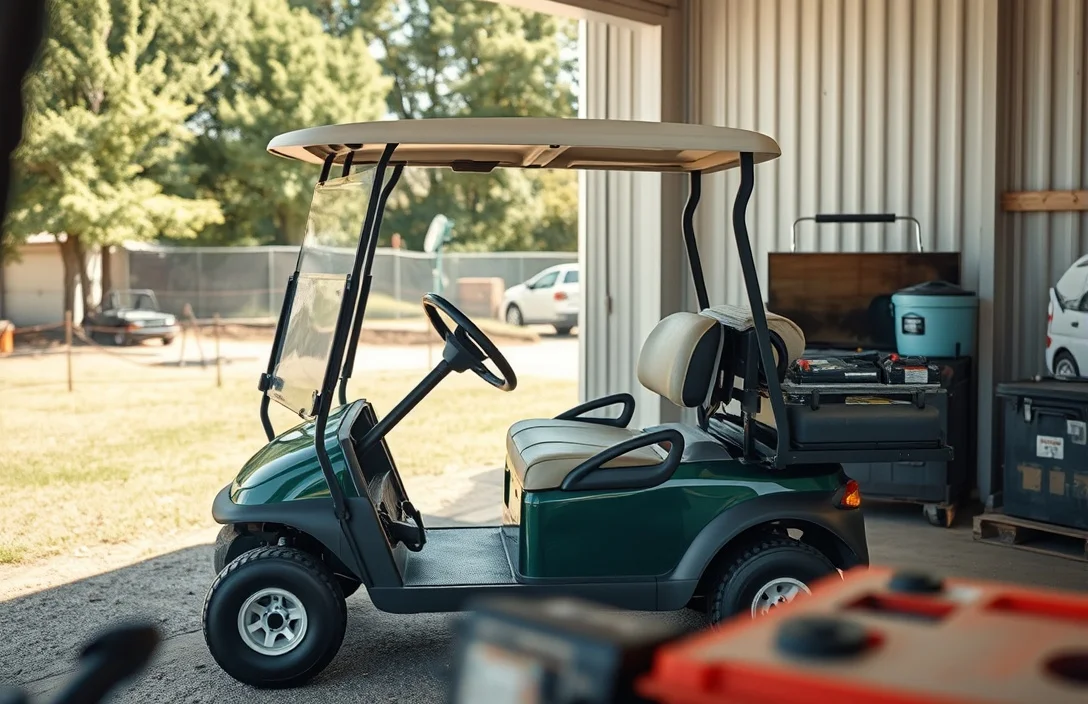
Heat and swelling are clear safety warnings for golf cart batteries. If the pack becomes hot during or after use, or you notice a soft or swollen case, stop using it and let it cool in a ventilated area away from flames. Continued exposure or ignoring these signs increases the risk of venting, leakage, or thermal runaway.
Proactive safety practices save money and reduce the risk of a dangerous incident. Keeping to storage guidelines and monitoring for heat or swelling gives you early warning before a failure becomes costly or dangerous.
Troubleshooting and Replacement Triggers
In daily use, golf cart battery packs typically last several years when you keep discharge depth modest, operate within safe temperatures, and charge with the correct equipment. Heat, deep discharges, and poor charging shorten life more quickly than age alone. Use this checklist to diagnose performance, confirm charging, and decide when replacement is needed.
Quick Summary
In daily use, golf cart batteries last several years with proper charging, maintenance, and sensible operation.
Frequently Asked Questions
How does charger compatibility affect how long golf cart batteries last with daily use?
Match the pack voltage and chemistry to your charger to avoid overcharge or undercharge that can shorten cycles. For most carts, use a charger rated for 36V or 48V and the battery type (lead-acid or lithium) you have.
What heat during daily use shortens golf cart battery life and how can you tell?
Keep charging temperature below 40C and avoid charging in direct sun or on hot surfaces, as high heat increases degradation. If the battery feels hot to touch during or after charging, stop charging and check ventilation and ambient conditions.
What is the typical runtime per charge for golf cart batteries in daily use, and what factors influence this?
Lead-acid typical 15-25 miles per charge in normal daily use, with lithium packs often delivering 25-40 miles under similar conditions. Expect shorter range on hilly terrain or extra weight, and longer range on flat terrain with lighter loads.
What safety practices help prevent premature battery failure in daily use, and what signals safety issues?
Avoid deep discharges and overheating to preserve cycles; keep flooded lead-acid water at the correct level and monitor temperature, especially during charging. If you notice swelling, strong odors, or venting, stop using the battery and inspect ventilation and service requirements.
What are common buying mistakes and replacement timing tips that affect how long golf cart batteries last in daily use?
Check warranty and expected cycle life, and replace when capacity falls below about 70 percent of the original; common mistakes include choosing the cheapest option, mixing chemistries in a pack, or ignoring manufacturer guidance. Lead-acid packs typically last 4-6 years with proper care, while lithium options can extend beyond 8-12 years.