How To Increase The Lifespan Of Electric Golf Cart Batteries?
The single decision that determines golf cart battery life is using a charger matched to the pack’s chemistry and voltage. The charging profile is the most important spec, not speed. A common mistake is plugging a generic charger into a 48V lead-acid pack or a lithium pack without the correct profile. The first label to check is the battery label for voltage and chemistry, then verify the charger matches that spec.
Charging profile is the key to longevity: keep lead-acid packs between 20% and 80% state of charge, and use a charger designed for that chemistry. For lithium packs, aim 10% to 90% when possible. Avoid deep discharges below 20% and long rests at 100% to prevent stress.
Golf Cart Battery Types
Lead-acid variants remain common in golf carts because of cost and repair familiarity. Flooded lead-acid needs water top-ups and vents, while AGM and gel chemistries reduce maintenance but still have shorter lifespans than modern lithium packs. Lithium options provide significantly longer cycle life and lighter weight, but they require careful charging and a functioning BMS to avoid rapid degradation.
Capacity, Wattage, Runtime Explained
Ah is the charge capacity of the pack at its nominal voltage, while Wh is the total energy stored. Wh = Ah × system voltage, so the same Ah rating at 36V yields different energy than at 48V. Using Wh lets you compare energy across configurations and better estimate runtime.
| Pack Voltage (V) | Capacity (Ah) | Energy (Wh) |
|---|---|---|
| 36 | 200 | 7200 |
| 48 | 200 | 9600 |
In practice, runtime varies with driving pattern. Short, hilly routes drain energy faster than long, flat sections. Monitor battery health and temperature to adjust expectations as the pack ages and to optimize charging timing for longevity.
Charger Compatibility Essentials
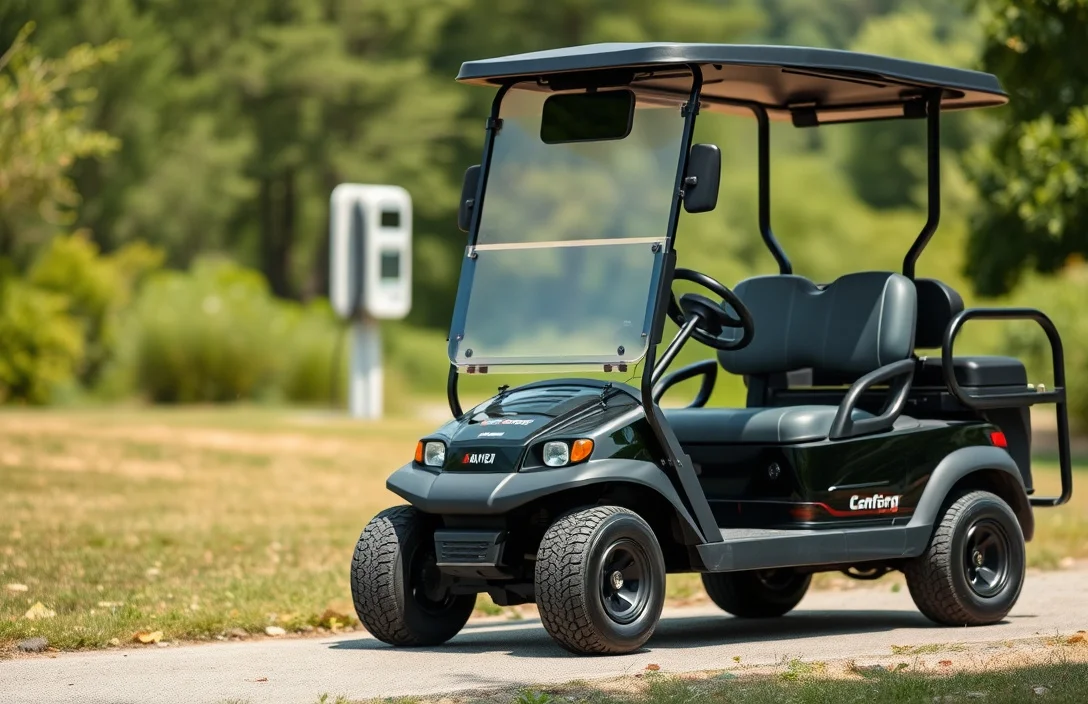
Correctly matching the charger to the golf cart pack keeps the chemistry within its designed charging window and avoids overstress that accelerates wear. Verify the charger output voltage aligns with the pack’s nominal voltage and that the current limit stays within the manufacturer’s recommended charge rate.
Tip: Safety and spec adherence beat convenience; a little due diligence now pays off with longer pack life.
Temperature & Heat Management
Temperature drives chemical reactions in battery packs. High ambient or pack temperatures accelerate electrolyte loss and plate corrosion, shortening cycle life, while excessively cold conditions reduce usable capacity. Keeping the pack within a manufacturer recommended range helps sustain performance and longevity.
Operating Temperature Range
Battery chemistry has an optimal window, commonly around 20 to 25°C (68 to 77°F) for consistent cycling. Pushing beyond 30°C (86°F) or letting packs freeze can increase internal resistance and accelerate degradation. For golf carts, avoid charging or discharging in extreme heat or cold, and check the pack specification for the exact range for your chemistry.
Cooling & Ventilation
Effective cooling keeps the pack temperature stable during use and charging. Restricted enclosures and blocked vents trap heat, raising peak temperatures and stressing cells. Ensure airflow paths are clear, add fans or vents if the setup requires, and regularly remove dust from cooling surfaces to preserve convection.
Daily Charging & Maintenance
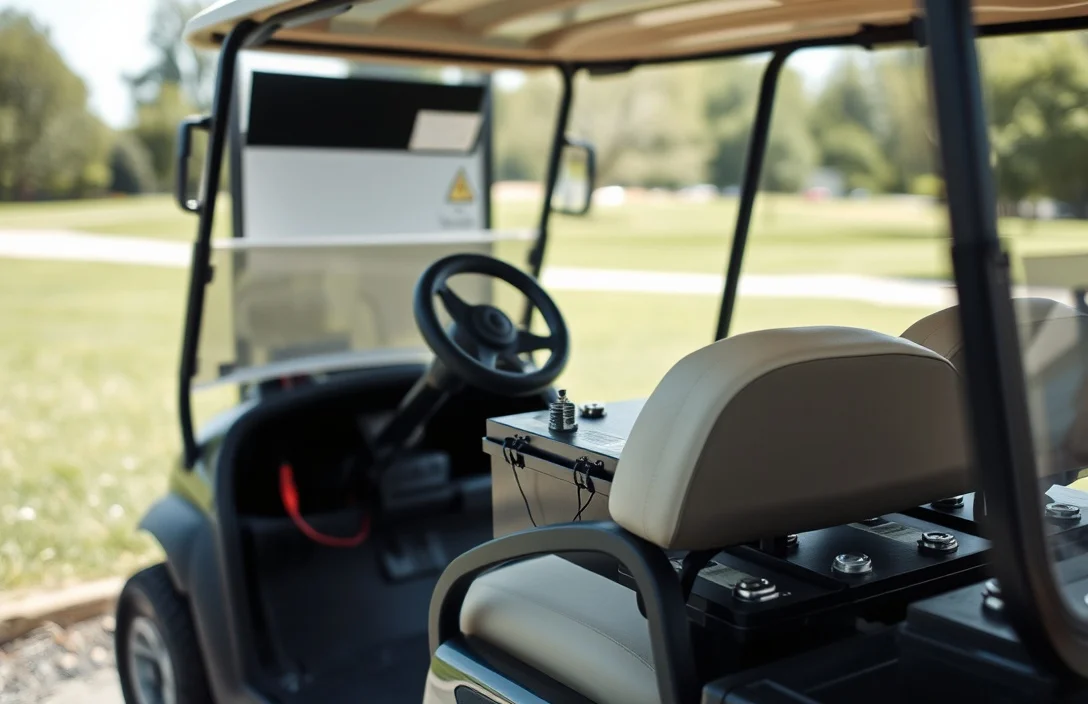
Smart charging habits reduce sulfation and heat buildup, two common drivers of capacity loss in golf cart battery packs. Use a charger that matches your chemistry, avoid leaving a full state of charge on the charger for extended periods, and monitor the pack after charging for any signs of imbalances.
Smart Charging Habits
Terminal & Watering Checks
Keep an eye on any signs of swelling, heat buildup, or unusual smell. If you notice these, stop charging and consult a technician – the pack may need attention or replacement.
| Battery Type | |||
|---|---|---|---|
| Flooded Lead-Acid | Yes, distilled water as needed | CC-CV with correct voltage; temperature aware | Ignoring water levels, loose terminals |
| AGM Lead-Acid | No watering required | Similar to flooded; ensure proper venting | Overlooking terminal cleanliness |
| LiFePO4 | Watering not required | BMS controlled, follow manufacturer voltage/current limits | Neglecting thermals or BMS alerts |
Storage & Replacement Signals
Keep idle golf cart batteries around 50% charged and in a cool, dry place to slow aging during downtime. Aim for ambient temperatures near 5 to 15°C and avoid freezing or overheating. Verify the area is stable and that the pack is disconnected from charging equipment until use.
Quick Summary
To maximize golf cart battery life, adopt steady charging, proper maintenance, and temperature awareness to minimize stress on the cells.
Frequently Asked Questions
Can I use a different brand charger with my electric golf cart battery, or upgrade to a higher amperage charger to extend life?
You should use a charger that matches your cart’s pack voltage and charging profile. For most golf carts the pack is 36V or 48V, so pick a charger rated for that voltage and the correct chemistry. Correct pack voltage (36V or 48V) must match your cart.
How does heat affect golf cart battery lifespan and how can I keep temperatures in a safe range?
High charging temperatures shorten battery life by accelerating aging. Keep charging temperature under 40°C and aim for a comfortable ambient range when possible. Keep charging temperature under 40°C.
How do charging frequency and depth of discharge affect cycle life, and what is a practical pattern to maximize life?
Frequent shallow cycles are gentler on batteries than deep discharges. Avoid discharging below 20% on a regular basis and consider keeping SOC in a mid range during daily use. Avoid discharging below 20% on a regular basis.
What safety steps should I take when maintaining golf cart batteries to avoid damage or hazards?
Protect yourself and the pack with proper ventilation and PPE, and never mix old and new batteries in a pack. Never mix old and new batteries to prevent uneven aging and failures.
When should I replace the batteries, and what buying mistakes should I avoid?
Consider replacement when capacity falls to about 70% of the original rating, and avoid buying mismatched or incompatible batteries. Replace when capacity drops to 70% of original.