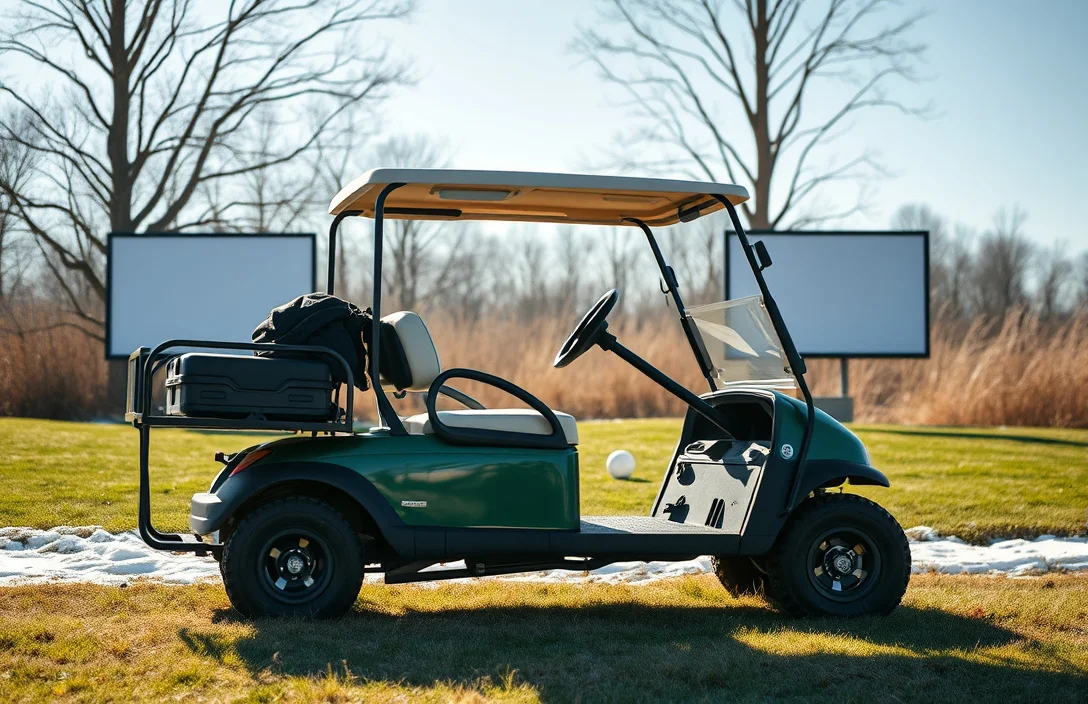
How Long Do Golf Cart Batteries Last After Sitting All Winter?
Keep it charged and you preserve the pack. The single most important spec when golf cart batteries sit all winter is their state of charge going into storage, not the cold weather itself. The common mistake is leaving a battery pack discharged for months. First label or setting to check: set the charger to float or maintenance mode so it stays topped up without overcharging.
How long golf cart batteries last after sitting all winter is typically 1 to 3 months if the pack was fully charged before storage and kept on a float charger. Stored cold or left discharged, expect faster degradation and potential sulfation requiring recharging, equalization, or replacement.
- 1
Winter Storage Effects on Golf Cart Batteries
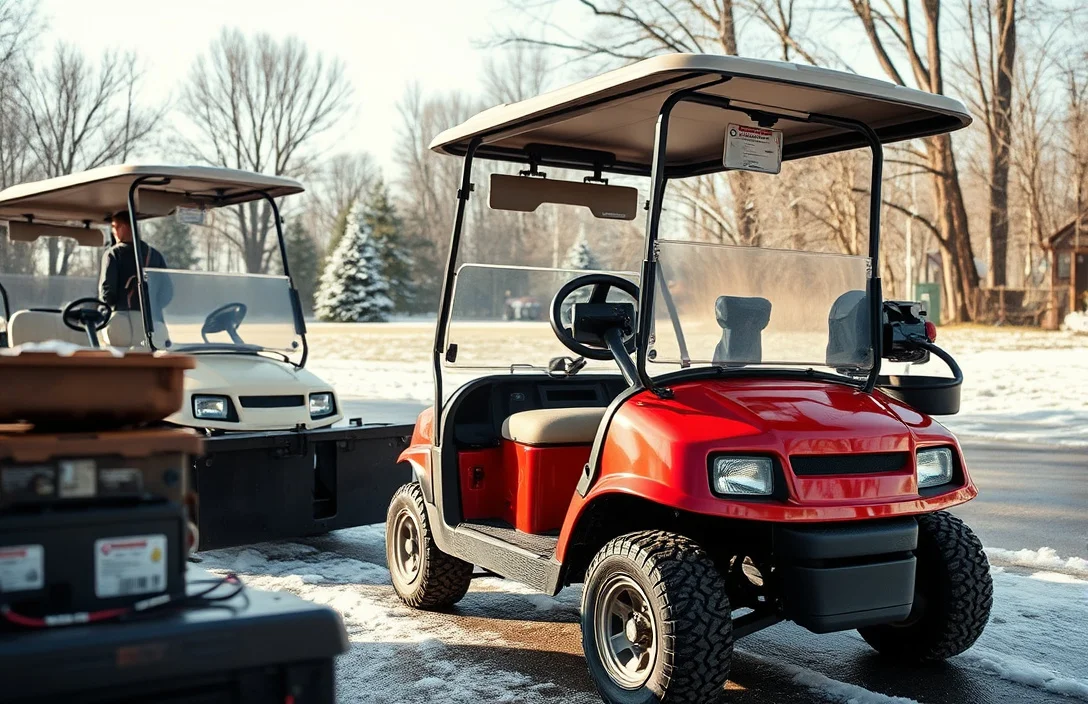
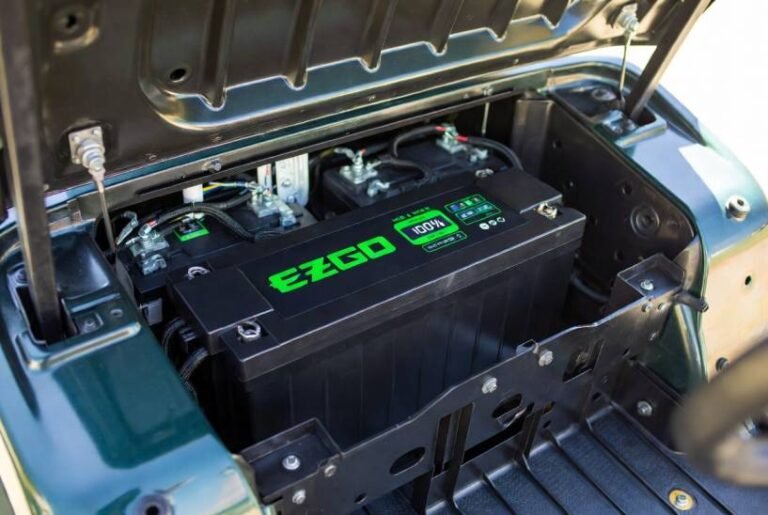
Sulfation risk rises during idle storage, stiffening lead plates and cutting usable capacity. Self-discharge and electrolyte changes reduce voltage and available amps even before you try to use the pack again. Flooded batteries show more electrolyte loss and plate shedding if left unmaintained, while sealed options are less dramatic but still drift when idle for months.
Storage notes: The rate of capacity fade depends on chemistry and storage conditions; periodic monitoring and gentle top-ups are often worth the effort to recover spring performance.
How Long Do They Last After Winter?
Real-world runtime after a winter idle varies widely because chemistry and the battery’s health drive usable capacity. They behave differently depending on whether the bank is flooded or sealed, and how storage conditions affected them. The label helps you estimate capacity, but actual runtime is usually less than the spec due to sulfation, self-discharge, and temperature effects.
Temperature and Storage State Matter
Moderate temperatures and a mid-range charge level help golf cart batteries age gracefully after a long idle period. Keeping flooded lead-acid or AGM packs in roughly 10-25°C (50-77°F) and around 50% state of charge slows sulfation and reduces unnecessary gassing. Extreme heat or cold accelerates aging and increases the risk of capacity loss.
Post-Winter Charging: Practical Steps
Left idle over winter, golf cart battery banks often suffer sulfation and moisture imbalance that reduce resting voltage and usable capacity. A careful, staged recharge with the correct charger for the bank chemistry is needed to revive them. Monitor temperature and voltage and avoid aggressive charging that can heat or damage the cells.
Safety Signals and Handling
After storage, a golf cart battery that warms to the touch or shows a visibly swollen case often indicates internal plate distress or gas buildup that can escalate under charging pressure. Do not charge or reconnect it to any system, and move the unit to a ventilated outdoor area while arranging for professional testing or safe disposal.
Diagnostics: Health Check After Storage
Healthy batteries show resting voltages near their full-charge reference for their bank size. If the resting voltage is notably lower after storage, sulfation or aging has likely occurred, and a load or capacity test will be needed to decide on reuse or replacement.
Resting voltage is measured after the pack has rested for several hours with no charger connected. For common golf cart configurations, expect about 6.3V per 6V block or about 8.4V per 8V block when the pack is healthy, and about 12.6V for a 12V reference segment. If blocks read significantly below these values, expect reduced capacity or sulfation as a likely cause.
| Bank type | Healthy resting voltage (approx) | What a low reading suggests |
|---|---|---|
| 6V block | ~6.3V when fully charged | Below ~6.0V indicates aging or sulfation risk |
| 8V block | ~8.4V when fully charged | Below ~7.8 – 8.0V signals trouble |
| 12V system (series of cells) | ~12.6V full | Below ~12.0V shows significant discharge or sulfation |
Two practical checks quantify health: a controlled load test and a capacity test. A simple load test drags a known current for 15 to 30 seconds and watches the voltage drop and recovery; a steep drop or failure to rebound signals weak cells. A capacity test discharges at a defined rate until the minimum voltage is reached and measures the actual amp-hours delivered; compare that to the rated capacity to gauge remaining life.
In practice, if you lack a professional tester, rely on a combination of resting voltages and a cautious load test to guide decisions. For accurate results, perform the tests after the pack has rested and is within safe temperature range.
Note: If any block shows a markedly uneven voltage compared with its peers, or you see swelling, leaks, or excessive heat during charging, stop using the pack and seek professional evaluation.
Signs of sulfation, plate wear, or low electrolyte can appear in several forms. Sulfation often shows as a stubbornly low resting voltage and slow or incomplete charging. Plate wear manifests as rapid voltage drop under load and poor recovery, sometimes with uneven performance across banks. Low electrolyte is visible as low fluid levels, crust buildup near vent caps, or corrosion at connections, and it can accelerate capacity loss if not corrected.
Use the test results to decide whether to proceed with a recharge and cautious reuse, perform a targeted reconditioning, or retire one or more blocks. Document resting voltages, load responses, and any electrolyte observations to track aging across storage seasons.
Replacement Triggers and Safe Disposal
Replacement is usually warranted when repeated voltage sag, capacity loss, or failure to hold a charge persists after winter storage. If the pack remains under the original warranty, file a claim with the dealer or manufacturer for a replacement. Outside warranty, compare replacement options and total ownership costs before deciding.
Quick Summary
After sitting all winter, golf cart batteries may lose charge and sulfation may develop, so test and recharge before use.
Frequently Asked Questions
How long can golf cart batteries last after sitting all winter before their capacity noticeably drops?
If you store them at about 50-80% state of charge in a cool place, you can expect to retain most capacity for 3-6 months; beyond that risk of sulfation grows and performance declines.
Does heat during winter storage shorten the time golf cart batteries last after sitting all winter?
Yes. Heat accelerates aging of lead-acid cells, so keeping storage under 85°F and avoiding large temperature swings helps preserve life and return performance in spring.
What safety checks should you perform to know if a golf cart battery pack survived winter?
Inspect for cracks, leaks, or swelling and do not attempt to charge if you see anything abnormal. If you notice any swelling, venting, or corrosion, remove from service and have the pack tested or replaced.
When should you replace golf cart batteries after they have sat idle for winter?
Most deep-cycle golf cart batteries have a typical life of 4-6 years; if you observe persistent capacity loss after winter that cannot be recovered with proper charging, plan replacement.
What buying mistakes should you avoid when replacing batteries after a winter storage period?
Avoid mixing old and new packs or buying car starter batteries instead of true deep-cycle golf cart batteries. Look for the right voltage and a warranty of at least 1 year on deep-cycle batteries to cover early failures.