Does Frequent Charging Damage Golf Cart Batteries?
Pairing the charger with the battery type is the safety decision you want to get right. The most important spec to check is the charging profile, which controls voltage and cutoffs. The common mistake is using a generic charger or leaving the system on charge after full. Start by checking the battery label and the charger’s profile first.
Frequent charging does not inherently damage golf cart batteries when you use a charger matched to the pack, avoid prolonged high state of charge, and rely on the charger’s automatic cutoff that stops at 100 percent. Keep temperatures safe and do not force fast charging beyond the battery’s design. Daily top ups are fine.
Does Frequent Charging Hurt Golf Cart Batteries?
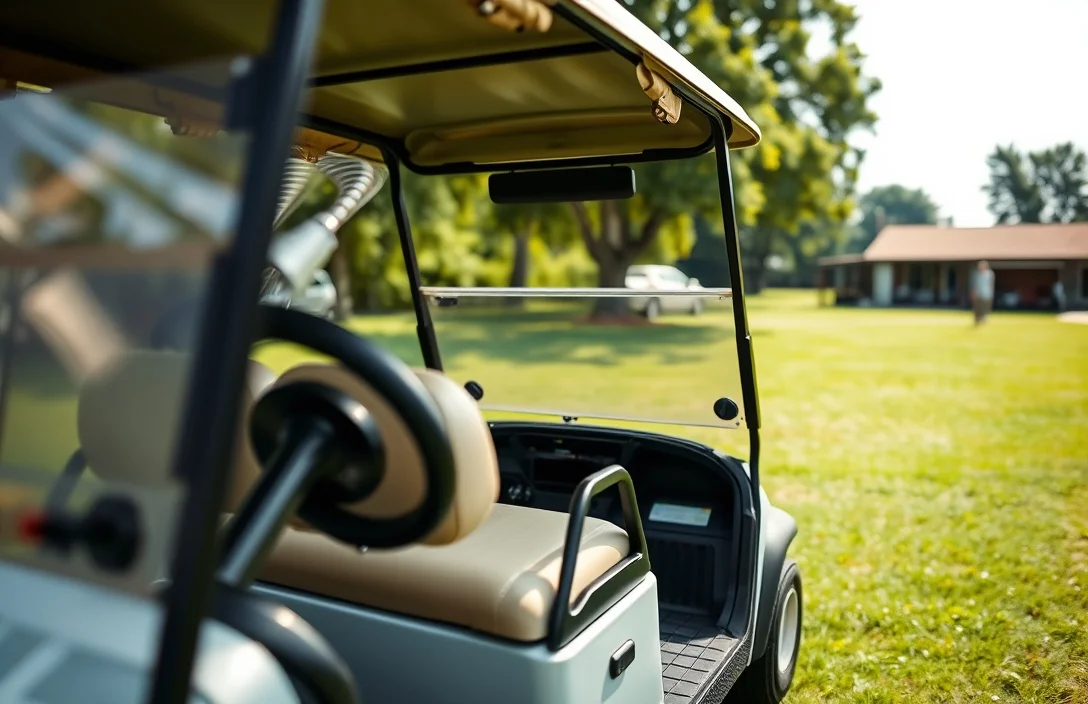
Frequent charging does not inherently damage golf cart batteries when you use the right charger for the battery chemistry and keep temperatures in check. The real risks come from using the wrong charger, overheating, or leaving the pack at extreme states of charge for long periods.
Golf Cart Battery Chemistry Basics
Different golf cart battery chemistries respond to charging in distinct ways. Frequent top-ups are generally fine when you use the charger that matches the chemistry and stays within the designed voltage window. With the right charger, frequent charging is not inherently harmful and can help maintain capacity.
| Chemistry | Cell Voltage | Common System Voltage | Notes |
|---|---|---|---|
| Flooded Lead-Acid | 2.0 V | 36 V or 48 V | Traditional, cost-effective; requires venting and water maintenance for non-sealed variants. |
| AGM Lead-Acid | 2.0 V | 36 V or 48 V | Sealed variant with reduced venting; maintenance-free but still voltage-sensitive. |
| Gel Lead-Acid | 2.0 V | 36 V or 48 V | Sealed and gas-minimized; sensitive to overcharging. |
| LiFePO4 | 3.2 V | Typically 51.2 V nominal (16S) or 48 V class packs | Long cycle life; requires BMS and lithium-compatible charger. |
Charging Profiles: Float vs. Absorb
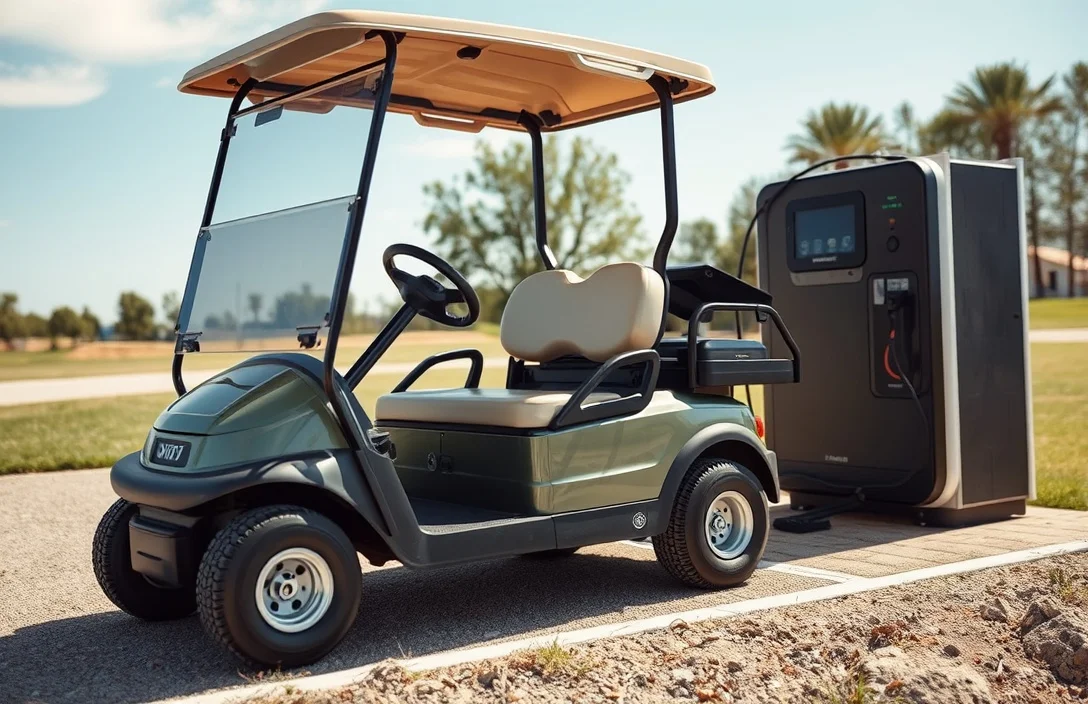
Frequent charging is not inherently harmful when the charger keeps voltages in check and transitions between stages automatically. A proper golf cart charger cycles through bulk and absorption to reach full charge, then holds a safe float to prevent overcharging. This approach minimizes sulfation risk and water loss in flooded batteries while preserving capacity over many cycles.
| Stage | Purpose | Typical Behavior | Notes |
|---|---|---|---|
| Bulk | Put most capacity in fast | High current, rising pack voltage | Monitor temperature; avoid extended high-current exposure |
| Absorption | Finish charging safely | Voltage held, current tapers | Ends when current falls to a low threshold |
| Float | Maintenance and readiness | Low voltage, minimal current | Keeps battery usable without overcharging |
| Equalization | Balance cells where needed | Occasional higher-voltage pulses | Only for flooded cells per owner manual |
When a float stage is used, it shields the pack during idle periods and reduces ongoing gassing compared with leaving the charger in absorption. This is especially important for flooded lead-acid batteries where water loss can occur with prolonged high-voltage exposure. Temperature compensation may adjust float levels to keep voltages safe in hot or cold conditions.
Equalization cycles are not routine for every pack. They are a deliberate maintenance step when the chemistry and design support it, and they should follow the manufacturer’s schedule to avoid water loss or venting issues.
Safety note: If you notice swelling, overheating, or unusual venting, stop charging and inspect the battery and charger configuration before continuing.
Charging Frequency and Lifespan
Frequent topping off with the right charger does not inherently harm golf-cart batteries. Cycle life is driven more by discharge depth, temperature, and charging rate than by the frequency of replenishing the charge.
Heat Effects on Battery Health
High charging temperatures speed up chemical aging in golf cart batteries, especially during frequent top ups in hot environments. The heat raises cell temperatures, increases internal resistance, and shortens cycle life over time. Swelling, venting, and safety cues become more likely when charging runs hot.
Keeping charging temperatures in the optimal range is the most effective way to extend golf cart battery life over many cycles.
Charger Compatibility and Amperage
Frequent charging is not inherently harmful when the charger matches the pack voltage and chemistry and uses proper termination. The important factor is using a charger designed for the battery type and monitoring temperature to prevent overheating. A mismatch or a charger without automatic taper can accelerate wear.
Match voltage and chemistry: Match the charger’s output to the battery’s chemistry and pack voltage. Lead acid, AGM, gel, and lithium require different end voltages and charging profiles.
Charging rate and C-rate basics: The charger current should stay within the battery manufacturer’s recommended range. Higher rates speed up charging but generate more heat and can shorten cycle life if not controlled or monitored. A smart charger can limit this automatically while charging at a safe rate.
Smart chargers vs fixed-output units: Smart chargers actively monitor voltage, current, and temperature and taper as the pack approaches full. Fixed-output units push a constant current or voltage that may overcharge without protection or cut back on maintenance modes. Look for auto maintenance or float charging when the pack is idle.
Cables, connectors, and port compatibility: Choose cables and connectors that match the charger and pack and avoid damaged or undersized leads. Check the current rating of the cables and ensure tight, clean connections to minimize heat and voltage drop.
Best Practices for Daily Charging
Frequent charging does not inherently shorten pack life when you use a charger matched to your golf cart’s chemistry and follow safe limits. Modern chemistries and BMS monitor voltage and temperature to prevent overcharging, but charging outside recommended ranges can accelerate wear.
Quick Summary
Frequent charging does not inherently damage golf cart batteries when you use proper charging practices and the right equipment.
Frequently Asked Questions
Does frequent charging affect compatibility between golf cart batteries and chargers?
Frequent charging does not change charger compatibility as long as you match the pack voltage and chemistry. Match the charger to the correct voltage (36V/48V typical) and use a charger with automatic termination.
Can frequent charging cause golf cart batteries to overheat and what safety thresholds apply?
Yes, charging at high current or in a hot environment can raise battery temperature. Target a charging rate of about 0.1C to 0.2C and ensure good ventilation, and stop charging if the surface temperature approaches 60°C.
How does frequent charging impact the runtime of a golf cart battery pack?
Keeping the pack at a higher state of charge with frequent charging can improve usable runtime on a given day, but total runtime is still limited by pack capacity and motor load. Runtime is driven by energy in the pack and usage pattern, not by how often you top up.
Is frequent charging safe for golf cart batteries, and what safety steps should I follow?
Yes, frequent charging is safe when you use a charger designed for your battery, provide adequate ventilation, and avoid charging in a confined space that can trap heat. Always use the correct voltage charger and monitor temperature; stop charging if you see heat above about 60°C.
How often should I replace golf cart batteries if I charge frequently, and what buying mistakes should I avoid?
Most flooded lead-acid golf cart batteries last about 4 to 6 years with proper charging; frequent top ups do not prevent replacement, but avoid cheap or non compatible batteries. Look for batteries with proper warranty and compatibility with your charger.