
Gel Vs Lithium Golf Cart Battery Lifespan
Gel vs lithium golf cart battery lifespan comes down to matching the advice to your situation instead of following a generic checklist. I will focus on the main decision points, the tradeoffs that matter most, and the practical next steps you can use before spending time or money.
Gel vs Lithium Basics
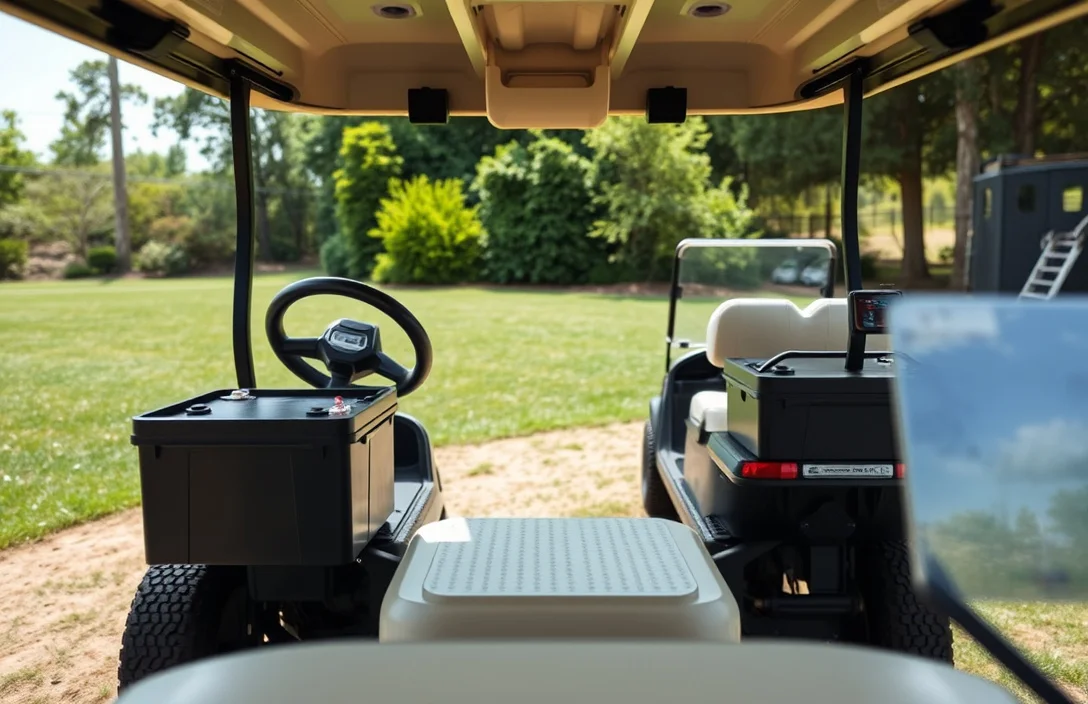
Gel lead-acid batteries in golf carts generally offer lower cycle life and higher maintenance needs than lithium iron phosphate. LiFePO4 cells deliver a longer cycle life, higher usable depth of discharge, and lighter weight, translating to longer life and better efficiency under similar use. Your choice affects maintenance schedules, downtime, and total cost of ownership, with Gel delivering lower upfront cost and LiFePO4 delivering longer service life and simpler upkeep in demanding use.
Key Lifespan Factors
Cycle count and depth of discharge are the primary lifespan determinants for golf cart batteries. Temperature and storage conditions speed or slow aging, while charging regime and maintenance practices determine how cleanly the chemistry ages. Gel batteries are more sensitive to high DoD and heat, while lithium packs tolerate deeper discharges and wider temperature swings but rely on a proper battery management system to prevent calendar aging.
Discharge Depth and Life

Deeper discharges shorten the life of gel golf-cart batteries more than lithium packs. Gel cells are susceptible to sulfation and capacity loss when regularly drained toward empty, which accelerates aging. Lithium-based packs tolerate deeper DoD with a much longer cycle life, so DoD is less of a life-limiter for them.
Gel DoD sensitivity: Gel cells respond poorly to deep DoD; each deep cycle trims capacity and shortens lifespan more noticeably than with lithium. Keeping the DoD shallow helps preserve available capacity and reduces aging speed. This makes DoD management a key daily habit for gel-based fleets.
Lithium DoD resilience: Lithium packs tolerate deeper discharge with far less impact on cycle life; you can use larger portions of the rated capacity without the same rate of degradation.
In practice, many users cycle to 80 – 90% DoD without trouble, provided the system has a proper BMS. Still, avoid leaving the pack at 0% DoD or in a fully charged state for extended periods, as prolonged extremes can wear cells.
Temperature and Storage
High ambient temperatures accelerate aging in both gel lead-acid and lithium golf cart batteries, reducing usable life and increasing the risk of capacity fade. Cold environments reduce available capacity and charging efficiency, and long storage in freezing conditions can cause irreversible damage. With moderate temperatures and a sane state of charge, both chemistries last longer, but each has its own sensitivities.
Gel types are notably sensitive to heat, where sustained high temperatures speed electrolyte breakdown and plate sulfation, leading to faster capacity loss. Lithium packs age primarily through heat driven degradation of the cell chemistry and safety risks if abused, but they tolerate brief heat spikes better and recover more gracefully from cold when woken up by a charger.
In practice, storage and operation should stay out of direct sun and avoid extreme temperatures, using manufacturer guidance where possible.
Periodic inspections before the season starts help verify health verify that vents are intact, cables are not damaged, and the place is dry and cool. If a battery shows persistent capacity loss, reduced charging efficiency, or frequent voltage sag, plan a replacement or professional service rather than pushing through another season of use.
Charger and Voltage Needs

Charging profiles must match chemistry: gel lead-acid uses a multi-stage CV profile with a final float stage, while lithium packs use a CC-CV profile controlled by a BMS. Mismatch wastes energy, adds heat, and accelerates capacity loss, shortening lifespan. Always verify charger compatibility with the pack chemistry and voltage before connecting.
Lead-acid gel charging profile typically follows a three-stage rhythm: bulk at high current, absorption to finish charging, and float to maintain readiness without overcharging. The charger should manage these stages with voltages appropriate for a gel cell and terminate at a safe float level to prevent water loss and plate stress.
Lithium charging profile relies on CC-CV charging with tapering current and a hard end voltage set by the BMS. The BMS protects each cell from overvoltage and from imbalance; the charger should provide controlled current early and let the BMS balance as needed. Avoid chargers that force high current or exceed the pack end voltage without BMS protection.
| Charger verification point | Gel lead-acid | Lithium LiFePO4 |
|---|---|---|
| End-of-charge guidance | Multi-stage CV with float | CC-CV with per-cell limit managed by BMS |
| Required charger type | Lead-acid multi-stage charger | CC-CV charger compatible with LiFePO4 and BMS |
| Current limits | Set by manufacturer, avoid high inrush | Controlled by BMS and pack rating |
| Temperature compensation | Often specified | May be required by BMS or charger in cold or hot conditions |
Warning: using a charger not labeled for the pack chemistry can push voltages or currents outside safe ranges, increasing heat and accelerating degradation.
In practice, choose a charger with a chemistry-specific mode, verify the output voltage matches the pack, and ensure the current limit aligns with the BMS and battery rating. Keep charging in moderate temperatures and avoid aggressive fast charging for longevity.
Real-World Golf Cart Scenarios
In typical golf-cart service, lithium-based packs generally outlast gel in everyday cycles, and they weigh far less, improving efficiency and performance. Gel packs age more quickly under frequent deep discharges and hot conditions, reducing usable capacity over time.
Common pack sizes you’ll encounter include 6V and 8V lead-acid configurations in older carts, and 12V lithium blocks assembled with a BMS in newer installs. Lithium adaptations usually require a compatible charger and may involve reworking the pack mounting.
| Aspect | Gel Lead-Acid | Lithium (LiFePO4 or similar) |
|---|---|---|
| Weight | Heavy, adds load to chassis | Significantly lighter, improves efficiency |
| Maintenance | Low water maintenance; periodic checks | Requires BMS and proper charging profiles |
| Cycle life (qualitative) | Moderate; fades with deep discharges | Usually longer; performance degrades slower with proper use |
| Safety considerations | Low risk if intact, venting can occur if abused | Requires proper thermal management and protection against overcharging |
Upgrade paths from gel to lithium are common but require planning. A phased approach helps manage cost, downtime, and compatibility with existing chargers and mounts.
Safety note: never mix old gel packs with new lithium packs in one system, and always use a charger that supports the chemistry installed. Monitor for unusual heat, swelling, or foul smells, and replace immediately if any warning signs appear.
In practice, a fleet that operates daily in warm weather benefits from lithium’s longer life and reduced weight, which translates to lower maintenance and better performance over time.
For instance, a club-heavy cart used for back-to-back rounds can justify the higher upfront cost of lithium due to extended cycle life and fewer mid-season replacements.
Replacement Triggers and Costs
End-of-life indicators differ by chemistry. Gel lead-acid golf cart packs typically show permanent capacity loss and pronounced sulfation signs after years of use, and their charge acceptance deteriorates even with proper charging cycles; lithium packs reveal swelling, rising internal resistance, and BMS warnings as they near the end of life. Overall, cost of ownership til replacement favors the longer-lived lithium option when you include maintenance, charging efficiency, fewer replacements, and potential safety benefits, even if the upfront price is higher and the charging infrastructure requires careful compatibility checks.
Quick Summary
Gel golf cart batteries generally offer lower total lifespan under typical use than lithium options, but charging habits and maintenance matter.
Frequently Asked Questions
Are gel lead-acid and lithium golf cart batteries interchangeable with the same charger and controller?
You cannot assume compatibility; gel and lithium require different charging profiles and controller logic. Look for a charger and BMS rated for the specific chemistry and check the battery spec sheet before pairing them. Different charging profiles make them incompatible with identical chargers.
How does temperature or heat impact gel versus lithium golf cart batteries and their lifespan?
Excessive heat reduces lifespan for both chemistries, especially during charging and high-load periods. Lithium batteries tend to tolerate temperature swings better, but prolonged heat still degrades capacity, while gel batteries are more sensitive to heat during charging. Excessive heat reduces lifespan for both chemistries.
Which chemistry provides longer usable runtime for a golf cart, and how should I compare the label specs?
Lithium typically provides more usable capacity and lighter weight, which translates to longer runtime for the same cart use. When comparing labels, look for usable capacity, depth of discharge language, and cycle-life notes rather than just total Ah. Lithium typically provides more usable capacity.
What safety considerations should I know when charging or using gel versus lithium golf cart batteries?
Gel batteries are generally non-spillable and safer in basic handling, but they still require proper charging to avoid gassing. Lithium requires a proper BMS and a charger that supports Li chemistry, and mischarging can trigger safety issues or thermal events. Lithium requires a proper BMS and Li-specific charger.
What are the common buying mistakes when upgrading to lithium or choosing gel for a golf cart, and when should you replace to maximize lifespan?
Avoid common mistakes like mixing chemistries in the same system and buying capacity far below your cart’s load needs. Always verify the charger and controller compatibility, warranty terms, and whether the pack supports your desired depth of discharge. Do not mix chemistries in the same system.