
How Storage Affects Golf Cart Battery Life?
Keep golf cart batteries at about 50 percent state of charge when you store them for more than a few weeks. The single most important spec is SOC during storage, not the charger or the brand. The common mistake is leaving a full 100 percent charge or a fully discharged pack for months, which accelerates sulfation and capacity loss. First, check the pack’s current SOC on the gauge or resting voltage and bring it to roughly 50 percent if needed.
Storage conditions determine life: a golf cart battery stored fully charged or fully discharged in heat ages plates faster and can reduce capacity over months. Keep about 50 percent SOC and store in a cool 50 to 70 °F space, with a check recharge every 1 to 3 months to prevent deep discharge.
Storage Essentials for Golf Cart Batteries
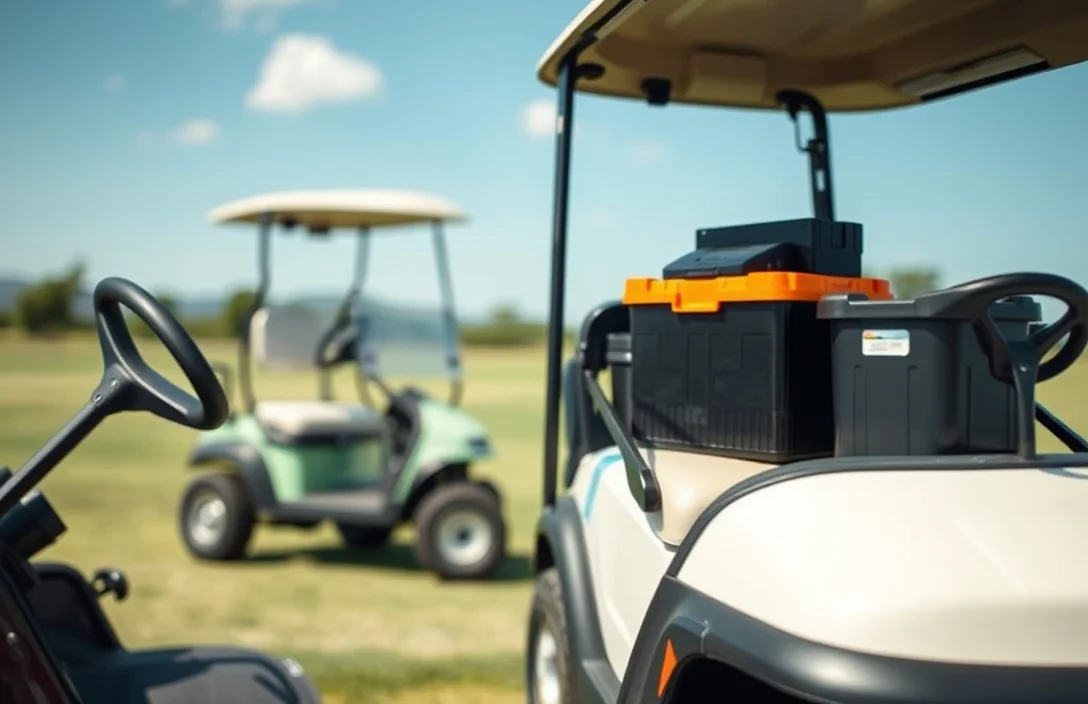
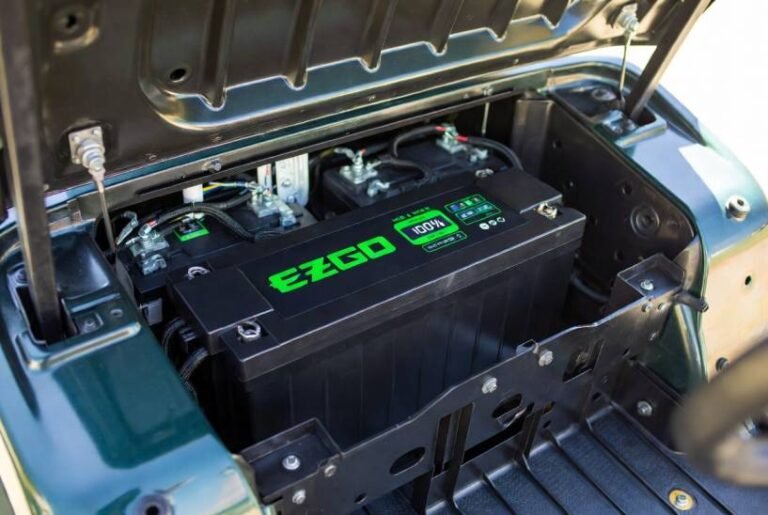
Storage conditions determine how fast golf cart batteries age and how much capacity remains when you need them. Temperature, humidity, and the charge level during idle periods drive sulfation, electrolyte loss, and terminal corrosion. Keeping packs dry, clean, and at an appropriate state of charge for the chemistry slows aging and preserves usable life.
Battery formats used in golf carts include flooded lead-acid blocks, absorbed glass mat (AGM) packs, gel sealed cells, and lithium iron phosphate (LiFePO4) modules. Flooded cells require ventilation and periodic electrolyte checks; AGM and GEL are sealed and handle storage with less moisture risk but still need a reasonable charge and temperature control. LiFePO4 stores best at moderate SOC and cooler temperatures, and it shows slower capacity fade when stored in the 40 – 60% range.
Baseline targets for storage are simple: keep the pack charged to a safe level for the chemistry, dry, and free of corrosion. The following quick reference shows typical guidance by chemistry, but always verify with the battery manufacturer.
| Chemistry | Target SOC for storage | Recommended storage temp | Notes |
|---|---|---|---|
| Flooded lead-acid | About 50% | 20 – 25 C (68 – 77 F) | Ventilate area; avoid long-term full discharge; check electrolyte level if accessible. |
| AGM | About 50 – 60% | 20 – 25 C | Sealed; less moisture loss; inspect terminals for corrosion. |
| Gel | About 50% | 20 – 25 C | Keep out of direct sun; stable temp helps prevent dome pressure buildup. |
| LiFePO4 | 40 – 60% | 0 – 25 C | Better storage tolerance; avoid extremes and full charge for long periods. |
Temperature Effects on Battery Life
High storage temperatures accelerate chemical aging and increase safety risks for golf cart batteries. Heat can cause internal gas buildup, swelling, and faster wear, while cold storage reduces capacity and starting power.
State of Charge for Storage
Keep golf cart batteries at about 50% charge when idle for long periods. This middle-ground level reduces sulfation risk in flooded lead-acid cells and minimizes voltage stress on lithium-based packs, slowing capacity fade.
Discharge during storage is risky. Leaving the pack too low or fully charged for long periods accelerates aging and can hinder reconditioning when you resume use.
Refresh timing matters for idle packs. The interval depends on chemistry, storage temperature, and pack age.
In practice, check SOC every 1 to 3 months and top off to the target range if drift occurs. Use the appropriate charger for the pack type during each refresh to avoid overcharging.
For example, a cart with flooded lead-acid batteries stored in a cool, dry shed benefits from a brief top-up after 4 – 6 weeks of inactivity, even if the gauges still show a reasonable level. This small maintenance step reduces progressive sulfation and helps ensure a smoother return to use.
Storage SOC recommendations by chemistry
| Chemistry | Target Storage SOC | Refresh Interval |
|---|---|---|
| Flooded Lead-Acid | About 50% | Every 1 – 3 months |
| AGM / Sealed Lead-Acid | About 50 – 60% | Every 1 – 3 months |
| Lithium-ion (if used) | 40 – 60% | Every 3 – 6 months |
Storage environment and safety matter just as much as the SOC target. Keep the area cool and dry, away from direct sun or heat sources, and avoid long periods with cables or connectors under load. Use a smart charger that supports float and automatic reconditioning, and disconnect charging leads once the target range is reached to limit unnecessary aging.
Chemistry Matters: Lead-Acid vs Li-ion
Long storage of golf cart packs favors a mid range SOC and cool conditions. Flooded lead-acid packs fare best around 50% SOC during long downtime, stored in a dry, ventilated space and away from freezing. Lithium based packs prefer about 40 to 60% SOC and a cool, stable temperature, with the BMS actively managing voltage and balance.
Reading labels and following the storage guidance helps preserve capacity and avoid premature aging. The differences between chemistries come down to how voltage, temperature, and electrolyte behavior interact with long term siting and self-discharge.
| Chemistry | Storage SOC target | Ideal storage temperature | Maintenance during storage | Key risks if mis-stored |
|---|---|---|---|---|
| Flooded lead-acid | About 50% to minimize sulfation | 10 – 25 C (50 – 77 F) | Keep electrolyte levels in range, disconnect from loads, recharge every 1 – 3 months | Sulfation, electrolyte loss, plate corrosion |
| AGM/GEL lead-acid | Similar 50% range, avoid deep discharge | 10 – 25 C | Recharge every 3 – 6 months; follow manufacturer guidelines for venting and top-ups | Capacity loss from aging or overcharge, venting issues if abused |
| Lithium ion | 40 – 60% SOC | 0 – 25 C, avoid freezing | Keep BMS active, avoid long periods at full charge; periodic top ups | Calendar aging, swelling, capacity fade if stored hot or at high SOC |
Storage decisions should align with the pack chemistry and temperature exposure. High ambient heat accelerates aging, especially for Li-ion, and repeatedly leaving a lead-acid pack near full charge can increase water loss in flooded cells.
Reading battery labels for storage guidance
Charging Rules During Storage
Keep stored golf cart packs on a charger that matches their chemistry and voltage, and use a maintenance mode to hold a safe state of charge. For long storage, float or top-off charging at a low current is safer than leaving the pack on a high-current charger; temperature and voltage should be checked periodically.
| Chemistry | Storage Target Voltage (pack) | Notes |
|---|---|---|
| Lead-acid (typical 48V pack) | Float around mid-50s volts (roughly 54 – 55V) | Keep electrolyte level checked; ensure ventilation. |
| Li-ion (typical 48V pack) | Storage SOC 40 – 60%; full charge around 58.4 – 58.8V | Use BMS and avoid high ambient temperatures. |
Safety: never seal a storage area; gassing from flooded cells increases fire risk. Use a charger with overcharge protection and temperature sensing, and disconnect if you smell smoke or see swelling.
For example, a 48V flooded lead-acid pack stored in a cool workshop benefits from a smart float charger set to maintain around 54 – 55V, with the vent caps checked and the area ventilated when the pack is on charge.
Long-Term Storage Protocols
Stored golf cart batteries age passively. Sulfation forms when plates sit at partial charge, and heat accelerates grid corrosion and electrolyte loss. Keeping the bank cool, shaded, and around the mid SOC slows aging and preserves usable life.
Pre-storage inspection and cleaning sets the baseline for long seasons away from use. Address leaks, corrosion, and weak connections now to prevent hidden degradation during storage.
Environment setup focuses on airflow, humidity, and shade. Proper ventilation reduces gas buildup in vented batteries, and stable temperatures slow chemical aging.
Maintenance cadence: monthly checks and reconditioning needs. Regular touchpoints reduce surprises when you bring the bank back online.
Note: if you detect strong gas smells, heat buildup, or swelling, move the bank to a ventilated area and reassess storage conditions immediately.
| Chemistry | Storage SOC Target | Temperature Range | Maintenance | Reconditioning Frequency |
|---|---|---|---|---|
| Flooded Lead-Acid | 50 – 60% | 5 – 15°C (41 – 59°F) | Top off water; inspect caps and terminals; keep bank clean | Occasional equalization every 2 – 4 months if needed |
| AGM/Gel Lead-Acid | 50 – 60% | 5 – 25°C (41 – 77°F) | Venting check; keep terminals clean; no water top-offs | Less frequent; follow manufacturer guidance |
| LiFePO4 (Lithium) | 40 – 60% | 0 – 25°C (32 – 77°F) | Balance charging if BMS indicates imbalance; avoid deep discharge | Seasonal balancing or per BMS prompts |
Safety, Heat, and Replacement Triggers
Storage practices that leave golf cart batteries in heat or at improper state of charge speed aging, raise internal pressure, and increase the risk of safety events. Early indicators include heat, swelling, leaks, or odors that you should not ignore. Treat any sign as a trigger to pause storage and seek professional evaluation.
Quick Summary
Storing golf cart batteries with the right temperature and charge state minimizes capacity loss and extends overall life.
Frequently Asked Questions
How does storage affect compatibility between golf cart batteries and chargers?
Match pack voltage and chemistry with the charger. Using a charger that does not match can slow charging or shorten battery life on a typical 48V lead-acid golf cart pack.
How does storage heat affect golf cart battery life?
Heat speeds aging and water loss in flooded lead-acid batteries, so store in a cool place. Aim for around 60-70 °F (15-21 °C) if possible, and avoid storage beyond 80 °F (27 °C).
How does storage duration impact runtime and capacity in a golf cart battery?
Self-discharge for flooded lead-acid is typically 3-5 percent per month at room temperature, so longer storage reduces available capacity. Plan to recharge every 3-6 months if the pack remains in storage.
What safety risks come with storing golf cart batteries and how can you mitigate them?
Ventilation is essential because charging can release hydrogen gas; store batteries in a well-ventilated area away from flames. Keep batteries upright, terminals clean, and inspect for signs of swelling or electrolyte leaks.
When should I replace stored golf cart batteries and what buying mistakes should I avoid?
Replace when capacity falls below about 70 percent of rated to avoid reduced performance. Buying mismatched or counterfeit packs or skipping a proper storage reconditioning charge before use are common mistakes to avoid.
Frequently Asked Questions
How does storage affect compatibility between golf cart batteries and chargers?
Match pack voltage and chemistry with the charger. Using a charger that does not match can slow charging or shorten battery life on a typical 48V lead-acid golf cart pack.
How does storage heat affect golf cart battery life?
Heat speeds aging and water loss in flooded lead-acid batteries, so store in a cool place. Aim for around 60-70 °F (15-21 °C) if possible, and avoid storage beyond 80 °F (27 °C).
How does storage duration impact runtime and capacity in a golf cart battery?
Self-discharge for flooded lead-acid is typically 3-5 percent per month at room temperature, so longer storage reduces available capacity. Plan to recharge every 3-6 months if the pack remains in storage.
What safety risks come with storing golf cart batteries and how can you mitigate them?
Ventilation is essential because charging can release hydrogen gas; store batteries in a well-ventilated area away from flames. Keep batteries upright, terminals clean, and inspect for signs of swelling or electrolyte leaks.
When should I replace stored golf cart batteries and what buying mistakes should I avoid?
Replace when capacity falls below about 70 percent of rated to avoid reduced performance. Buying mismatched or counterfeit packs or skipping a proper storage reconditioning charge before use are common mistakes to avoid.
Frequently Asked Questions
How does storage affect compatibility between golf cart batteries and chargers?
Match pack voltage and chemistry with the charger. Using a charger that does not match can slow charging or shorten battery life on a typical 48V lead-acid golf cart pack.
How does storage heat affect golf cart battery life?
Heat speeds aging and water loss in flooded lead-acid batteries, so store in a cool place. Aim for around 60-70 °F (15-21 °C) if possible, and avoid storage beyond 80 °F (27 °C).
How does storage duration impact runtime and capacity in a golf cart battery?
Self-discharge for flooded lead-acid is typically 3-5 percent per month at room temperature, so longer storage reduces available capacity. Plan to recharge every 3-6 months if the pack remains in storage.
What safety risks come with storing golf cart batteries and how can you mitigate them?
Ventilation is essential because charging can release hydrogen gas; store batteries in a well-ventilated area away from flames. Keep batteries upright, terminals clean, and inspect for signs of swelling or electrolyte leaks.
When should I replace stored golf cart batteries and what buying mistakes should I avoid?
Replace when capacity falls below about 70 percent of rated to avoid reduced performance. Buying mismatched or counterfeit packs or skipping a proper storage reconditioning charge before use are common mistakes to avoid.
Frequently Asked Questions
How does storage affect compatibility between golf cart batteries and chargers?
Match pack voltage and chemistry with the charger. Using a charger that does not match can slow charging or shorten battery life on a typical 48V lead-acid golf cart pack.
How does storage heat affect golf cart battery life?
Heat speeds aging and water loss in flooded lead-acid batteries, so store in a cool place. Aim for around 60-70 °F (15-21 °C) if possible, and avoid storage beyond 80 °F (27 °C).
How does storage duration impact runtime and capacity in a golf cart battery?
Self-discharge for flooded lead-acid is typically 3-5 percent per month at room temperature, so longer storage reduces available capacity. Plan to recharge every 3-6 months if the pack remains in storage.
What safety risks come with storing golf cart batteries and how can you mitigate them?
Ventilation is essential because charging can release hydrogen gas; store batteries in a well-ventilated area away from flames. Keep batteries upright, terminals clean, and inspect for signs of swelling or electrolyte leaks.
When should I replace stored golf cart batteries and what buying mistakes should I avoid?
Replace when capacity falls below about 70 percent of rated to avoid reduced performance. Buying mismatched or counterfeit packs or skipping a proper storage reconditioning charge before use are common mistakes to avoid.