
What Maintenance Extends Golf Cart Battery Life?
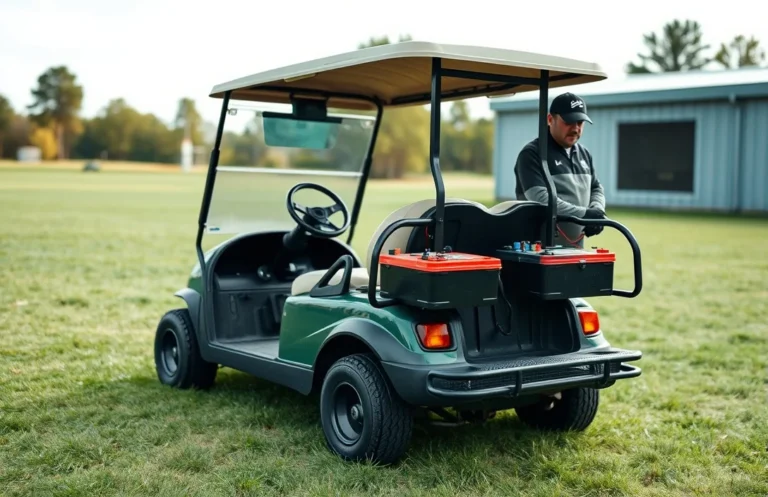
Keep it above half charge to maximize golf cart battery life. The single most important spec is depth of discharge combined with using a charger that matches the battery chemistry and voltage. The common mistake is using the wrong charger or neglecting regular water checks on flooded lead acids. The first label to check is the battery label for chemistry and voltage, then the charger label.
Battery maintenance extends golf cart life by avoiding deep discharge, keeping depth of discharge under 50 percent, using the correct charger for the battery chemistry and voltage, and checking electrolyte or distilled water monthly with top ups as needed and keeping terminals clean.
Battery Type Matters
Battery chemistry drives maintenance cadence and life expectancy. Flooded lead-acid cells require regular electrolyte level checks and watering, while sealed AGM and lithium options minimize watering but demand correct charging and temperature management. Always follow the manufacturer’s specs for capacity, charging stages, and service intervals to avoid premature wear.
Watering and Electrolyte Care
Watering levels in flooded golf cart batteries must stay within the manufacturer’s recommended range. Regular checks after charging or during hot weather prevent sulfation and capacity loss. Use only distilled water to avoid mineral deposits that can skew electrolyte balance.
Water quality matters because minerals in tap water can leave deposits that alter electrolyte concentration and plate chemistry. Distilled or deionized water minimizes scaling, keeps electrolyte uniform, and helps maintain consistent cell voltage. Keep the filling bottle clean to prevent contamination.
Watering schedule by cell varies with climate and cycling. The table that follows provides practical targets and checks you can apply to common 6-volt or 8-volt flooded packs.
| Condition | Water Level Target | Measurement Method | Recommended Frequency | Notes |
|---|---|---|---|---|
| Normal operation | Level at vent wells bottom or manufacturer mark | Visual check after charge | Weekly or after 6 – 8 cycles | Do not exceed cap height |
| Hot weather / heavy use | Keep near upper target to compensate evaporation | Check mid-day in heat | 2 – 3 times per week | Watch for rapid level drop |
| After equalization charge | Top off after cooling down | Measure once battery rests | Immediately after cool-down | Ensure vent caps reseal |
| Long idle/storage | Maintain cover with water to keep plates hydrated | Inspect monthly | Monthly | Check for sulfur smell |
| Maintenance check | Ensure all cells have water | Visual confirm | Quarterly | Record levels in log |
Avoid overfilling and spills to prevent electrolyte loss and corrosion. Fill to the level indicated by the vent wells or manufacturer mark, then wipe away any overflow promptly. Tighten vent caps after filling and keep the top area clean to minimize gunk buildup around terminals.
Watering example, in practice, a cart used daily in warm weather may show a drop in level after a full day of use. Top off with distilled water to the correct level and record the date on the battery case. Regular practice reduces sulfation and helps retain capacity over time.
Watering safety steps include these practical checks and actions: Always use distilled water, check levels after charging, and never fill beyond the vent wells. Keep caps clean and ensure vent openings are clear before operation.
Swollen, leaking, or vented batteries require immediate service or replacement. Do not operate a compromised pack.
State of Charge and Storage
SoC ranges for storage are essential to protect capacity over time. For flooded lead-acid and AGM types, target about 50-60% SOC for storage; lithium packs prefer roughly 40-60%. Temperature and time both affect long-term health, so store in a cool, dry place and check voltage every few months.
| Chemistry | Storage SoC Range | Recommended Storage Temperature | Notes |
|---|---|---|---|
| Flooded Lead-Acid | 50-60% | 0 – 25°C | Store dry and ventilated; avoid freezing; plan a cycling check before re-use. |
| AGM / Gel | 50-60% | 0 – 25°C | Lower risk of water loss; follow manufacturer guidance for extended storage. |
| LiFePO4 | 40-60% | 0 – 25°C | Protect from high heat; monitor BMS health and periodic voltage. |
Tip: If storage conditions can vary, use a smart maintainer that holds voltage within the target range without overcharging. Temperature control matters as much as the SOC.
Duration and maintenance: Short-term storage of days to weeks tolerates a wider SOC range, but for months or longer, perform periodic checks every 3 – 6 months and adjust SOC toward the target range before putting the pack back into service. Keep storage spaces cool, dry, and away from direct sunlight or heat sources.
Charging Practices and Charger Compatibility
Charging Practices and Charger Compatibility start with using the manufacturer-recommended charger and keeping the charging current within the battery’s designed profile. This approach minimizes overcharge, reduces gassing and heat, and helps preserve capacity across many cycles. Verify that the charger output matches the pack chemistry and follow the recommended startup and termination voltages to avoid uneven aging.
Temperature and Thermal Management
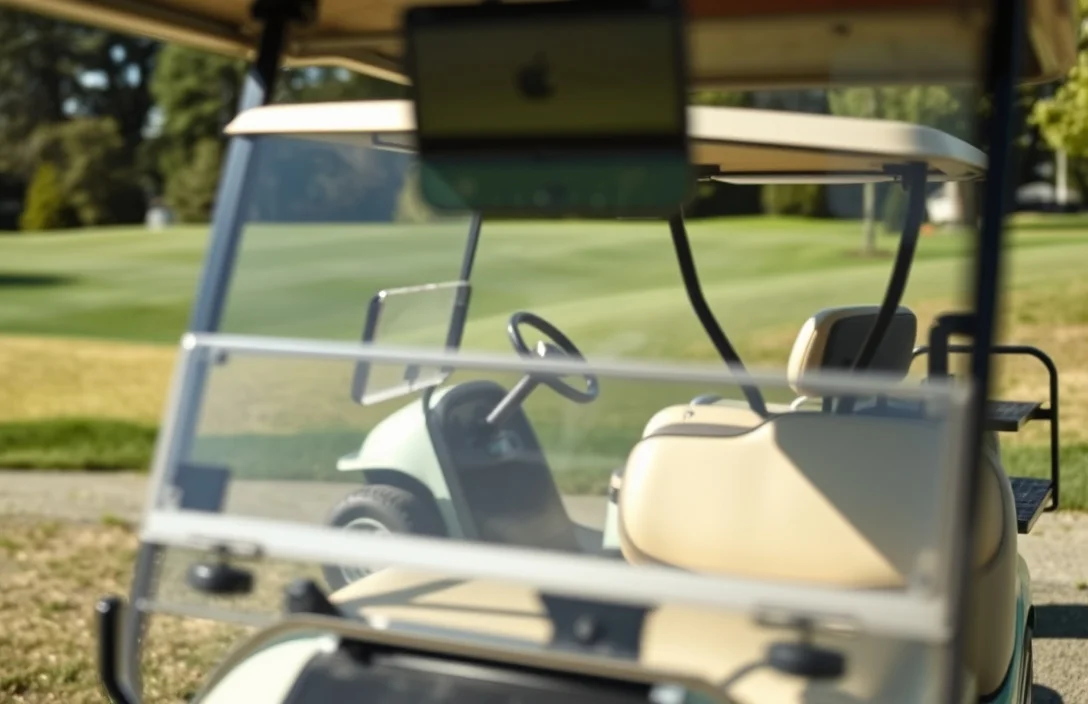
Heat during operation accelerates aging by increasing electrolyte loss and plate corrosion. Keep the battery area shaded and ventilated to allow rapid heat dissipation, and consider a shade cloth on sunny days. Avoid long high current runs in direct sun and schedule breaks to let the pack cool after heavy use.
Maintenance Schedule and Checks
Regular cleaning and tight connections reduce electrical resistance and heat buildup, preserving capacity and extending cycle life in golf cart packs. Weekly visual checks catch loose hardware, corrosion, or swelling before they trigger sulfation, shorted cells, or unexpected downtime. Maintaining water levels, using the correct charger, and logging key measurements across cycles helps you plan maintenance before failure.
Signs of Degradation and Replacement
Sulfation raises internal resistance and reduces charge acceptance, so the battery will not reach full voltage or hold capacity well after storage. Over time this accelerates aging and shortens service life. Swelling means gas buildup inside the cells, which is a safety hazard and typically requires replacement and proper disposal.
Quick Battery Care Takeaways
Consistent daily habits, timely checks, and proper charging practices are the main levers that extend golf cart battery life. Managing electrolyte levels, temperature, and discharge depth helps preserve capacity and avoid early replacements.
Checklist snapshot Use this quick-start routine to keep golf cart batteries healthy between rides. Perform these checks in a regular cycle, and adjust based on climate and usage.
Quick Summary
Regular water level checks, clean terminals, proper charging, and careful storage extend golf cart battery life.
Frequently Asked Questions
Question 1?
Use a charger designed for the same voltage and chemistry as your pack (for example 36V or 48V lead-acid). A mismatch can cause undercharging or overcharging, which shortens life. If unsure, check the charger label for voltage and the battery spec label on the pack, and match voltage and chemistry.
Question 2?
High temperatures accelerate electrolyte loss and plate corrosion. Keep the battery compartment well ventilated and aim to charge and operate in environments under 100 F (38 C) when possible to extend life. Use shade or cooling as needed and avoid charging in hot, enclosed spaces.
Question 3?
Keep water levels topped with distilled water and perform any recommended equalization/maintenance charging per manufacturer. These steps help preserve capacity and extend runtime; regular watering and proper leveling are key.
Question 4?
Always disconnect the pack before maintenance and wear eye protection and gloves. Work in a ventilated area and avoid sparks or open flames near the batteries to reduce safety risks.
Question 5?
Replace the entire pack when capacity has declined significantly or individual cells show imbalance that cannot be corrected; a common buying mistake is mixing new and old batteries or buying the wrong voltage pack. A typical life for quality flooded lead-acid golf cart batteries is roughly 3-5 years with proper maintenance.
Frequently Asked Questions
Question 1?
Use a charger designed for the same voltage and chemistry as your pack (for example 36V or 48V lead-acid). A mismatch can cause undercharging or overcharging, which shortens life. If unsure, check the charger label for voltage and the battery spec label on the pack, and match voltage and chemistry.
Question 2?
High temperatures accelerate electrolyte loss and plate corrosion. Keep the battery compartment well ventilated and aim to charge and operate in environments under 100 F (38 C) when possible to extend life. Use shade or cooling as needed and avoid charging in hot, enclosed spaces.
Question 3?
Keep water levels topped with distilled water and perform any recommended equalization/maintenance charging per manufacturer. These steps help preserve capacity and extend runtime; regular watering and proper leveling are key.
Question 4?
Always disconnect the pack before maintenance and wear eye protection and gloves. Work in a ventilated area and avoid sparks or open flames near the batteries to reduce safety risks.
Question 5?
Replace the entire pack when capacity has declined significantly or individual cells show imbalance that cannot be corrected; a common buying mistake is mixing new and old batteries or buying the wrong voltage pack. A typical life for quality flooded lead-acid golf cart batteries is roughly 3-5 years with proper maintenance.
Frequently Asked Questions
Question 1?
Use a charger designed for the same voltage and chemistry as your pack (for example 36V or 48V lead-acid). A mismatch can cause undercharging or overcharging, which shortens life. If unsure, check the charger label for voltage and the battery spec label on the pack, and match voltage and chemistry.
Question 2?
High temperatures accelerate electrolyte loss and plate corrosion. Keep the battery compartment well ventilated and aim to charge and operate in environments under 100 F (38 C) when possible to extend life. Use shade or cooling as needed and avoid charging in hot, enclosed spaces.
Question 3?
Keep water levels topped with distilled water and perform any recommended equalization/maintenance charging per manufacturer. These steps help preserve capacity and extend runtime; regular watering and proper leveling are key.
Question 4?
Always disconnect the pack before maintenance and wear eye protection and gloves. Work in a ventilated area and avoid sparks or open flames near the batteries to reduce safety risks.
Question 5?
Replace the entire pack when capacity has declined significantly or individual cells show imbalance that cannot be corrected; a common buying mistake is mixing new and old batteries or buying the wrong voltage pack. A typical life for quality flooded lead-acid golf cart batteries is roughly 3-5 years with proper maintenance.
Frequently Asked Questions
Question 1?
Use a charger designed for the same voltage and chemistry as your pack (for example 36V or 48V lead-acid). A mismatch can cause undercharging or overcharging, which shortens life. If unsure, check the charger label for voltage and the battery spec label on the pack, and match voltage and chemistry.
Question 2?
High temperatures accelerate electrolyte loss and plate corrosion. Keep the battery compartment well ventilated and aim to charge and operate in environments under 100 F (38 C) when possible to extend life. Use shade or cooling as needed and avoid charging in hot, enclosed spaces.
Question 3?
Keep water levels topped with distilled water and perform any recommended equalization/maintenance charging per manufacturer. These steps help preserve capacity and extend runtime; regular watering and proper leveling are key.
Question 4?
Always disconnect the pack before maintenance and wear eye protection and gloves. Work in a ventilated area and avoid sparks or open flames near the batteries to reduce safety risks.
Question 5?
Replace the entire pack when capacity has declined significantly or individual cells show imbalance that cannot be corrected; a common buying mistake is mixing new and old batteries or buying the wrong voltage pack. A typical life for quality flooded lead-acid golf cart batteries is roughly 3-5 years with proper maintenance.