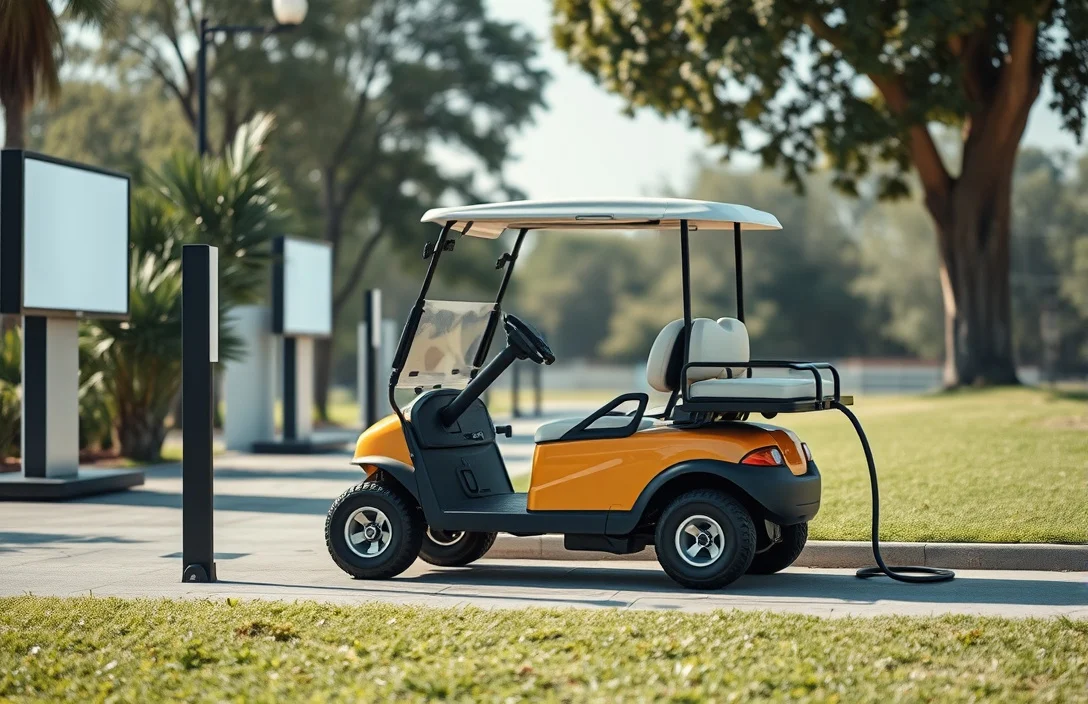
How To Charge Electric Golf Cart?
How to charge electric golf cart? comes down to matching the advice to your situation instead of following a generic checklist. I will focus on the main decision points, the tradeoffs that matter most, and the practical next steps you can use before spending time or money.
Charger Types for Golf Carts

Charging setups for electric golf carts fall into four practical categories that influence speed, safety, and maintenance: onboard versus offboard chargers, Level 1 versus Level 2 charging, OEM versus aftermarket units, and portable smart options. The choice should align with your battery chemistry, pack voltage, and how you use the cart.
Bottom line: choose a charger configuration that matches your battery pack voltage and chemistry, and use Level 2 only if the system supports it. Regularly inspect connections and temperature during charging to catch issues early.
AC vs DC Chargers
AC chargers are primarily used for standard daily charging of electric golf carts, providing a steady flow of current that is gentle on batteries. In contrast, DC fast chargers are designed for rare situations where quick recharging is necessary, delivering higher currents that can accelerate the charging process but may impact battery longevity if used frequently. AC charging is typically the best practice for regular use. It allows for a slow and steady charge, which is gentler on the battery chemistry. This method can be done overnight or during downtime, ensuring the golf cart is ready for use without risking overcharging or overheating. Most standard golf cart chargers are designed for AC power and are compatible with common household outlets.
DC fast charging, while convenient for quickly getting back on the course, should be reserved for situations where time is of the essence. Frequent use of fast chargers can lead to increased heat generation, which may shorten the overall lifespan of the battery. It’s crucial to monitor the battery’s temperature during and after fast charging to avoid damage. When considering connector standards, it’s essential to ensure compatibility between the charger and the golf cart’s charging port. Most electric golf carts utilize specific connectors, and using an incompatible charger can lead to poor connections or damage.
Always refer to the manufacturer’s specifications for proper charger types and connectors. Safety considerations are paramount when charging electric golf carts. Using chargers not designed for the specific battery type can pose risks, including overheating or short-circuiting. It’s also important to inspect cables for damage and avoid charging in wet conditions to prevent electrical hazards. Always follow the manufacturer’s guidelines for charging equipment and practices to maintain battery health and ensure safe operations.
Battery Basics and Specs
Golf cart battery packs are typically 36V or 48V, and the total Ah rating determines usable runtime. Verify pack voltage and Ah on the label or in the manual before connecting a charger. Temperature and age affect charging performance and life, so match charging profile to chemistry and monitor health indicators.
Common golf cart chemistries include flooded lead-acid, AGM, gel, and lithium iron phosphate. Flooded and AGM remain common in many older carts, while LiFePO4 packs are growing for lighter weight and longer life. Gel cells are less common but still used in some specialty carts. Each chemistry has its own charging profile and maintenance needs.
Table at a glance shows nominal pack voltage and key charging considerations by chemistry.
| Chemistry | Nominal Pack Voltage | Charging Considerations | Maintenance Notes |
|---|---|---|---|
| Flooded Lead-Acid | 36V or 48V | Ventilation, water maintenance, conservative current | Periodic electrolyte checks; equalization charging if recommended |
| AGM | 36V or 48V | Sealed system, compatible with standard chargers | Low-maintenance, but avoid high-temperature charging |
| Gel | 36V or 48V | Profile-matched charging; avoid overcurrent | Vibration tolerant, slower charge rates |
| LiFePO4 | 36V or 48V | Requires appropriate BMS and temp-aware charger | Significantly lighter; long cycle life expected |
Check the voltage and Ah before charging to ensure the charger matches the pack. Start by confirming the system voltage, then verify the total Ah so the charger can deliver appropriate current without causing overcharge. Ensure the charger voltage aligns with the pack’s maximum charging voltage and that the chemistry is supported. Do not mix different chemistries or unevenly aged modules within the same bank, as this undermines balance and life.
Charging temperature matters. Cold packs charge slowly and may trap capacity, while very hot packs can vent or degrade cells. If possible, use a temperature-sensing charger and keep the cart in a moderate environment during charging. Avoid charging a pack that is actively hot or frozen.
Health indicators and age show when replacement is due. Signs include reduced usable capacity, longer charging times, and higher internal resistance visible on the BMS. For flooded packs, monitor electrolyte level and corrosion; for LiFePO4, track cycle count and BMS logs. When performance drops noticeably or the pack no longer accepts the rated charge, plan replacement.
Swollen, hot, or venting cells are a safety risk. Do not charge a damaged pack, disconnect power and seek service from a qualified technician. Always use a charger approved for the pack chemistry and voltage.
Step-by-Step Golf Cart Charging
Match the charger to the battery pack rating and keep the cart in a dry, ventilated area. Use a grounded outlet and a charger rated for the pack voltage and amperage, and avoid exceeding the recommended charging current. A careful start reduces heat buildup and promotes longer battery life.
Safety and Maintenance
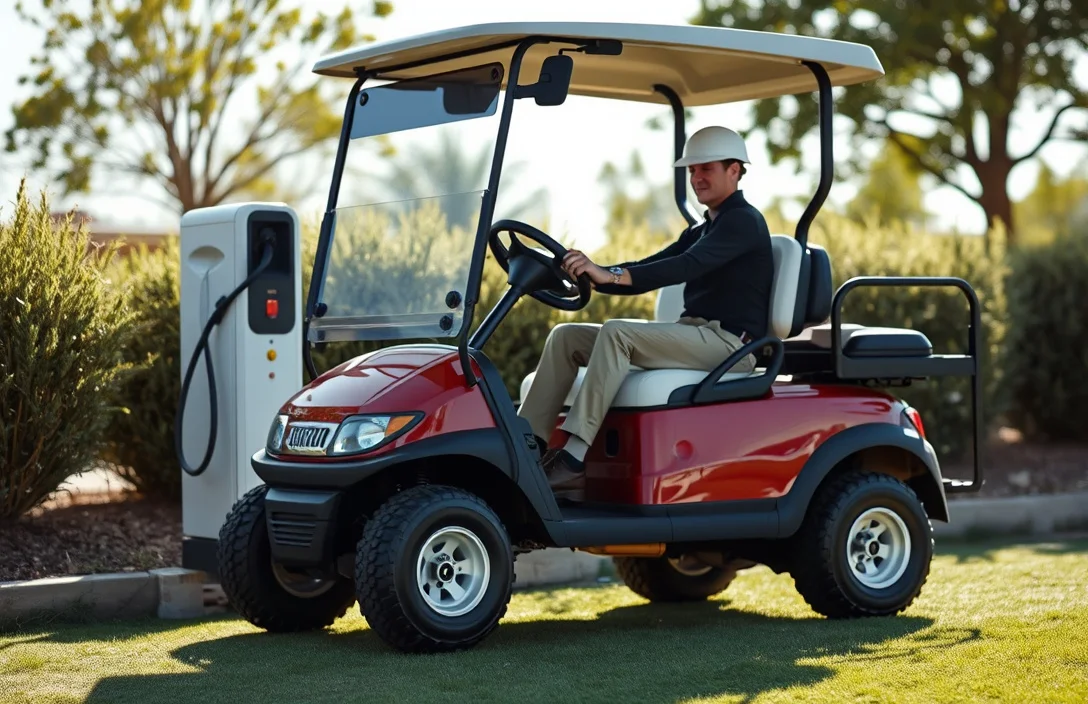
Proper ventilation is essential during charging to avoid overheating, which can lead to battery damage or fire. Ensure the charging area is well-ventilated, especially for lead-acid batteries, as they can emit harmful gases while charging.
Heat is a significant factor affecting battery life. Monitor the temperature of the batteries during charging; excessive heat can indicate an issue with the charger or battery. If batteries show signs of swelling, they may be damaged and should be removed from service immediately.
Fluid Checks and Electrolyte Care
For lead-acid batteries, regularly check the electrolyte levels. The fluid should cover the plates, and distilled water should be added if levels are low. Never overfill, as this can cause overflow during charging, leading to acid spills.
Terminal Cleaning and Corrosion Prevention
Corrosion at battery terminals can increase resistance and reduce charging efficiency. Clean terminals regularly using a mixture of baking soda and water. After cleaning, apply a thin layer of petroleum jelly to prevent future corrosion.
Storage Guidelines for Idle Months
When not in use, store the golf cart in a cool, dry place, disconnect the batteries, and ensure they are charged to about 50%. Periodically check the charge levels every month to prevent deep discharge, which can lead to irreversible battery damage.
Replacement Triggers and Warranty Considerations
Battery replacement is often triggered by diminished capacity, visible damage, or swelling. Most batteries have a warranty period, so keep receipts and documentation for claims. If performance significantly declines within the warranty period, consult the manufacturer for possible replacement options.
Troubleshooting Charging Issues
Power issues on a golf cart charging system almost always come from a poor connection, an incompatible charger, or a tripped circuit. Verify that the charger matches the pack voltage and chemistry, and make sure every connector is clean, dry, and fully seated. If power is present but charging does not start, follow this step-by-step check.
Optimal Charging Habits and Gear
Use a charger matched to the battery bank voltage (36V or 48V) with a current rating suited to the pack size. Keep the charger and battery in a cool, dry place and avoid charging a swollen or hot pack. If in doubt, follow the cart manual and use OEM or certified equipment.
For example, in practice a 48V pack used daily benefits from a smart charger in the 15 to 25 A range, with automatic shutoff and temperature compensation. Lithium packs can tolerate higher DoD if the BMS supports it, but keep to the manufacturer’s guidance to maximize cycle life. Maintain a routine that tops off after each use and records any unusual charging behavior.
| Category | Key features to look for | Why it helps |
|---|---|---|
| Smart charger (36V or 48V) | 3-stage charging, auto shutoff, temperature compensation | Protects cells, reduces overcharge, adapts to ambient conditions |
| Battery monitoring system (BMS) | Voltage, current, temperature sensing, SOC display | Alerts to faults, ensures safe operation and balanced cells |
| Temperature sensor accessory | Pack skin temperature sensor or per-cell temp sensing | Improves charging safety and efficiency through temp-aware control |
| Hydrometer or electrolyte tester (flooded lead-acid) | Electrolyte specific gravity test | Helps confirm electrolyte health and balanced cells |
Safety reminder: never charge in a damp area or inside a closed space without ventilation. Inspect cables for damage, avoid loose connections, and stop charging if you notice heat, swelling, or unusual odors.
Quick Summary
Use the charger specified by the golf cart’s manufacturer or a compatible, voltage-matched charger to ensure safe, efficient charging.
Frequently Asked Questions
How do I choose a charger that is compatible with my electric golf cart battery pack?
Check the pack voltage on the battery label and use a charger that lists the same nominal voltage, typically 36V or 48V. Verify the connector type and follow OEM recommendations in the manual.
What heat issues should I watch for while charging my golf cart and how can I prevent them?
Heat during charging can shorten battery life; if the battery or charger feels unusually hot, stop charging and allow it to cool. Charge in a well ventilated area away from direct sunlight and ensure the environment is not enclosed during charging.
How long does it take to charge a golf cart battery, and what factors affect charging time?
Charging time depends on the battery pack capacity and the charger current. A simple rule is time ≈ capacity in Ah ÷ charger current in A, so check the label for both figures to estimate how long a full charge will take.
What safety steps should I follow when charging a golf cart to avoid risks?
Use a charger that is rated for your pack and has safety features such as overcurrent, overtemperature, and automatic shutoff. Never charge a visibly swollen or damaged pack, and avoid charging in an enclosed space with poor ventilation.
When should I replace golf cart batteries, and what buying mistakes should I avoid when upgrading?
Replace the pack when it no longer holds charge reliably or shows persistent performance loss despite proper charging. Common buying mistakes include mixing different chemistries, buying a charger not matched to the pack, and failing to verify voltage, capacity, and connector requirements against the cart manual and battery label.