
Boost Your Golf Cart Speed: Battery Upgrades And Essential Tips
Golf cart speed increase hinges on the controller, not just the battery. The single most important spec is the controller max current, which sets how much torque the motor can deliver. The common mistake is upgrading voltage or battery capacity without confirming the controller and wiring can handle the extra amps. Start by checking the controller’s max current and the system voltage, typically 48V for most carts.
Golf cart speed upgrade comes from upgrading the controller and matching the motor to a higher voltage battery when supported. Start with the controller’s max current and the system voltage, typically 48V for most carts, and verify wiring is rated for the upgrade. Check local speed limits before making changes.
Battery Types for Speed

Lead-Acid Overview is characterized by heavy weight and voltage sag under high current, which blunt acceleration and top speed. This chemistry also demands maintenance and has limited high-discharge tolerance, reducing sustained speed under load. In contrast, lithium-ion options deliver lighter weight and steadier voltage under load, supporting faster initial acceleration and more consistent top speed.
Lead-Acid Overview batteries come in common golf cart formats like six or eight-volt blocks, easy to source and service locally. They tend to be cheaper upfront, but the weight penalty and watering requirements add overall system cost and can erode performance gains on the track. Proper maintenance, such as level water checks and equalizing charges, is essential to prevent early capacity loss and uneven performance.
Lithium-Ion Benefits are highlighted by much lower weight and higher usable energy, which improves acceleration and hill-climbing ability without stressing the motor as much as heavy packs. They maintain higher voltage under heavier current, so pedal response stays strong as the cart accelerates. A built-in battery management system and tuned charging are essential, and these systems can simplify operation but require compatible controllers and chargers to avoid safety issues.
When considering installation, expect tradeoffs: higher upfront cost, need for temperature management, and adherence to any local regulations for speed and power upgrades. Lithium systems also demand dedicated fast-charge capabilities and correct wiring to protect cells, while lead-acid systems tolerate a broader range of charging hardware with basic care. For a practical speed boost, lithium-ion is the more effective option if you can manage the safety, warranty, and cost considerations.
| Characteristic | Lead-Acid (Golf Cart) | Lithium-Ion (Golf Cart) |
|---|---|---|
| Weight impact | Heavy, adds cart mass | Significantly lighter |
| Voltage under load | Drops with current draw | Maintains voltage more consistently |
| Discharge capability | Limited high current relative to weight | High current capability with minimal sag |
| Cycle life / longevity | Fewer deep cycles, more maintenance | Longer cycle life, lower water maintenance |
| Maintenance needs | Watering, equalizing, vent checks | BMS, temperate control, minimal manual maintenance |
| Initial cost | Lower upfront | Higher upfront |
Upgrading Your Battery
Selecting a pack with high discharge capability and a compatible form factor is key to unlocking quicker acceleration. A LiFePO4 or other high-current chemistry can deliver more usable power than traditional flooded lead-acid, provided the cart’s controller and charger support it. Safety and proper matching matter as much as potential gains.
Recommended Chargers

Smart golf cart chargers aligned to the pack voltage and chemistry reduce heat and cycle wear while delivering reliable replenishment. Use a charger with multi-stage charging, temperature sensing, and compatibility with your battery management system to maintain maximum performance without premature wear.
Charger Types and features you want include multi-stage AC chargers that automatically adjust current as the battery fills, lithium-specific chargers that respect BMS limits, and high-current options for faster replenishment after heavy use. Portable units work well for occasional top-ups, but a dedicated golf cart charger installed in a garage or pit area tends to deliver safer, more consistent charging and better thermal control.
| Charger Type | Best For | Typical Amps | Key Benefit |
|---|---|---|---|
| Smart Lead-Acid Charger | 36V/48V lead-acid packs | 10 – 20 A | Stable charging with automatic equalization |
| Lithium-Specific Charger | 36V/48V lithium packs | 15 – 40 A | BMS-friendly, precise end-of-charge control |
| High-Current Performance Charger | High-use or fast-turnaround setups | 40 – 100 A | Quicker replenishment after heavy use |
Compatibility Tips
For example, moving from a 36V lead-acid setup to a 36V LiFePO4 pack requires a lithium-profile charger and a BMS-compatible interface to prevent mischarging and excessive heat.
Maintaining Battery Health
Healthy golf cart batteries deliver stable voltage under load, which preserves peak speed. Properly maintained packs resist voltage sag during acceleration, so the cart reaches top speed more reliably. Regular care also extends cycle life, reducing the chance of sudden speed drops.
Regular maintenance starts with clean, tight connections at the battery terminals and bus bars. Corrosion increases resistance and reduces the current available for acceleration, so wipe away buildup and apply protective coatings if recommended by the battery maker. For flooded lead-acid packs, keep electrolyte levels within the marked range and schedule periodic top-offs with distilled water to prevent cell damage. For lithium packs, rely on the built-in BMS to monitor temperature, cell voltage, and balance; do not bypass protection or mix chemistries.
Monitoring performance is not just about peak speed; it protects the battery pack and the overall drive. Record resting voltage and under load sag as a trend, not a single reading. Temperature spikes during charging or heavy use are warning signs that the pack is stressed and may need cooling or service. A consistent maintenance rhythm helps your cart maintain strong acceleration and safe operation.
Performance Modifications
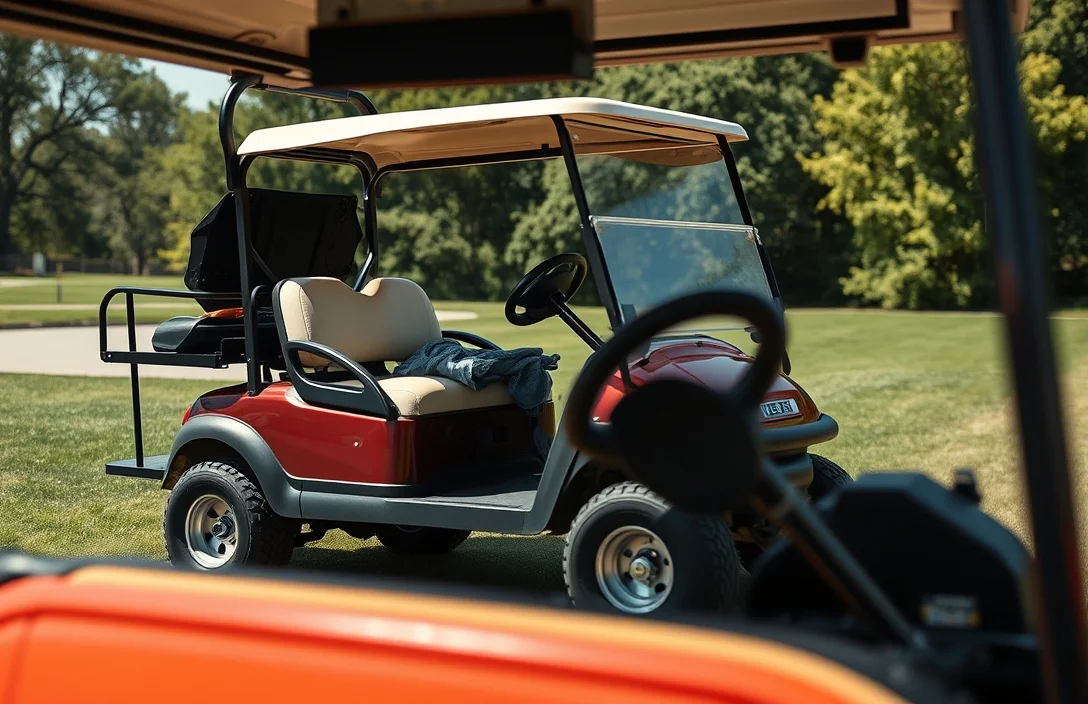
Motor Upgrades deliver more power and quicker response. Upgrading the drive system starts with a compatible motor and controller, then wiring and cooling to handle the higher current. Expect stronger takeoff and steeper hill performance, but keep top speed within the cart’s gearing and any local limits.
Motor Upgrades
Motor Upgrades remain effective when the motor, controller, and battery pack are all matched to the cart’s voltage. You gain higher torque at launch and improved acceleration, but overheating is a risk without adequate cooling. If you push current beyond design, the wiring and connectors can overheat and the battery sag increases.
| Option | Voltage | Effect | Notes |
|---|---|---|---|
| Baseline | 48V | Moderate torque and acceleration | Simple, lowest risk |
| 72V upgrade | 72V | Higher torque, faster takeoff | Requires wiring, cooling, and controller updates |
| High RPM BLDC | 48 – 72V | Greater top speed with appropriate gearing | Balanced for performance and control |
Motor Upgrades also involve cost and installation considerations. Expect a need for professional alignment, motor mounts, and potential warranty implications if nonstandard components are used.
In practice, gradual testing on a safe surface helps confirm stability before any course or road use.
Weight Reduction Techniques
Weight Reduction Techniques lower inertia, improving acceleration and response with the same power. Start by pruning nonessential items and replacing heavy components with lighter options where safe and feasible. Redistribution of weight and tuned suspension can help maintain grip as you shed mass.
Weight reductions must be balanced with safety and handling. After removing mass, recheck braking performance, steering feel, and stability at higher speeds. Test gradually in a controlled area to confirm that the cart remains predictable under all loads and terrains.
Safety Considerations
Legal Issues vary by jurisdiction and can affect street use, insurance, and warranty when increasing cart speed. Modifications may require DOT or DMV classifications, street-legal permits, and updated registration. Always verify local rules before any change.
Safety Precautions include verifying the cart’s braking, steering, and chassis can handle higher speeds, and never operate near pedestrians or in crowded areas. Use proper PPE, keep bystanders clear, and perform tests on a closed course with the cart secured and a spotter present.
Note: If a cart is used on public roads, you may need insurance coverage, lighting, horn, and turn signals to meet local vehicle requirements.
| Aspect | Risk | Recommended Action |
|---|---|---|
| Braking and tires | Higher speed increases stopping distance and heat buildup | Upgrade braking system if recommended by a pro; ensure tires are rated for higher speeds and load |
| Handling and stability | Risk of rollover or loss of control | Upgrade suspension where needed; test at low speeds first |
| Electrical system | Overheating, wiring faults, battery thermal issues | Use purpose-built controllers and batteries; monitor temperatures |
| Legal compliance | Fines, registration, insurance issues | Consult local laws; document modifications |
Troubleshooting Common Issues
Top speed loss is usually tied to the drive pack delivering current. Start by verifying the pack voltage, tightening and cleaning battery connections, and confirming throttle calibration. If performance remains sluggish, inspect the motor controller and drive components for faults, and check tires, weight and drivetrain friction that add rolling resistance. These checks help distinguish electrical bottlenecks from mechanical drag before considering upgrades.
Slow Speed Causes
Sluggish acceleration or a lower top speed on level ground often points to electrical limitations rather than normal wear. The main suspects are battery sag under load, controller current limits, and loose or corroded connections that raise resistance in the power path. Start with the easiest checks such as battery voltage readings under load, cleaning and tightening terminals, and verifying that the throttle and controller wiring are secure and properly routed.
Battery Performance Issues
Battery health is a gating factor for sustained speed. A pack that cannot hold voltage under higher load causes the controller to restrict current, directly capping top speed. Temperature, aging, and improper charging practices also reduce usable capacity, so regular checks on health and charging habits help maintain performance and prevent sudden slowdowns.
In practice, well-maintained batteries keep voltage steady through acceleration and hills.
Quick Summary
Improving the speed of a golf cart involves careful adjustments and safety considerations to maintain performance and reliability.
Frequently Asked Questions
What type of battery is best for speeding up a golf cart?
You can enhance your golf cart’s speed by using a high-capacity lithium-ion battery, which typically offers greater power output compared to lead-acid batteries. Look for batteries with a voltage rating that matches your cart’s specifications, often around 48V.
How does heat affect the performance of golf cart batteries?
Heat can significantly reduce battery efficiency, so it is crucial to keep your batteries cool. If temperatures exceed 90°F, the battery performance may degrade, leading to reduced speed and runtime.
How can I improve the runtime of my golf cart without sacrificing speed?
You can improve your golf cart’s runtime by ensuring that your batteries are fully charged and properly maintained. Regularly check for corrosion on terminals and keep connections tight, as poor connections can lead to power loss.
What safety precautions should I take when modifying my golf cart for speed?
Always prioritize safety by ensuring that any modifications comply with local regulations. Also, consider upgrading your brakes and suspension to handle increased speeds, as these components need to be adequately rated for higher performance.
What common mistakes should I avoid when upgrading my golf cart’s batteries?
A common mistake is not verifying battery compatibility with your cart’s system. Always check for voltage and amp-hour ratings that match your cart’s requirements to avoid damaging the electrical system.