Is Gas Or Electric Golf Cart Better?
Power decision comes down to cost of ownership and how you use the cart, not the color or speed. Electric carts cost less to charge and maintain for daily rounds, while gas carts pay off only if you need long trips or rough terrain. The spec that matters most is total cost over five years. A common mistake is assuming the sticker price tells the whole story. Check the battery system label first, noting voltage and capacity.
Electric golf carts are generally better for most players because daily charging is cheaper and maintenance is lower, while gas carts excel on long, frequent trips or hilly courses. Over a typical 5-year ownership, electricity costs per mile stay lower, but fuel and service costs rise with engine wear.
Cost of Ownership Comparison
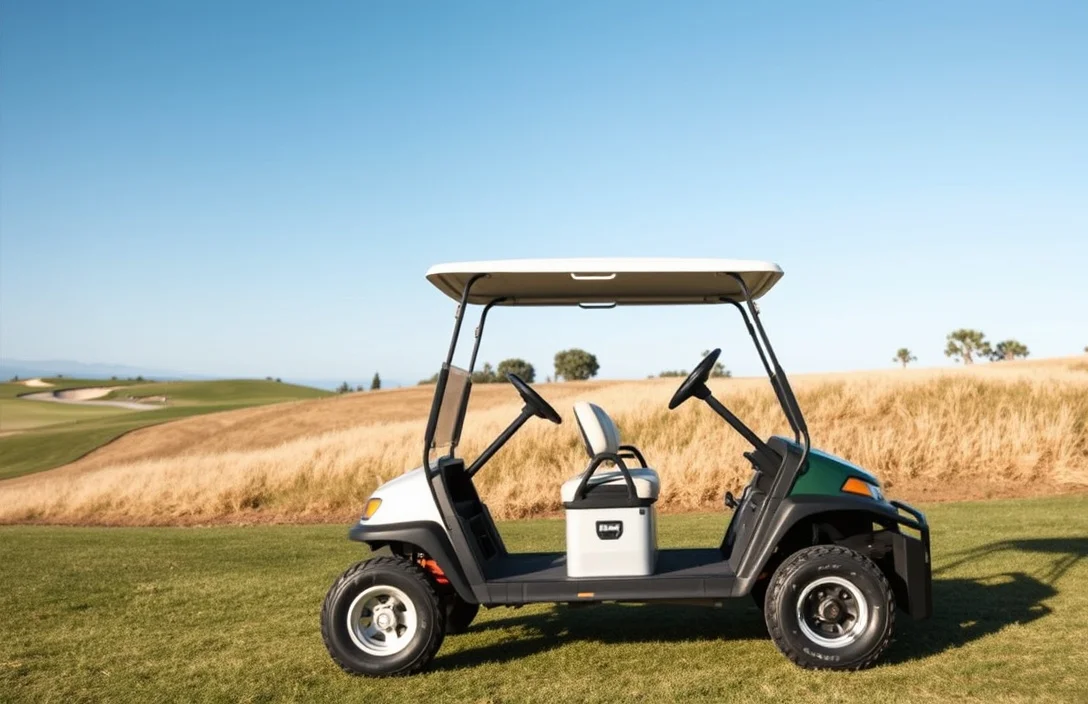
Purchase Price: Gas-powered golf carts typically have a lower upfront price than electric models, because they lack large battery packs and advanced electrical systems. Over time, electric carts can be cheaper to operate due to lower fuel costs and fewer moving parts, though battery replacements can add to expenses.
Maintenance Costs: Gas carts incur more frequent service for the internal combustion engine, fuel system, exhaust, and related components, which adds to yearly upkeep. Electric carts simplify routine maintenance with fewer moving parts, but they rely on battery health, charging equipment, and periodic battery replacement when capacity fades.
In practice, the long-term upkeep gap depends on usage, climate, and how well each cart is maintained.
Fuel and Charging Costs: Gas carts burn fuel at a rate tied to engine size, load, and terrain, so fuel costs can swing with regional gas prices. Electric carts run on grid electricity, which generally translates to lower per-mile energy costs but varies with local rates and charging efficiency. If you charge overnight at a lower rate, overall costs can drop further, but battery charging cycles and potential power limits affect long-term expenses.
| Cost Factor | Gas-powered Cart | Electric Cart | Notes |
|---|---|---|---|
| Purchase Price | Lower upfront | Higher upfront | Battery size and motor cost drive the gap |
| Maintenance Costs | Engine, fuel system, exhaust | Battery, charger, electronics | Gas needs more routine engine service |
| Fuel/Charging Costs | Gasoline per mile varies with price | Electricity per mile varies with rate | Charging efficiency and tariffs matter |
Practical Considerations: When evaluating total cost of ownership, consider how often you use the cart, the availability of charging or fueling, and the expected battery or engine service intervals. In communities with high electricity rates, the break-even point for electric carts shifts later; in areas with volatile fuel prices, gas carts may look more attractive for short-term use. A careful five-year projection helps compare purchase price, maintenance, and energy costs under your local conditions.
Performance and Range Differences
Electric golf carts typically deliver immediate torque from a stop, giving faster launches, while gas carts rely on engine power and gearing which can feel slower off the line unless tuned. Range per charge or per fueling depends on pack size and efficiency; electric carts run on batteries and must be charged, while gasoline models run on fuel and can go longer between refuels, but require maintenance and fuel handling.
Acceleration is where the two powertrains diverge most noticeably. Electric carts provide instant torque, so you feel a quick burst when you press the pedal, which is helpful on hills or crowded courses. Gas carts depend on engine torque and throttle response, which can feel less immediate and more variable with engine load and gear setup.
In practice, electric models tend to feel quicker from a standstill and remain confident across typical golf-course driving.
Top speed is the other obvious contrast. Top speed on most current carts is limited by safety governors and the intended use. Electric carts usually share the same practical ceiling as most golf courses, though some performance packages or uncapped controllers can push higher. Gas carts can reach higher peak speeds if the drivetrain is altered, but operating at higher speeds increases wear and fuel use.
Range per charge or fuel is the practical daily metric. Range per charge for electric models depends on battery capacity, state of charge, pack aging, and riding style. Heavy driving, hills, and high throttle reduce range noticeably. Gas models depend on tank size and fuel efficiency; a full tank can cover many miles, but you must refuel more often on long days of use. Operational downtime includes charging time for electric carts and fuel stops for gas carts.
| Aspect | Electric Cart | Gas Cart |
|---|---|---|
| Acceleration | Instant torque with quick launches | Throttle and gearing govern response, slower off the line unless tuned |
| Top Speed | Limited by controller; safe, predictable on courses | Can be higher if unrestricted, but safety limits apply |
| Range | Limited by battery capacity and pace of use | Limited by fuel tank size and efficiency |
Trade-off: Electric carts win for daily running on a course with steady, predictable acceleration and no refueling stops. Gas carts win if you prioritize longer range between fill-ups and potential for higher top-end speed with proper modifications, at the cost of more maintenance and fuel handling.
Charging and Refueling Convenience
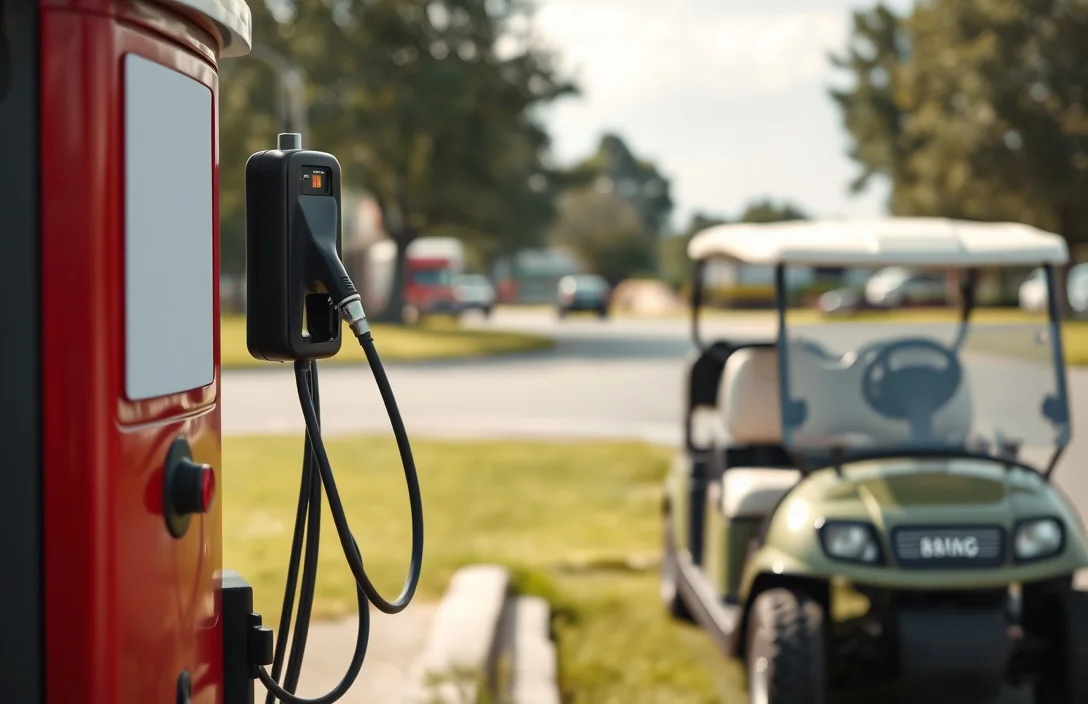
Electric golf carts require planned charging with downtime that often spans several hours, commonly overnight. Gas-powered carts refuel in minutes at a pump, but depend on gasoline availability and routine engine maintenance that adds to overall downtime.
Charging Time: The cycle depends on battery size and charger rating. Most common systems run 48V or 72V packs, and a full replenish typically takes several hours unless a high power charger is available. Battery temperature and aging influence actual results.
Gas carts allow quick refueling, but total downtime includes queuing at the pump, pumping time, and various safety checks. Fuel storage and engine maintenance add ongoing costs and scheduling considerations.
Availability of charging stations varies by site. On golf courses and clubhouses you often find dedicated charging bays or shared wall outlets, while home owners rely on portable or fixed home chargers. Public or fleet charging adds flexibility but can involve queues or miles of travel to reach a station.
| Setting | Electric Cart Availability | Gas Cart Availability |
|---|---|---|
| Golf course or clubhouse | Dedicated charging bays or shared outlets | Fuel pumps nearby or on-site |
| Home or storage facility | Home charging outlet or portable charger | Not common, refueling at public pumps |
| Public or rental fleets | Fleet chargers or public charging stations | Fuel pumps may be limited by queue |
Plan downtime around charging windows and fuel access. For operations with tight space for charging, invest in higher power chargers and a simple schedule to keep carts ready when needed.
Environmental Impact Considerations
Electric golf carts emit no exhaust during typical operation, reducing local air pollution on courses and resorts. Total environmental impact depends on how electricity is generated, how batteries are produced, and how end-of-life materials are recycled.
Gas-powered carts produce direct emissions from fuel combustion, contributing to greenhouse gases and local air quality issues. Electric models avoid on-site emissions, but their overall impact tracks the cleanliness of the grid and the lifecycle of the battery pack.
| Aspect | Gas-powered | Electric |
|---|---|---|
| Operational emissions | High due to combustion | Zero on-site |
| Lifecycle manufacturing | Engine and transmission parts dominate | Battery production adds significant energy use |
| End-of-life recycling | Oil, filters, metals recycling | Battery recycling is essential and increasingly available |
Electric carts are most environmentally favorable when the charging energy comes from low-emission sources and when battery recycling or second-life use is well established. Conversely, in regions with coal-heavy grids or weak recycling infrastructure, the advantage may be smaller or delayed by battery production and disposal impacts.
Choosing a path with clean energy and robust end-of-life programs often yields the best overall environmental outcome, even if upfront costs are higher.
Sustainability considerations focus on battery chemistry and life cycle. For example, some chemistries offer longer cycle life and better thermal stability, which reduces replacement frequency and waste. End-of-life options, including recycling programs and manufacturer take-back, are important metrics when comparing models.
Battery Life and Replacement Factors
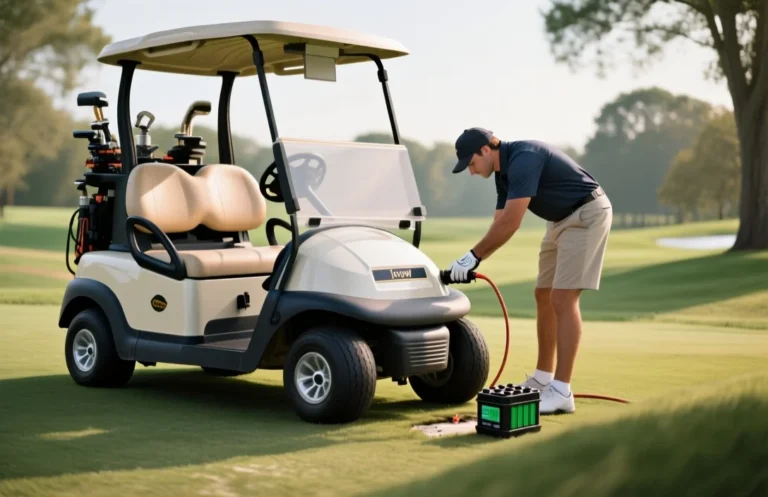
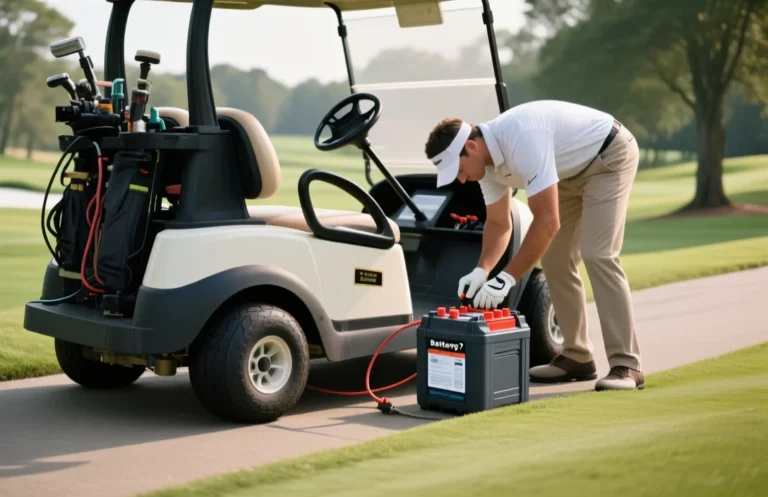
Electric golf carts rely primarily on a traction battery pack whose health drives total life and replacement cost. With proper care, lead-acid traction packs commonly last about 4 to 6 years, while lithium packs can reach 8 to 12 years. Gas-powered carts depend less on a propulsion battery and more on the engine and its 12-volt starting battery, which typically needs replacement every 3 to 5 years.
Battery Lifespan: The propulsion battery in an electric cart ages with charge cycles, temperature exposure, and how deeply it is discharged. Lead-acid packs tolerate moderate use but lose capacity faster when exposed to heat or frequent full discharges. Lithium packs resist wear better and age more slowly when managed by a solid BMS, but they still require sensible charging practices. In both cases, harsher climates and aggressive fast charging shorten life.
Replacement Costs: The big variable is the traction battery. Electric carts can incur hundreds to thousands of dollars for a full battery replacement or pack swap, depending on chemistry and capacity. Gas carts push most expensive battery costs into the 12-volt and auxiliary systems, which are cheaper to replace but add ongoing maintenance costs tied to the engine and electrical accessories.
Maintenance Needs: Flooded lead-acid packs need regular water level checks, terminal cleaning, and careful charging to avoid sulfation. Periodic equalization and proper venting also matter for safety and longevity. Lithium packs require less water work but rely on a compatible charger and BMS discipline, with attention to heat, cold, and avoiding deep discharge. For gas carts, keep the 12-volt system healthy and monitor parasitic drains from accessories, as these can shorten battery life even if the propulsion pack remains in good shape.
| Aspect | Electric Cart | Gas Cart |
|---|---|---|
| Main battery type | Traction pack (lead-acid or lithium) | Auxiliary 12V starting battery |
| Lead-acid 4 – 6 years; lithium 8 – 12 years | 12V battery 3 – 5 years | |
| Hundreds to thousands depending on chemistry | Hundreds for 12V battery + occasional accessory packs | |
| Water checks, charging practices, BMS management | 12V health, engine-related upkeep |
Safety and Reliability Factors
Fire risk with gasoline is higher during fueling and leaks, making gas carts more hazardous in some environments. Electric carts remove the ignition source tied to fuel but their high voltage battery systems bring thermal and electrical safety concerns that require proper enclosure and maintenance. Overall reliability tends to favor electric designs for fewer moving parts, while gas units rely on engines and fuel systems that need regular service.
| Factor | Gas Golf Cart | Electric Golf Cart | Key Considerations |
|---|---|---|---|
| Fire risks | Fuel leaks, vapor ignition, and engine fires during fueling or operation are potential hazards. | No gasoline, but lithium or other battery chemistries can experience thermal events if damaged or poorly cooled. | Fuel handling is a distinct risk; battery safety relies on enclosure, cooling, and proper charging. |
| Reliability and maintenance | Engine, fuel system, belts, carburetion or fuel injection, and exhaust require regular service. | Fewer moving parts and simpler drive train, but battery health and charger performance matter over time. | Maintenance schedules differ: engine-focused vs battery and charging system health checks. |
| Safety features | Engine shutoff, basic collision protection, and standard vehicle safety basics apply. | Battery management, thermal sensors, high voltage interlocks, and automated safety cutoffs are common. | Verify that the model includes reliable isolation, proper enclosure for HV components, and approved charging hardware. |
In practice, ignition sources and fuel handling are the primary fire concerns with gas carts, while electric carts shift risk toward battery safety and charger integrity. Proper venting, leak detection, and fueling discipline mitigate gas risks. For electric models, ensure a well‑rated enclosure, adequate cooling, and a proven battery management system to prevent thermal events.
For example, in a campus or park setting with frequent short trips and tight spaces, electric carts often offer quieter operation and fewer fueling hazards, which can improve on-site safety logistics. In contrast, properties with unreliable electricity or hot, dusty outdoor areas may encounter greater uptime challenges with battery performance, making gas carts more predictable in those conditions.
Safety features to check when comparing models include a robust battery enclosure, clear high voltage labeling and interlocks, automatic fault shutoffs, and user-accessible safety overrides. For gas carts, look for a secure fuel system, engine shutoff controls, and standard vehicle safety basics. Clear maintenance guidance and access to qualified service help are essential for both types to maintain reliability and safety over time.
Usage Scenarios and Suitability
For most residential use and personal mobility around a home property, electric golf carts shine with low operating costs, quiet operation, and simple at-home charging. Gas-powered carts deliver longer range and quick refueling, which helps on large parcels or frequent long jaunts where charging isn’t convenient.
Residential Use: Electric carts are typically the better fit for yards, neighborhoods, and gated communities because they run near silently, avoid fuel handling, and leverage a home charger. If your routine involves short trips and frequent stops, the electric option minimizes maintenance and trips to the gas pump.
Golf Course Use: Courses favor electric carts for their low noise, minimal emissions, and consistent low-speed torque that protects turf. Gas carts are still seen on some layouts where routes are long or grades steep, but they add engine noise and fumes that many courses prefer to avoid.
Off-Road Capabilities: Remote or rugged terrains favor gas for quick refuels and easy hot starts, especially in hot or cold climates where charging may be scarce. Electric carts with robust motors and bigger battery packs can handle rough trails, but you’ll want reliable charging access and protective tires.
| Aspect | Gas cart | Electric cart |
|---|---|---|
| Refueling/Charging | Fuel stop in minutes at a pump | Home or public charging over hours |
| Torque and climb | Strong peak power, good for steep grades when loaded | Instant torque at low speeds, excellent for gentle terrain |
| Noise and emissions | Loud, emits exhaust | Very quiet, no on-site emissions |
| Maintenance and cost | Engine, fuel, oil changes | Fewer moving parts, battery replacement over time |
Choosing comes down to your access to fuel or charging, typical trip distance, and whether quiet operation or maximum on-site range is your priority.
Quick Summary
Electric golf carts generally offer better daily practicality due to lower running costs and simpler maintenance.
Frequently Asked Questions
Is an electric golf cart more cost-effective to maintain than a gas golf cart?
Yes, electric golf carts generally have lower maintenance costs, as they require fewer moving parts and no oil changes. You can expect to save on routine maintenance, with costs averaging around 30% lower compared to gas carts.
What is the average runtime of electric golf carts compared to gas carts?
Electric golf carts typically offer a runtime of about 30 to 50 miles on a single charge, depending on the battery capacity. In contrast, gas golf carts can often run longer but may require more frequent refueling.
Are there safety concerns with charging electric golf carts?
Charging electric golf carts can pose safety risks if not done correctly. Always use the manufacturer-recommended charger to prevent overheating or battery swelling, and never charge unattended for extended periods.
When should I consider replacing the batteries in my electric golf cart?
You should consider replacing the batteries when they show signs of diminished capacity, which typically occurs after 4 to 6 years of use. If your cart no longer holds a charge effectively, it’s time to look for replacements.
What common mistakes do people make when choosing between gas and electric golf carts?
A common mistake is overlooking the intended use of the cart. If you plan to use it for longer distances, a gas cart may be more suitable, while electric carts are ideal for short, frequent trips. Assess your needs before making a purchase decision.