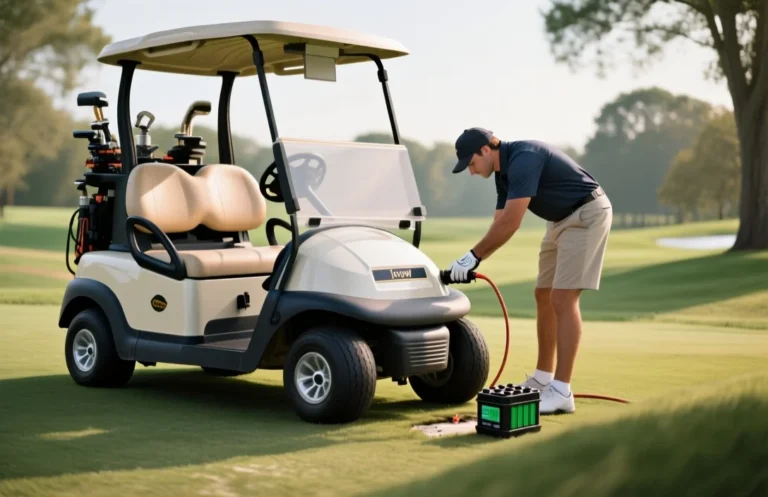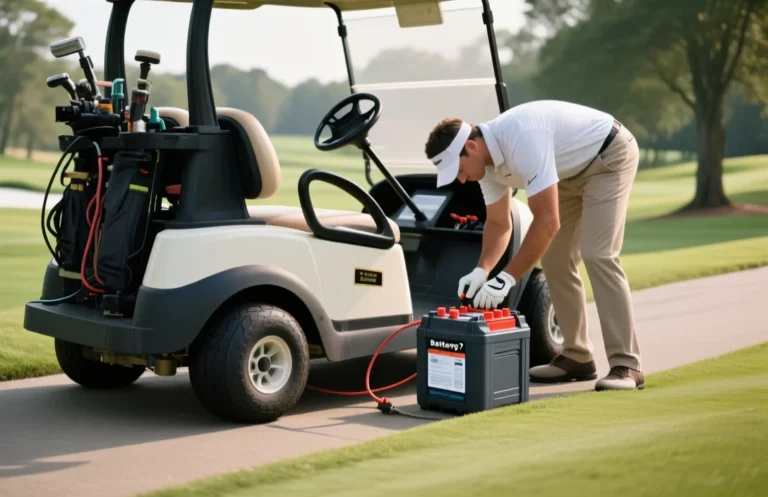

How To Add Water To Golf Cart Batteries?
Power safety first: if the water level is wrong, battery life drops fast or you risk a gas release. The spec that matters most is per-cell water level, checked through the vent cap openings. The common mistake is using tap water or overfilling. Find the min and max marks on each cap and start with the battery cooled after a charge.
Water level per cell should be kept just above the plates. Use distilled water only, fill after charging, and stop at the cap level rather than the top. If the battery is hot, wait 1 hour to cool before adding water, and clean spills immediately to avoid corrosion.
Identify Battery Water Needs
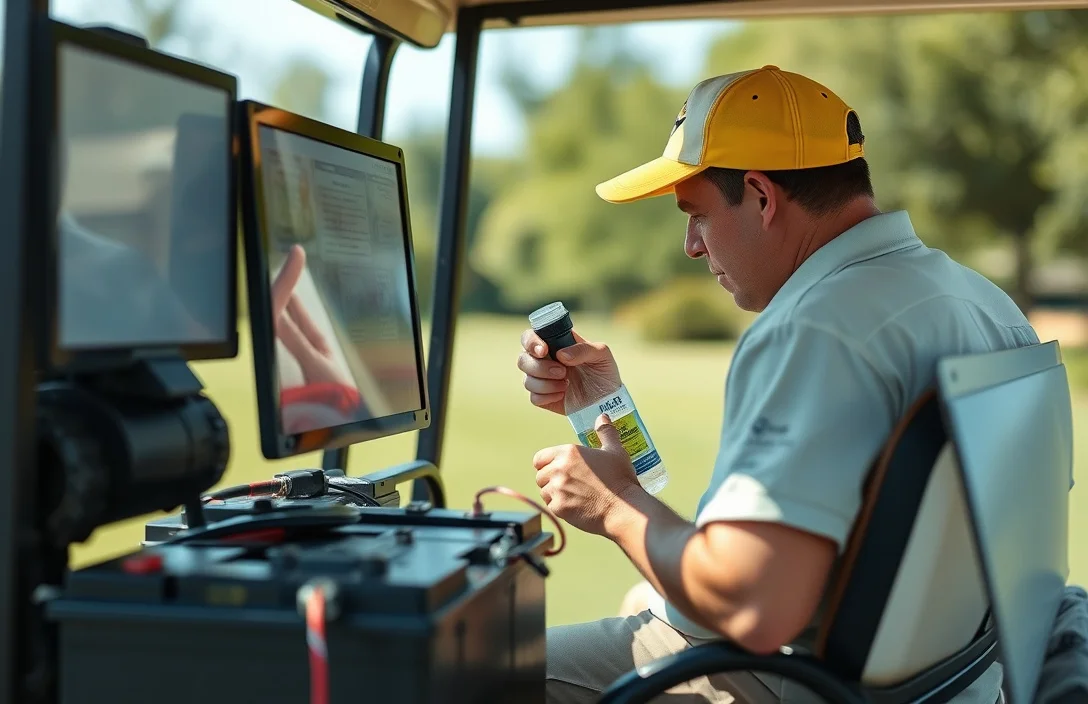
Most golf cart packs use flooded lead-acid cells with removable vent caps. Watering is required only for those flooded cells; AGM or gel packs do not require watering. Always check the manufacturer guidance for water type and level.
| Battery Type | Watering Need | Water Type | Fill Level Guidance |
|---|---|---|---|
| Flooded Lead-Acid | Required | Distilled water | Fill to just above the plates or to the fill marks; do not exceed the cap level |
| AGM | Not required | N/A | N/A |
| Gel | Not required | N/A | N/A |
Note: Always verify with the battery label or manufacturer; incorrect water type or overfilling can dilute electrolyte, cause overflow, or damage plates.
Safety Essentials During Watering
Ventilation matters during watering because gas released from the cells can build up in enclosed spaces. Protect eyes and skin with proper PPE and handle water slowly to limit splashes.
Hydrogen gas is flammable and can ignite from sparks or flames. Work in a well ventilated area, keep ignition sources away, and avoid smoking during the process.
Before opening any caps, ensure the charger is off and the pack is cool to the touch. Avoid watering a hot battery, and inspect for obvious damage or corrosion before and after the procedure.
| Safety Focus | Why it matters | What to do |
|---|---|---|
| Ventilation | Prevents gas buildup that can create an explosion risk in enclosed spaces. | Open doors or work outdoors if possible; ensure airflow is continuous during watering. |
| PPE | Protects against acid splashes and fumes that can injure skin and eyes. | Put on goggles, gloves, and long sleeves; remove jewelry that could snag. |
| Water handling | Overfilling can cause spills and shorting; proper level protects plates. | Water slowly and observe the level so it just covers the plates without overflowing. |
| Acid spills can damage surroundings and equipment. | Have baking soda ready and clean spills promptly with water and the neutralizer as needed. |
Never lean over the cells while watering, and keep caps down to prevent stray splashes. Work in a stable, well lit area, and take breaks if you feel fatigue or heat coming on.
Water Quality and Tools
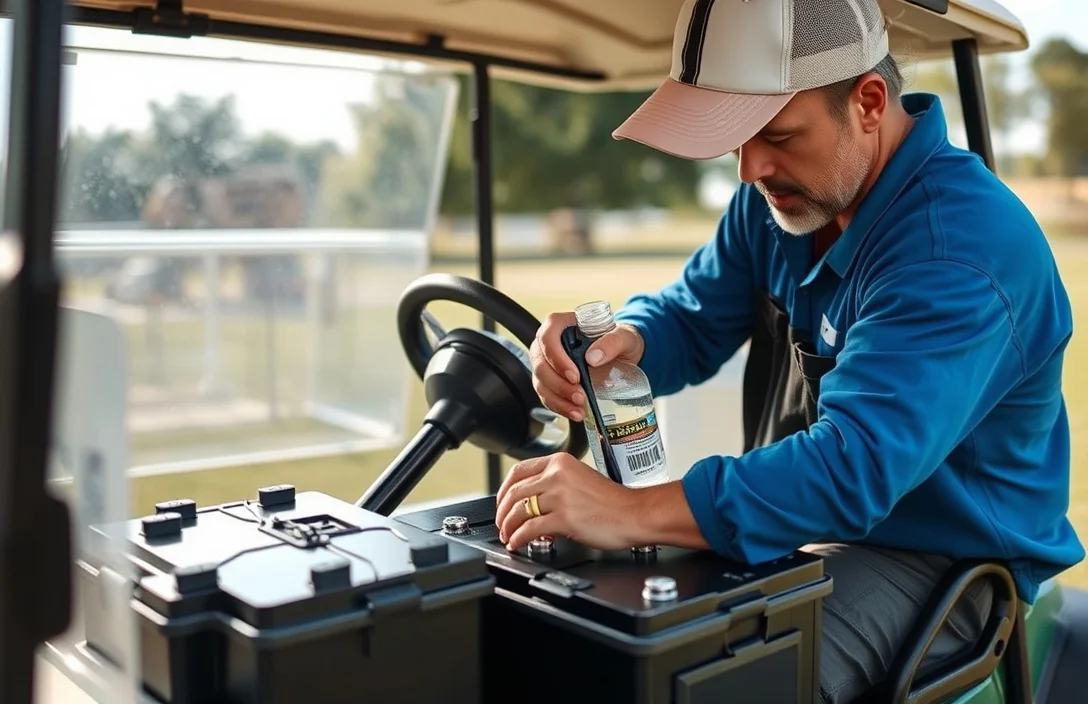
Only distilled water should ever go into flooded golf cart cells. Mineral-rich water invites deposits that foul plates, reduce conductivity, and shorten life. If you top up with the wrong liquid, you may see reduced capacity after a few cycles. Keep water levels aligned with the manufacturer marks and avoid overfilling.
Do not use softened or mineral-laden water. Contaminants can accelerate sulfation and gas generation, especially during charging. If you see cloudy water, do not use it. Always confirm the water is clear and free of particulates before pouring; even small sediment can lodge in cell caps.
Prepare with the right tools: a small funnel, a cap wrench that fits your vent caps, and a bright flashlight to see into each cell. A clean, labeled container for the water helps prevent cross-contamination, and gloves or eye protection add a layer of safety.
Use the following setup to prepare and perform top-ups safely.
| Item | Amount/Specification | Notes |
|---|---|---|
| Distilled water | Sufficient to top up all cells; typically 1 – 2 L per battery group | Only distilled water, free of minerals |
| Funnel | Small, narrow-mouth funnel | Minimizes spills during pouring |
| Cap wrench | Standard cap wrench compatible with your caps | Loosens and reseals vent caps safely |
| Flashlight | Bright LED handheld | Illuminates cell interiors and fill lines |
| PPE (gloves/eye protection) | Appropriate protection | Protects from splashes and acid exposure |
When to Add Water
Water is added after a full charge and once the battery has cooled. This timing helps prevent electrolyte overflow and ensures the plates settle before rebalancing. Fill to the line or just below the vent caps to avoid overfill during the next charging cycle.
Swollen, leaking, or abnormally hot cells indicate a fault or overcharging. Do not water further and investigate the charging setup before proceeding.
| Situation | Recommended Action |
|---|---|
| Just after full charge and cooling | Open vent caps and add water to just below the caps for each cell. |
| During normal use | Check levels monthly or per manufacturer guidance; top off to the line as needed. |
| In storage or after a deep discharge | Avoid watering until the pack has been recharged and cooled. |
Bottom line, keep the levels consistent by timing watering with full charge and cooling, use proper water type, and avoid watering when the battery is not in a stable state. Regular checks reduce the risk of under or overfill and help preserve capacity over time.
Step-by-Step Watering Guide
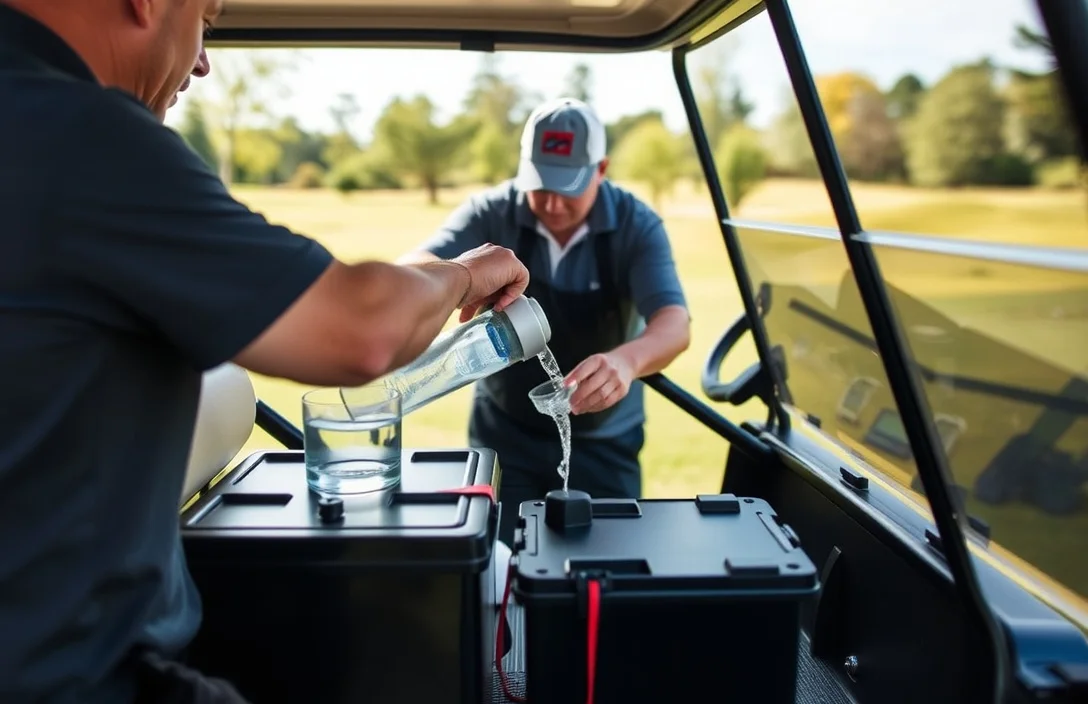
Remove the vent caps and check every cell for proper electrolyte level. If a cell sits below the fill line, add distilled water slowly until it reaches the mark. Re-cap the battery and wipe away any spills.
Post-Watering Care and Checks
Recheck electrolyte levels after charging to verify they are within the recommended range. If levels fall below the top of the cells, add distilled water until they reach the proper fill line, then run a full charge to settle the electrolyte. Avoid overfilling or using anything other than distilled water.
Maintain a maintenance log to reference future watering, charging, and conditions. Record the date, battery bank, level readings, water added, and any abnormal observations so you can spot trends over time.
Below is a simple log template you can adapt. Use it after every watering and charging cycle to keep a clear record.
| Date | Electrolyte Level (top line) | Water Added (L) | Observations | |
|---|---|---|---|---|
| 2026-06-17 | 1 | Near top | 0.75 | No leaks |
Tip: persistent low levels after charging may indicate a leak or worn electrolyte seals. Do not ignore this sign, and consult a professional or consider replacing the battery bank.
In practice, always use distilled water and never mix different electrolyte chemistries. Keep vent caps loose enough to vent during charging but secure enough to prevent spills. Store tools and water away from heat sources to prevent accidental splashes and contamination.
Quick Summary
Adding water to golf cart batteries is essential for maintaining performance and lifespan.
Frequently Asked Questions
How often should I add water to my golf cart batteries?
You should check the water levels in your golf cart batteries every month, especially in hot weather. If the water level is below the plates, add distilled water until it covers the plates by about 1/4 inch.
What type of water should I use to fill golf cart batteries?
You should use distilled water to fill your golf cart batteries, as it prevents mineral buildup that can harm battery performance. Avoid using tap water due to its impurities.
Is it safe to add water to golf cart batteries while they are charging?
No, it is not safe to add water while the batteries are charging. Always wait until the charging process is complete and the batteries are cool to avoid potential hazards.
What happens if I overfill my golf cart batteries with water?
If you overfill your golf cart batteries, the excess water can lead to splashing during charging, which may cause corrosion or damage to the battery terminals. It can also dilute the acid solution.
How can I tell when it is time to replace my golf cart batteries?
You should consider replacing your golf cart batteries if you notice a significant drop in performance, such as reduced runtime or difficulty holding a charge, typically after 3-6 years of use.