How Much Hp Does A Golf Cart Have?
Power decisions start with the motor rating and the system voltage. The most important spec is the motor rating; the common mistake is assuming mph equals hp. The first label to check is the motor nameplate, which shows the hp and the voltage.
Horsepower in golf carts varies by type and model. Electric carts typically list around 10 to 20 hp equivalent, while gas carts run roughly 8 to 18 hp. Exact numbers come from the motor or engine nameplate, so check the label on the cart for the precise figure.
What is Horsepower?
Horsepower is a unit of power that measures how quickly work can be done. In practice, 1 hp equals 746 watts. For golf carts, horsepower describes the motor’s potential output, but real performance depends on torque, RPM, gearing, and the battery or fuel system.
Horsepower relates to torque and rotational speed. The basic formula HP = (torque in lb-ft × RPM) / 5252 translates motor torque into horsepower. On electric carts, manufacturers may list peak horsepower or continuous horsepower, and the spec ties to the motor current limit and controller settings.
In practice, horsepower alone does not determine acceleration or hill-climbing ability. Torque at the wheels and the final drive ratio are what convert a power rating into usable motion. A cart with high horsepower but conservative gearing or heavy weight may feel sluggish, while a lower rating can feel quick with strong torque and efficient gearing.
Interpreting a rating requires looking at several aspects:
| Metric | What it implies for performance | What to verify |
|---|---|---|
| Peak horsepower | Maximum power for short periods, often used to advertise capability | Cooling, controller current limit, duty cycle |
| Continuous horsepower | Sustained power during normal operation | Battery current capacity, wiring, thermal management |
| Torque | Twisting force that drives acceleration and uphill ability | Motor torque rating, gearing ratio |
In the end, horsepower is a useful reference, but real-world performance depends on torque, gearing, battery health, and how the rating is defined. When evaluating a golf cart, check whether the spec is peak or continuous, and pair it with torque and gear details to predict how it will behave in your typical use.
Typical HP Ratings for Golf Carts
Electric Golf Carts deliver torque at low speed due to motor design, and horsepower specs vary widely by voltage, motor, and controller. Real-world performance is better judged by torque curves and acceleration than a single number. Higher voltage systems with capable controllers generally offer stronger response and uphill ability.
Gas Golf Carts rely on an internal combustion engine, and the horsepower figure depends on engine size and tuning.
In practice, more displacement and modern EFI can provide more power at higher RPMs, but acceleration also depends on gearing, weight, and drive layout. Both propulsion types require matching gears and suspension to translate available hp into usable performance on the course.
| Aspect | Electric Carts | Gas Carts | Practical Note |
|---|---|---|---|
| Power source | Battery voltage drives motor output; peak power depends on motor and controller | Internal combustion engine horsepower varies with displacement and tuning | Voltage and engine tuning shape how power is delivered to the wheels |
| Power delivery | High torque at low RPM, usable horsepower varies with setup | Engine torque grows with RPM, affected by gearing | Look for real-world acceleration evidence, not just peak numbers |
| Top speed control | Usually corralled by gearing and limits, not just hp | Top speed depends on gearing and exhaust tuning | Torque availability matters for hills and starts |
HP is only part of the picture; torque, gearing, weight, tires, and drag determine real performance on courses and rough terrain.
Comparing Popular Golf Cart Brands
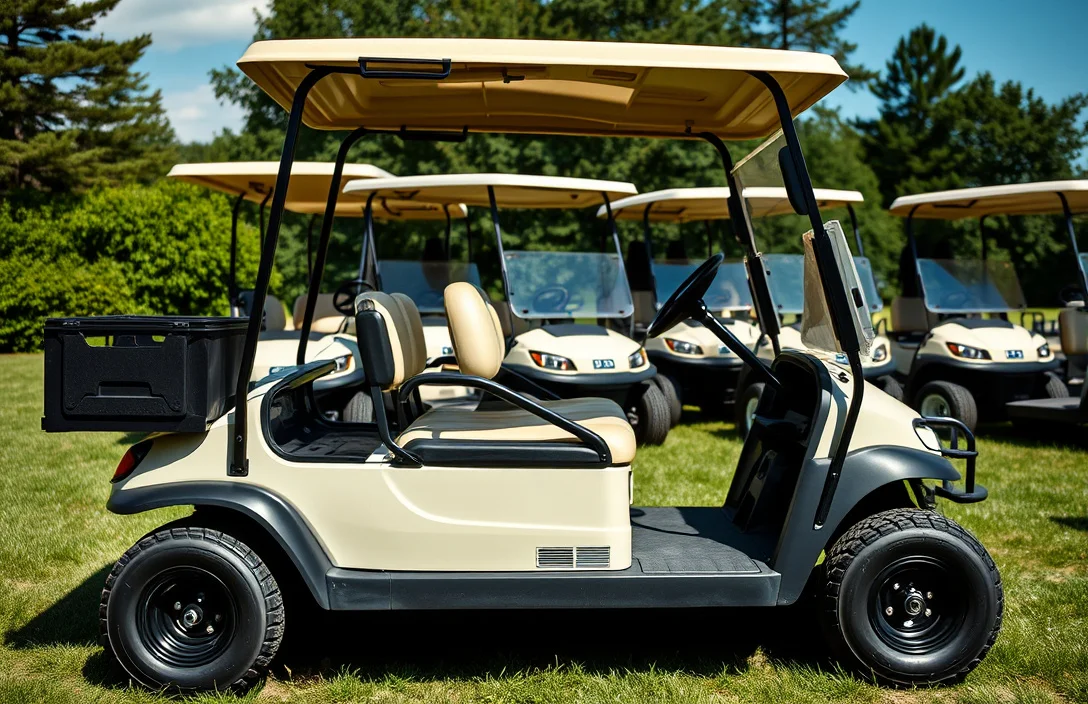 Club Car, Yamaha, and EZGO are prominent brands in the golf cart market, each offering different horsepower ratings that influence performance and usability. Typically, electric models from these brands range from 5 to 20 hp, while gas models can go up to 30 hp. The choice between electric and gas can significantly affect not only power but also maintenance and operational costs.
Club Car
Club Car’s electric carts generally have horsepower ratings around 5 to 10 hp, designed for efficiency and smooth operation on the course. Their gas models, such as the Onward series, can reach up to 14 hp, providing more torque for hilly terrains and heavier loads. The balance between performance and energy efficiency is a notable feature of Club Car.
Yamaha
Yamaha offers a variety of models with horsepower ratings that vary depending on the intended use. Their electric carts typically feature around 8 hp, focusing on reliability and lower running costs. The gas models, like the Drive2 series, can deliver up to 27 hp, making them suitable for more demanding applications beyond just golfing, like maintenance and transportation within larger properties.
EZGO
EZGO features a mix of electric and gas-powered options with horsepower ranging from 11 hp in their electric models to 35 hp in gas variants. Their RXV electric carts provide a good balance of power and efficiency, while their gas models like the TXT can tackle more rugged environments. This versatility makes EZGO a popular choice among various users, from casual golfers to those needing utility vehicles.
| Brand | Model Type | Horsepower Range | Notable Features |
|---|---|---|---|
| Club Car | Electric | 5 – 10 hp | Efficiency, smooth operation |
| Club Car | Gas | Up to 14 hp | Good torque for hilly terrains |
| Yamaha | Electric | Approximately 8 hp | Reliability, lower running costs |
| Yamaha | Gas | Up to 27 hp | Suitable for demanding applications |
| EZGO | Electric | 11 hp | Good balance of power and efficiency |
| EZGO | Gas | Up to 35 hp | Versatile for rugged environments |
Understanding the horsepower ratings across these brands allows buyers to make informed decisions based on their specific needs, whether for golf, utility, or leisure.
How HP Affects Speed and Torque
Horsepower is a critical factor influencing both the speed and torque of golf carts. Generally, golf carts have horsepower ratings that range from about 5 to 20 hp, depending on the model and whether they are electric or gas-powered. Higher horsepower translates to better acceleration and speed, while torque is essential for handling inclines and carrying heavy loads. Torque refers to the rotational force produced by the engine or motor, which directly affects how quickly the cart can start moving and how well it can climb hills. Electric models, often with lower horsepower ratings, can still provide significant torque at low speeds, making them effective for short bursts of acceleration. Gas-powered carts typically have higher horsepower and can sustain higher speeds over longer distances. In general, the relationship between horsepower, torque, and performance can be summarized as follows:
| Type | Horsepower Range | Torque Characteristics |
|---|---|---|
| Electric | 5-20 hp | High torque at low speeds; good for short distances |
| Gas | 10-25 hp | Higher horsepower allows for sustained speeds and better hill climbing |
For instance, a gas golf cart with 20 hp is likely to reach speeds of 25-30 mph, making it suitable for longer courses. In contrast, an electric cart with 10 hp might max out at 15-20 mph but can provide ample torque for navigating tight turns and hills. Ultimately, when choosing a golf cart, it is crucial to consider how horsepower meets your specific needs. A higher horsepower cart can offer greater speed and performance but may also lead to increased fuel or battery consumption. Balancing power requirements with efficiency will ensure optimal usability for your golfing experience.
Battery Performance and HP Connection
Golf carts vary widely in drive power. Electric models typically present motor power as a small to moderate horsepower equivalent, while gas carts use real engine horsepower that falls in the high single digits or low double digits. Higher power improves quickness and hill climbing but increases energy use, reducing range for electric models if the battery capacity stays the same.
| Cart Type | Power Descriptor | Performance Hint |
|---|---|---|
| Electric | Low to mid HP equivalent | Greater torque at low speeds; higher power draws more current from the battery, reducing range if capacity is not increased. |
| Gas | Engine HP ranges by model | Strong hill climbing and acceleration; fuel use grows with higher power output, and efficiency varies with load. |
Tips for Selecting Based on HP
Usage Needs: Electric models typically have continuous outputs in the lower hp range, while gas carts offer higher hp at the engine.
In practice, electric carts commonly advertise roughly 3 to 8 hp continuous, with peak torque that helps on hills; gas carts generally range from 9 to 20 hp, but effective performance depends on gearing and weight.
Terrain Considerations: Slope grade, driver weight, and cargo influence how much usable power you feel. Higher hp helps with steep climbs, but torque and drivetrain design determine immediate response at low speed and during starting from a standstill.
| Terrain | Electric Cart Typical HP | Gas Cart Typical HP | Notes |
|---|---|---|---|
| Flat, light loads | 3 – 6 hp | 9 – 12 hp | Minimal incline, energy efficiency matters. |
| Gentle to moderate slopes | 6 – 8 hp | 12 – 15 hp | Torque at low speed matters for starts. |
| Steep hills or heavy payload | 8 – 12 hp | 15 – 20 hp | Thermal and battery endurance become critical. |
Safety note: More power increases heat, battery or fuel use, and the need for a capable charging or fueling setup. Verify label specs, weight ratings, and the rated continuous horsepower rather than peak values, and ensure your charger, cables, and battery bank can handle the load.
How to estimate your needs: Start with your typical load, course layout, and average grade. If you regularly climb longer hills, choose higher torque, not just higher hp; confirm motor torque curves and gearing. For mixed duties, consider a slightly higher hp than your minimal calc and test drive if possible.
Safety Considerations in Golf Cart Power
Heat accumulation in golf carts can lead to performance issues and potential safety hazards. Engines, whether gas or electric, generate heat during operation and require adequate ventilation to prevent overheating. Overheating can damage critical components and affect battery health, particularly in electric models.
Battery swelling is another critical safety concern. Lithium-ion batteries, commonly used in electric golf carts, are susceptible to swelling when exposed to excessive heat or overcharging. Swollen batteries can lead to leaks, reduced capacity, and even fires if not addressed promptly. Regular inspections can help identify swelling before it becomes a serious issue.
For instance, if you notice a battery swelling, discontinue use immediately and consult a professional for assessment. Continuing to use a swollen battery increases the risk of malfunction and can compromise overall safety.
Additionally, electrical connections should be checked frequently for corrosion or damage, as these issues can lead to overheating and electrical failure. Maintaining clean and secure connections helps ensure safe operation.
| Potential Issue | Signs | Recommended Action |
|---|---|---|
| Overheating | Unusual smells, smoke, or performance drops | Allow to cool, check ventilation and components |
| Swollen battery | Deformation, leaks, or unusual heat | Discontinue use, consult a professional |
| Corroded connections | Discoloration, poor performance | Clean connections, replace if necessary |
Taking these precautions can significantly enhance the safety and longevity of your golf cart’s power system. Regular maintenance and awareness of potential hazards are key to ensuring safe operation.
Quick Summary
Horsepower on golf carts is not fixed; it varies by model and motor, so check the rating plate for your cart.