Make Your Golf Cart Street Legal In Ohio: Essential Steps Explained
Power decision first: if you want to drive a golf cart on Ohio streets, treat it like a regulated vehicle with proper lighting, safety gear, and registration. The spec that matters most is the maximum operating speed and the equipment list that accompanies it. The common mistake is assuming a standard golf cart is street ready. The first label to check is the speed rating in the owner manual.
Low Speed Vehicle compliance in Ohio requires the cart to meet specific equipment and registration rules before hitting public streets. Expect headlamps, taillamps, turn signals, reflectors, a horn, and a 25 mph maximum on roads, plus valid registration and insurance. Always verify with the local motor vehicle authority before any street use.
Ohio Golf Cart Regulations
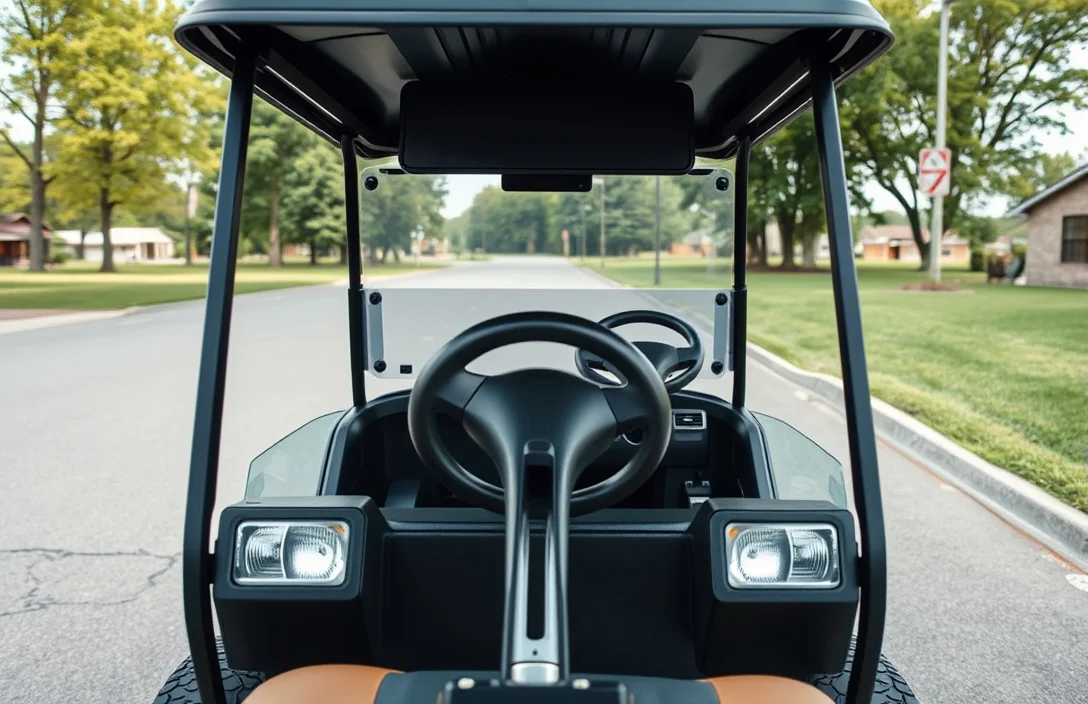
Local laws govern most street use for golf carts in Ohio, with no single statewide rule applying everywhere. Local cities, townships, and counties decide where carts can operate and what equipment or permits are required, while the state provides a framework for low-speed vehicles and general safety expectations.
Definitions of Street-Legal include classifications used by Ohio law for golf carts and low-speed vehicles. The state defines low-speed vehicles as four-wheeled vehicles designed for operation on public roads at low speeds, and localities can set rules about where they may operate. To be street-legal, a cart typically must meet these criteria and be operated on roads permitted by the local authority.
| Term | Ohio Definition / Scope | Practical Implication |
|---|---|---|
| Golf Cart | Typically a small electric or gas vehicle not automatically treated as a standard motor vehicle under general traffic rules. | May require local authorization to operate on public streets. |
| Low-Speed Vehicle (LSV) | Four-wheeled vehicle designed to operate on public roads at low speeds; recognized category under state framework. | Can operate on streets where permitted by local ordinance and with baseline safety equipment. |
| Street-Legal Requirements | Local ordinances plus state framework govern equipment, lighting, signaling, and safety standards. | Check with city or county authorities for exact requirements before operation. |
Local laws require you to check with your city or county clerk about street use and permitted streets. Enforcement and specifics vary widely, so always verify with the local jurisdiction before attempting to drive on a public road.
Required Equipment for Legality
In Ohio, a street-legal golf cart must carry standard safety lighting and passenger restraints as part of its compliance package. Lighting must include front and rear visibility, signaling devices, and reflectors, with belts for each seat and basic safety gear to protect occupants. Confirm exact specs and installations with the Ohio Bureau of Motor Vehicles and local authorities before modifying a cart.
| Item | Amount/Specification | Notes |
|---|---|---|
| Headlights (front) | Two headlights, automotive grade, 12V circuit | Ensure proper aim, brightness appropriate for night driving, replace damaged lenses promptly. |
| Tail lights (rear) | Two tail lights, may include integrated brake light | Must illuminate with headlights on and when braking; check wiring for corrosion. |
| Brake lights | Dedicated brake lights if not integrated with tail lights | Trigger with braking; verify continuity and adequate brightness. |
| Turn signals (front and rear) | Front and rear signaling devices, may share hazards | Functional in both directions; ensure proper cadence and visibility in low light. |
| Reflectors/markers | Rear reflectors and side markers | Visible from multiple angles; keep lenses clean and unobstructed by cargo. |
| Horn | One audible horn, automotive style | Test regularly; ensure tone is clear and compliant with local noise rules. |
| Seat belts | Belts for each seating position, type per design | 3-point or lap belts anchored to the frame; inspect for wear and replace worn belts. |
| Windshield | Windshield if required by local ordinance | Must be safety glass or rated alternative; mount securely and avoid cracks. |
| Rearview mirrors | Interior mirror plus at least one exterior mirror | Two-point visibility helps reduce blind spots; adjust after installation. |
| License plate illumination | Rear license plate light | Keep the plate legible at night where required by jurisdiction. |
Safety and legality hinge on correct installation and ongoing inspection. When in doubt, consult a professional familiar with Ohio street-legal conversions and applicable code updates.
License Plate and Registration Process

To operate a golf cart on Ohio streets, you must title or register the vehicle with the county, provide proof of ownership and insurance, and ensure it meets the state’s street-legal equipment standards. The license plate is issued through the county treasurer or clerk of courts, and ongoing registration fees apply. Expect a processing window that varies by county and may require in-person visits.
Insurance Requirements
On-road use of a golf cart in Ohio almost always requires liability insurance that applies to the cart when used on public roads. Insurance requirements vary by city, and proof of coverage is commonly needed for street-legal operation. Many providers offer standard auto-style liability or specialized golf cart policies that fit these carts.
Types of coverage for street-legal carts mirror standard auto policies with golf cart-specific options. The core is liability to cover injuries and property damage you cause. You may also add optional coverages to protect your own cart and medical costs for occupants.
| Coverage Type | What It Covers | Notes |
|---|---|---|
| Liability | Bodily injury and property damage you cause on public roads | Often required for street use; verify local rules |
| Uninsured/Underinsured | Protection if hit by an uninsured or underinsured driver | Optional rider in many policies |
| Collision/Comprehensive | Cart damage from crashes, theft, or weather | Usually optional; affects premium |
| Medical payments / PIP | Medical costs for you and passengers | Availability varies by insurer |
| Equipment coverage | Upgrades like lights and bumpers | Often requires itemized scheduling |
| Umbrella liability | Extra protection beyond base limits | Requires underlying policy |
Finding Providers
Bundling with homeowners or auto policies can reduce premiums; ask about discounts for safety features and driver training.
Keep proof of insurance accessible in the cart and re-check coverage any time you modify the cart or change jurisdictions. Clear coverage helps ensure compliant and safer on-road operation.
Modifications for Compliance
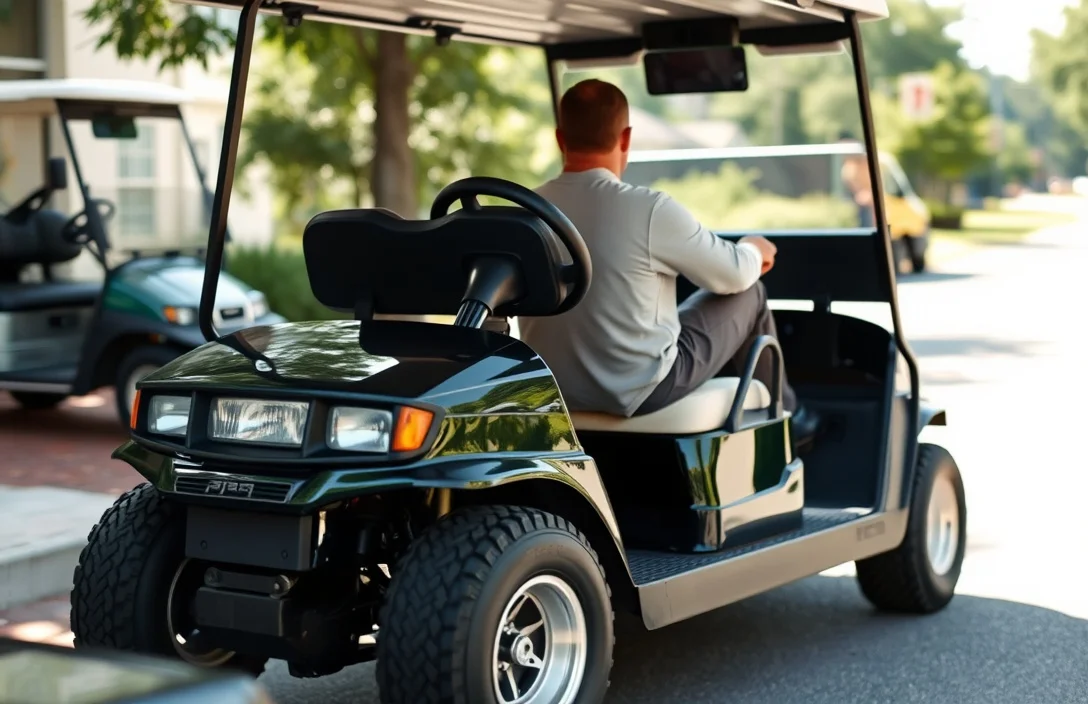
Speed control is the primary compliance lever, typically achieved by installing a dedicated speed limiter wired to the cart’s controller. The device should be locked to the local maximum and non-reconfigurable by standard controls to avoid accidental or intentional overruns. A documented installation with proper testing is essential for safety and roadside checks.
Speed Limiters
Choose a limiter that is integrated with the existing controller or motor drive, not a standalone ballast. Ensure it is locked and cannot be bypassed without service tools. After installation, verify the top speed in a safe, controlled environment and document the setting for compliance records.
Battery and Charger Upgrades
Higher street-legal operation often increases energy demand for lighting, signal devices, and other accessories. Upgrading the battery pack or adding a higher-output charger may be necessary to maintain performance and avoid voltage sag. Only use chargers that match the pack’s chemistry and have proper safety certifications.
| Aspect | What to check | Safety notes |
|---|---|---|
| Battery chemistry | Lead-acid, AGM, lithium variants | Follow manufacturer charging specs |
| Charger output | Match to pack voltage and max charge rate | Overcharging or mismatched voltage can cause damage |
| BMS compatibility | Battery management system alignment with charge profile | Ensure BMS protects cells under higher load |
Note: Always verify local ordinances before modifying and operating on public roads, as regulations vary by city and township.
Safety Considerations
Ohio street use is governed by local ordinances, so rules vary by city or township. Ensure you can legally operate on your street and align safety gear with visibility and signaling requirements.
Traffic Rules: In practice, you must follow standard traffic laws where street-legal carts are allowed. This includes yielding to other vehicles and pedestrians, signaling maneuvers, and staying out of restricted high-speed roadways when not permitted.
Visibility and Awareness: Make yourself a visible, predictable road user by good lighting, bright clothing, and clean windows. Night or low light increases risk, so use headlights, taillights, and reflectors, and keep your horn audible.
Local regulations vary widely; consult your city or county clerk and police department to confirm what is required before taking a cart onto public streets.
| Equipment (may be required) | Purpose |
|---|---|
| Front headlight and rear visibility lighting | Improve visibility to others, especially at dawn, dusk or night |
| Turn signals or hand signal capability | Communicate intentions to other road users |
| Horn or bell | Warn pedestrians and vehicles |
| Reflectors or reflective tape | Enhance visibility when lights are not on |
| Mirrors | Reduce blind spots |
| Seat belts (if installed) | Provide occupant protection on shared roads |
Documentation and planning: Have a plan for weather, maintenance, and potential stops. If anything changes, stop and reassess safety before returning to the street.
Troubleshooting Legal Issues
In Ohio, making a golf cart street legal requires meeting state and local vehicle regulations, including registering the vehicle, carrying insurance, and equipping it with mandated safety features. Compliance often leads to classification as a low-speed vehicle or similar and allows limited street use on roads with posted speed limits that meet the rules.
Quick Summary
To make a golf cart street legal in Ohio, align power hardware with safety, then verify local compliance before any use.
Frequently Asked Questions
How can I verify charger and battery compatibility when preparing a golf cart for street use in Ohio?
Start by checking the battery system voltage on the pack label, which is usually 36V or 48V, and confirm the charger matches that voltage and suitable amperage. Use an OEM or manufacturer approved charger. Matching voltage and charger spec is the single most important compatibility check.
What heat considerations should I plan for when charging a golf cart battery pack for Ohio road use?
Charge in a well ventilated area away from direct sun or heat sources, since high temperatures accelerate battery degradation. Check the battery spec for the allowed charging temperature range and keep the area within that range. Preventing overheating is the simplest way to extend pack life.
How do I estimate how much runtime I can expect from a street-ready golf cart battery setup?
Estimate runtime by converting the battery pack to watt hours and dividing by your typical draw. If you have a 48V, 120 Ah pack, the total energy is 5760 Wh; runtime equals 5760 Wh divided by your average draw in watts. Wh on the battery label is the primary input for runtime estimates.
What safety upgrades are essential to make a golf cart street legal in Ohio?
Install DOT style lighting, a horn, and a secure battery enclosure to improve road safety, and ensure any added equipment is rated for automotive use. Consider a properly rated brake light kit and reflective materials. Using DOT compliant lighting and a horn is essential for road safety.
What buying mistakes should I avoid when selecting batteries and chargers, and how should I time replacements for a golf cart?
Avoid common mistakes like mixing old and new batteries, or buying a charger that does not match your cart’s voltage. Check the battery and charger label for OEM compatibility and the recommended cycle life, and plan replacement by verifying actual capacity against the manufacturer’s spec. Always verify compatibility and replace batteries only when they meet the manufacturer specs.