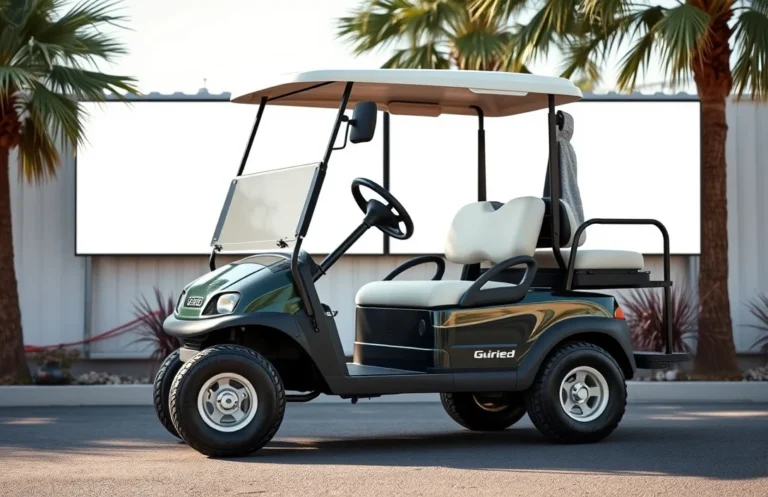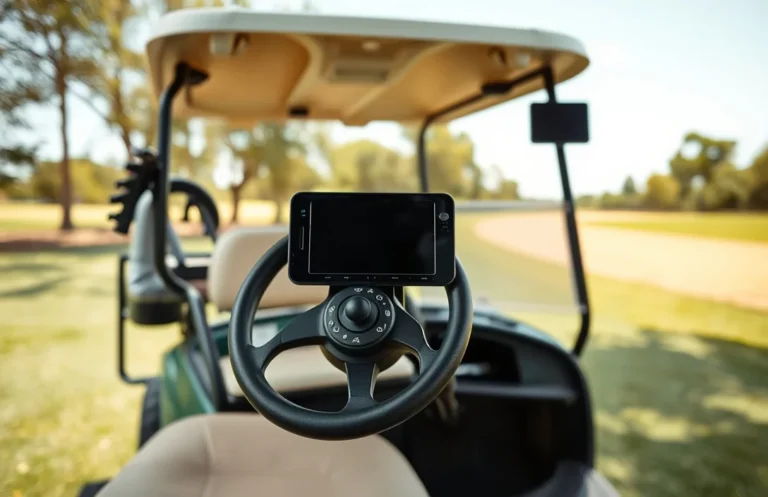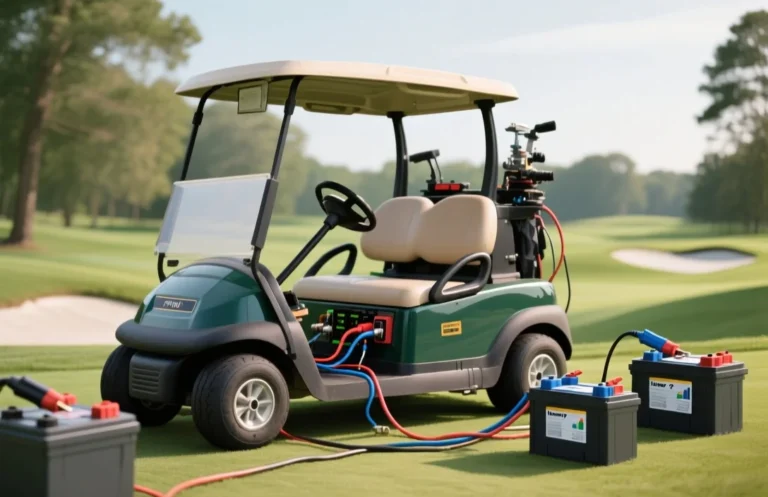

How To Remove Golf Cart Governor?
How to remove golf cart governor? comes down to matching the advice to your situation instead of following a generic checklist. I will focus on the main decision points, the tradeoffs that matter most, and the practical next steps you can use before spending time or money.
What a golf cart governor does

A golf cart governor is a built-in speed limiter that caps how fast the cart can accelerate by controlling throttle input. It uses either a mechanical throttle stop or an electronic signal in the controller to keep the top speed within a designed limit, protecting components and keeping operation predictable.
In gasoline carts the governor is usually attached to the throttle linkage near the carburetor, often a small arm or screw that restricts opening. In electric carts, the limiter lives in the motor controller or along the pedal signal path, sometimes inside the controller box behind the dash.
Removal or bypass is tempting to some owners who want higher top speed or quicker takeoff, especially for private property use or sport-style setups. The tradeoffs include legal risk, warranty voidance, and greater stress on the drive train and electrical system.
| Governor type | Typical location | How it limits |
|---|---|---|
| Mechanical (gas) | Throttle linkage near the carburetor | Restricts throttle opening to keep RPM under a set limit |
| Electronic (electric) | Inside the motor controller or pedal signal path | Caps throttle command or speed by adjusting the signal to the motor |
| Hybrid/other | Rear of controller or governor box | Combination of mechanical and electronic limits |
Note: Bypassing a governor can raise safety risks, violate local rules, and may damage components if the cart is driven beyond its design. Always check requirements and stay within rated specs.
For readers who want more speed without bypassing safety, consider approved performance options like controller tuning by a qualified technician, appropriate tires, and weight balance within the cart’s rated limits.
Identify governor type
Two main architectures control golf cart speed: a mechanical limiter that physically caps throttle travel and an electronic limiter managed by the controller. Visual clues and wiring patterns make it quick to tell them apart without partial disassembly. Use the manual or vendor specs to confirm before attempting any changes.
Visual clues on the drive system help you identify the type. If you see a direct throttle linkage or a governor arm connected to the engine or carburetor, that points to a mechanical limiter. If the throttle input travels as an electronic signal from the pedal to a controller, with no direct linkage, the system is electronic.
| Clue | Mechanical limiter | Electronic limiter |
|---|---|---|
| Throttle connection | Direct linkage to throttle body or carburetor | Electronic signal from pedal to controller |
| Controller presence | Little to no controller involvement in throttle behavior | Controller governs speed with sensor input |
| Wiring | Minimal harness, mainly fuel or ignition cables | Multiple wires to a control module, diagnostics port may be present |
Wiring and controller indicators provide another layer of certainty. Look for a prominent controller box with labeled connectors such as throttle, speed, or governor, and check for a pedal sensor or potentiometer. A lack of electronic sensors and an obvious mechanical arm near the throttle strongly suggests a mechanical limiter.
Consult manuals or vendor specs to confirm. For example, locate the model or serial number, then review the service manual for a section on speed limiters or governors. If the documentation is unclear, contact the manufacturer or a certified dealer for confirmation before making any changes.
Vendor manuals typically label the governor type in the system overview and service sections. When in doubt, rely on the official specification rather than on anecdotal guidance.
In practice, starting with a visual and wiring check is faster than diving into the electrical harness. If you identify a mechanical linkage, the approach differs from an electronic signal path, and the removal steps will be different. The safest path is to verify the type first so you follow the correct procedure.
Mechanical vs electronic removal
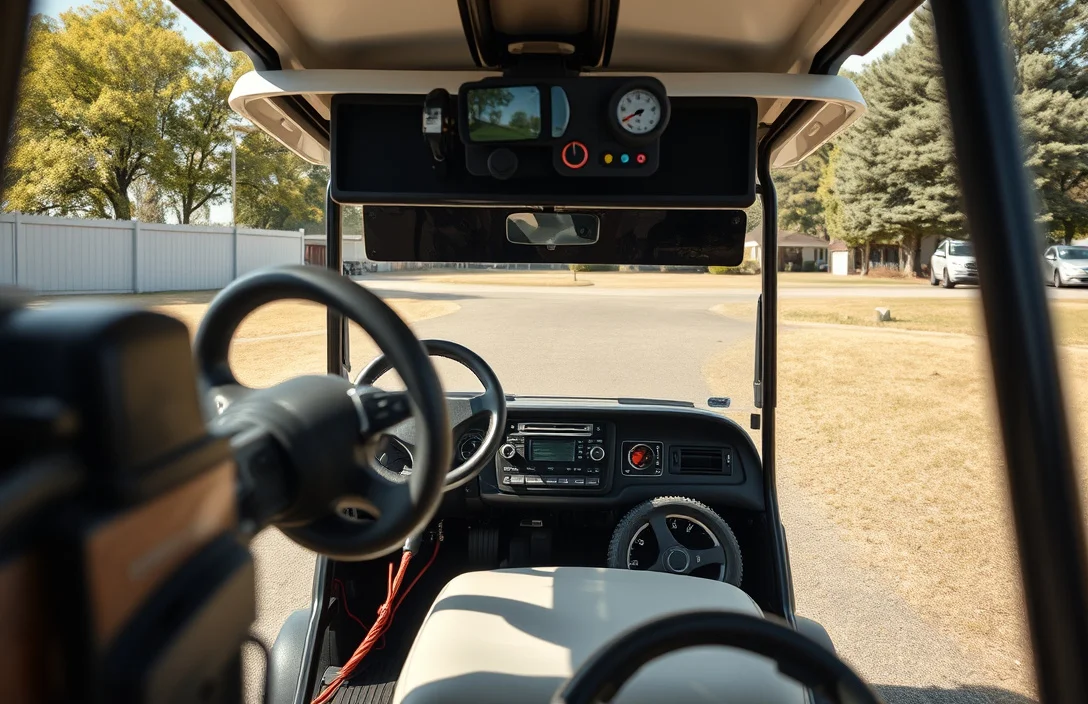
Two paths control a golf cart’s top speed: a mechanical linkage that sets a hard throttle stop, and an electronic limiter enforced by the controller firmware. Mechanical adjustments change the physical throttle travel and are usually reversible with simple re-tuning, while electronic limits depend on software settings and sensor data.
Mechanical linkage adjustments: The throttle plate, pedal linkage, and stop connect directly; altering this path changes maximum throttle before the engine reaches full power. Adjustments are made by loosening fasteners, turning an adjustable screw, or repositioning a lever, then re-tightening and retesting under load.
Electronic limiter with controller/firmware: The value is stored in the controller or a separate limiter module; changing requires software access, a configuration utility, or an app connected to the vehicle’s CAN network.
In practice, this work should be done by the dealer or a technician with the proper tools and procedures.
Common signs of mechanical adjustments: You can feel a physical stop in the pedal travel and can see a visible change in the linkage geometry. There is no error message involved, only the throttle response changes.
Common signs of electronic limiter: No physical change to the linkage but the dash or controller shows a top speed setting or diagnostic fault codes. If you observe a fault code or inconsistent throttle response after changes, that points to software-level control rather than a simple mechanical stop.
Electrical system impact
When the limiter is removed, the drive can reach higher speeds, and the motor will demand more current during acceleration. The battery, controller, and wiring must handle increased voltage headroom and current peaks, or performance will suffer and components may heat or fail prematurely.
Safety, laws, and risks

Tampering with the golf cart’s speed control increases top speed and handling risks, which can lead to loss of control, increased braking distance, and overheating components. It also commonly voids the manufacturer’s warranty and can trigger higher liability for the owner. In some jurisdictions, altering maximum speed may violate local regulations or warranty terms.
| Risk | Impact | What to expect |
|---|---|---|
| Warranty voiding | Loss of manufacturer support for drivetrain components | Repairs billed to you; eligibility for recalls may be removed |
| Insurance issues | Higher premiums or limited coverage in a claim | Investigate policy terms before any modification |
| Legal penalties | Fines, vehicle impoundment, or required compliance retrofits | Check local regulations before altering speed limits |
If a cart must meet higher-performance needs, consult the manufacturer for approved options or professional tuning that preserve safety, warranty, and compliance. Otherwise keep the speed within design limits and focus on safe operation.
What removal involves?
The scope of this change includes evaluating safety implications, checking legal and warranty considerations, and identifying what parts and data must be handled. It also requires documenting baseline conditions and the potential impact on performance and control systems, so you understand what you may be risking. This upfront review helps you decide whether to proceed and what steps a technician or dealer may require.
Alternatives that stay legal and safe
Authorized reprogramming via manufacturer tools keeps performance within safe limits. These adjustments are performed by a certified technician and maintain warranty and insurance eligibility.
Controller upgrades with built-in safety features start by selecting a unit that supports adjustable caps and safety protections. Ensure integration with your motor and sensors, and have installation done by a qualified technician to preserve reliability and warranty.
Battery, motor, and gearing options expand how the cart behaves without exceeding legal speed. A higher torque motor or a different gear ratio can improve take-off and hill performance while staying within the approved speed cap when used with a compliant controller. Ensure cooling and charging align with new specs.
| Option | What it does | Pros | Cons | Warranty/Insurance |
|---|---|---|---|---|
| Authorized limit adjustment | Sets cap within approved range | Preserves warranty, predictable limits | Limited to manufacturer-specified values | Typically maintains coverage |
| Controller upgrade | Advanced control with safety protections | Smoother response, safer start | Requires professional install | Verify with insurer |
| Gear/motor upgrade | Torque and speed profile changes | Better acceleration and hill ability | Possible cooling/wiring considerations | May affect warranty |
Understanding speed limits and insurance implications is essential. Local laws may require carts to stay under certain speeds on streets and sidewalks; altering the cap can affect registration and coverage. Always document changes with your insurer and comply with road-use rules to avoid penalties or liability in an accident.
Quick Summary
Removing a golf cart governor is not recommended; prioritize safety, legality, and manufacturer guidance before considering any modification.
Frequently Asked Questions
Is removing the golf cart governor compatible with my model and will it void the warranty?
Compatibility varies by model and year, and many manufacturers consider governor removal to void your warranty. Always check the service manual and confirm with the dealer before proceeding.
How long does the governor removal process take, and when should I replace wear parts like the throttle cable during the job?
Removal typically takes 1-3 hours depending on model and access to the throttle linkage. During the job, inspect the throttle cable and connectors and replace worn parts to avoid rework.
Will removing the governor cause the motor or controller to overheat, and what heat signs should I monitor?
Yes, removing the governor can increase top speed and current draw, which raises the risk of controller overheating risk if cooling is insufficient. Monitor the controller temperature during initial runs and avoid prolonged heavy loads until you verify safe operation.
What are common buying mistakes when attempting governor removal, such as choosing the wrong kit or skipping safety steps?
Common buying mistakes include selecting a generic kit that does not match your model, ignoring safety warnings, and not verifying model compatibility with your specific controller and throttle setup. Failing to confirm compatibility can waste time and introduce safety risks.
Are there safer or cheaper alternatives to removing the governor that still increase speed, and how should I assess them before buying?
Yes. Safer alternatives include using the controller’s built-in speed limiter or an OEM-approved tune, which can provide limited speed gains without altering safety systems. Rely on built-in limiter or OEM-approved tune to preserve safety and warranty where available.