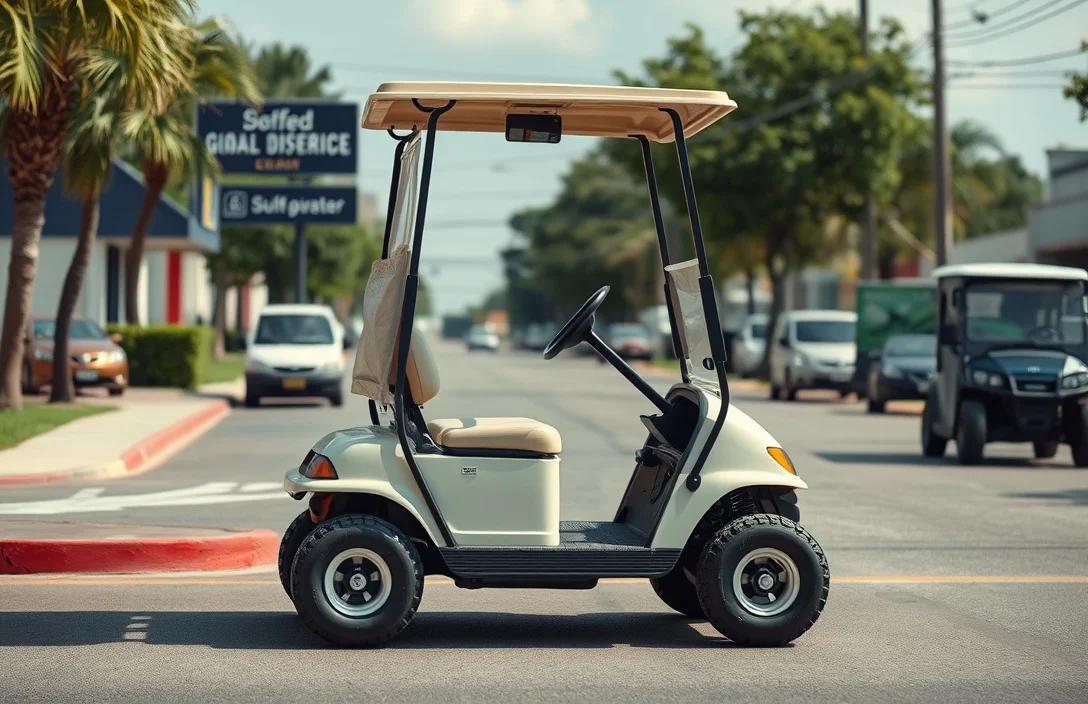
Make Your Golf Cart Street Legal: Essential Modifications Explained
Street legality for a golf cart boils down to lighting, signals, and safety equipment. The spec that matters most is the lighting and signaling package. The common mistake is ignoring the required horn, mirrors, and license plate setup. The first label to check is the top speed governor, confirm it keeps you under local limits before any ride.
Street legality for a golf cart means meeting local vehicle standards with a compliant light package, signals, horn, mirrors, and seat belts where required. A typical setup includes headlights, tail lights, brake lights, turn signals, and a horn. The cart should stay under 25 mph if your area uses that limit.
Required Modifications

Making a golf cart street legal involves several essential modifications to ensure safety and compliance with local traffic regulations. These modifications typically include the installation of proper lighting systems and ensuring the cart meets speed limit requirements for road use.
Lighting Requirements
Lighting is critical for visibility and safety when driving a golf cart on public roads. Essential lighting components include:
In some areas, additional lighting such as street-legal LED light bars or hazard lights may also be required. Check local regulations to ensure compliance with specific lighting laws.
Speed Limit Compliance
Most jurisdictions classify golf carts as low-speed vehicles, which means they must adhere to specific speed limits, usually around 25 mph. To achieve this, consider the following modifications:
In practice, verify the local speed limits for low-speed vehicles and any additional requirements, such as registration and insurance. Ensuring your golf cart is equipped to meet these standards will facilitate a smoother transition to street legality.
Battery Specifications
Battery voltage sets the compatibility with golf cart motors and the street-legal drive system. Most street-ready golf carts operate on nominal 48V packs, with some performance builds using 72V or other higher voltages; matching the pack voltage to the motor controller is essential for safe operation. Capacity, shown in amp hours (Ah) or watt hours (Wh), determines usable range and how often you must recharge between trips. A higher energy rating improves range but adds weight and charging considerations.
Common golf cart battery pack sizes and notes
| Pack Voltage | Common Chemistries | Typical Capacity (Ah) | Usable Energy (kWh) | Notes |
|---|---|---|---|---|
| 36V | Lead-acid, LiFePO4 | 60-120 | 2.2-4.8 | Lower cost options exist; heavier weight with lead-acid |
| 48V | Lead-acid, LiFePO4, NMC | 100-200 | 4.8-9.6 | Most common; balanced weight and range |
| 72V | LiFePO4, NMC | 50-120 | 3.6-8.6 | Higher performance; requires compatible controller and wiring |
Important safety note: never mix different chemistries; use a battery management system and a charger rated for the pack to prevent overheating and overdischarge.
In practice, when selecting a pack, confirm two key specs: nominal voltage and usable capacity. The nominal voltage is what the controller expects; usable capacity accounts for the portion you can actually draw before the protection triggers, and it may be lower than the label. For LiFePO4 cells, the voltage is stable during discharge, which helps predictable performance.
For example, a 48V LiFePO4 pack rated around 100-150Ah offers roughly 5-7.5 kWh of usable energy, which translates to typical daily ranges for a golf cart on moderate use.
In practice, your actual range will vary with speed, terrain, weather, and payload.
Safety and legality hinge on more than the battery alone. Improper wiring, venting, or charging can cause overheating, swelling, or fire risks, so use certified components and follow the cart maker’s guidance. Always verify local rules and install requirements before proceeding.
Electrical Component Installation
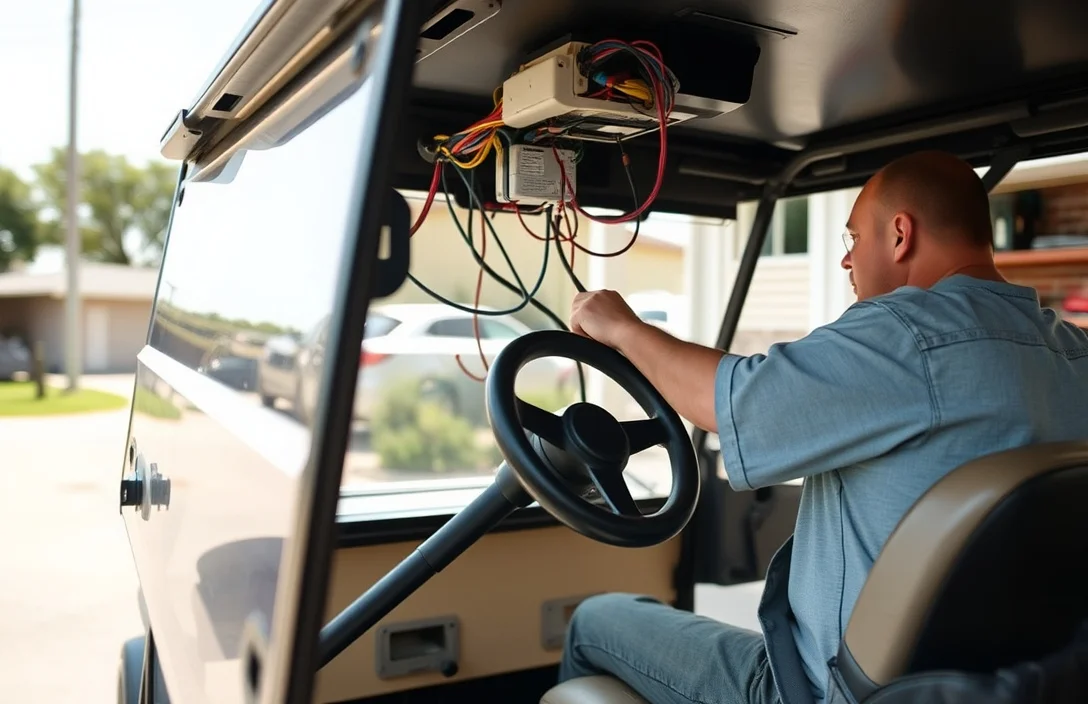
Install a compliant lighting and signaling package wired to a single fused circuit using a documented diagram. Verify the cart’s voltage matches the harness rating and that all headlights, taillights, brake lights, and turn signals will meet local visibility requirements. Use weatherproof connectors and appropriate fuses to prevent shorts and heat buildup.
Safety Regulations
Street-legal status is granted only after meeting local equipment and registration requirements. Most jurisdictions require basic safety equipment such as headlights, taillights, turn signals, horn, mirrors, and seat belts, plus registration and insurance. Regulations vary by state and municipality, so verify with the DMV or local code office before modifying.
General Safety Guidelines emphasize safe operation, proper electrical and mechanical condition, and ongoing compliance checks. Before taking a modified cart on public roads, validate braking performance, steering control, and lighting function under common weather conditions. Keep documentation on hand to prove compliance if required by local authorities.
| Safety Component | Purpose | What to Verify |
|---|---|---|
| Headlights/Taillights | Improve visibility and on-road signaling | Operation, beam pattern, and compliance with local standards |
| Horn | Warn other road users | Works reliably at practical distances |
| Seat Belts | Occupant protection | Anchorage strength and belt retraction |
Note: Local rules vary widely, and some areas require inspections or explicit certifications for on-road use.
Always confirm current requirements with the local department of motor vehicles or transportation authority before making any modifications for street use.
For example, one jurisdiction may require daytime running lights and a rear brake light, while another may restrict operation to certain streets or require a licensed operator.
In practice, double-checking official codes avoids fines, vehicle impoundment, or unsafe operating conditions.
Charger Compatibility
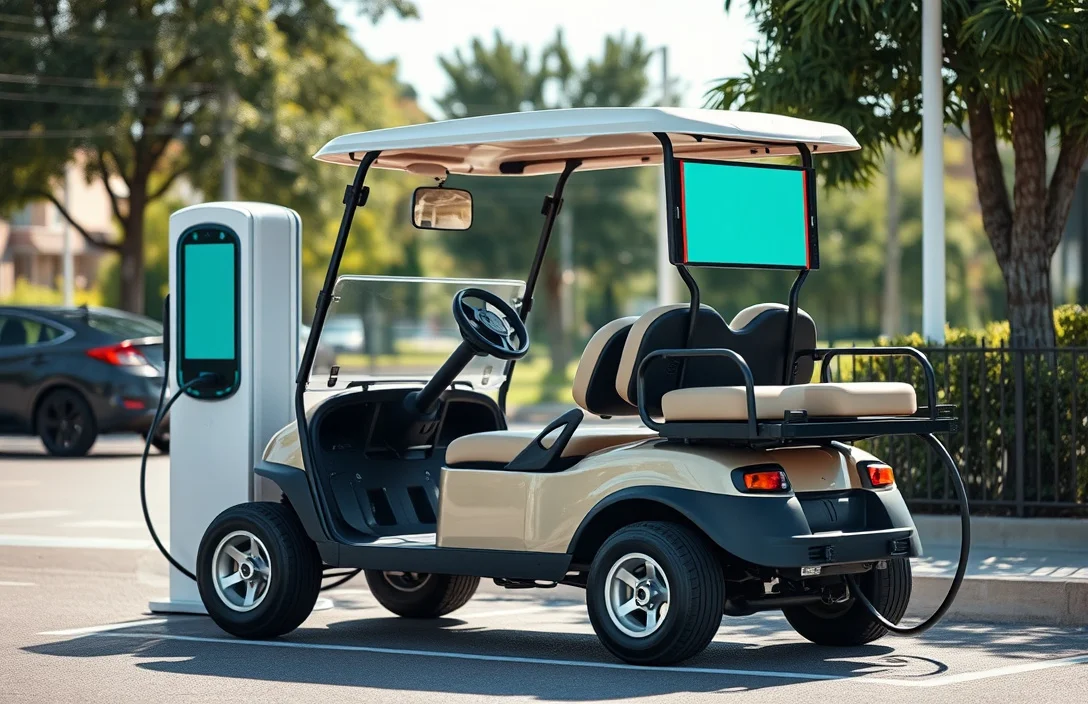
A charger for an upgraded golf cart battery system must match the pack voltage and chemistry, and provide safe, controlled charging on the street. Look for smart, multi-chemistry options with temperature sensing and end-of-charge termination that works with your BMS. Verify the charger can communicate with the pack and fits the available power outlet on your property.
In practice, LiFePO4 or other lithium packs require a charger that can balance cells and monitor temperature to protect the pack during street use.
| Charger Type | Typical Chemistry | Key Benefit | Notes |
|---|---|---|---|
| OEM dedicated charger | Lead-acid or LiFePO4 as specified | Proven fit, simple installation | Follow manufacturer specs and voltage |
| Lithium-ready multi-chemistry | LiFePO4 or Li-ion | Versatility with BMS communication | Ensure proper balancing and temp control |
| Portable home charger | Depends on pack | Flexible charging location | Check current rating and cooling |
Using a charger that lacks end-of-charge control or proper temperature management raises the risk of overheating, swelling, or fire.
Checklist before charging on the street:
Maintenance Tips
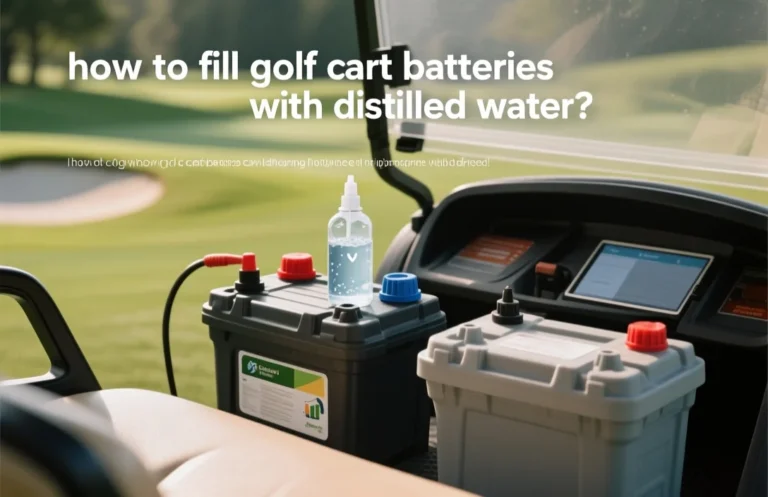
Battery Care keeps golf cart power components reliable on public roads. Regular checks prevent performance drops and failures that could affect lighting and signaling. Maintain electrolyte levels, clean terminals, and proper charging as core routines.
Battery Care requires a simple routine that fits your cart. Inspect connections and test voltage at the pack terminals at the start of a service cycle to confirm consistency across all cells.
| Battery Type | Maintenance Focus | Notes |
|---|---|---|
| Flooded Lead-Acid | Watering, ventilation, terminal care | Keep water at appropriate level, vented area, monitor for gas buildup. |
| AGM | Sealing integrity, charger compatibility | Check for swelling; use proper charger to avoid overcharge. |
| LiFePO4 | BMS status, SOC range | Follow BMS guidance; avoid deep discharge and high-rate charging beyond spec. |
Electrical System Check ensures visibility and signaling on public roads. Inspect lighting circuits, turn signals, horn, and interlocks to confirm they function under typical loads. Verify wiring harness insulation, fuse ratings, and connector integrity to prevent shorts or failures on the road.
Local rules vary; do not bypass safety features. Ensure all systems have proper protection and certification where required.
Battery Care and Electrical System Check together keep a golf cart ready for street use with dependable power and safe operation.
Troubleshooting Common Issues
Electrical failures can disrupt the performance of a modified golf cart. Symptoms of electrical issues include intermittent power loss, dim headlights, or a complete failure to start. Common causes are loose connections, corroded terminals, or a faulty battery. Inspect all wiring and connections, ensuring they are secure and free from corrosion; replace any damaged components as needed. Battery performance issues can arise after modifications have been made. Symptoms like reduced speed, shorter driving range, or slow charging indicate potential problems. These issues are often due to insufficient battery capacity or the use of incompatible batteries. Verify that the installed batteries meet the required voltage and amp-hour specifications for street use, and consider upgrading to higher-capacity batteries if necessary.
Electrical Failures
Symptoms include flickering lights or a malfunctioning speed controller. The cause may be loose connections or damaged wiring. To fix this, tighten all connections and inspect the wiring for signs of wear or damage, replacing any faulty components.
Battery Performance Issues
Symptoms manifest as reduced power or a diminished range. This can happen when the battery is not suited for the added load or has aged significantly. To ensure optimal performance, use batteries rated for higher amp-hour capacities and check their health regularly, replacing them if they show signs of wear or reduced capacity. Implementing these troubleshooting steps can enhance the reliability and efficiency of a modified golf cart, ensuring it meets the demands of street legality. Regular maintenance and checks can prevent many of these issues from arising in the first place.
Quick Summary
To make a golf cart street legal, ensure compliance with local regulations regarding modifications and safety features.
Frequently Asked Questions
What modifications are needed to make a golf cart street legal?
You typically need to add safety features such as turn signals, headlights, and a windshield to comply with local regulations. Additionally, ensure your cart meets the maximum speed limit of 20 mph for street use in most areas.
How much does it cost to convert a golf cart to street legal?
The conversion cost can vary widely but expect to spend between $500 to $1,500 depending on the required modifications and local regulations. Always check local laws to avoid unnecessary expenses.
What is the time frame for making a golf cart street legal?
The time needed can vary, but you can usually complete the necessary modifications and inspections in 1 to 2 weeks. This includes time for ordering parts and scheduling inspections.
What are the safety requirements for a street-legal golf cart?
Safety requirements often include brake lights, rearview mirrors, and a seatbelt system. Check with your local Department of Motor Vehicles for specific requirements in your area.
What common mistakes should I avoid when making my golf cart street legal?
A common mistake is not verifying local laws and regulations, which can lead to fines or additional modifications. Always consult your local DMV before beginning modifications to ensure compliance.