
How To Become A Golf Cart Dealer?
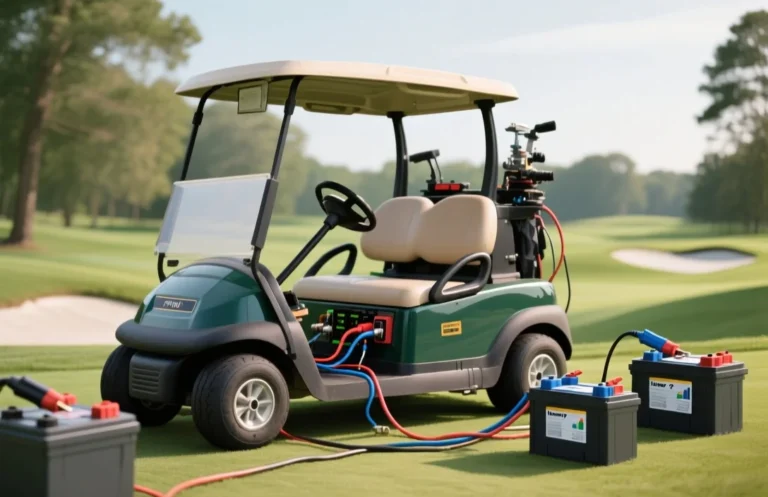
Choose a battery and charger that match the cart family you plan to sell. The most important spec is battery chemistry and charger compatibility; a bad match creates warranty headaches. The common mistake is assuming any 48V charger fits every cart and battery. The first label to check on a pack is the voltage and connector type.
Dealership setup requires securing a business license, signing dealer agreements with at least two golf cart manufacturers, and establishing a showroom plus service and charging space. Register for warranties, obtain permits, and build a maintenance workflow. Expect 4-6 weeks to complete licensing and supplier onboarding. Prepare for warranty support and technician training with suppliers.
Golf Cart Battery Landscape

Lead-acid variants are cheaper upfront but heavier and require water top-offs and venting precautions. AGM is maintenance-light but still needs periodic checks for electrolyte levels. LiFePO4 offers long cycle life and low maintenance but needs a compatible BMS and charging setup.
Battery Types Compared
Lead-acid basics are still common in golf carts, with flooded, AGM, and gel variants dominating fielded options. They tend to be cheaper upfront and robust, but heavier and require regular maintenance and ventilation. Lithium options, mainly LFP and NMC, offer longer life and lighter packs, but need a proper BMS and compatible charging hardware.
Flooded lead-acid is the traditional baseline. It uses liquid electrolyte that needs water top-ups and venting, and it can sulfate if not kept fully charged. Maintenance and charging discipline are critical to maximize life and avoid capacity loss.
AGM and gel variants reduce maintenance because they don’t require watering and venting in typical use. They cost more per amp-hour and may tolerate vibration but often deliver fewer cycles than good lithium options. For many fleets, they strike a balance between reliability and ease of service.
Lithium options split into LFP (iron phosphate) and NMC (nickel manganese cobalt). LFP is known for thermal stability, long cycle life, and robust 48V packs, while NMC packs can pack more energy into the same weight but may have higher cost and care requirements. Both require a compatible BMS and chargers, and charging profiles must match the chemistry.
Voltage and Ah determine usable energy and range per charge. In golf carts, common pack voltages are 36, 48, or higher configurations, with Ah ratings guiding runtime. The C-rate and cycle life indicate how much power you can draw and how many deep cycles the pack supports; lithium typically offers higher C-rates and longer cycles than lead-acid, but always verify the spec sheet.
| Chemistry | Typical Pack Voltage | Common Form Factor | Typical Cycle Life | Notes |
|---|---|---|---|---|
| Flooded Lead-Acid | 36V, 48V | Modular 6V or 8V blocks | 500-900 cycles | Lowest upfront cost, requires watering and ventilation |
| AGM Lead-Acid | 36V, 48V | Similar form factors | 600-1,000 cycles | Maintenance-free relative to flooded |
| Gel Lead-Acid | 36V, 48V | Sealed blocks | 700-1,100 cycles | Good vibration tolerance, stable under damp conditions |
| Lithium Iron Phosphate (LFP) | 36V, 48V | Flat pack modules | 2,000+ cycles | Thermally stable, long life, heavier upfront cost |
| Lithium NMC | 36V, 48V | High-energy packs | 1,000-2,000 cycles | Higher energy density, variable pricing |
Charging Infrastructure Setup
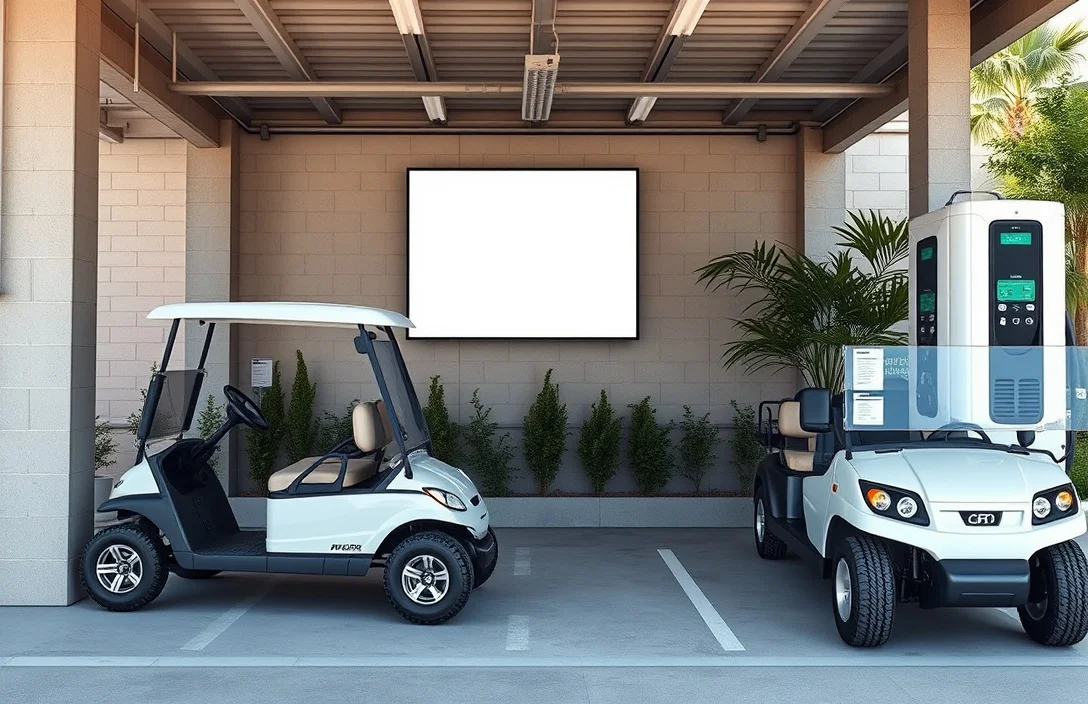
A robust charging infrastructure is essential for a golf cart dealership, ensuring that both the showroom and service areas are equipped to meet the needs of customers. Adequate charger count, power requirements, and safety measures are critical elements in this setup.
For example, if your dealership plans to store and charge 10 golf carts simultaneously, each with a charger rated at 1.5 kW, the total demand would be 15 kW. Check your facility’s electrical infrastructure to ensure it can support this load without risk of tripping circuit breakers.
In practice, regularly inspect all charging equipment and wiring for wear and tear. Look for signs of overheating, such as discoloration or melting. Ensure that chargers are compatible with the battery types used in your golf carts to prevent any potential safety hazards.
Supplier Networks for Carts and Batteries
Building a reliable supplier network is crucial for the success of a golf cart dealership. Selecting reputable OEM golf cart brands and battery vendors ensures quality and customer satisfaction. Additionally, understanding service terms and parts availability can enhance your operational efficiency and long-term relationships with customers.
For instance, if you choose to work with a brand like Club Car, familiarize yourself with their specific battery requirements and maintenance protocols. Ensure that you can source the necessary parts quickly to avoid delays in servicing. Additionally, having a clear understanding of the warranty process can help streamline customer claims and enhance their experience.
Strong supplier networks not only support your inventory needs but also play a significant role in your dealership’s reputation. By focusing on quality brands and reliable battery options, as well as establishing effective service protocols, you can build a successful golf cart dealership that meets customer expectations.
Legal Start-Up Requirements

Establishing a golf cart dealership requires compliance with specific legal and regulatory steps to operate legally. This includes forming a business entity, obtaining the necessary licenses, and ensuring compliance with local sales tax regulations and dealer permits.
By following these steps, you can ensure that your golf cart dealership operates within the legal framework, minimizing potential legal issues in the future. Always stay informed about changes in regulations that may affect your business operations.
Showroom and Workshop Setup
A well-designed showroom and workshop are essential for effectively selling and servicing golf carts. The layout should facilitate customer interactions while allowing for efficient battery maintenance and charging operations.
Creating an effective showroom floor plan involves allocating space for both display and customer engagement. Consider the following:
Electrical capacity is a critical aspect of your workshop setup. Ensure that your facility can handle the energy demands of charging multiple golf carts simultaneously. Focus on the following:
Safety signage and security measures are vital for both customer and employee protection. Implement the following guidelines:
Overall, a thoughtful setup that prioritizes safety, accessibility, and efficiency can enhance the customer experience while ensuring smooth operations within the workshop. Regular reviews of the layout and safety protocols can help maintain high standards of service and performance.
Marketing and After-Sales
Effective marketing and after-sales strategies are crucial for customer acquisition and retention in the golf cart dealership business. Emphasizing battery maintenance and life can significantly enhance customer satisfaction and loyalty.
Positioning around battery life is essential. Highlight the importance of regular maintenance and proper charging techniques to extend the lifespan of batteries. Provide customers with clear instructions on how to care for their golf cart batteries, including:
Warranty programs and service plans can also be effective tools for building customer trust. Offering comprehensive warranties on both the golf carts and their batteries can reassure customers about their investment. Service plans that cover battery maintenance and replacement can further incentivize customers to return to your dealership for ongoing support.
In practice, consider implementing a tiered service plan that might include:
Staff training on battery care is another key component. Ensure that all employees are knowledgeable about the different types of batteries used in golf carts, their charging requirements, and maintenance best practices. Regular training sessions can keep staff updated on the latest technologies and customer care techniques.
“A well-informed staff can provide customers with valuable insights, enhancing their overall experience.”
Ultimately, establishing a solid marketing and after-sales strategy centered around battery care can lead to increased customer satisfaction and repeat business. By positioning your dealership as a trusted resource for battery maintenance and offering strong warranties and service plans, you can build a loyal customer base.
Quick Dealership Summary
Launching a golf cart dealership with a focus on battery solutions involves several critical steps. Initial planning, securing suppliers, and establishing a customer base are essential milestones for success in the industry.
Initial 90 days should include the finalization of legal setups, securing suppliers, setting up your location, and launching marketing efforts. Aim for a strong community presence to build brand awareness and foster customer loyalty.
Quick Summary
Becoming a golf cart dealer hinges on understanding battery and charging specs, safety, and a clear OEM dealer path.
Frequently Asked Questions
What compatibility checks should I perform to become a golf cart dealer?
You can start by confirming the cart models you will support, the battery chemistry, and charger compatibility. Most golf carts use 36V or 48V systems, so stock chargers that match those voltages and the corresponding chemistries.
How should heat and safety considerations influence the process of becoming a golf cart dealer?
Choose chargers with overheat protection and ensure the charging area is ventilated. Keep charging temperatures between 0 and 40 C to minimize heat stress on batteries and reduce safety risks.
What runtime information should I provide customers as a new golf cart dealer, and how does that affect inventory planning?
Runtime depends on pack capacity and usage; verify the energy rating in kWh and the manufacturer’s range estimate. Battery capacity in kWh is the key spec for runtime, so present that alongside expected range per charge.
When should golf cart batteries be replaced, and how should I set safety-focused policies as a dealer?
Replacement timing should follow the manufacturer warranty and cycle life; plan service and stock accordingly. Lead-acid batteries commonly last 1-3 years, while lithium packs can reach 5-10 years with proper care. Manufacturer warranty and cycle life should guide replacement timing.
What buying mistakes do new golf cart dealers commonly make when sourcing batteries and chargers, and how can I avoid them?
Common buying mistakes include stocking incompatible chemistries, skipping warranty terms, and underestimating service needs. Start with a 30- to 60-day pilot inventory to test demand and avoid overstock.