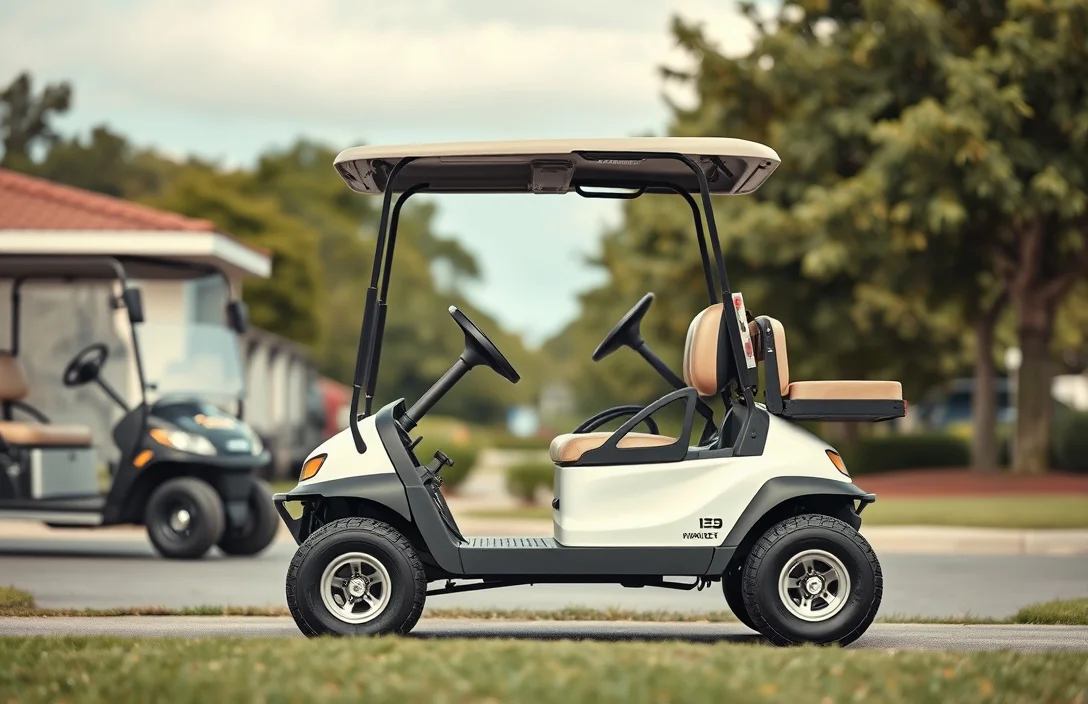
How To Lift Golf Cart?
Safety first: lift only at the golf cart’s official lift points and never lift from the frame or body. The spec that matters most is the cart’s maximum lift weight rating and where supports can bear load. The common mistake is lifting on the chassis or a home made cradle, which can slip or bend battery trays. Start by checking the cart’s manual for the exact lift points and rating.
Lifting golf cart steps: use official lift points, pump a floor jack rated at least 2 tons, place jack stands under support points, chock opposite wheels, and raise slowly to 1 to 2 inches. Check manual for exact max height.
- Battery
Lifting Techniques Overview
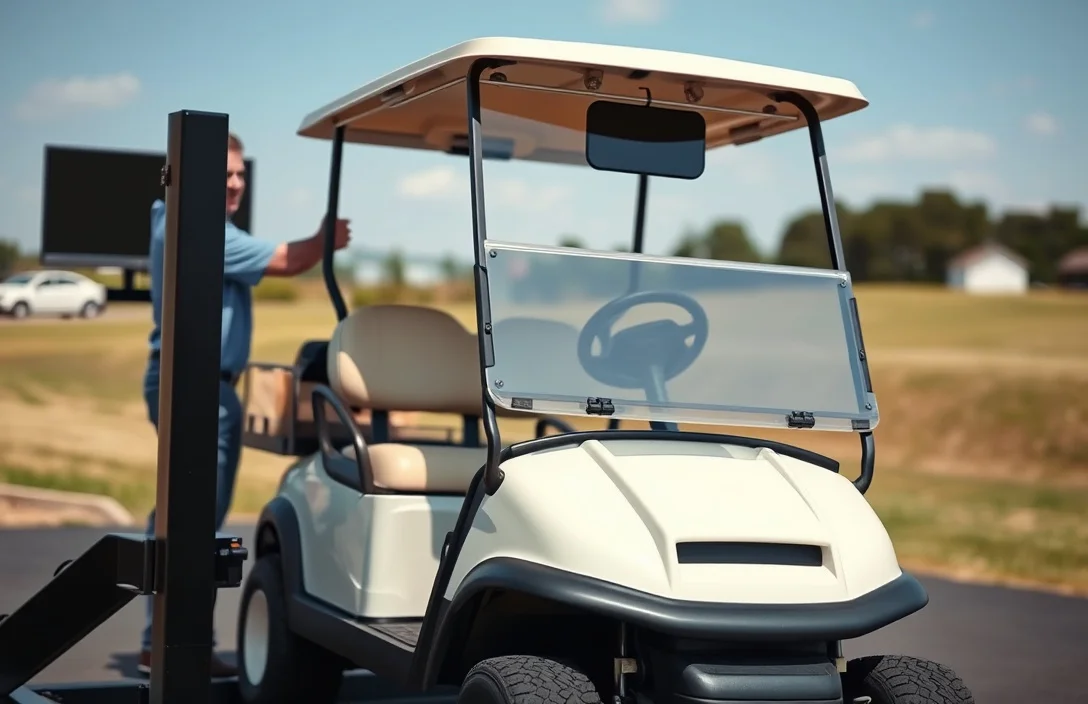
Two people can safely lift or move a golf cart in short, static positions by using proper body mechanics. For longer maintenance or when you need to raise the cart securely, a hydraulic jack with jack stands is the safer option.
Manual lifting relies on a team and clear grip points on the frame. Stand close, keep your back straight, bend at the knees, and coordinate the lift so weight moves together. Use straps or a moving dolly if you have one to reduce strain.
In practice, avoid lifting on uneven ground or with worn tires; if the cart begins to shift, lower it slowly and re-evaluate.
Jacks allow you to lift a golf cart higher and more securely, but must be used with stands and a solid base. Place a jack pad on the lifting point, raise slowly, then slide jack stands under the frame before any work. Never crawl under a cart supported only by a jack.
| Tool Type | Lifting Capacity | Typical Range (inches) | Notes |
|---|---|---|---|
| Bottle jack | 2-3 tons | 4-9 | Compact, quick setup; needs stable base |
| Floor jack | 2-3 tons | 3-20 | Longer reach; requires solid stance |
| Scissor jack | 0.5-1.5 tons | 3-15 | Limited height; backup option |
Always check the cart’s manual for lifting points and the battery weight; if unsure, consider professional maintenance. Keep a mobile phone close in case of emergency.
Choosing the Right Jack
Choose a jack with a rating higher than the cart’s total weight and a lift height that reaches your intended points. Hydraulic jacks provide smooth, controlled lifting and are easier to manage on heavier carts, while a compact scissor jack can work for lighter setups if it is rated for the load. After lifting, always place jack stands or cribbing to securely support the cart before you work underneath it.
Weight Considerations
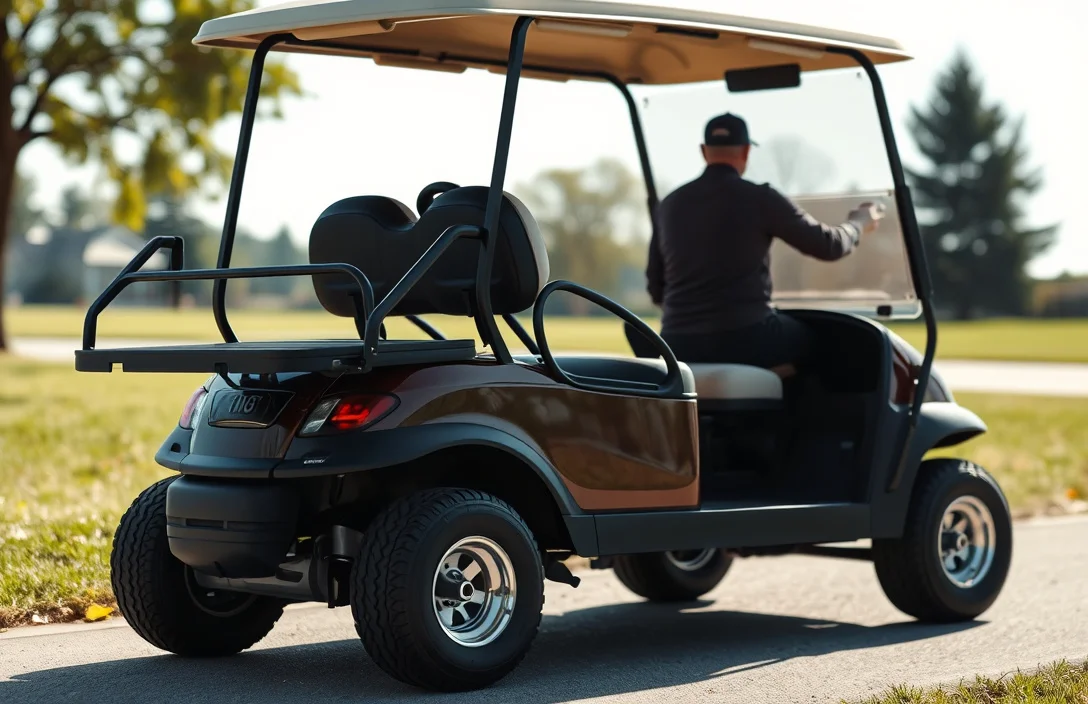
Safe lifting starts with knowing the cart’s gross weight and how that weight sits on the frame. Electric models with heavy batteries can shift the center of gravity toward the rear, while other configurations may bias weight differently; plan to lift at frame points rated to carry the load and use solid supports to prevent tipping.
| Check | Why it matters | How to verify |
|---|---|---|
| Cart gross weight | Determines the minimum lifting capacity you need. | Refer to the manufacturer label or spec sheet; if unknown, estimate from model type and battery size and select a jack rated above the estimate. |
| Lifting points | Using the correct frame points reduces risk of damage and tipping. | Find the OEM lifting points in the manual or on the frame; mark their location before lifting. |
| Jack capacity | The jack must exceed the cart weight for a safe lift and stable support. | Choose a floor jack rated well above the cart’s weight; check the label on the jack for capacity. |
| Surface condition | Uneven or soft surfaces increase the chance of a sudden shift or collapse. | Park on dry, level concrete; check for cracks or soft spots and use cribbing as needed. |
Load capacity planning should align the equipment rating with the cart’s weight, including any anticipated ballast from passengers or cargo. If the weight budget is tight, add supports and reduce the lift height to keep the balance within the safe envelope.
Never place any lift or support under body panels or components that are not designed to carry weight. Use only stated frame lifting points and solid, level cribbing to avoid damage or injury.
Battery Safety During Lifting
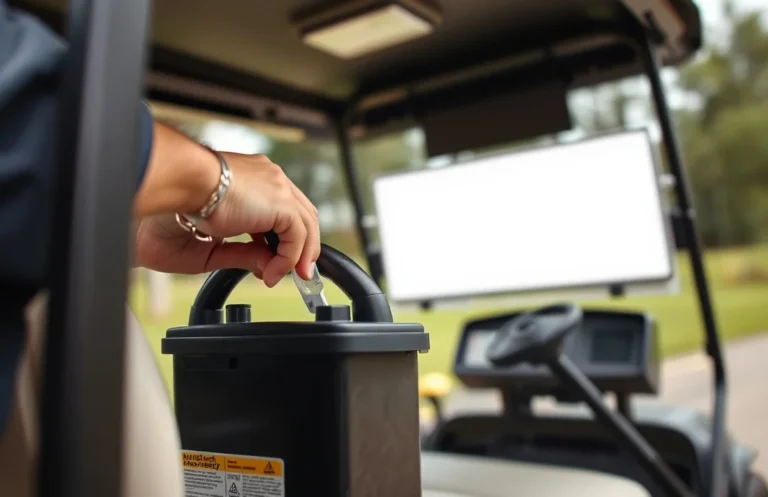
Disconnecting the battery before lifting protects against arcing, short circuits, and accidental movement of live leads. Do not lift with cables connected, and inspect for swelling or electrolyte leaks before handling.
Disconnecting Battery: locate the main disconnect or service plug, power down the cart, and disconnect the negative terminal first, then the positive. Re-check that the circuit is open before attempting any movement, and keep metal tools away from exposed terminals.
Handling Battery Hazards: swollen, cracked, or venting cells require extra caution. If you notice heat, a strong smell, or hissing sounds, do not touch the battery, move away, and ventilate the area. Wear non-conductive gloves and eye protection when working near exposed terminals.
Handling Battery Hazards: keep the battery upright and away from the cart during lifting. Use a rated lifting strap or cradle designed for heavy packs, and never drag a heavy pack by cables.
| Hazard | Sign | Mitigation |
|---|---|---|
| Electrical short | Exposed terminals touch metal | Disconnect battery; cover leads with insulating caps |
| Chemical exposure | Leaking electrolyte or swollen case | Isolate area; wear PPE; avoid contact |
| Thermal/venting | Excess heat or gas release | Ventilate area; replace damaged battery |
Handling Battery Hazards: if the battery or wiring looks damaged, postpone lifting until it is inspected by a technician. If in doubt, pause and refer to the cart manual for safe procedures.
Charger Compatibility Check
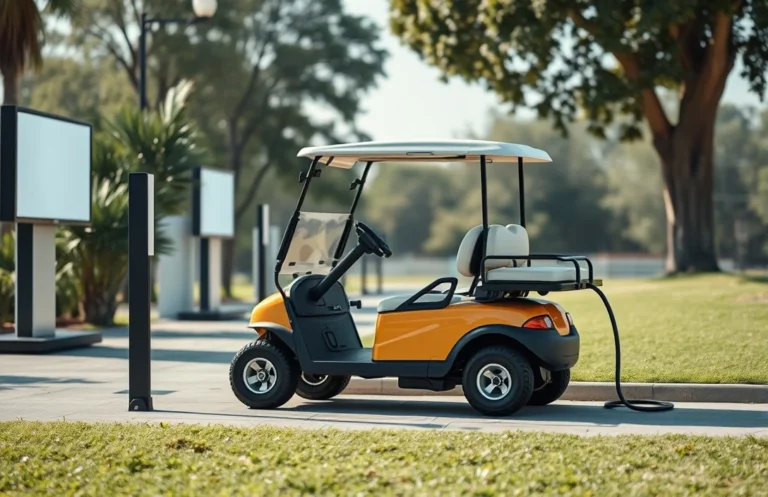
Ensuring charger compatibility is crucial after lifting a golf cart, particularly regarding voltage requirements and connector types. Mismatched voltage or incorrect connectors can lead to inefficient charging or even damage to the battery system.
For additional safety, consider using a charger that includes built-in protections against overheating and overvoltage. This feature can significantly reduce the risk of battery damage and extend the lifespan of your power system.
Preventing Damage to Components
Lifting a golf cart requires careful handling to avoid damaging its components. Protecting the body and electrical systems is essential during the process to ensure the cart remains functional and safe to use. Protecting the Body: When lifting the cart, always use appropriate lifting equipment, such as a floor jack or hoist, that can support its weight. Place protective pads or boards between the lifting device and the cart to prevent scratches or dents on the body. Avoid lifting from the frame directly, as this can lead to structural damage. Avoiding Electrical Issues: Disconnect the battery before lifting the cart to prevent any accidental electrical shorts or damage to the wiring. Ensure that any lift or jack used does not interfere with the battery connections or cables. Check for loose wires or exposed connections before lowering the cart back to avoid any electrical malfunctions. In practice, taking these precautions can significantly minimize the risk of damage. Keeping the cart’s body and electrical systems safe during lifting not only prolongs the life of the vehicle but also ensures that it operates correctly after maintenance or repairs.
Troubleshooting Common Issues
Jack slippage can occur when lifting a golf cart, causing safety hazards. This usually happens if the jack is not placed on a stable surface or is overloaded. To address this issue, ensure the jack is on solid ground and rated for the weight of the cart. If slippage continues, consider using jack stands for additional support once the cart is lifted. Battery malfunctions may arise during the lifting process, especially if the cart’s electrical system is affected. Symptoms can include dim lights, malfunctioning accessories, or failure to start. Check the battery connections for corrosion or loose terminals. If the battery is old or has a low charge, it may need replacement. Always verify that the battery is properly secured before lifting to prevent movement that could damage the connections.
Jack Slippage
Symptom: The jack slips or moves while lifting the cart. Cause: The jack may be on an unstable surface or overloaded beyond its rated capacity. Fix: Ensure the jack is on flat, solid ground and meets the weight requirements of the golf cart. Use jack stands to provide additional stability once the cart is lifted.
Battery Malfunctions
Symptom: Electrical components like lights or power outlets fail during the lifting process. Cause: Loose connections or a weak battery can lead to malfunctions. Fix: Inspect battery terminals for tightness and corrosion. Clean connections if needed and test the battery charge. Replace the battery if it is not holding a charge properly.
Quick Summary
To lift a golf cart effectively, follow proper steps for safety and compatibility with your cart model.
Frequently Asked Questions
What battery type is compatible with my golf cart?
You can use either lead-acid or lithium-ion batteries, but make sure to check your golf cart’s manual for specific voltage requirements, usually 36V or 48V.
How does heat affect my golf cart battery performance?
Excessive heat can reduce battery life, so keep your battery at temperatures between 32°F and 95°F for optimal performance and safety.
What is the typical runtime for a golf cart battery?
Runtime can vary, but a fully charged battery generally provides between 20 to 40 miles of driving, depending on the weight load and terrain.
What safety precautions should I take when lifting my golf cart?
Always use proper lifting tools like a jack and jack stands, and make sure the cart is on a flat surface to avoid accidents or injuries.
When should I replace my golf cart battery?
Consider replacing your golf cart battery every 4 to 6 years or if you notice a significant drop in performance, such as reduced runtime or difficulty holding a charge.