How To Convert Electric Golf Cart To Gas?
Fact: converting an electric golf cart to gas is rarely practical and nearly always unsafe when attempted as a DIY swap. The key spec to check is drivetrain compatibility, especially the frame and motor controller rating. The common mistake is assuming a generic gas conversion kit will bolt right in. Start by verifying the cart’s chassis label and the required service manual before touching anything.
Gas engine swap is rarely practical for an electric golf cart. In most cases safe conversions are not possible due to frame, wiring, and battery pack removal; a licensed shop may only replace with a purpose built gas cart. Typical systems are 48 V or 72 V, complicating any conversion.
Feasibility & Regulations
Converting an electric golf cart to a gasoline drivetrain is typically impractical from a safety, cost, and regulatory standpoint. Replacing a certified electric platform with an internal combustion system often triggers warranty voids, insurance questions, and complex compliance hurdles for registration and use on public roads.
Regulatory considerations vary by jurisdiction, but most regions treat such a change as a major modification that may require re-certification, inspections, or even prohibitions on street use.
In practice, you may lose access to class-specific privileges and become subject to emissions, noise, and safety standards that the cart was not designed to meet.
| Regulatory Aspect | What to Check |
|---|---|
| Vehicle classification | How the change affects title, registration, and allowed operation on roads or paths |
| Emissions & safety standards | Required compliance with local emissions, noise, fire-safety, and crash-safety rules |
| Warranty status | Official manufacturer stance and coverage implications for drivetrain changes |
| Insurance implications | Impact on premiums and required rider or specialty policy |
| Compliance burden | Inspection, licensing, and ongoing reporting requirements |
Note: In many markets, keeping the original electric powertrain minimizes risk and maintains legal access to common golf-cart use scenarios, while a conversion tends to create more questions than it solves.
If the goal is to improve performance or efficiency, explore legal upgrades within the electric system such as battery capacity optimization, charger efficiency, motor controller tuning, or safety feature enhancements, rather than altering the propulsion type.
Frame & Drivetrain Fit
Frame clearance is the first constraint. A gas drivetrain requires space for the engine, exhaust, fuel system, and mounting hardware without contacting the cart’s steering, suspension, or bodywork. If the frame cannot accommodate these elements, plan frame mods or select a different base model.
Frame clearance check involves measuring underbody height, engine footprint, and exhaust routes to ensure everything clears critical components and bodywork.
Drivetrain compatibility considers how the propulsion layout will interface with the existing frame, suspension, and wheel train. Gas installations typically change engine orientation, drive connection, and torque delivery, so you must confirm that mounting points, drive angles, and gear ratios align with the cart’s layout.
| Aspect | Electric cart baseline | Gas conversion considerations | What to verify |
|---|---|---|---|
| Frame mounting points | Standard mounts for motor-to-axle adapters | New engine/transmission mounts required, potential reinforcement | Solid, corrosion-resistant attachments with safe load paths |
| Engine footprint | Compact motor envelope | Wider/taller gas engine footprint; need space for exhaust | Engine bay envelope and exhaust route length |
| Driveshaft/axle alignment | Direct or offset drive to differential | Changed angle and length; may need extensions or adapters | Accurate length and angles; prevent binding |
| Weight distribution | Balanced by factory design | Front or rear weight shift; affects steering and suspension | CG and suspension tuning plan |
| Cooling and fuel routing | Minimal coolant for electrical components | Radiator, hoses, fuel tank routing required | Clear paths away from electronics and moveable links |
Work with a qualified technician for structural reinforcement and safety checks. Fuel systems, exhaust routing, and emission considerations require local compliance and proper ventilation, so do not rush this install.
Electrical System Handling
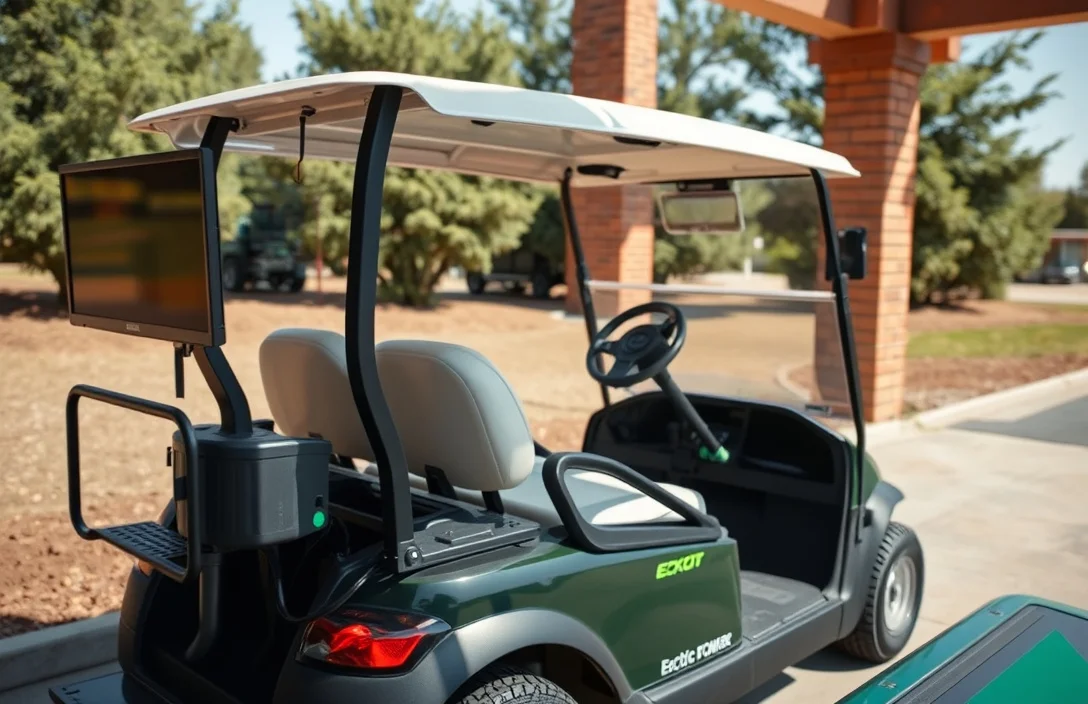
Removing the battery pack from an electric golf cart is a critical step in the conversion process. This involves disconnecting the battery terminals and ensuring the golf cart is powered down completely. Safety precautions such as wearing gloves and goggles are essential to prevent electrical shocks and injuries.
A well-structured battery removal plan will facilitate a smooth transition. Before beginning, ensure you have the necessary tools, including wrenches and cable cutters. Follow these steps:
Wiring and safety considerations are paramount during this transition. All electrical components related to the battery system must be dealt with properly. Disconnect any wiring harnesses connected to the battery and check for signs of wear or damage. Here are some tips:
Remember, safety is the priority. Always ensure the cart is off and follow manufacturer guidelines for removing electrical components.
Once the battery and related components are removed, the next step often involves repurposing or disposing of them responsibly. Many communities have recycling programs for batteries, which can help manage environmental impact. Check local regulations for disposal methods to ensure compliance.
In preparation for the gas engine installation, inspect the wiring harness for any necessary modifications. Depending on the new engine’s requirements, you may need to reroute or replace portions of the existing electrical system. This adjustment can enhance both safety and performance in the converted golf cart.
Engine & Fuel System
A practical conversion uses a small air-cooled gasoline engine paired with a purpose-built mounting kit and drive coupling. Engine options come from lightweight go-kart or scooter platforms, chosen for compact size and modest power. Fuel and exhaust routing must fit the cart layout, with a splash-proof tank, rigid lines, and a heat-safe muffler path.
Controls, Cooling & Exhaust
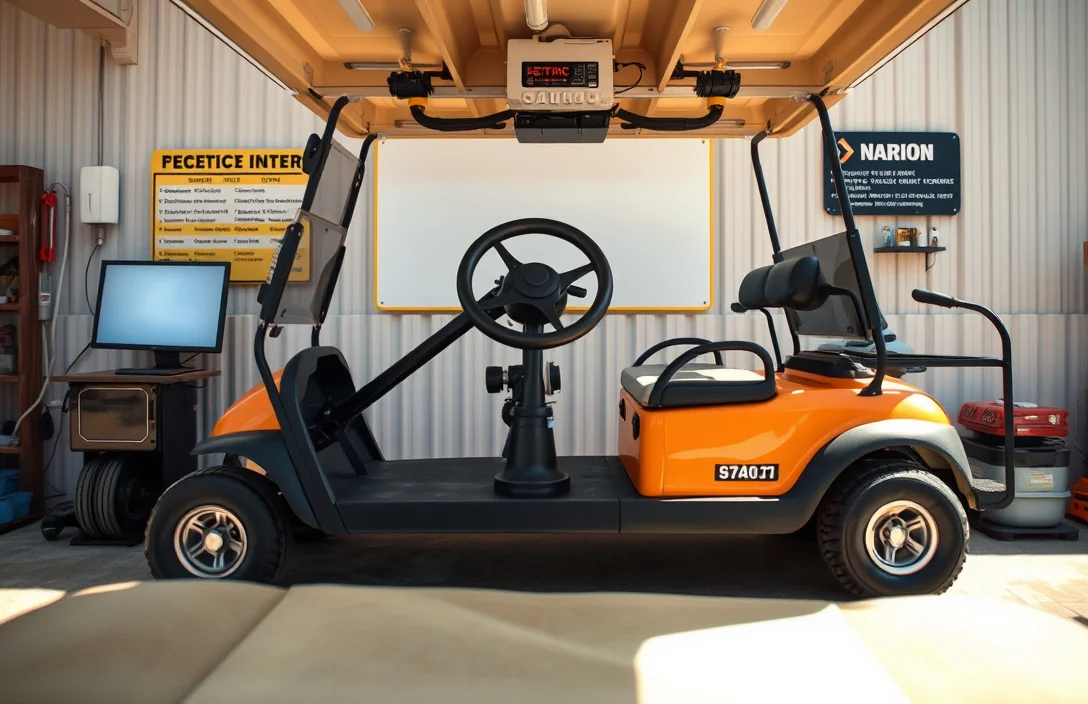
Integrating throttle control for a gas engine into an electric golf cart requires careful planning to ensure compatibility with the existing components. A mechanical linkage or an electronic throttle controller can be utilized to connect the gas engine’s throttle to the cart’s accelerator pedal, allowing for smooth operation and control.
Cooling systems are essential for gas engines, as they generate more heat than electric motors. Installing a radiator and ensuring proper airflow through the engine compartment is crucial to prevent overheating. Additionally, consider the exhaust routing, which must be directed away from the passenger area and properly fitted to avoid leaks.
Throttle Control Integration
Throttle control can be integrated in several ways, depending on the engine type and existing golf cart components. The most common methods include:
When selecting a throttle integration method, ensure it aligns with the engine’s specifications and the cart’s existing systems. Testing the throttle response during initial setup is vital to ensure safety and performance.
Cooling and Exhaust Considerations
Effective cooling systems for a gas engine typically include a radiator, hoses, and a water pump. Proper placement of the radiator is critical to allow for adequate airflow. Here are key points to consider:
Exhaust installation must comply with safety and environmental regulations. Proper exhaust routing should direct gases away from the operator and passengers while minimizing noise. Ensure that the exhaust system is securely mounted and free from leaks.
Always check local regulations regarding emissions and modifications to ensure compliance with legal standards.
Safety, Emissions & Longevity
Converting an electric golf cart to gas introduces specific safety concerns and emissions considerations. Fire risk increases due to the flammable nature of gasoline, while adherence to emissions regulations is crucial for environmental compliance and vehicle longevity.
Fire Risk & Fuel Handling
Fuel handling requires strict safety protocols to mitigate fire hazards. Ensuring proper storage and management of gasoline is essential to prevent accidents.
Emissions Compliance & Maintenance Outlook
Gas-powered vehicles are subject to emissions regulations that vary by region. Compliance not only ensures legality but also affects the longevity and performance of the cart.
Long-term reliability hinges on diligent maintenance practices and adherence to safety guidelines. Ignoring these aspects can lead to increased operational costs and safety hazards over time.
Cost, Time, Real-World Fit
Converting an electric golf cart to a gasoline drivetrain typically ends up being more costly and time consuming than practical alternatives. Parts, fabrication, and professional labor can approach or exceed the cart’s current value, with a payback period measured in years at best. Reliability and warranty risks rise when a conversion is attempted, and many jurisdictions require inspections and emissions checks.
| Aspect | Typical Cost (qualitative) | Timeline (rough) | Complexity | What to expect |
|---|---|---|---|---|
| Engine and fuel system conversion parts | High | Weeks to months | High | Chassis adaptation and emissions controls often require custom fabrication. |
| Labor and installation | High | Weeks to months | High | Specialized technicians ensure safety and alignment, with potential warranty impact. |
| Electrical rewiring and safety integration | Medium to High | Weeks | Medium to High | Throttle, interlocks, and controls must be redesigned to work with an internal combustion drive. |
| Legal, licensing and insurance checks | Low to Medium | Weeks | Low to Medium | Regional rules vary; some jurisdictions require inspections or recertification. |
| Ongoing maintenance and parts availability | Medium | Ongoing | Medium | Fuel, exhaust, and emissions parts can be less available for cart-scale vehicles. |
Timeline and complexity in practice lean toward a long project that disrupts club use for an extended period. Planning, sourcing, and fabrication typically dominate the schedule, with the actual swap requiring careful alignment of mechanical and electrical systems. Even with a shop experienced in vehicle modifications, unpredictable fitment issues and regulatory hurdles can extend the timeline.
Best alternatives include buying a used gasoline golf cart from a reputable dealer, renting a cart for peak periods, or keeping the electric model and addressing needs with a portable generator or enhanced charging strategy. A used gas cart avoids conversion risks and may offer service support, while maintenance logistics are typically simpler than a full drivetrain swap.
For example, a club weighing how to meet higher-season demand often finds a used gas cart or two provides the same capability with less downtime and risk than a full drive-line swap. This approach keeps operations predictable and preserves resale options on the electric fleet.
Quick Summary
Converting an electric golf cart to gas is technically possible but requires careful planning, safety checks, and professional compliance.
Frequently Asked Questions
Question 1?
Most golf carts use 36V, 48V, or 72V battery systems, so a gas conversion will remove the battery pack and require a different mounting approach. Check kit compatibility with your cart’s make and model and verify mounting points and drive compatibility with the existing transaxle.
Question 2?
Exhaust heat can reach several hundred degrees Fahrenheit, so plan shielding and routing away from fuel lines and electrical components. Ensure adequate ventilation in the engine bay and use appropriate heat shields as required by the kit instructions.
Question 3?
Typical small gas golf cart tanks hold 1 to 5 gallons, and range depends on engine size, driving style, and payload. You should estimate fuel consumption per hour per your kit documentation to project range more accurately.
Question 4?
Disconnect electrical systems and keep a fire extinguisher rated for fuel fires nearby, and follow safe fuel handling practices during installation. Also verify that shutdown procedures and local regulations are followed to minimize risk.
Question 5?
Check warranty and included hardware before buying, and avoid kits that do not provide mounting brackets, exhaust components, or clear compatibility notes. Compare at least two reputable options and confirm return policies to protect your investment.
Frequently Asked Questions
Question 1?
Most golf carts use 36V, 48V, or 72V battery systems, so a gas conversion will remove the battery pack and require a different mounting approach. Check kit compatibility with your cart’s make and model and verify mounting points and drive compatibility with the existing transaxle.
Question 2?
Exhaust heat can reach several hundred degrees Fahrenheit, so plan shielding and routing away from fuel lines and electrical components. Ensure adequate ventilation in the engine bay and use appropriate heat shields as required by the kit instructions.
Question 3?
Typical small gas golf cart tanks hold 1 to 5 gallons, and range depends on engine size, driving style, and payload. You should estimate fuel consumption per hour per your kit documentation to project range more accurately.
Question 4?
Disconnect electrical systems and keep a fire extinguisher rated for fuel fires nearby, and follow safe fuel handling practices during installation. Also verify that shutdown procedures and local regulations are followed to minimize risk.
Question 5?
Check warranty and included hardware before buying, and avoid kits that do not provide mounting brackets, exhaust components, or clear compatibility notes. Compare at least two reputable options and confirm return policies to protect your investment.
Frequently Asked Questions
Question 1?
Most golf carts use 36V, 48V, or 72V battery systems, so a gas conversion will remove the battery pack and require a different mounting approach. Check kit compatibility with your cart’s make and model and verify mounting points and drive compatibility with the existing transaxle.
Question 2?
Exhaust heat can reach several hundred degrees Fahrenheit, so plan shielding and routing away from fuel lines and electrical components. Ensure adequate ventilation in the engine bay and use appropriate heat shields as required by the kit instructions.
Question 3?
Typical small gas golf cart tanks hold 1 to 5 gallons, and range depends on engine size, driving style, and payload. You should estimate fuel consumption per hour per your kit documentation to project range more accurately.
Question 4?
Disconnect electrical systems and keep a fire extinguisher rated for fuel fires nearby, and follow safe fuel handling practices during installation. Also verify that shutdown procedures and local regulations are followed to minimize risk.
Question 5?
Check warranty and included hardware before buying, and avoid kits that do not provide mounting brackets, exhaust components, or clear compatibility notes. Compare at least two reputable options and confirm return policies to protect your investment.
Frequently Asked Questions
Question 1?
Most golf carts use 36V, 48V, or 72V battery systems, so a gas conversion will remove the battery pack and require a different mounting approach. Check kit compatibility with your cart’s make and model and verify mounting points and drive compatibility with the existing transaxle.
Question 2?
Exhaust heat can reach several hundred degrees Fahrenheit, so plan shielding and routing away from fuel lines and electrical components. Ensure adequate ventilation in the engine bay and use appropriate heat shields as required by the kit instructions.
Question 3?
Typical small gas golf cart tanks hold 1 to 5 gallons, and range depends on engine size, driving style, and payload. You should estimate fuel consumption per hour per your kit documentation to project range more accurately.
Question 4?
Disconnect electrical systems and keep a fire extinguisher rated for fuel fires nearby, and follow safe fuel handling practices during installation. Also verify that shutdown procedures and local regulations are followed to minimize risk.
Question 5?
Check warranty and included hardware before buying, and avoid kits that do not provide mounting brackets, exhaust components, or clear compatibility notes. Compare at least two reputable options and confirm return policies to protect your investment.
Frequently Asked Questions
Question 1?
Most golf carts use 36V, 48V, or 72V battery systems, so a gas conversion will remove the battery pack and require a different mounting approach. Check kit compatibility with your cart’s make and model and verify mounting points and drive compatibility with the existing transaxle.
Question 2?
Exhaust heat can reach several hundred degrees Fahrenheit, so plan shielding and routing away from fuel lines and electrical components. Ensure adequate ventilation in the engine bay and use appropriate heat shields as required by the kit instructions.
Question 3?
Typical small gas golf cart tanks hold 1 to 5 gallons, and range depends on engine size, driving style, and payload. You should estimate fuel consumption per hour per your kit documentation to project range more accurately.
Question 4?
Disconnect electrical systems and keep a fire extinguisher rated for fuel fires nearby, and follow safe fuel handling practices during installation. Also verify that shutdown procedures and local regulations are followed to minimize risk.
Question 5?
Check warranty and included hardware before buying, and avoid kits that do not provide mounting brackets, exhaust components, or clear compatibility notes. Compare at least two reputable options and confirm return policies to protect your investment.