How To Properly Test Your Golf Cart’s Starter Generator For Issues
How to test starter generator golf cart? comes down to matching the advice to your situation instead of following a generic checklist. I will focus on the main decision points, the tradeoffs that matter most, and the practical next steps you can use before spending time or money.
Necessary Tools List
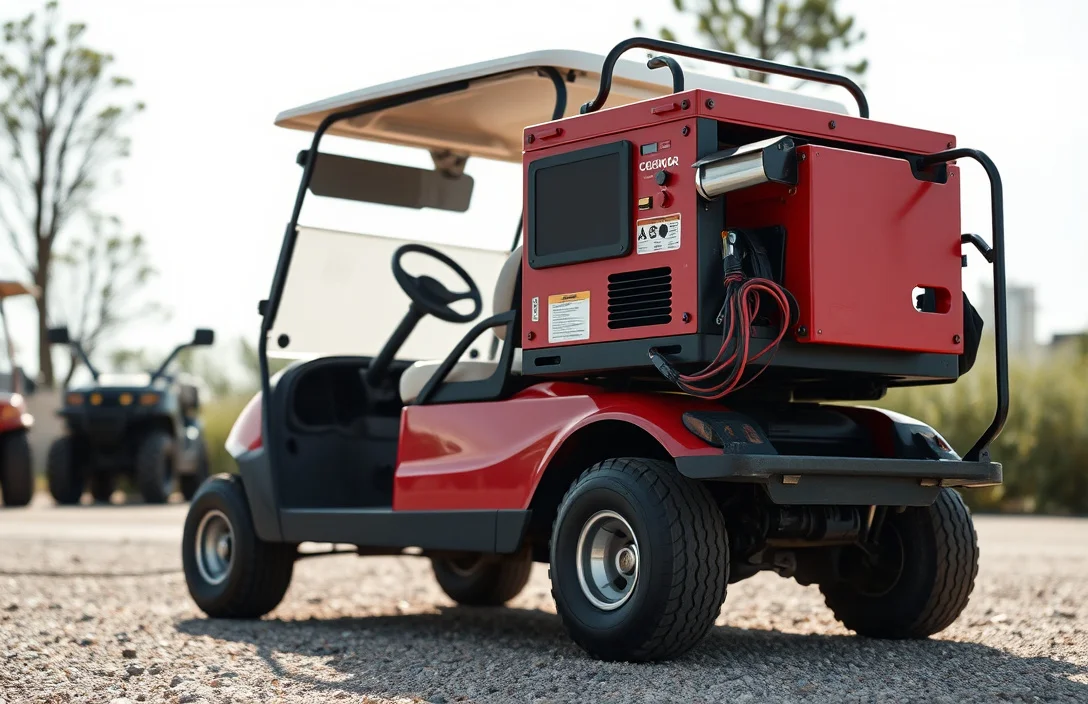
Essential tools for testing include a digital multimeter for DC voltage checks and a wrench and socket set to access the starter and its wiring. A service manual or wiring diagram helps locate test points and reference acceptable voltage and current ranges during the test.
| Item | Amount/Specification | Notes |
|---|---|---|
| Digital Multimeter | 1 unit; DC voltage up to 60 V (adjust to cart rating); continuity and resistance tests | Use to verify battery voltage before crank and generator output during cranking. |
| Clamp-on Ammeter or Inline Ammeter | 1 unit; 0 – 100 A range (or cart-appropriate) | Measures current draw without disconnecting circuits; if unavailable, rely on voltage readings and manufacturer spec. |
| Wrench Set | 1 kit; metric and SAE; common sizes 8, 10, 12, 14, 17 mm | Loosen battery terminals and starter mounting bolts as needed. |
| Socket Set and Ratchet | 1 set; metric 8 – 19 mm | Remove fasteners securing the starter, shroud, and electrical connectors. |
| Screwdrivers | 1 set; flat and Phillips | Disconnect connectors and gently pry harnesses if required. |
| Insulated Pliers and Wire Cutters | 1 pair each | Grasp wires, reposition connectors, and cut or strip insulation without shorting. |
| Terminal Cleaner/Brush | 1 brush or non-metal cleaner | Clear corrosion from battery posts and connector tabs. |
| Electrical Contact Cleaner | 1 can; static-safe spray | Clean connectors; allow solvent to evaporate before testing. |
| Safety Gear | Safety glasses, insulated gloves (rating 1000 V or higher) | Protect eyes and hands; consider a face shield for shroud work. |
Step-by-Step Testing Instructions
Isolate the charging circuit and verify measurements at the battery and generator output while the engine cranks and under load. Use a digital multimeter and the cart service manual values as reference. This approach pinpoints belt slip, loose connections, or a defective regulator before deeper diagnosis.
Common Issues to Identify

Corrosion on terminals raises resistance and can cause weak engagement or intermittent starting. Unusual noises during cranking often point to worn brushes, bearings, or a loose drive, while visible damage signals insulation wear or mounting issues. Addressing these signs early helps prevent a roadside failure during testing.
Voltage Benchmarks
Normal operating voltage on the starter generator circuit is a charging voltage around 13.8 – 14.4 V when the engine is running, while a fully rested 12 V battery sits at about 12.6 – 12.8 V. Expect the system to dip slightly under heavy electrical load but not fall below roughly 13.0 V during a brief test.
Low voltage indicators include a charging warning light on the dash, slow cranking, or resting voltage below 12.6 V. If you routinely see readings under 13.5 V while the engine runs, the generator or regulator may be weak, or the belt could be slipping.
| Test Condition | Typical Voltage Range (V) | What It Indicates |
|---|---|---|
| Battery at rest, engine off | 12.6 – 12.8 | Healthy resting state for a charged 12 V battery |
| Engine running, charging | 13.8 – 14.4 | Normal charging voltage from generator/regulator |
| Under load with accessories | ≥13.5 | Should stay above threshold; excessive drop signals belt or regulator issue |
| Sustained high voltage | >14.8 – 15.0 | Possible regulator or diode problem; risk of overcharging |
Interpreting readings helps pinpoint what to fix first. Use a reliable multimeter at the battery terminals, and compare resting and running readings to the benchmarks above.
Note: sustained abnormal voltages can damage the battery, electronics, and charging system. If readings fall outside the normal ranges even after basic belt and connection checks, consult the service manual or a qualified technician.
Low voltage indicators to watch for during testing include a dim dash charge light, slow engine cranking, and a battery that never reaches full resting voltage after a full charge. High voltage risks include electrolyte loss in the battery, swollen cells, and potential damage to the vehicle’s electronic controls.
Safety Precautions
 Disconnecting power sources is essential before testing the starter generator in a golf cart. Always ensure that the cart is turned off and the battery is disconnected to prevent accidental sparks or short circuits. A safe practice is to remove the negative terminal first, followed by the positive terminal. Using safety gear protects against potential hazards during testing. Goggles and gloves should be worn to safeguard against electrical shocks and battery acid exposure. Additionally, working in a well-ventilated area reduces the risk of inhaling harmful gases that batteries may emit. Avoiding short circuits is critical for maintaining safety. Inspect all tools and leads for damage before use. Ensure that no metal tools come into contact with the battery terminals or leads during the process. It is wise to use insulated tools and to work on a non-conductive surface when performing tests. In practice, testing the starter generator can be risky if proper precautions are not taken. For instance, if the generator is faulty and not functioning correctly, it could lead to sparks or overheating. Regular maintenance and inspection can help identify potential issues before testing.
| Safety Item | Description |
|---|---|
| Goggles | Protects eyes from acid splashes and debris. |
| Gloves | Reduces risk of electrical shock and acid exposure. |
| Insulated Tools | Prevents accidental short circuits. |
Staying aware of the surroundings and potential hazards can significantly reduce the risk of accidents. Always have a fire extinguisher nearby, especially when working with batteries, as they can release flammable gases.
Troubleshooting Tips
Testing the starter generator in a golf cart involves checking connections, assessing battery condition, and recognizing signs that indicate the need for generator replacement. Each step is crucial to ensure the golf cart operates efficiently and safely.
Maintenance Recommendations
Regular maintenance significantly enhances the lifespan and performance of a starter generator. Cleaning, routine checks, and proper storage are essential practices to prevent damage and ensure reliable operation.
Routine checks should also include testing the generator under load conditions to verify that it operates correctly. Monitor the output voltage to confirm it meets specifications, as irregular readings can indicate underlying problems.
Storage conditions also play a critical role in maintenance. Ensure the generator is stored in a dry, temperature-controlled environment to prevent rust and corrosion.
By following these maintenance recommendations, the starter generator’s reliability and efficiency can be significantly improved, ensuring it performs well over its lifespan.
Quick Summary
To verify a golf cart starter generator, test charging output, winding integrity, and electrical safety under typical load conditions.
Frequently Asked Questions
How can I verify starter generator compatibility with my golf cart before testing?
You can start by checking the generator label for its voltage rating (for example 12V vs 48V) and the part number, then confirm it matches your cart’s battery setup in the service manual.
What is a safe, step-by-step way to test the starter generator’s output?
With the engine off, verify the battery reads about 12.6V using a multimeter. Then start the engine and measure charging voltage at the battery; a healthy system should show roughly 13.5 – 14.8V while running, not exceed 15V.
How long should I run the test to check for heat and performance?
You can run the engine for about 5 minutes while watching the voltage. If the generator case becomes very hot to the touch before 5 minutes, stop and inspect for belt slip or overload. If the voltage does not rise to the running range within 3 – 5 minutes, the generator or regulator may be failing.
What safety steps should I take when testing the starter generator on a golf cart?
You should disconnect the battery negative terminal and remove the key before starting checks. Keep hair, clothing, and hands away from belts and pulleys, wear eye protection, and ensure the cart is in park with the parking brake applied.
What buying mistakes should I avoid when replacing or upgrading the starter generator for a golf cart?
You should avoid units that aren’t the exact voltage and part number required by your cart. Verify compatibility with your battery type and cart model, and look for a warranty that covers DOA or compatibility issues, ideally at least 12 months.