How Much Is A Brand New Golf Cart?
Power decisions for a new golf cart come down to the battery. The battery chemistry is the one spec that drives cost, performance, and maintenance. The common mistake is paying for capacity or speed you will rarely use. Check the label first for the battery type and the charger compatibility and voltage.
New golf cart price range is roughly $8,000 to $14,000 for most 4 to 6 passenger electric models, and $6,000 to $14,000 for gas carts. Bigger or premium brands with lithium batteries often push toward $15,000 to $20,000, while basic 2-passenger units sit closer to $5,000 to $8,000.
Price Range Overview
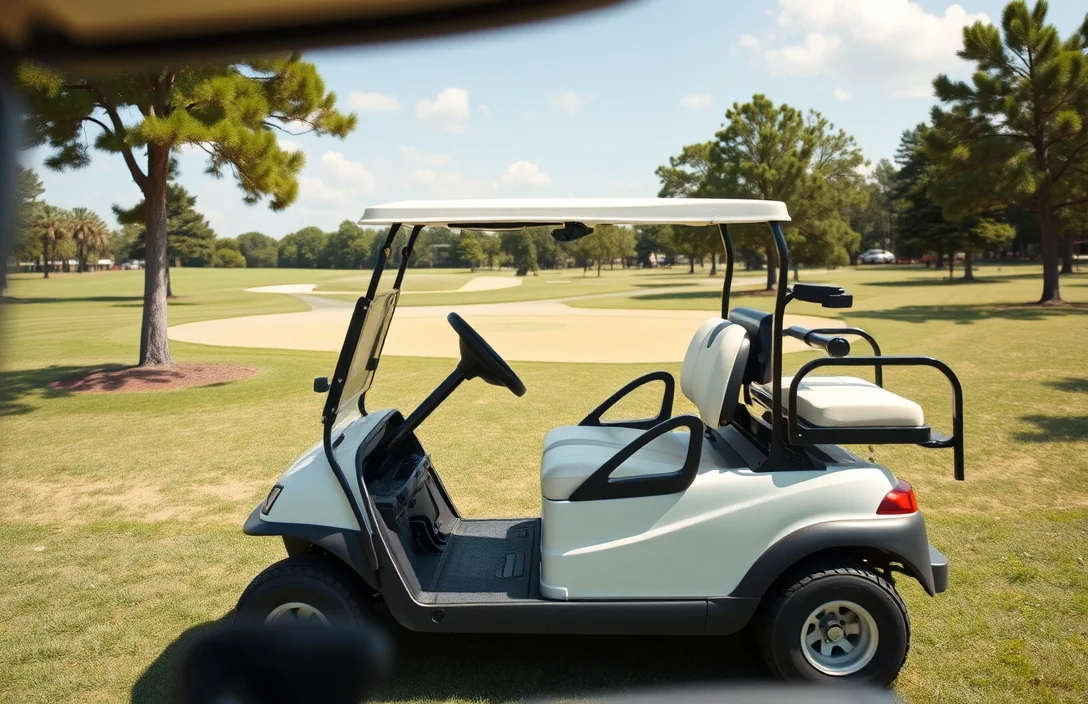
New golf carts cover a wide price spectrum, typically from about $5,000 to $15,000 for base configurations. Entry-level 2-passenger electric models tend to sit near $5,000 to $7,000, while four to six passenger layouts commonly run from roughly $8,000 to $13,000. Premium high-end builds, larger groups, and gas-powered options can start around $12,000 and reach $15,000 or more before options or dealer fees.
Brand and powertrain differences drive the spread. Electric 2-passenger carts often price lower than larger electric setups, and gas-powered carts can sit in the same ballpark or exceed electric models when premium finishes or larger engines come into play. For a quick frame of reference, dealers commonly quote 2-Pass Electric at about $5k-$7k, 4-Pass Electric at $8k-$10k, 6-Pass Electric at $10k-$13k, and Gas models from roughly $6k to $14k as new units.
In practice, the sticker price reflects not only seating and powertrain but also how the cart is equipped. Lithium battery packs or larger-capacity packs add cost beyond baseline models, and premium interiors, weather protection, and larger wheels push the price higher. Brand, dealer network, and regional demand influence list price, while delivery charges and optional extended warranties can affect the bottom line. If you plan to compare bids, ask for a line-item breakdown that shows base price, options, and freight. When models share similar layouts, differences in weight, suspension, and build quality can still shift the price by a few hundred to a few thousand dollars.
| Cart Type | New Price Range | Typical Use | Notes |
|---|---|---|---|
| 2-Passenger Electric | $5,000 – $7,000 | Individuals and couples | Budget-friendly entry with compact size; brand and options affect exact price |
| 4-Passenger Electric | $8,000 – $10,000 | Small families, course or property use | Most common mid-range option |
| 6-Passenger Electric | $10,000 – $13,000 | Groups, transport on larger properties | Longer wheelbase, more seating |
| Gas Powered (All Sizes) | $6,000 – $14,000 | Long-range or utility needs | Higher maintenance and fuel considerations |
| 8+ Pass / Premium Builds | $13,000 – $15,000+ | Large groups, specialty transport | Customizations can push higher; premium finishes |
High-end models extend the price with features such as lithium battery packs, longer service life, higher capacity, and upgraded interiors. Premium finishes and dealer-installed options can add several thousand dollars to the sticker price. If you expect heavier use or longer intervals between charges, weigh the upfront premium against potential maintenance savings and reliability.
Note that prices vary by brand, region, and dealer incentives. Factor in a charger, install requirements, and any after-sale service plans when budgeting. Short-term financing or dealer promotions can make stepping up to a better-equipped cart more affordable.
Factors Influencing Costs
Brand reputation, passenger capacity, and customization options are the main levers shaping the price of a new golf cart. Basic electric configurations typically start around $8,000 to $12,000, while larger capacity or premium setups can push the price beyond $15,000.
Brand Reputation influences price through the strength of dealer networks, availability of factory parts, and expectations for service life. Well-known brands often command higher upfront prices, but they may deliver more predictable maintenance costs and stronger resale value. A robust support ecosystem can reduce downtime and total ownership costs, which buyers weigh against a higher initial sticker price.
Passenger Capacity adds weight, space, and power demands, which raises upfront cost. A 2-passenger layout is usually the most affordable, while 4, 6, or 8+ seat configurations require a larger chassis, more seating hardware, and more powerful drive systems. Each step up in capacity often carries a noticeable price premium.
Customization Options encompass battery type, seating, lighting, cargo configurations, and performance upgrades. Upgrading from lead-acid to lithium packs adds cost but can improve cycle life and charging speed. Other popular add-ons, like upgraded seats, LED lighting, premium dashboards, and enhanced wheels, push price higher but can improve usability and resale appeal.
| Cart Type | New Price Range (typical) | Notes on Drivers |
|---|---|---|
| 2-Passenger Electric | $5,000 – $7,000 | Most affordable electric option in some markets |
| 4-Passenger Electric | $8,000 – $12,000 | Common family-friendly size |
| 6-Passenger Electric | $10,000 – $13,000 | Greater capacity with moderate premium |
| Gas Powered (All Sizes) | $6,000 – $14,000 | Flexibility and range, often simpler maintenance |
Prices rise with premium brands, larger capacity, and heavy customization. Align features with actual daily needs to avoid paying for options you wont use.
Electric vs Gas Models
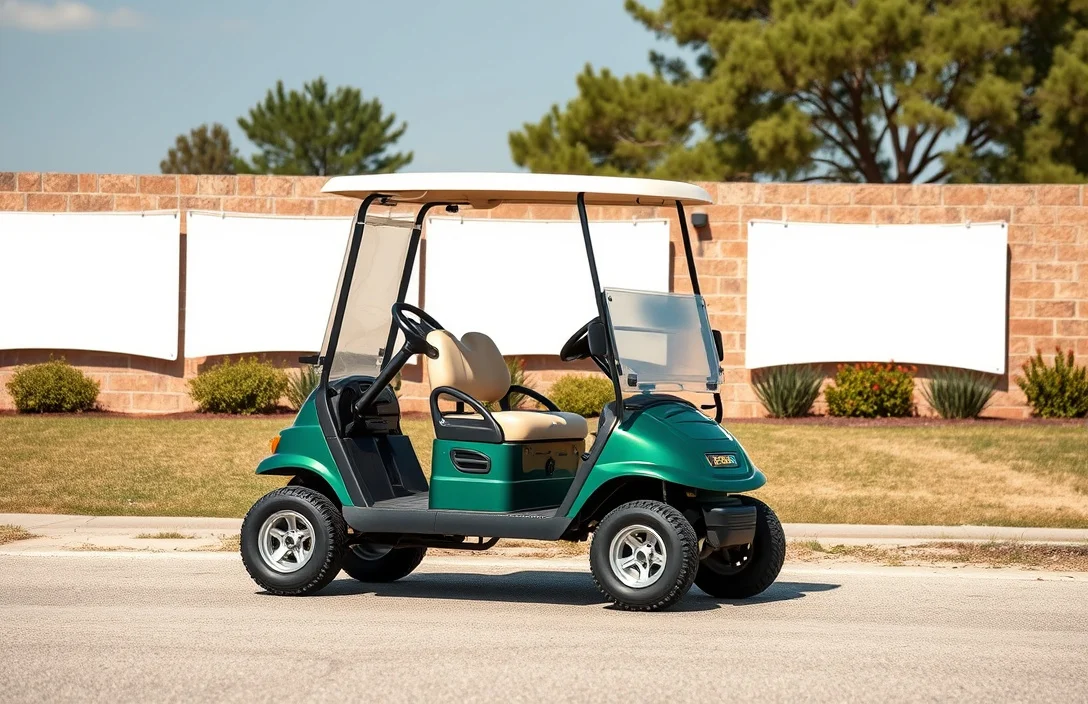
Electric vs Gas Models pricing starts with clear bands by powertrain and seating. Electric 2-passenger carts typically run around $5,000 to $7,000 new, while gas powered equivalents for similar sizes start about $6,000 and can reach $14,000. These ranges reflect differences in motors, chassis, and included features, not just brand name.
Electric vs Gas Models long-term costs shift the balance between these options. Electric carts rely on batteries and charging, which can add to total ownership if you replace packs over time. Battery replacement can cost roughly $600 to $2,000 or more depending on chemistry and capacity, while gas carts incur ongoing fuel expenses and engine maintenance which accrue with use.
Electric vs Gas Models The following table lays out rough new-price ranges by seating and drive system.
| Seating / Size | Electric New Price Range | Gas New Price Range | Notes |
|---|---|---|---|
| 2-Passenger | $5,000 – $7,000 | $6,000 – $14,000 | Electric typically lower upfront in this size |
| 4-Passenger | $8,000 – $10,000 | $6,000 – $14,000 | Gas offers similar utility; price bands vary by options |
| 6-Passenger | $10,000 – $13,000 | $6,000 – $14,000 | More space adds cost in both; electric tends to be package dependent |
Electric vs Gas Models When you compare, consider how you will use the cart and over how many years. If you keep a cart on a large property or for high annual hours, the total cost of ownership may favor one option over the other. Financing options and dealer packages can also influence the upfront outlay and upkeep costs, so ask for a full quote that includes charging, servicing, and potential battery replacement.
Battery Type Impact
Lithium-ion packs add upfront cost but reduce ongoing maintenance and future replacement needs. Lead-acid packs are cheaper to buy but incur higher maintenance and earlier replacement, driving up total ownership costs over time. The chemistry choice is a major price driver in a brand-new cart, often more influential than seating or trim alone.
Popular Brands Comparison
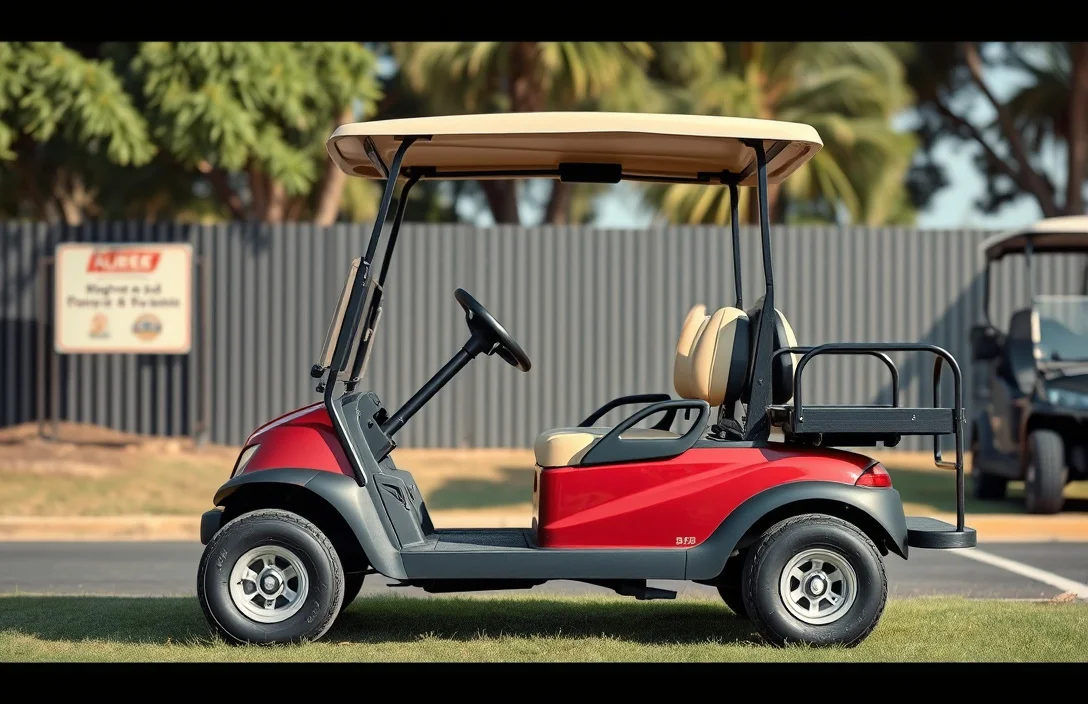
New golf carts from the big three brands typically start in the high $8k to mid $10k range for basic 2-passenger electric models and rise into the low to mid teens for larger or gas-powered configurations.
In practice, 4-passenger electric carts commonly run roughly $9k-$12k, while larger 6-passenger or gas variants can exceed $13k-$15k. Prices vary by battery type, seating, roof size, and added features.
Battery type matters for price and maintenance. Electric models with lithium-ion packs cost more upfront but can lower long-term charging and replacement costs. Lead-acid packs are cheaper at purchase but heavier and require more frequent maintenance and water replacement.
Brand availability and configuration options differ by region, so actual prices may vary. Dealers often package packages that include chargers, seals, and limited warranties, which can shift the bottom line by a few hundred to a few thousand dollars.
For example, Club Car Onward Electric 2 Pass starts around $9,475, while the same brand’s 2- to 4-passenger electric options commonly land in the $9k – $12k range. E-Z-GO Valor models open around $8,374 – $8,649, with Express lines near $12,600; larger or gas models push higher still. Yamaha carts generally sit in the same bracket as Club Car and E-Z-GO for standard configurations.
| Brand | New Price Range (Electric 2 – 4 seat) | New Price Range (Gas or 6+ seat) | Notable Notes |
|---|---|---|---|
| Club Car | About $9,475 – $12,000 | $10,500 – $15,000+ | Onward line; strong chassis; 2 – 4 seat common; gas options available |
| E-Z-GO | $8,374 – $12,600 | $12,600 – $15,000+ | Valor and Express lines; broad range |
| Yamaha | Typically $9,000 – $12,000 | $12,000 – $14,000+ | Reliable, commonly in same bracket as others |
Additional Costs Breakdown
Charging equipment and ongoing upkeep add to the total cost of a brand-new golf cart. New cart prices vary widely by capacity and power type, ranging roughly from $5,000 to $14,000 depending on configuration. Battery replacement during the cart’s life can add $600 to $2,000 or more, depending on chemistry and usage.
Charging gear and maintenance are not one-size-fits-all. Electric carts require battery care and motor checks, while gas carts need engine oil changes and tune-ups, which affect long-term upkeep costs. Plan for both a charger setup and routine service when budgeting.
| Cart Type | New Price Range |
|---|---|
| 2-Passenger Electric | $5,000 to $7,000 |
| 4-Passenger Electric | $8,000 to $10,000 |
| 6-Passenger Electric | $10,000 to $13,000 |
| Gas Powered (All Sizes) | $6,000 to $14,000 |
| Item | Typical Cost (Indicative) | Notes |
|---|---|---|
| Charging Equipment | Varies | Depends on charger type, amperage, OEM vs third-party, and installation requirements; no fixed nationwide price in the cited sources. |
| Battery Replacement | $600 to $2,000+ | Cost varies by chemistry (lead-acid vs. lithium-ion), capacity, and warranty coverage. |
| Maintenance and Repairs (Electric) | Varies | Includes battery care, motor checks, and periodic service; labor prices depend on shop and geography. |
| Maintenance and Repairs (Gas) | Varies | Engine oil changes, tune-ups, fuel system checks; costs depend on parts and labor rates. |
Notes: Source data show a wide spread in new cart pricing by type, with electric models generally clustered lower for 2-passenger configurations and higher for multi-passenger or gas variants. Battery replacement is explicitly listed with a broad $600 – $2,000+ range, reflecting chemistry and usage differences. Charging equipment costs are not fixed in the available sources, emphasizing the need to budget for installation and compatibility with your outlet and service plan.
Financing Options Available?
Financing a new golf cart typically involves options like personal loans, dealer financing, and leasing arrangements. Many dealers offer financing plans tailored to the purchase, allowing customers to pay over time with manageable monthly payments.
Loan types vary, with secured loans often providing lower interest rates due to collateral, while unsecured loans may have higher rates but do not require the cart as collateral. It is essential to compare rates from different lenders, including banks and credit unions, to ensure the best deal.
Leasing can be an attractive alternative to purchasing outright. It typically involves lower monthly payments and allows the buyer to enjoy a new cart without committing to a long-term investment. At the end of the lease term, buyers may have options to purchase the cart or lease a newer model.
Key benefits of leasing include:
It’s crucial to read the fine print of any financing or leasing agreement. Understanding the total costs, including interest rates, fees, and penalties for early payment, can help avoid surprises down the road. Buyers should also account for additional costs not included in the purchase price, such as insurance, maintenance, and battery replacement.
Resale Value Insights
Depreciation for golf carts in the used market is steep in the first few years. A typical 2-passenger electric model lists new around $5,000 – $7,000, and used units often fetch about $2,000 – $4,000. Across configurations, resale values tend to be roughly half to two-thirds of the new price, with gas carts following a similar pattern but sometimes at a wider spread.
Factors Affecting Resale
Market Trends
Used cart demand remains strongest in electric configurations with reliable battery packs and in models that balance capacity with daily usability. A steady supply from rental fleets and HOA-style buyers keeps prices competitive, but buyers increasingly value newer batteries or packs with longer warranties. Gas carts appeal for longer-range needs but can face steeper depreciation when buyers weigh fuel costs and emissions concerns.
Note: The most influential factor in resale price is battery health and remaining warranty. An older pack or absence of a transferable warranty can sharply reduce value compared with a well-documented, newer battery setup.
| Cart Type | New Price Range | Used Price Range | Notes |
|---|---|---|---|
| 2-Passenger Electric | $5,000 – $7,000 | $2,000 – $4,000 | Most affordable configuration; depreciation is typical. |
| 4-Passenger Electric | $8,000 – $10,000 | $4,000 – $6,000 | Common family size; higher resale when battery is healthy. |
| 6-Passenger Electric | $10,000 – $13,000 | $6,000 – $8,000 | Higher capacity, better for group transport; sits higher on the lot. |
| Gas Powered (All Sizes) | $6,000 – $14,000 | $3,000 – $7,000 | Longer range; resale can be volatile with fuel costs. |
Quick Summary
A brand new golf cart typically costs between about $6,000 and $14,000, depending on capacity and features.
Frequently Asked Questions
How much is a brand new golf cart and what should I check for compatibility with different batteries and chargers?
You can expect a basic 2-passenger electric model to start around $5,000 to $7,000, a 4-passenger electric cart around $8,000 to $10,000, and gas models typically $6,000 to $14,000. For compatibility, confirm the battery type and charging connector match your cart’s system.
How much is a brand new golf cart and how does heat affect pricing or options like cooling features?
Heat management features are more common on mid to high range models, which can push price higher than basic versions. Prices commonly start around $5,000 to $7,000 for 2-passenger electric and rise to $8,000 to $14,000 for larger or gas carts.
How much is a brand new golf cart and what runtime can I expect on a full charge for typical use?
Runtime depends on battery size and driving pattern; the spec sheet lists the official range in miles per charge. Always check the published range on the spec sheet to estimate how far you can go per charge.
How much is a brand new golf cart and what safety features should I look for and what could raise or lower the price?
Safety features such as headlights, taillights, seat belts, and protective frames can affect price. A basic new cart starts around $5,000 to $7,000, with more safety features and larger models pushing price up to $8,000 to $14,000.
How much is a brand new golf cart and what are common buying mistakes that can cost more later, including replacement timing?
Common mistakes include not verifying battery compatibility with the charger, not planning for replacement timing, or buying features you won’t use. A general starting range is $5,000 to $14,000 for a new cart, so plan for total ownership costs including batteries and maintenance.
Frequently Asked Questions
How much is a brand new golf cart and what should I check for compatibility with different batteries and chargers?
You can expect a basic 2-passenger electric model to start around $5,000 to $7,000, a 4-passenger electric cart around $8,000 to $10,000, and gas models typically $6,000 to $14,000. For compatibility, confirm the battery type and charging connector match your cart’s system.
How much is a brand new golf cart and how does heat affect pricing or options like cooling features?
Heat management features are more common on mid to high range models, which can push price higher than basic versions. Prices commonly start around $5,000 to $7,000 for 2-passenger electric and rise to $8,000 to $14,000 for larger or gas carts.
How much is a brand new golf cart and what runtime can I expect on a full charge for typical use?
Runtime depends on battery size and driving pattern; the spec sheet lists the official range in miles per charge. Always check the published range on the spec sheet to estimate how far you can go per charge.
How much is a brand new golf cart and what safety features should I look for and what could raise or lower the price?
Safety features such as headlights, taillights, seat belts, and protective frames can affect price. A basic new cart starts around $5,000 to $7,000, with more safety features and larger models pushing price up to $8,000 to $14,000.
How much is a brand new golf cart and what are common buying mistakes that can cost more later, including replacement timing?
Common mistakes include not verifying battery compatibility with the charger, not planning for replacement timing, or buying features you won’t use. A general starting range is $5,000 to $14,000 for a new cart, so plan for total ownership costs including batteries and maintenance.
Frequently Asked Questions
How much is a brand new golf cart and what should I check for compatibility with different batteries and chargers?
You can expect a basic 2-passenger electric model to start around $5,000 to $7,000, a 4-passenger electric cart around $8,000 to $10,000, and gas models typically $6,000 to $14,000. For compatibility, confirm the battery type and charging connector match your cart’s system.
How much is a brand new golf cart and how does heat affect pricing or options like cooling features?
Heat management features are more common on mid to high range models, which can push price higher than basic versions. Prices commonly start around $5,000 to $7,000 for 2-passenger electric and rise to $8,000 to $14,000 for larger or gas carts.
How much is a brand new golf cart and what runtime can I expect on a full charge for typical use?
Runtime depends on battery size and driving pattern; the spec sheet lists the official range in miles per charge. Always check the published range on the spec sheet to estimate how far you can go per charge.
How much is a brand new golf cart and what safety features should I look for and what could raise or lower the price?
Safety features such as headlights, taillights, seat belts, and protective frames can affect price. A basic new cart starts around $5,000 to $7,000, with more safety features and larger models pushing price up to $8,000 to $14,000.
How much is a brand new golf cart and what are common buying mistakes that can cost more later, including replacement timing?
Common mistakes include not verifying battery compatibility with the charger, not planning for replacement timing, or buying features you won’t use. A general starting range is $5,000 to $14,000 for a new cart, so plan for total ownership costs including batteries and maintenance.