
How Much Is A New Golf Cart?
Decision time comes down to the battery and charger, not just the color or seat count. The spec that matters most is system voltage, because it drives performance, weight, and safety requirements. A common mistake is chasing top speed or fancy trim while ignoring battery chemistry and charging compatibility. Start by checking the battery label on the cart for voltage and the charger rating.
New golf cart price depends on battery type, voltage, and options. Price varies with the battery chemistry and system voltage; most models use 48V or 72V packs, and upgrading to lithium or adding premium features raises the total cost. No single sticker price captures every configuration.
New Golf Cart Price Range
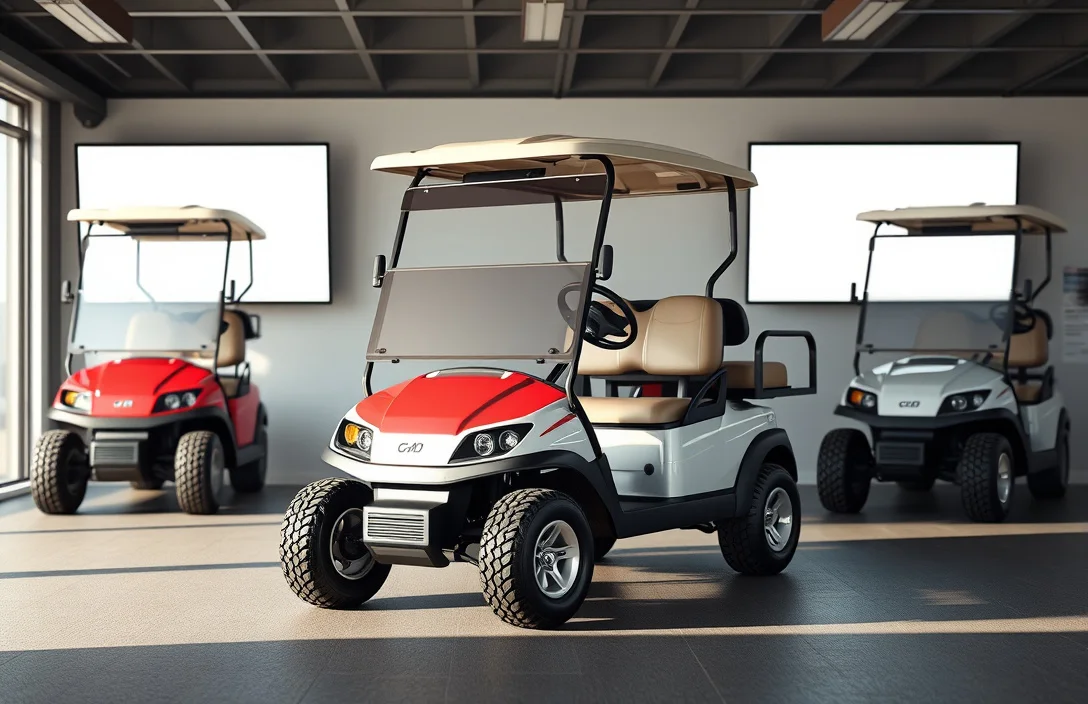
Baseline price bands by cart type reveal that entry-level electric and compact gas models start at the low end, mid-range carts push into more comfortable territory, and premium models command higher five figure price tags. The exact numbers vary by drivetrain, battery size, and included features, which is why you see a wide spread in quotes. Regional taxes, freight, and dealer incentives can shift those figures by thousands, so expect area-to-area variation.
Price Drivers by Type
Electric golf carts typically carry a higher upfront price due to the battery and electric drivetrain. Over the life of the cart, operating costs are often lower because electricity is cheaper than fuel and maintenance items are simpler, which can narrow the total ownership gap with gas models. The price difference varies by brand, battery chemistry, and included features.
Powertrain Costs
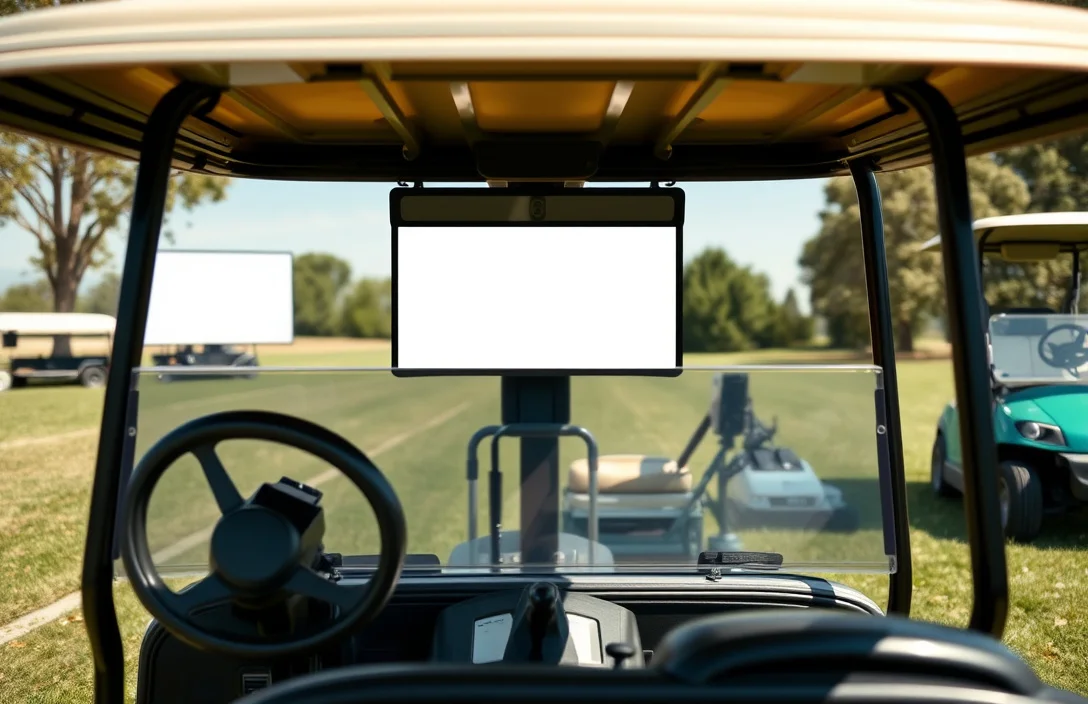
Motor choices and drive train complexity shape initial pricing for golf carts. Electric carts use either brushed DC motors or AC motors with inverter-controlled drives that determine torque delivery and hill performance. DC motors are cheaper and simpler to service, while AC systems offer higher efficiency and smoother torque but require larger controllers and more wiring.
Battery Size and Range
Battery Size and Range: Most new golf carts rely on a 48-volt battery system, with a choice between lead-acid and lithium chemistries. Pack size is described in amp-hours, and the energy sense grows with both voltage and Ah, so bigger packs extend usable range but add cost and weight. If you expect to drive longer between charges, lithium packs often offer more usable energy in the same space, at a higher upfront price.
Note: When comparing carts, ask for the exact voltage, total Ah, and chemistry, then look for the expected range per charge under your typical course conditions.
Charging Setup Costs
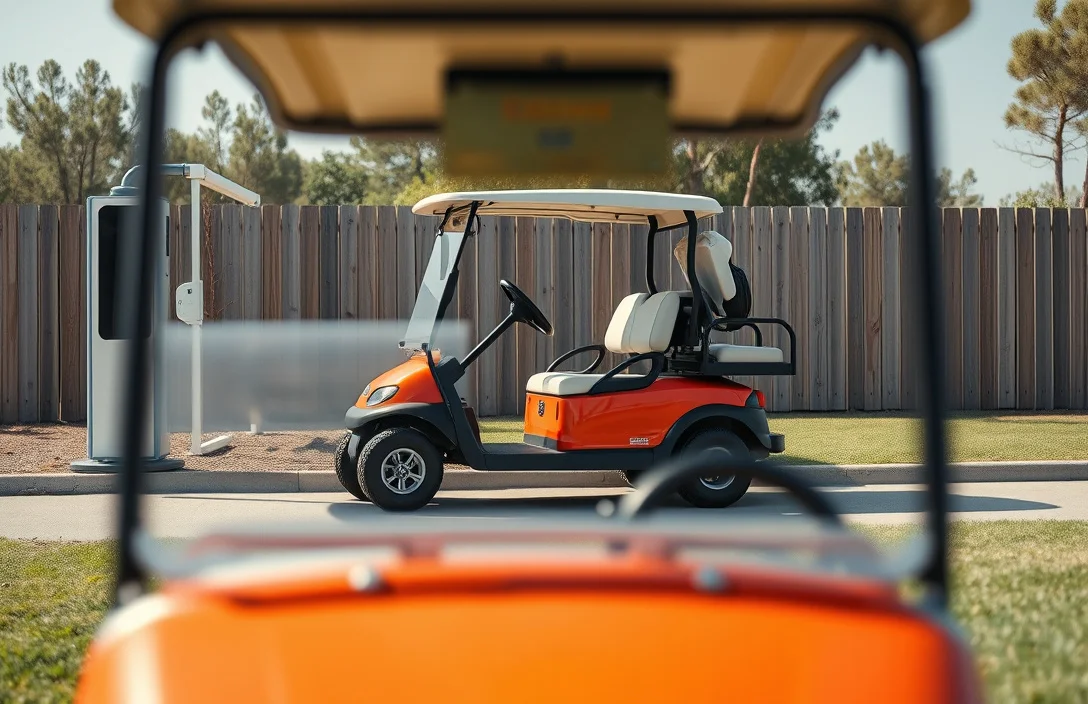
Onboard vs External Chargers set the baseline for what you pay to power a new golf cart. An onboard charger is typically built into higher trim electric carts or added as an option, and in some models is not upgradeable later. External chargers vary widely; simple 120V units can cost a few hundred dollars, whereas higher-power 240V units plus professional wiring can push setup costs toward $1,000 or more.
Electrical installation considerations add to the total. A basic 120V setup may suffice for overnight charging, but a dedicated 240V circuit with a higher-amperage charger is common for frequent use and faster charging, and it can require an electrician and potential panel upgrades. Labor plus materials typically ranges from a few hundred dollars up to $1,000 or more depending on distance, breaker size, and existing service.
Charging standards and port types vary by battery voltage and chemistry. Some carts support 120V outlets with a tethered charger, while others rely on a dedicated 240V outlet for faster top‑ups. The charger inlet or external unit will specify the accepted outlet type, cord gauge, and enclosure rating, and compatibility matters for safety and performance.
| Aspect | Onboard Charger | External Charger |
|---|---|---|
| Typical price range (unit) | Usually included; adding later often $250 – $1,000 depending on amperage | $150 – $800 for the unit, plus potential wiring costs |
| Amperage range | Commonly 5 – 20 A; higher for lithium packs | Typically 5 – 30 A |
| Voltage / battery match | Matched to pack (for example 48V or 72V) | Depends on pack; can be 120V or 240V inputs |
| Port type | Built-in inlet or integrated cord on the cart | External cord with wall plug; cart may have an inlet |
| Installation impact | Minimal if included; limited upgrade options | Often requires licensed electrician for 240V or dedicated outlet |
| Pros | Convenience, neater setup | Flexibility, easier upgrades, portability |
| Cons | Higher upfront cost, fixed integration | Requires storage and cable management |
Budgeting tip: plan for both hardware and labor. If you already have a suitable 120V outlet, you may keep costs lower; upgrading to 240V and a higher-amperage charger shows benefits only with frequent use or higher-capacity packs. Always verify the cart’s label, manual, and battery documentation before purchasing a charger or committing to electrical work.
Warranty, Safety, Longevity
Warranty terms determine how long the cart’s powertrain and battery are covered against failures. Comprehensive coverage lowers potential out-of-pocket repair costs and downtime, which matters as the cart ages. Safety features and heat management influence both the likelihood of failures and the severity of potential events.
Financing and Regional Variations
Final out-of-pocket cost is shaped by local taxes, registration fees, and dealer incentives, and many buyers finance the purchase over 3 to 5 years. Freight, regional pricing, and promotional terms can swing the total price significantly beyond the sticker. The all-in cost is the sticker price plus these region-specific charges and financing costs.
In practice, request multiple quotes and ask for an all-inclusive out-the-door price that shows taxes, fees, and any adds-ons. This helps you compare offers across regions and avoid surprises when you finalize the purchase.
Quick Summary
A new golf cart price varies widely by model and options, but financing and rebates frequently reduce upfront costs.
Frequently Asked Questions
How much is a new golf cart, and does charger compatibility affect the price?
A basic new electric golf cart typically starts around $8,000. Charger compatibility can add a few hundred dollars if you need adapters or a different charging setup, but most models include a compatible charger.
How much is a new golf cart if it runs hot under load, and does cooling affect cost?
If a cart runs hot, you may need cooling upgrades or a higher amp battery pack, which can add about $600 to $1,200 to the price. Not every cart needs this, but it is a real cost driver for performance upgrades.
How much is a new golf cart in terms of runtime on a full charge?
Most new electric carts offer roughly 25 to 40 miles per full charge, depending on load and terrain. If you want more miles, upgrading to a larger battery pack can add around $1,000 to $2,000 to the upfront price.
How much should safety features influence the price when buying a new golf cart?
Basic safety features are common, but enhanced protections can raise the price by around $200 to $800.
How much is a new golf cart considering replacement timing and common buying mistakes?
Batteries typically last about 4 to 6 years, so replacement timing matters for total cost. Buying without a warranty or with an older battery can add about $1,000 to $3,000 later in battery replacements.