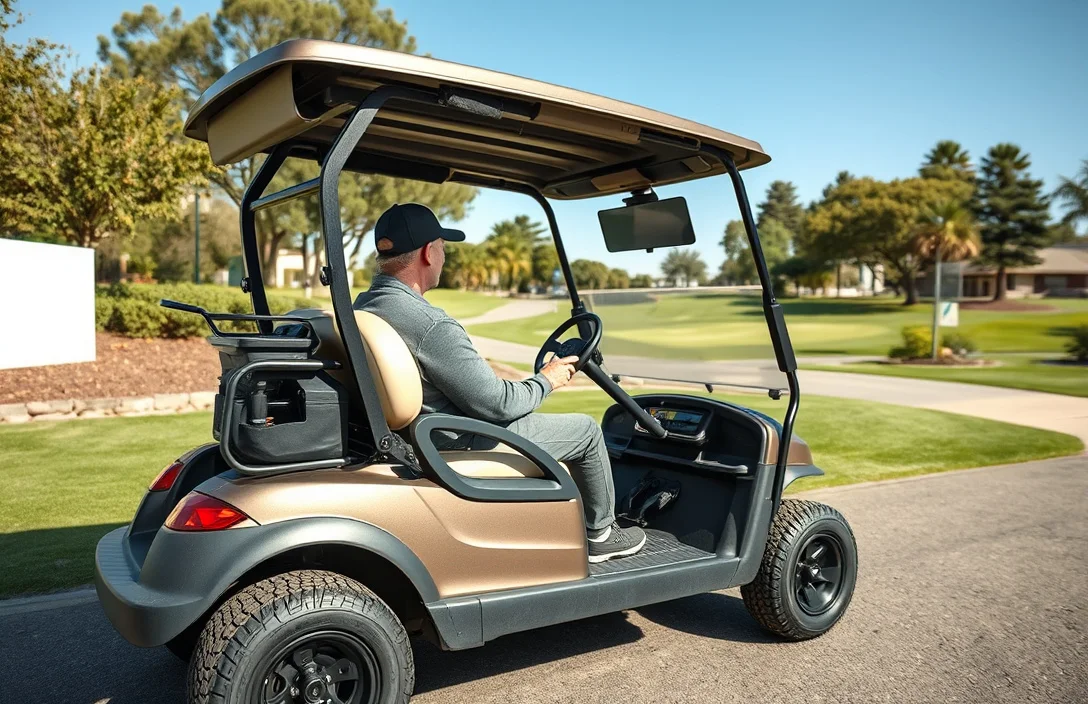
Understanding Electric Golf Cart Prices: Factors And Insights
How much is an electric golf cart? comes down to matching the advice to your situation instead of following a generic checklist. I will focus on the main decision points, the tradeoffs that matter most, and the practical next steps you can use before spending time or money.
Electric Golf Cart Price Ranges
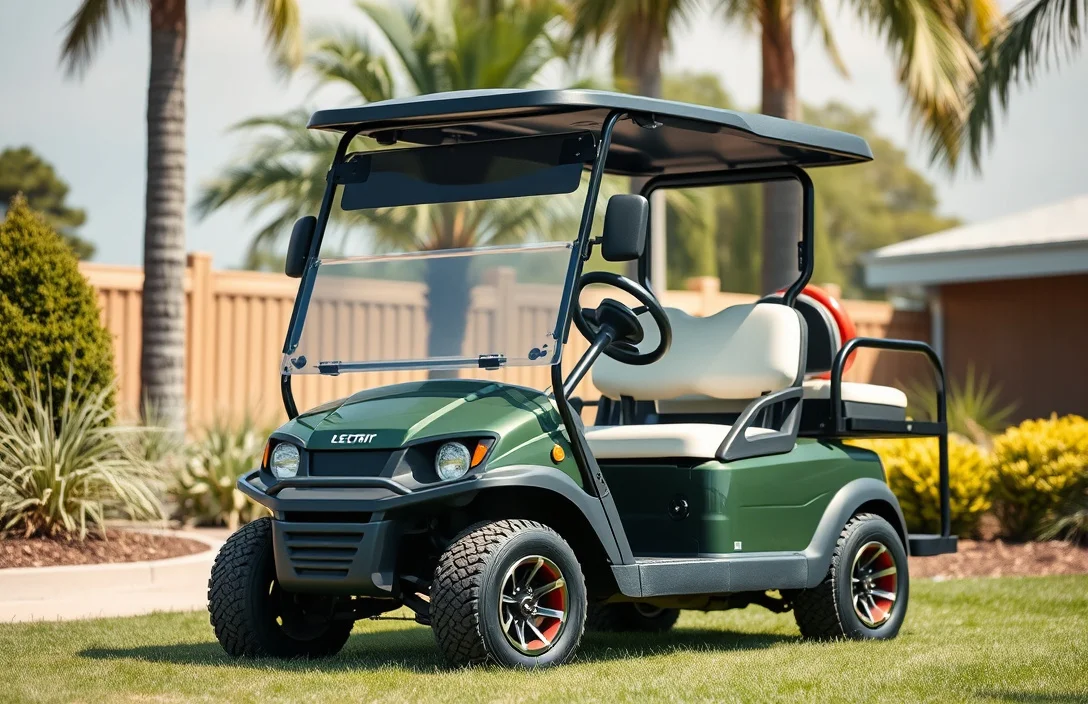
Electric Golf Cart Price Ranges: Prices vary widely by brand, battery type, seating capacity, and options. Used electric carts often start in the low thousands, while new, feature-rich models can run into the tens of thousands. The table below outlines broad price bands and the main price drivers.
| Tier | Typical price impression | Key drivers | Notes |
|---|---|---|---|
| Used entry-level | Low upfront cost due to age and simplicity | Older chassis, basic seating, possible lead-acid battery; limited range; parts and service may be harder to source | Battery health and controller condition greatly affect reliability; request current battery tests and service history |
| Used mid-range | Moderate upfront cost with better reliability | Newer model years, improved electronics, better suspension and seats; may still be lead-acid or transitioning to lithium options | Check for prior upgrades, comprehensive service records, and any remaining or transferable warranties |
| New base model | Lower end of new carts; basic features | New manufacturing costs, standard battery pack, modest top speed; essential safety gear and basic charging system | Expect a limited feature set; inspect charger specifications, voltage, and local charging compatibility |
| New premium model | Higher upfront cost | Lithium battery options, higher capacity, faster charging, advanced controls, plush seating, improved ride | Longer warranty coverage; better resale value; confirm software updates and dealer support |
| Battery upgrade option | Added cost to upgrade to modern chemistry | Lithium or advanced packs on compatible platforms; weight, cycle life, and fewer maintenance events | Upgrades may require charger and BMS compatibility checks; compare total lifetime cost vs replacement planning |
Electric Golf Cart Price Ranges: Ownership costs extend beyond the sticker price. Charging hardware, energy costs, and routine maintenance add up over time. Lithium powered carts often cost more upfront but can offer longer battery life and lower replacement costs compared to lead acid setups, depending on usage patterns.
Electric Golf Cart Price Ranges: Where to buy and what to check. Consider authorized dealers for full warranties, reputable used-cart marketplaces with documented battery health, and refurbishment options that include a current battery check. Always verify charger compatibility, voltage, and warranty terms before purchasing.
Factors Influencing Pricing
Pricing is driven by three levers: brand and dealer network, the battery chemistry and capacity, and the feature set. Higher-end brands with established service networks and factory support add value that shows up as a higher sticker price, while basic configurations with conventional lead-acid packs and fewer options stay on the lower end. The choice between lithium and lead-acid alone can swing ownership costs over time due to maintenance and lifespan.
| Aspect | Upfront Cost Implication | Ongoing Cost or Value | Notes |
|---|---|---|---|
| Brand Differences | Premium brands typically price higher | Stronger dealer network, faster parts access, better resale value | Warranty terms vary by manufacturer and region |
| Battery Types | Lithium and larger packs cost more initially | Lower maintenance, longer life, simpler charging routines | Charging infrastructure may differ by type |
| Additional Features | Packages raise the sticker price | Potential gains in uptime, productivity, and comfort | Value depends on use case and maintenance needs |
Tip: When shopping, consider total cost of ownership, including battery replacement timelines and charging equipment, not just the sticker price.
Popular Models Comparison
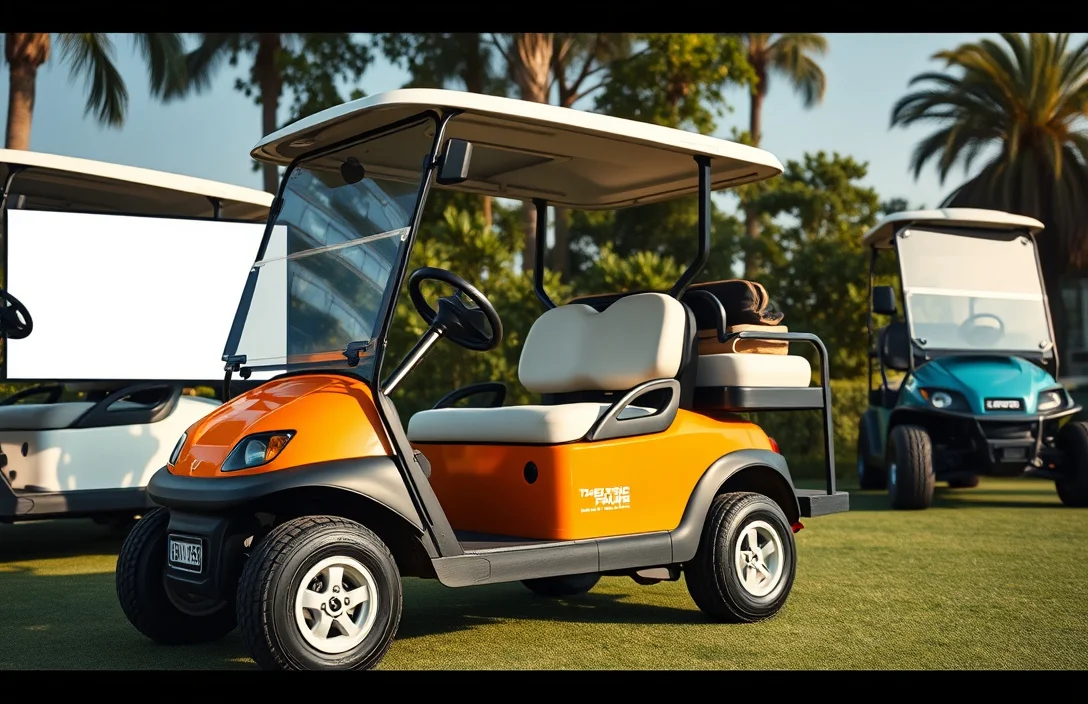
Prices vary widely for electric golf carts, driven by brand, seating capacity, battery type, motor power, and included features. Basic two-seat carts with lead acid batteries are cheaper, while four-seat models with lithium batteries and upgraded comforts cost more. The price ladder reflects battery chemistry, available options, and dealer incentives.
The table below outlines common model archetypes and how they typically compare on specs and price. It helps buyers see how battery choice and amenities shift cost.
| Model | Seating | Battery Type | Key Features | Typical Price Range |
|---|---|---|---|---|
| Entry-level 2-seat | 2 | Lead-acid | Basic lighting, simple dash, minimal suspension | Low |
| Standard 4-seat | 4 | Lead-acid | Comfort seating, modest upgrades, standard charger | Mid |
| Lithium-equipped 4-seat | 4 | Lithium-ion | Regenerative braking, USB ports, faster charging, longer range | High |
| Premium utility 4-seat | 4 | Lithium-ion | Heavy-duty chassis, cargo bed, higher speed option, advanced features | Higher |
When evaluating price, account for total ownership costs such as battery replacement cycles, charging equipment needs, warranty terms, and service availability in your area.
Where to buy matters. Authorized dealers often provide new carts with full warranty, certified pre-owned programs offer savings with service records, and rental fleets can give a test drive before committing. Compare delivery, setup, and after-sales support as part of the price decision.
Maintenance Costs Overview
Routine maintenance for electric golf carts generally costs a few hundred dollars per year, depending on usage, climate, and tire wear. A battery replacement is the larger, less frequent expense, and its cost varies with chemistry and care of the pack.
Routine maintenance tasks include tire inspection and rotation, brake checks, electrical system inspections, and cleaning or protecting connections. Regular servicing helps prevent failures and preserves performance over time.
Battery replacement costs depend on chemistry and health of the pack. Flooded lead-acid systems are cheaper upfront but may require more frequent replacements and regular watering, while lithium packs cost more initially but typically last longer and require less day-to-day maintenance.
Choosing a pack with proper BMS management and following good charging practices can extend life and cut long-run maintenance costs.
| Maintenance Area | What It Includes | Typical Cost Range (qualitative) |
|---|---|---|
| Routine maintenance | Tire wear checks, brake adjustments, wiring inspections, cleaning, and system tests | Low to mid range per year; primarily labor and wear items |
| Battery replacement (lead-acid) | Full pack replacement; watering for flooded types; terminal care | Lower upfront cost per replacement but more frequent; costs vary by pack size |
| Battery replacement (lithium) | Full pack replacement with higher energy density; minimal routine watering | Higher upfront cost per replacement but longer intervals between changes |
| Other consumables | Tires, belts, fuses, basic fluids, fasteners | Low to moderate per-event costs |
Charging Options Explained
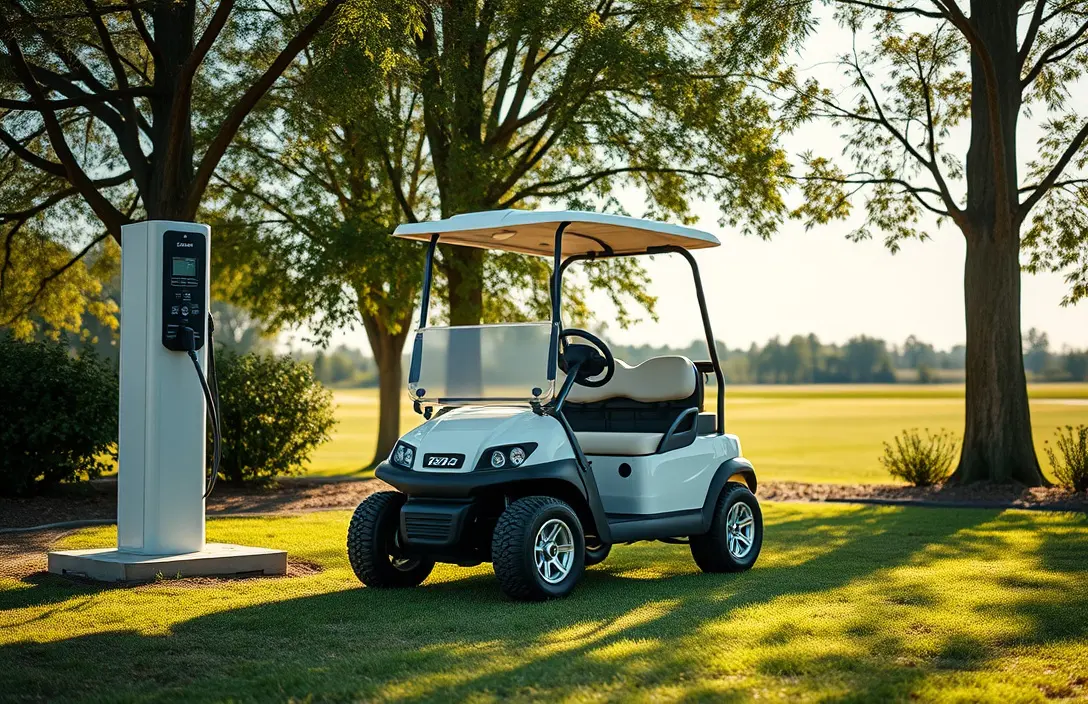
Standard charging uses the cart’s built-in AC charger plugged into a regular outlet, delivering a long recharge time. Fast charging uses higher power equipment and a compatible pack to cut downtime, but requires dedicated circuits, appropriate battery chemistry, and may influence cycle life.
Standard Chargers
Most electric golf carts ship with a dedicated 120V or 240V AC charger that plugs into a standard outlet. The recharge time depends on battery capacity and the charger’s power rating, typically spanning many hours and often overnight. Because these systems rely on common wiring, installation is straightforward for a single-cart setup, and electricity costs are predictable if you map clock usage.
End-user experiences often mention that a standard charger is simple to plug in, forget, and use. If the golf cart sits for long periods, a trickle or maintenance charging strategy can help preserve the battery’s health, especially for lead-acid packs, while lithium packs tend to tolerate regular top-offs if the BMS is active.
| Aspect | Standard Chargers | Fast Charging |
|---|---|---|
| Charging power | Low to mid power, designed for overnight fills | High power, designed to reduce downtime where supported |
| Circuit requirements | Standard outlet or dedicated circuit | Dedicated circuit, often higher voltage |
| Battery compatibility | Widest support among lead-acid and some lithium packs | Requires compatible lithium or smart BMS |
| Downtime impact | Longer recharge times | Significantly shorter recharge times |
Safety reminder: always use rated cables, keep chargers dry, and unplug if you notice overheating, swelling, or unusual smells.
Fast Charging
Fast charging relies on higher power equipment and a compatible battery chemistry to shorten the recharge window. It is common on newer lithium-based carts and may require a dedicated electrical circuit and advanced battery management. The benefits are shorter downtime, but the trade-offs include higher upfront hardware costs and potential long-term wear if used aggressively on certain chemistries.
In practice, assess your operation how many carts need daily turnover, the availability of a suitable outlet or DC system, and the battery type installed. If downtime matters more than upfront costs, fast charging with proper controls can be worthwhile.
Choosing between options means balancing downtime, initial cost, and long-term battery health Standard charging remains the simplest and most cost-effective for many fleets, while fast charging can unlock higher utilization with the right hardware and care.
Where to Buy Electric Golf Carts?
Online retailers and local golf cart dealerships are the main places to shop. Online options offer broad selection and doorstep delivery, while local dealers let you inspect, test drive, and arrange service plans before purchase. Expect a mix of new, used, and refurbished carts at different price points, with resale, maintenance, and warranty considerations shaping the total cost.
Online retailers include brand portals and specialty marketplaces. They provide filters for battery type, seating, and performance features, plus financing tools and return policies. Compare shipping terms and after-sales support to ensure you can access parts and service if something goes wrong.
Local dealerships and fleet suppliers give hands-on access. You can sit in a cart, take a test drive, and discuss customization, warranties, and maintenance programs in person. They often offer trade-ins, local financing, and on-site service plans that can simplify budgeting and ongoing expenses.
| Buying Channel | What to Expect | Cost Signals to Watch |
|---|---|---|
| Online retailers | Broad selection and easy comparisons, doorstep delivery | Shipping and setup can add to total |
| Local dealerships | Hands-on testing, in-person service plans | Higher upfront price but streamlined warranty and maintenance |
| Used or refurbished sellers | Lower upfront cost, faster availability | Battery condition and prior use strongly affect value |
Note: A strong service network near you can save more over time than a small upfront discount. Ask about battery replacement options, parts availability, and what the dealer will cover under the warranty.
For example, a buyer comparing two mid-range carts might see one option online with lithium battery and extended service plan priced higher, while a local dealer offers bundled financing and an in-person test drive. Factor in access to local service and potential battery replacement costs, which influence the total cost of ownership over several years.
Safety Considerations
Battery safety is crucial when using electric golf carts. Proper handling of batteries can prevent leaks, corrosion, and potential hazards. Always check for signs of swelling or damage before use, as affected batteries can pose a fire risk. General usage safety involves adhering to the manufacturer’s guidelines for operation and maintenance. Always wear appropriate safety gear when working on or around the cart, such as gloves and safety glasses. In practice, regular maintenance can enhance safety. Inspect the wiring and connectors for wear and tear, and replace any frayed cables immediately. Ensure that the battery terminals are clean and free of corrosion, as this can affect the performance and safety of the cart. For example, when charging, monitor the battery temperature. If it feels excessively hot, disconnect the charger immediately and allow it to cool down. Overheating can indicate an electrical fault or that the battery is nearing the end of its lifecycle.
| Battery Type | Common Risks | Precautionary Measures |
|---|---|---|
| Lead-Acid | Leakage, corrosion | Regularly check for leaks, clean terminals |
| AGM | Overheating | Use a compatible charger, monitor temperature |
| Lithium-Ion | Swelling, fire hazards | Store in a cool place, do not expose to moisture |
Following these safety practices will ensure a safer experience with electric golf carts. Always prioritize battery maintenance and consult the user manual for specific safety instructions related to your model.
Quick Summary
Electric golf cart prices vary widely by model and options, so check current listings for an accurate figure.
Frequently Asked Questions
How much is an electric golf cart, and does charger compatibility affect the price?
You can expect prices vary widely by model and features, but the battery system voltage is typically 36V or 48V, which strongly influences charger requirements and overall cost.
How much does heat affect the cost of ownership for an electric golf cart battery?
Heat reduces battery life and efficiency, which increases ownership costs; keeping the pack cooler than about 50°C during charging helps preserve capacity.
How much runtime can you get from an electric golf cart per charge, and what factors affect it?
Runtime varies by battery type and use; typical lead-acid packs give roughly 15-25 miles per charge, while lithium packs can push 20-40 miles depending on terrain and driving style.
How much safety risk is involved with charging an electric golf cart, and how can I reduce it?
Charging batteries can generate hydrogen gas in some chemistries; always charge in a well ventilated area and use the charger specified for your pack.
How much time and money should you plan for battery replacement, and what buying mistakes should you avoid?
Lead-acid batteries typically last 3-5 years, and lithium may last 8-15 years with good care; avoid buying based only on price and ignore compatibility and warranty details.