How To Tell What Year Club Car Golf Cart Is?
Your first move when sizing a battery or charger for a Club Car is nailing the year. The serial number is the fastest way to do it. A common mistake is assuming the model name tells you the year. Locate the serial label: for DS carts from 1981 onward it sits under the passenger glove box, and Pre-DS carts (1975-1980) hide the number on the driver side frame.
Serial number decoding reveals the build year. Locate the serial on the glove box for 1981 and up DS models or under the driver side frame for Pre-DS carts (1975-1980). The two digits after the prefix indicate the model year, for example 08 equals 2008, 12 equals 2012, 17 equals 2017.
Locate the Serial Number

Locate the Serial Number on Club Car carts by era, because the tag location shifts over time. DS models (1981 and up) hide it under the passenger side glove box, often near the cup holder or just above the pedals. Precedent carts from 2004 onward typically place the serial inside or under the same glove box, while Pre-DS units (1975 – 1980) tuck the serial on the driver side seat frame.
Understand Serial Number Format
Serial number structure is designed so that the prefix identifies the model family and the digits encode the year and production week. A typical Club Car code like PH0901-123456 indicates a 2009 model year and the first production week.
| Section | Meaning | Example |
|---|---|---|
| PH | Model code for Precedent family | PH0901-123456 |
| 09 | Model year | 2009 |
| 01 | Production week | Week 1 |
Identify Model Year
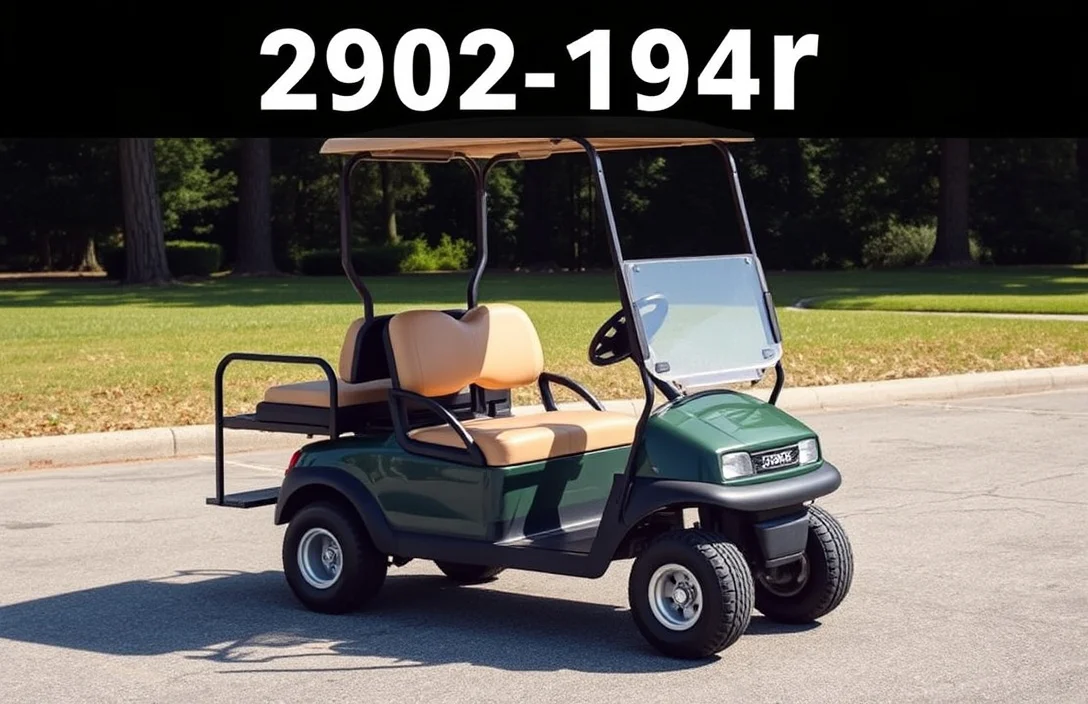
Club Car years are encoded in the serial number. A two-digit year code appears after the model prefix, for example PH09 means 2009, PQ14 means 2014, PQ21 means 2021. Use the production week digits (01-52) after that to pin the exact build week if needed.
Model Identification Guide
Serial number prefix and year digits decode the model year. The serial includes the model family code in letters and the year digits immediately after, for example PH0901-123456 indicates a 2009 Precedent i2 Excel cart. These patterns help identify the model family and guide parts compatibility across DS, Precedent, and i2 Excel lines.
Model family prefixes map to model lines and body styles. DS models carry a square-front look that emphasizes practicality and rugged use; Precedent models typically feature rounded modern styling with improved dashboards, and i2 Excel variants carry their own badge and electronics layout. The code prefixes such as DS, PH, PQ identify the family, while the digits after them hint at the model year and production week.
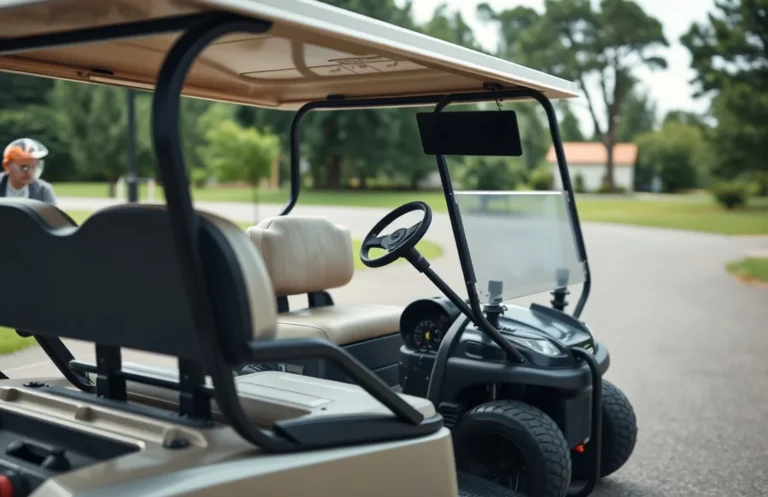
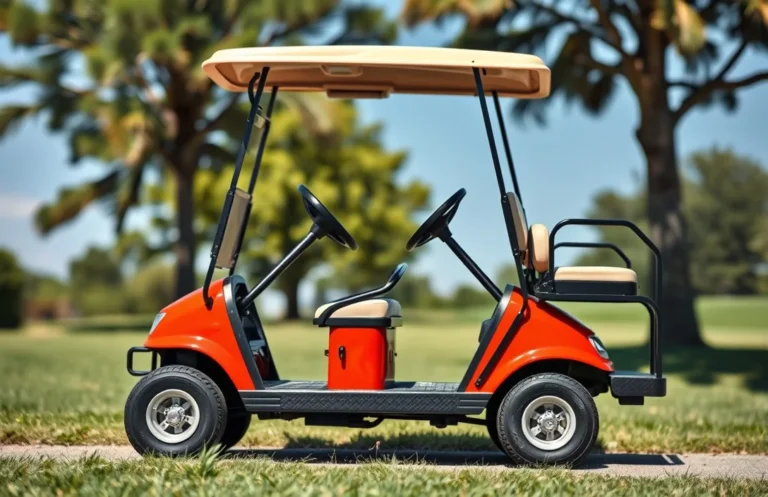
Visual differences between models help confirm identity at a glance. DS carts tend to have a squared front end and a utilitarian dash; Precedent family uses smoother lines and updated instrument clusters, and i2 Excel variants show newer battery layouts and control interfaces. Use visuals in combination with the serial decode for best accuracy.
Parts compatibility considerations rely on the decoded model family more than the year alone. Many components such as chassis mounts, controllers, and battery trays differ between DS and Precedent lines, making wrong parts a common pitfall. Always cross-check the exact model and year from the serial decode before purchasing components to avoid fitment issues.
| Prefix | Model family | Year decoding notes |
|---|---|---|
| PH | Precedent i2 Excel | Year digits after prefix indicate model year; PH0901-123456 = 2009, week 01 |
| PQ | Precedent IQ 48V Electric | Year digits after prefix indicate model year; PQ1405-xxxxx = 2014, week 05 |
| DS | DS Electric family | Front-end and chassis style evolve with generation; year digits correspond to the specific run |
Without a readable serial, rely on purchase records, dealer lookup, and visible body cues to narrow the year range. Serial decoding remains the fastest method when available.
Troubleshooting Serial Number Issues
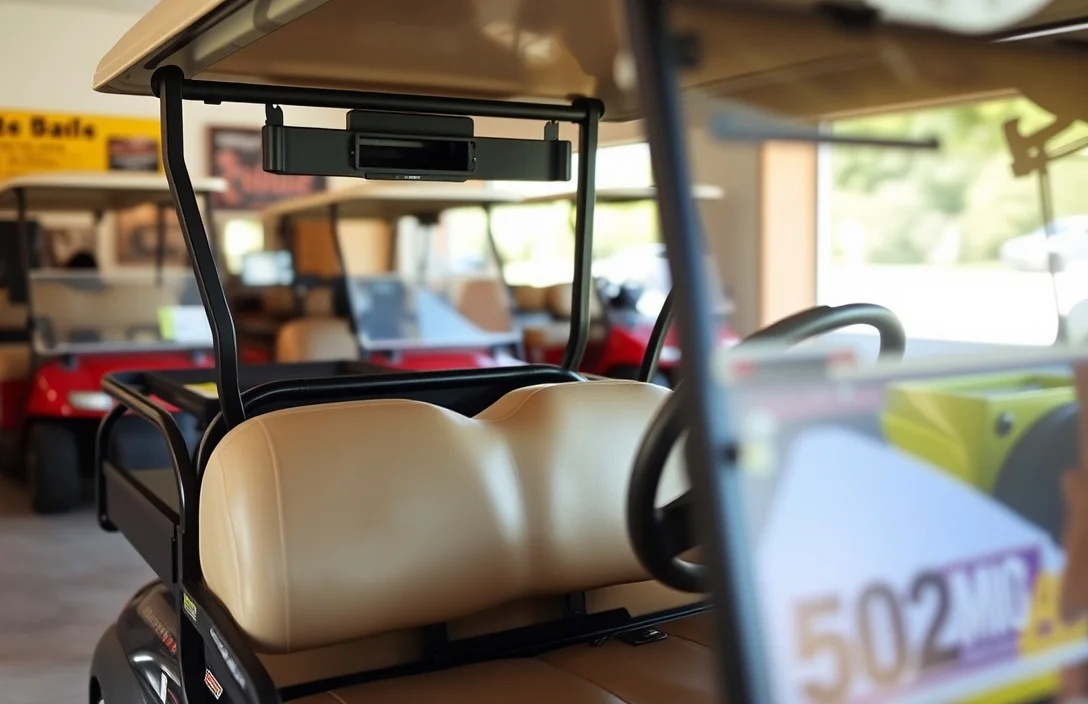
Club Car serial numbers are typically located under the passenger side glove box for most modern models, with older Pre-DS carts showing the plate on the driver side of the frame under the seat. If the plate is unreadable, use alternate clues like the prefix and year digits in the serial or consult a dealer lookup tool. These steps help you pin down the model family and approximate year even when the plate is damaged.
Serial number unreadable
Symptom: The serial plate is faded or illegible, so you cannot read the characters clearly. This is common when moisture, wear, or cleaning has worn away the ink or coating.
Cause: The plate itself is damaged or the surface has worn away, and the location (glove box area) is prone to moisture and wear.
Fix: Gently clean the area, use bright light and a magnifier, and photograph the area from several angles. If the characters still cannot be read, contact Club Car or an authorized dealer for a lookup and consider replacement plate options, using any surviving prefixes to estimate the year.
Misplaced serial number
Symptom: The plate cannot be found, and you suspect the cart might be older or the plate moved.
Cause: Location changes by era; Pre-DS carts place the plate under the driver side seat on the frame, while DS and Precedent place it under the passenger glove box.
Fix: Check the era-specific spots in order: driver side seat frame for Pre-DS; passenger glove box for DS and Precedent; look for alternate markings or a barcode sticker near pedals. If still missing, pull purchase documents or contact a Club Car dealer for a lookup based on the chassis, battery configuration, or other identifying marks.
Confirming authenticity
Symptom: You want to verify that the cart and its labeling match the claimed model and year.
Cause: The serial number encodes model family and year; a mismatch between the prefix and the cart’s body style or documentation can signal a non-original plate or mislabeling.
Fix: Decode the prefix and the digits after it to determine model family and year, then verify with official Club Car manuals or a dealer, and cross-check against purchase records or a VIN-style lookup. If there is a mismatch, treat the cart as suspect until verified by a qualified dealer.
| What You Found | Use This Lookup Path | What It Usually Tells You |
|---|---|---|
| PH0901-123456 | Full serial decode | Precedent i2 Excel, 2009, production week 01 |
| PH | Model code prefix | Model family |
Importance of Knowing the Year
The exact calendar year of your Club Car informs which parts diagrams, service notes, and battery setups apply to your cart. That year-specific detail keeps parts orders accurate and reduces downtime from incompatible replacements.
With correct year knowledge, you avoid ordering the wrong body panels, mounting hardware, or electrical harnesses. Catalogs and dealer portals are year segmented, so a mismatch forces returns or remakes that cost time and money.
Ordering parts correctly hinges on knowing the year because model prefixes, chassis variants, and connector layouts change across generations. A part that’s right for one year can be misfit on another, even if the model looks similar.
Battery options are year dependent because voltage systems, cell chemistry, and charging strategies evolved over time. Older Club Car carts used different voltages and battery packaging than newer models, which affects both replacement packs and the charger you need. Always cross-check the system voltage on the data plate and in the service manual before buying batteries.
Accessories like roof racks, seating, and lighting kits often assume specific mounting points and wiring harness standards that changed with generations. A kit built for a legacy frame may not align with a more modern chassis, causing fitment issues or wiring conflicts.
| Area to check | Year-dependent detail | How to verify |
|---|---|---|
| Battery system voltage | 36V vs 48V, etc | Data plate, battery label, or manual |
| Charger compatibility | Voltage and connector standards | Charger label and scheme in manual |
| Accessory mounting | Mounting patterns and harness plugs | Compare with accessory instructions |
In practice, the quickest way to ensure accuracy is to pull the serial number or model code and confirm the year with a dealer or official manual. Treat the year as the first filter when ordering, then verify part numbers and voltages before purchase.
Buying Used Club Cars Safely
Serial numbers encode the year. Locate the serial in the glove box area for most current Club Car models, or under the driver-side seat on older Pre-DS carts. The year is revealed by the digits after the model prefix.
Location and decoding rules vary by era. For modern carts, look under the passenger glove box for a barcode sticker with the serial. For older Pre-DS carts, lift the driver-side seat and inspect the frame area near the battery to read the serial.
For example, a serial PH0901-123456 decodes to a 2009 Precedent model, week 01. If the cart’s exterior styling or badge suggests a different year, request dealer confirmation or documentation to verify the match before purchasing.
| Code | Meaning |
|---|---|
| PH | Precedent model code |
| 09 | 2009 model year |
Quick Summary
Identify your Club Car golf cart year quickly by decoding the serial number prefix and matching it to the model year.
Frequently Asked Questions
How can I tell what year my Club Car is to ensure compatibility of batteries and chargers?
You should locate the serial number and decode the year. The two digits immediately after the letter prefix indicate the model year; for example, a serial that starts with PH09 indicates a 2009 model.
What should I do if there is no serial number visible on the cart?
Older carts may place the serial on the frame under the driver side seat; if you cannot find it in the glove box area, check the frame location and use purchase records or contact a Club Car dealer for year verification. Older carts may place the serial on the frame under the driver side seat.
How does knowing the year help with charging compatibility and heat safety?
Your year helps you pick the correct charger voltage and profile for your cart; using the wrong charger can cause excess heat and shorten runtime. Verify the charger voltage on the cart’s label and match it to the model year.
When should I consider replacing batteries or chargers after identifying the year?
Follow the maintenance guidance in the cart’s manual for replacement timing. If you notice swelling, unusual heat, or a noticeable drop in runtime, plan replacement. Follow the maintenance guidance in the cart’s manual.
What buying mistakes should I avoid when shopping for parts by year?
Do not assume that a year alone guarantees compatibility; parts are often not interchangeable between DS and Precedent models, so double-check the model prefix and voltage before buying.