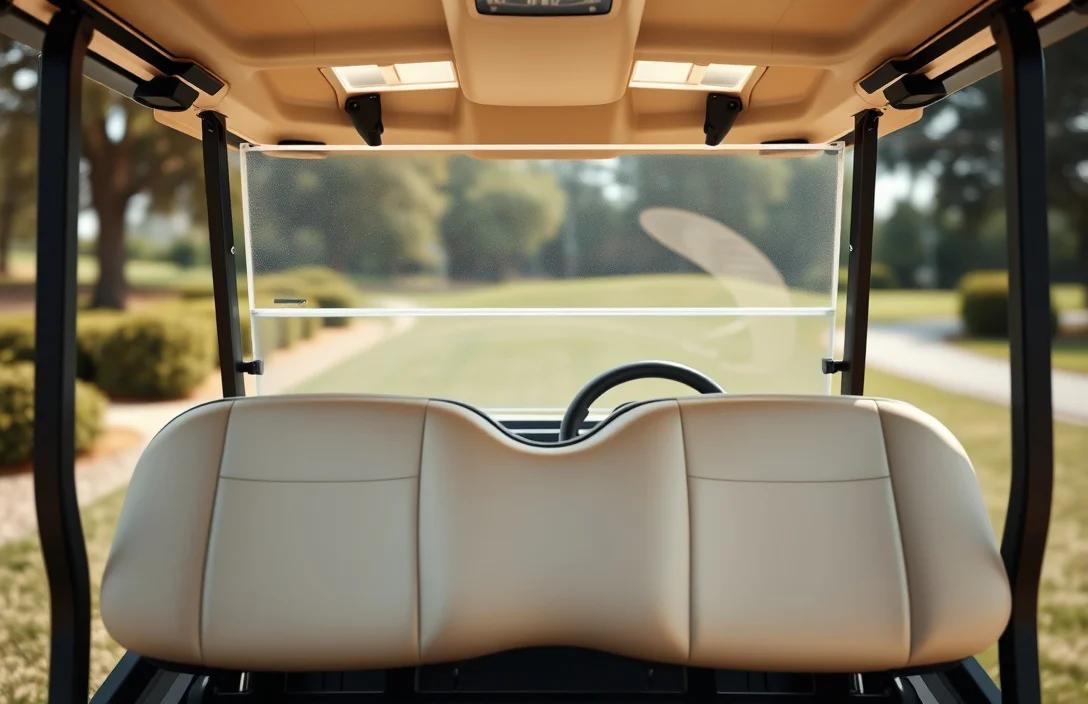
How To Clean Golf Cart Seats?
Safety first: avoid soaking seats or letting cleaner reach the battery area. The spec that matters most is the seat material type – vinyl, leather, or fabric – and its care code. The common mistake is using bleach, ammonia, or abrasive cleaners that crack or fade the surface. Always check the upholstery label or the cart maker’s cleaning instructions before you start.
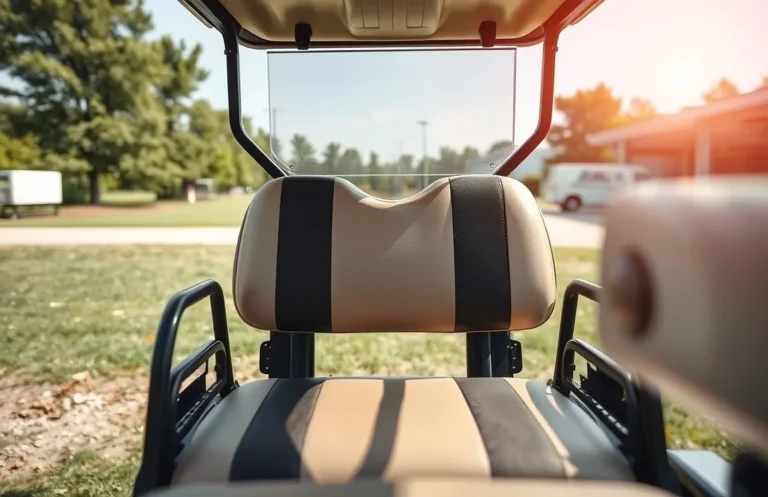
Vinyl seats cleaning starts with vacuuming to remove loose dirt, then a mild soap solution of 1 gallon warm water and 1 capful dish soap. Scrub gently with a microfiber brush, wipe with a damp cloth, and air dry for 15 minutes. Fabric seats use a fabric cleaner and blot dry.
Choosing the Right Cleaning Products
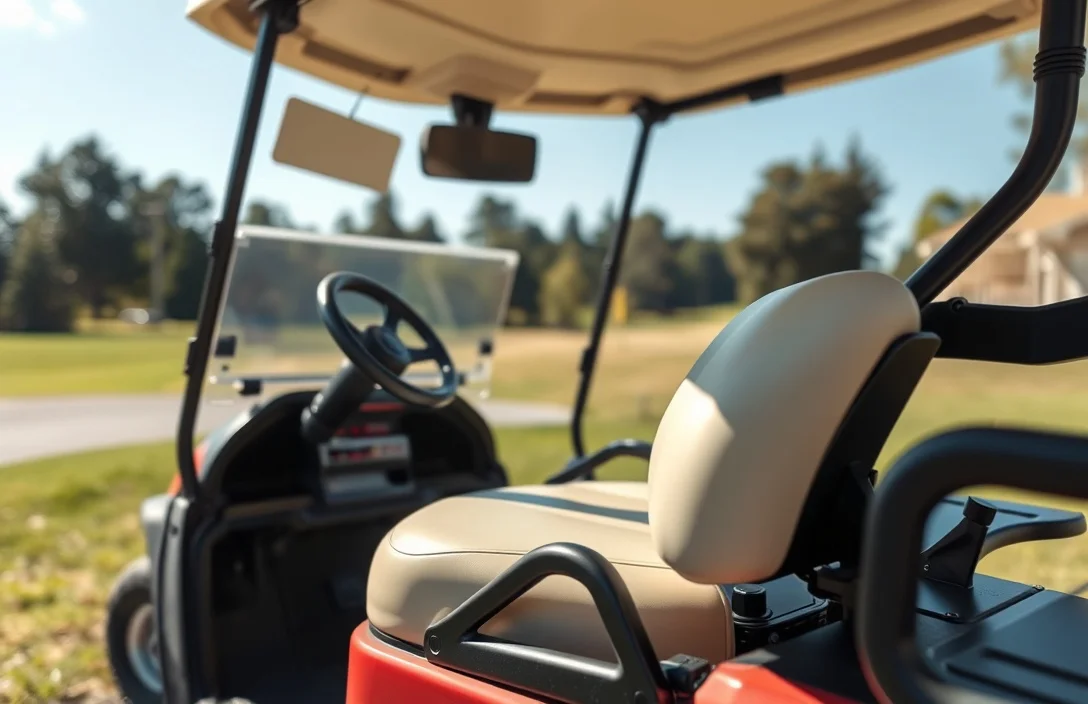
For Vinyl Seats: Cleaner selection hinges on material and stain type. Use mild, pH-neutral cleaners for vinyl to avoid coating damage, and test on a hidden area first. These cleaners should lift grime without leaving residues that attract more dirt.
For Fabric Seats: Fabric-safe upholstery cleaners are essential to avoid setting stains or bleeds. Use a foam cleaner or a light spray designed for textiles and follow with blotting to lift grime. Test on a hidden area and ensure the cleaner is safe for the fiber composition of your seats.
For Leather Seats: Use cleaners formulated for leather with conditioning ingredients. Choose a pH-balanced leather cleaner and follow up with a conditioner to replace oils lost during cleaning. Avoid water-only methods that can dry leather; test colorfastness first.
| Seat Material | Recommended Cleaner Type | Notes |
|---|---|---|
| Vinyl | PH-neutral upholstery cleaner, mild soap | Test patch; avoid bleach |
| Fabric | Fabric upholstery foam/spray, enzymatic cleaners (if appropriate) | Blot; avoid saturating backing |
| Leather | Leather cleaner with conditioner | Condition after cleaning; avoid excess water |
Note: Always check your golf cart seat manufacturer guidelines before applying cleaners, as coatings and materials vary.
Preparation Steps Before Cleaning
Clear surfaces reveal dirt and allow cleaners to work without grinding debris into upholstery. Start by removing loose debris from the seat top and seams, then inspect visible staining once the area is accessible.
Step-by-Step Cleaning Instructions
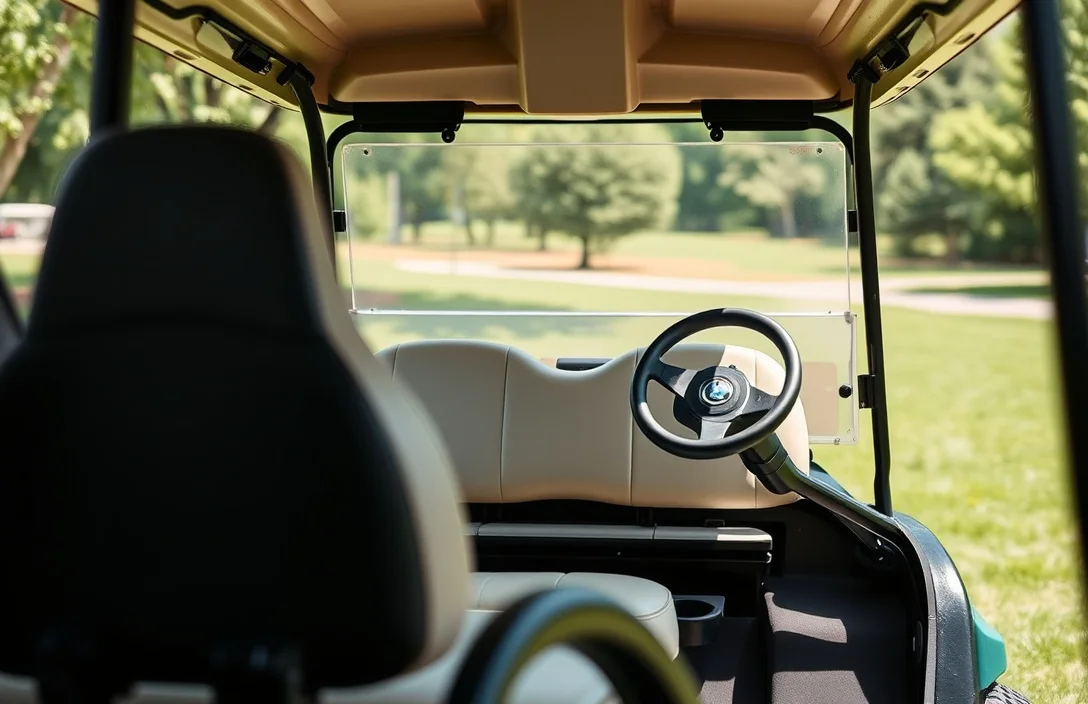
Identify the seat surface and choose a gentle cleaner designed for that material, then test on a hidden area before full cleaning. Work in a shaded area, remove loose dirt with a vacuum or soft brush, and avoid soaking the upholstery. Clean in small sections, blotting rather than scrubbing, and dry promptly to reduce water damage.
Drying and Finishing Touches
Air Drying Techniques prioritize steady airflow over heat to prevent distortion of vinyl and to preserve adhesive bonds in seams. Use a quiet oscillating fan or a purpose-built seat dryer to direct air across the entire surface, lifting moisture from creases and corners by circulation rather than evaporation alone. If possible, keep the golf cart out of direct sun and behind shade to avoid color fading while the fabrics dry, and check progress every 10 to 15 minutes so you can adjust as needed.
Maintenance Tips for Longevity
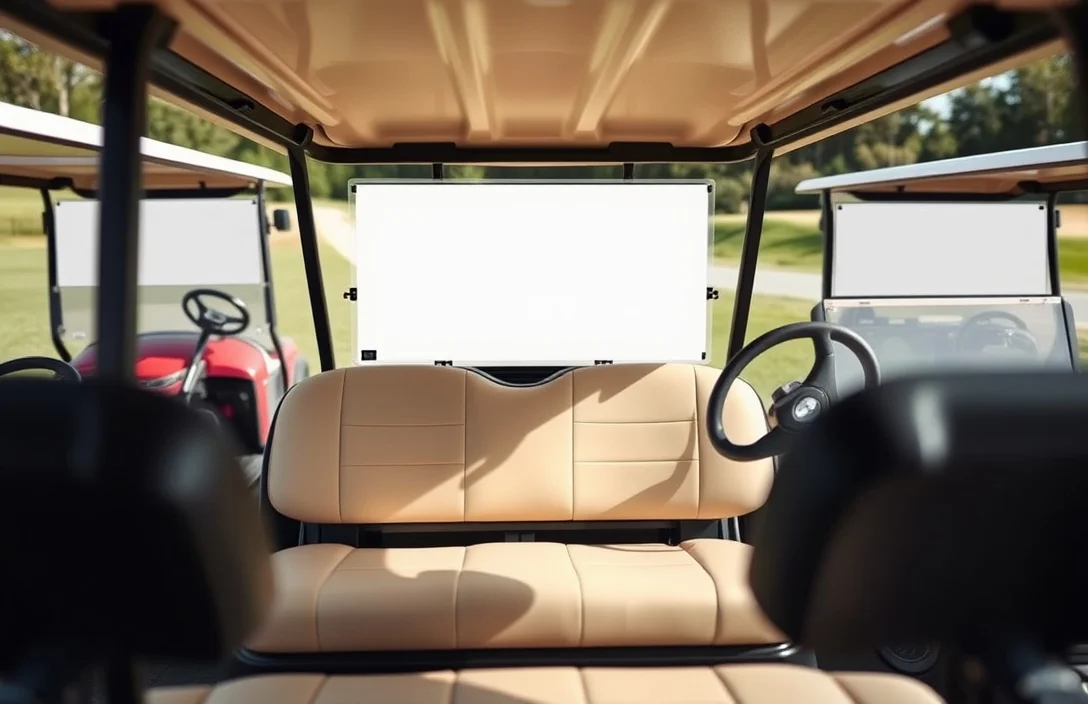
Vinyl seats tolerate damp cleaning but can crack if exposed to harsh solvents. A consistent routine of quick wipe-downs and a monthly deeper clean preserves color and resists stains. Use a microfiber cloth and a soft brush to keep seams clear without abrading the surface.
Safety Precautions with Cleaning Agents
Gloves protect skin from chemical exposure and stains, and proper ventilation reduces fume buildup. Do not mix cleaners, and choose products labeled for upholstery or vinyl. If you have sensitive skin, wear thicker barrier gloves and wash hands after finishing.
Patch testing and label checking are essential because seat materials vary and cleaners interact differently with vinyl, leatherette, or cloth. If you notice a strong odor, skin irritation, or unknown staining after cleaning, stop, ventilate more, and consider trying a milder product or a different method before proceeding.
Common Cleaning Issues and Solutions
Effective cleaning starts with a patch test and choosing a cleaner that matches your seat material. Use mild soap and water for most stains, and avoid harsh solvents that can crack vinyl or set colors; then rinse and dry thoroughly to prevent new staining and odor buildup.
Dealing with Stubborn Stains
Symptom → Persistent stains remain after routine wipe downs. Cause → Oils, dyes, and tannins bond to the surface, making them harder to lift. Fix → Pre-treat with a cleaner appropriate for your seat material, scrub gently with a soft brush, then rinse and blot. If needed, repeat once more and finish by air drying.
Fading Colors
Symptom → Colors look dull or fade unevenly after sun exposure. Cause → UV light breaks down dyes and finishes on vinyl or fabric. Fix → Clean the surface, then apply a UV stabilizer or dedicated vinyl protectant; test first and reapply as directed.
Odor Elimination
Symptom → Musty or sour smells linger after cleaning. Cause → Moisture trapped in foam or fibers and lingering organic matter that fosters bacteria or mold. Fix → Deep clean, dry thoroughly, and deodorize with enzyme cleaners or absorbents.
Quick Summary
Clean golf cart seats safely by choosing products aligned with their material type and avoid moisture near electrical components.
Frequently Asked Questions
Question 1?
You’ll typically clean golf cart seats with a vinyl-safe cleaner or a mild soap solution; most golf cart seats are vinyl, so start with a 2:1 water to cleaner mix and spot test first.
Question 2?
Use lukewarm water and avoid heat; keep the cleaning solution under 105°F (40°C) and never use steam on vinyl seats. Start with a 90-105°F water temperature for best results.
Question 3?
Cleaning a standard golf cart bench typically takes about 5-15 minutes per seat, plus 30-60 minutes of air drying. If you power a handheld cleaner from a portable power bank, check the cleaner’s runtime rating and ensure your power bank can supply the required wattage for the duration you need.
Question 4?
Power off any attached devices and test cleaners on an inconspicuous area; pH-neutral cleaners are safer for vinyl than bleach or ammonia. Allow seats to dry for at least 60 minutes before use to avoid slip hazards.
Question 5?
Avoid cleaners with ammonia or strong solvents that can damage vinyl. Look for a pH neutral product and a gentle cloth; a common buying mistake is skipping a spot test or assuming all golf cart seats react the same to cleaners.