How To Start Golf Cart Without Key?
Starting a golf cart without the key is not a safe or legal shortcut. The ignition lock and
Golf Cart Ignition Basics
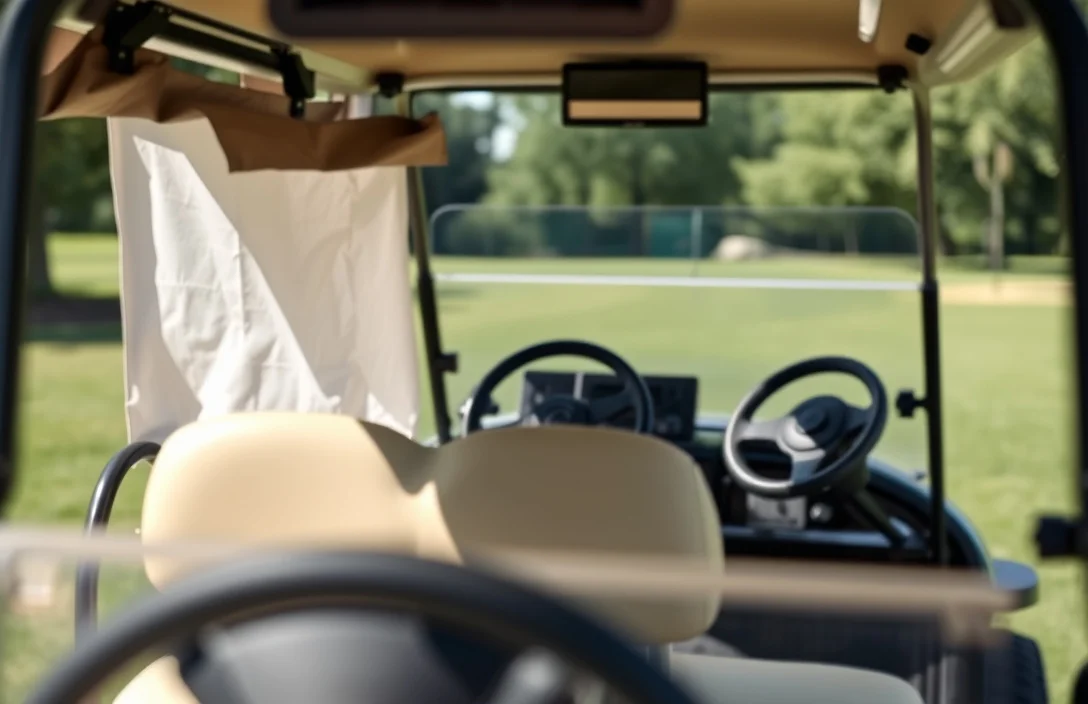
Ignition switches act as the gate between the battery and the golf cart’s start and ignition circuits. When you turn the key to START, power is routed to the starter solenoid and to the ignition logic, allowing cranking and running. Modern carts also include safety interlocks that prevent cranking unless a condition such as seat occupancy or neutral gear status is met, so a simple shortcut isn’t universally reliable.
Legal and Safety Boundaries
Authorization is a legal requirement for accessing or starting a golf cart’s powertrain. Tampering with ignition or security systems can expose you to criminal liability and insurance complications. Rely on official channels to regain access and avoid voiding any warranty or safety protections.
Manufacturer guidance generally limits ignition access to owners or authorized service providers. Unauthorized attempts can void warranty protections and may expose you to liability for damage or injury.
| Aspect | Risk/Impact | What to Verify |
|---|---|---|
| Ownership verification | Ensures you have the right to service the cart | Proof of ownership or fleet assignment, matching serial number |
| Official support access | Reduces risk of damaging electrical or security systems | Contact the dealer or manufacturer; request legitimate access options |
| Warranty terms | Unauthorized work can void coverage | Read the warranty booklet or service policy; ask about permitted procedures for key loss |
| Safety and liability | Improper handling can cause unintended movement or electrical hazards | Follow manufacturer approved procedures and safety notices |
Proceeding through official channels minimizes legal risk, protects safety features, and preserves warranty coverage while you regain authorized access to the golf cart.
Spare Keys and Official Support
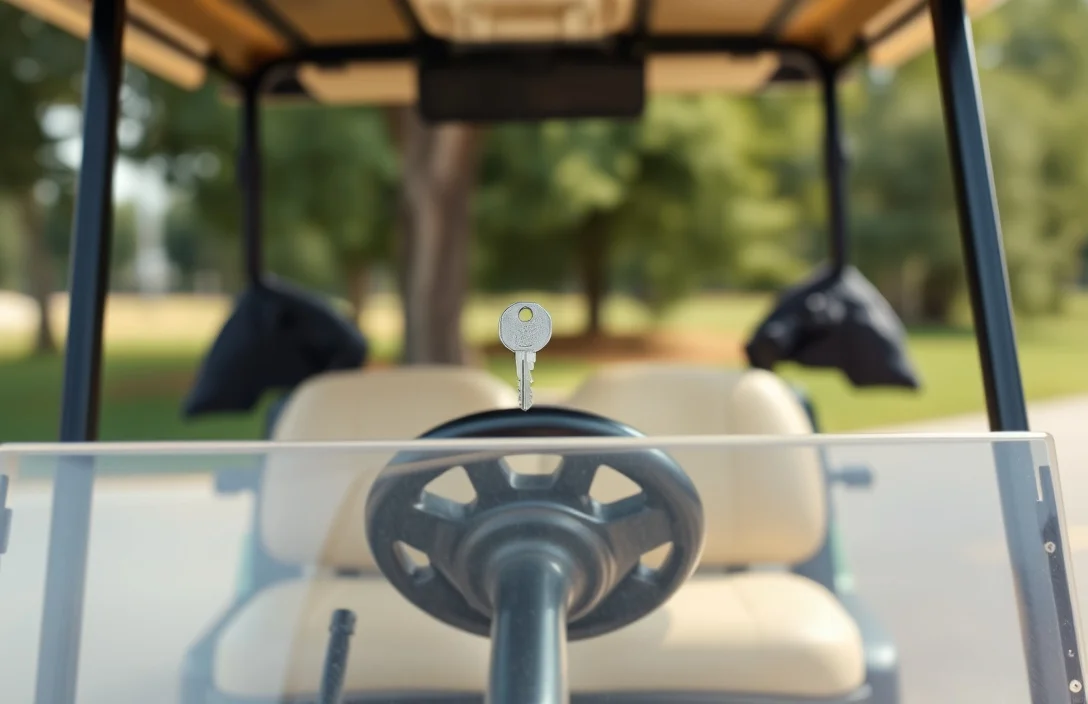
Authorized access to a golf cart requires working through the maker or dealer to obtain a spare key or fob. You must prove ownership and provide vehicle identifiers before a replacement is issued.
To request a spare key, contact your authorized dealer or the cart maker’s support line and have your VIN, model, and serial number handy. Expect a verification step to confirm ownership and the vehicle you are requesting access for, then discuss lead times and any fees for key creation or programming.
| Document | Purpose | Notes |
|---|---|---|
| Vehicle VIN and serial number | Identify the exact cart to replace keys for | Record it exactly; mismatch delays processing |
| Photo ID | Verify your identity as the registered owner | Driver license or passport commonly accepted |
| Proof of ownership (title, bill of sale) | Show you have legal rights to the vehicle | Some brands require both title and registration |
| Proof of address | Match the account or service records | May be requested for security and mailing |
| Authorized release form | Permits a dealer or technician to issue a replacement key | Fill out completely to avoid delays |
Dealer verification typically cross-checks the VIN against ownership records and confirms the recipient is authorized. They may require you to sign a release and pay a replacement or programming fee before releasing a spare key or fob.
Only work with the official dealer or maker; unverified locksmiths or spoofed support channels can lead to nonfunctional keys or stolen vehicle access.
If you cannot visit in person, ask about mail-in replacement programs or authorized mobile service. Some brands offer remote verification steps or temporary access options while the replacement key is prepared, but stay with official channels to avoid fraud or immobilizer issues.
Battery Readiness for Start
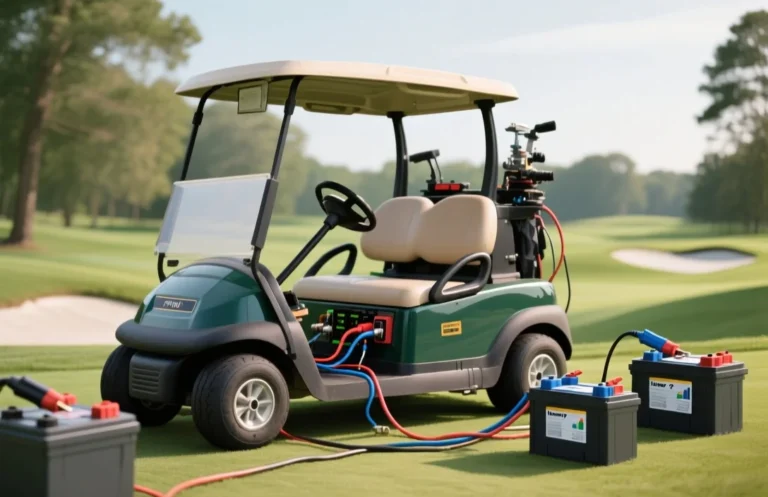
Battery Readiness for Start requires the main battery pack to be healthy enough to deliver the cranking current. If the pack is weak or shows signs of damage, the cart may not turn over or may stall during start attempts. Verifying voltage and confirming clean, tight connections are essential before any attempt.
Voltage health is a practical guardrail. A low pack voltage or a dying cell can cause voltage droop that triggers fault codes or prevents cranking. Look for signs of age like reduced capacity, swelling, or unusual heat during charging.
Temperature and aging influence readings. Cold cells deliver less voltage and higher internal resistance, while aging packs lose capacity over time. If the cart has sat for a long period, recheck voltage after a short charge to avoid misreading.
Note: If you detect swelling, heat, or strong chemical odors, stop and disconnect power sources, then consult the cart manual or a qualified technician before continuing. Do not attempt to start until battery health and wiring integrity are confirmed.
Emergency Start Procedures
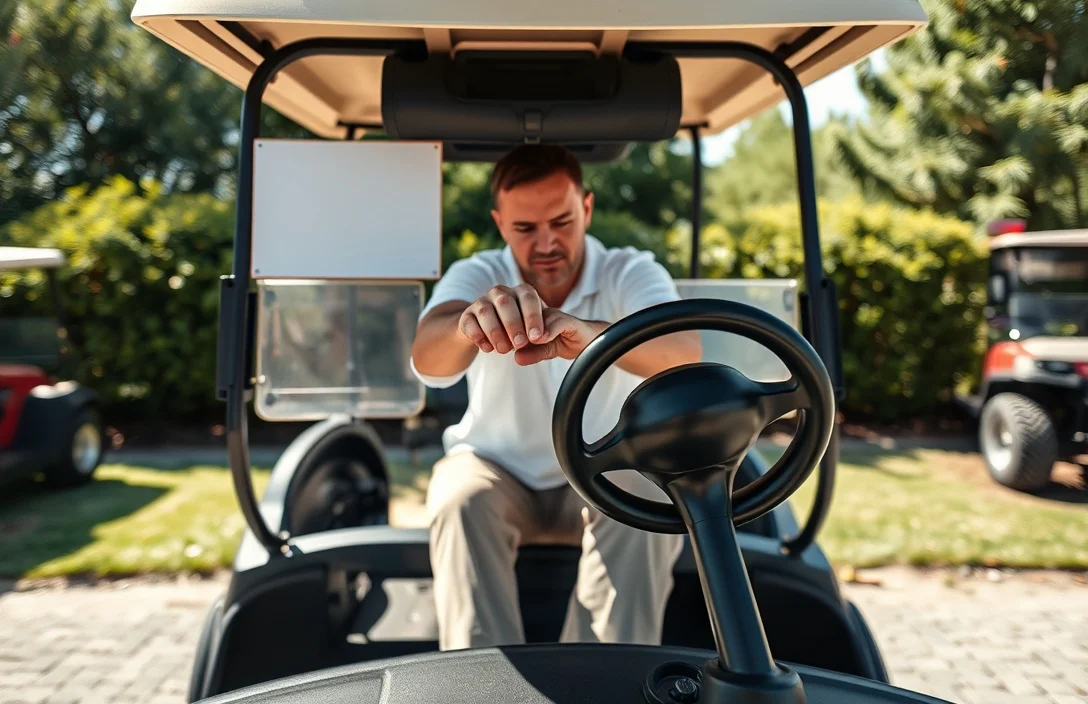
Emergency Start Procedures vary by model and are documented in the owner’s manual or by the dealer. If your cart includes a dedicated emergency start option or service key, use it exactly as described to avoid damaging the controller or drivetrain. Always perform these steps with the area clear and the battery system in a safe nominal state.
Troubleshooting Without a Key
Start with the electrical health of the system. A weak battery, loose or corroded connections, or a tripped safety interlock are the most common culprits; bypassing the ignition can damage components and is unsafe. Follow the pre-start checks below to decide whether you can proceed safely or call a pro.
Battery condition and discharge
Symptom → Cause → Fix: Cart does not crank when the start switch is engaged. Battery voltage reads low or collapses under load, indicating a discharged or failing pack. Fix: Fully charge the battery, perform a load test, and replace if voltage cannot be sustained under load.
What to check next: Inspect the charger, verify the charger outlet is delivering proper voltage, and confirm there are no parasitic drains when the cart sits idle. If the battery is old or shows high internal resistance, plan for replacement rather than repeated quick charges.
Terminal and connection integrity
Symptom → Cause → Fix: Dim or flickering peripherals when attempting to start. Cause: Loose, corroded, or damaged battery terminals and main cable connections. Fix: Disconnect and clean copper surfaces, tighten to spec, and reseal with non-conductive grease.
What to check next: Inspect the main ground strap and the solenoid lead for heat damage or discoloration. Re-seat all heavy power cables and re-test; persistent issues may indicate degraded cables that need replacement.
Safety interlocks and switches
Symptom → Cause → Fix: Cart won’t start though the key input seems normal. Cause: Seat switch, brake interlock, or forward/neutral switch failing or misadjusted. Fix: Verify the seat is properly engaged, brake is fully released, and interlock connectors are seated; replace the faulty switch if needed.
What to check next: Look for loose harnesses between the interlocks and the controller, and check for damaged insulation. If the interlock loop trips repeatedly, a technician should assess the controller logic and wiring integrity.
Controller or solenoid faults
Symptom → Cause → Fix: A single click at the solenoid with no crank suggests a faulty starter circuit; no response at all points to a controller issue. Fix: Measure voltage at the solenoid input when attempting to start; if voltage is present but the solenoid does not engage, the part may need replacement by a professional.
What to check next: Do not probe high voltage electronics without proper safety gear and training. Complex controller faults require a trained golf cart technician with diagnostic tools.
When to Call a Pro
Symptom → Cause → Fix: After all basic checks, the cart still refuses to start or shows fault codes you cannot safely interpret. Cause: A deeper electrical fault or a failing high voltage component. Fix: Schedule service with an authorized dealer or qualified EV technician to prevent further damage or safety risks.
What to do next: Document symptoms, readings, and any error codes, and avoid bypassing safety features. When in doubt, prioritize professional diagnosis to protect people and the battery pack.
Quick Start Summary
Starting a golf cart without a key typically requires bypassing the ignition system. This can be accomplished by locating the ignition wires and connecting them directly, but caution is necessary to avoid damage or electrical issues.
For safety, avoid using makeshift tools or methods that could cause harm. Always ensure that the golf cart is in a safe location before attempting to start it without a key.
Quick Summary
You can start a golf cart without a key by using alternative methods, but ensure safety and compatibility first.
Frequently Asked Questions
How compatible are alternative ignition options across golf cart brands when starting without the original key?
Compatibility varies by brand and model; most golf carts use either a 12V or 48V electrical system, so verify that any replacement ignition is approved for your exact voltage and model.
Can starting a golf cart without the key cause heat buildup in the starter or wiring, and what signs should I watch for?
Yes, bypassing the ignition can keep the starter engaged longer and draw current unsafely; limit testing to 5 seconds at a time, and watch for a hot surface, melted insulation, or a burning smell.
What is the typical runtime if a golf cart is started without a proper key, and why should you avoid this?
There is no published runtime for starting without a proper key; if you must test, limit to a few seconds at a time because the cart is not designed to run without its ignition.
What safety steps should you take if you need to address starting a golf cart without a key, to prevent injury or damage?
Do not attempt to bypass the ignition on a cart you do not own or have authorization for; wear eye protection and gloves, and use only manufacturer approved procedures. Ensure the cart’s power system is 12V or 48V and in good condition before any testing.
What buying mistakes should you avoid when you need to replace a key, ignition, or choose an alternative to start a golf cart without the original key?
Avoid third party or universal ignition kits; verify compatibility using your cart’s VIN and voltage, which is typically 12V or 48V, and prefer OEM replacement keys or ignition switches with warranty and clear replacement timing or lead time.