
How To Make Ezgo Golf Cart Faster?
How to make ezgo golf cart faster? comes down to matching the advice to your situation instead of following a generic checklist. I will focus on the main decision points, the tradeoffs that matter most, and the practical next steps you can use before spending time or money.
Know Your EZGO System
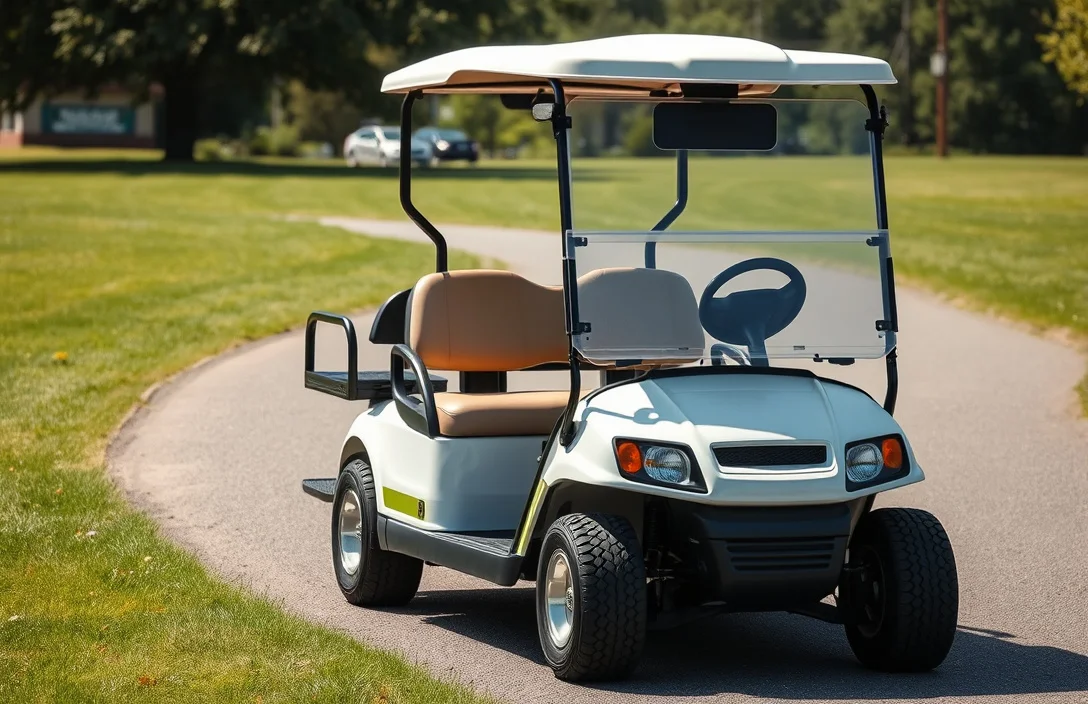
EZGO golf carts come in several voltage classes and drive configurations, and the quickest path to speed gains starts with identifying your exact model, year, and drive type. Confirming these details tells you what upgrades are actually compatible and safe to attempt.
| Voltage class | Typical era or setup | Upgrade implications |
|---|---|---|
| 36V | Early TXT configurations | Limited headroom; many parts are older and may require more work to upgrade. |
| 48V | Most modern EZGO carts | Common upgrade path; verify controller and motor compatibility before changes. |
| 72V | High power builds | Requires compatible motor, controller, wiring, and charger; higher safety considerations. |
Safety first: any speed increase stresses braking, suspension, and wiring. Upgrades should be chosen with careful compatibility checks and a plan to maintain safe handling.
Locate Speed Governor
Two forms of top speed limiting commonly appear on EZGO carts: a mechanical governor that links to the throttle and a software or hardware limiter inside the speed controller. The limiter’s home varies by model, but you typically find it either in the throttle linkage for gas carts or inside the controller housing on electric models. Safe testing should be done only in controlled areas with proper safety gear and a clear, flat test surface.
Voltage, Controller, and Wiring

Controller type and rating determine how much current the motor can draw before the speed limit engages. A controller rated at or above the motor’s peak current enables higher potential top speed, while an under-rated unit will throttle performance and cap speed.
Wiring gauge and connectors must be sized for the motor’s peak current; poor choices manifest as voltage drop and heat. Ensure insulation and routing resist abrasion and moisture.
| Category | What to Verify | Effect on Speed and Safety |
|---|---|---|
| Wiring gauge | Conductor size matches current draw; keep runs short | Reduces voltage drop and heat, preserves throttle response |
| Connectors | Rated for high current; clean, tight connections | Stable performance; fewer heat faults |
| Insulation | Moisture and heat resistance; routed away from heat sources | Longer life; fewer shorts or insulation failures |
| Battery balance | Regular balance checks; watch for string or cell drift | Consistent power delivery across the pack |
Excessive current produces heat in cables and components. Do not bypass fuses or limits, and verify wiring is sized for the expected load before increasing speeds.
For example, when upgrades are planned, plan as a package. A higher current controller can unlock speed only if wires and connectors can carry the extra current without overheating.
Upgrade Voltage and Controller
Raising drive voltage and pairing a newer controller with the motor can increase top speed and throttle response when components are matched. It also changes current flow, so wiring, battery capacity, and cooling must be considered to avoid overheating or damage.
Motor, Gearing, and Tires
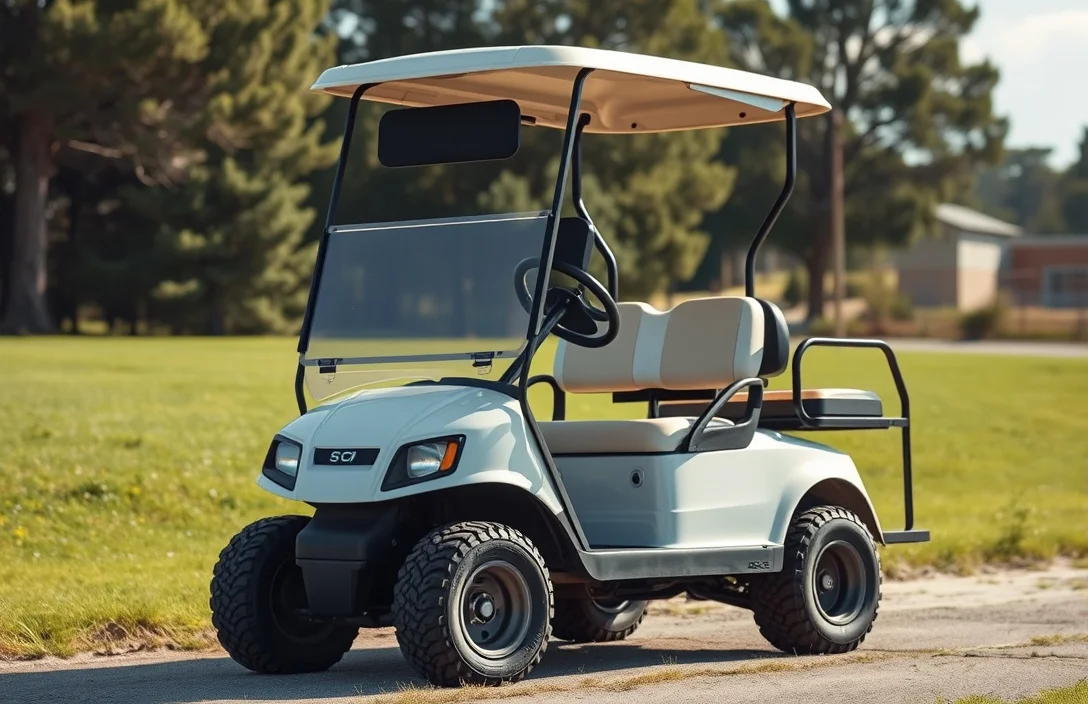
Motor upgrades and gear changes are the most direct way to alter acceleration and top speed, but you must stay within the cart’s electrical limits and cooling capacity. A capable motor paired with the proper gear ratio can noticeably improve takeoff and highway pace without changing the battery voltage. Ensure the components you choose fit the stock mounting, connector, and wire gauge to prevent overheating or voltage drop.
Motor upgrade options focus on higher current capability and thermal management. The motor must match the controller’s output and the wiring gauge; otherwise, heat buildup will limit performance. Look for OEM-compatible high torque units that fit the same mounting and shaft geometry to avoid drivetrain misalignment.
Gear ratio changes shift the torque-to-speed balance. A more aggressive final drive improves off‑the‑line punch and hill climb, but top speed will drop on flat ground. Conversely a taller ratio raises potential top speed but reduces acceleration; recalculate the expected speed using tire size and current motor rpm limits.
Tire diameter and rolling resistance directly affect real world speed and handling. Larger diameter tires increase the theoretical top speed slightly while reducing torque felt at the pedal, and they raise chassis load on the drivetrain. Use tires that balance grip, weight, and course surface; after installation, verify steering feel, braking response, and speed stability.
| Upgrade option | Effect on speed | Effect on torque | Key caveats |
|---|---|---|---|
| Motor upgrade | Increases sustained speed | Higher take-off torque | Requires compatible controller and wiring |
| Gear ratio change | Higher or lower top speed depending on ratio | Torque shifts with gear | Recalibrate speedometer and limits |
| Tire size change | Modest top speed change per diameter | Influences acceleration and grip | Recalculate with wheel radius and gearing |
Safety note: Pushing the cart beyond its design limits can increase risk on hills and wet surfaces. Always stay within legal speeds, maintain proper tire inflation, and ensure brakes and safety systems are up to the task.
Battery Health and Discharge
Healthy battery packs keep voltage stable under load, preserving speed and acceleration. When capacity is reduced or internal resistance increases, the cart experiences voltage sag that limits top speed and torque. Regular health checks help you spot aging cells, swelling, or degraded connections before performance drops or safety risks arise.
Charging Setup and Safety
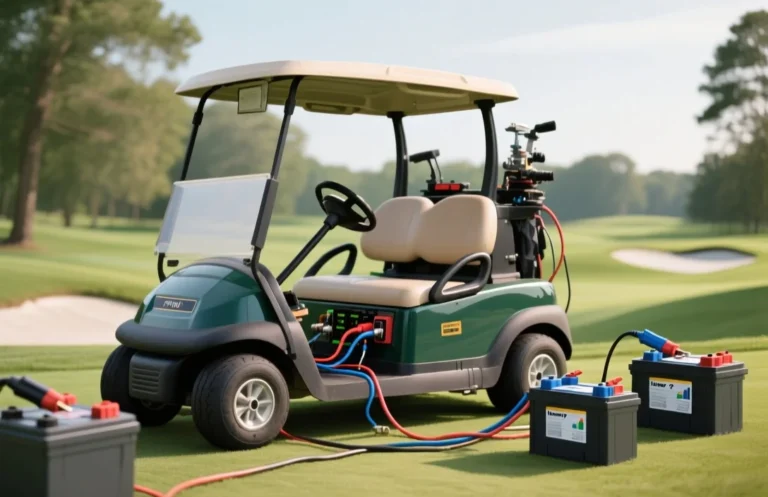
Using a charger with the correct voltage for the E-Z-GO golf cart is essential for optimizing performance while ensuring safety. Overcharging or using an incompatible charger can lead to battery damage, overheating, and reduced lifespan. Always verify that the charger matches the voltage rating specified by the manufacturer.
Charging practices play a significant role in supporting speed enhancements. Regularly charging the batteries to their full capacity without overcharging is crucial. Additionally, maintaining clean connections and ensuring proper ventilation during charging can prevent overheating and prolong battery life.
Port types and connectors must be appropriate for the battery system used in the E-Z-GO cart. Ensure that the connectors fit securely to avoid resistance that can lead to overheating. Using a high-quality charger with good connectors helps maintain efficient charging.
Always disconnect the charger after the batteries are fully charged to prevent trickle charging, which can lead to battery wear.
Following recommended charging practices not only supports performance upgrades but also contributes to the longevity of the battery system.
For instance, utilizing a smart charger can help regulate the charging process, preventing overvoltage and ensuring that the batteries are charged efficiently.
In summary, ensuring proper charger voltage compatibility, following good charging practices, and using suitable connectors can significantly impact both the performance and safety of the E-Z-GO golf cart. Prioritizing these aspects will help achieve the desired speed enhancements while maintaining battery health.
Quick Summary
To make an EZGO golf cart faster, consider upgrades while ensuring safety and compatibility with existing components.
Frequently Asked Questions
How can I ensure my new batteries are compatible with my EZGO golf cart?
Check the specifications of the battery, focusing on the voltage and amp-hour ratings to ensure they match your current setup. Most EZGO models typically require 36V or 48V batteries, so verify this before purchasing.
Is it safe to use a charger not designed for my EZGO golf cart’s battery?
No, using an incompatible charger can lead to overheating and damage to both the battery and charger. Always use a charger that matches the battery’s voltage and amperage specifications for safe operation.
How can I maximize the runtime of my EZGO golf cart?
Maintain your batteries by regularly checking their water levels and ensuring they are fully charged before use. Properly maintained batteries can provide up to 25% more runtime compared to poorly maintained ones.
What signs indicate that it’s time to replace my EZGO golf cart’s batteries?
If you notice a significant drop in performance, such as reduced speed or a shorter runtime, it might be time for a replacement. Batteries typically last 4-6 years, depending on usage and maintenance.
What common mistakes should I avoid when buying batteries for my EZGO golf cart?
Avoid purchasing batteries based solely on price without verifying specifications or warranty information. Cheaper batteries may not provide the same performance or lifespan, resulting in higher costs over time.