Is Evolution A Good Golf Cart?
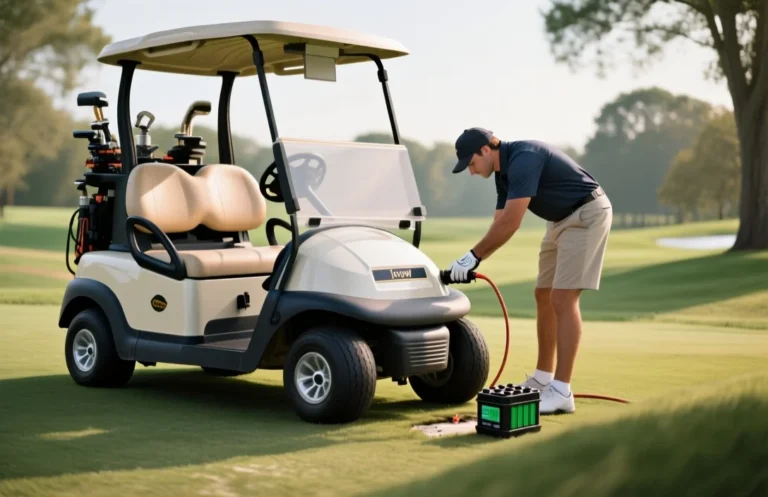
Power decisions in a golf cart start with the battery and the charger. The spec that matters most is the battery type and capacity, because that sets range and charging behavior. The common mistake is using a charger that does not match the pack voltage or chemistry. The first label to check is the battery data plate on the cart, showing 130Ah or 150Ah lithium options and a 48V system.
Evolution is a good golf cart for buyers who want modern lithium battery options and solid value; lithium packs of 130Ah or 150Ah are available, and the 4-seat and 6-seat versions cover typical course needs, with charging options that fit common 48V chargers.
Evolution Golf Cart Basics
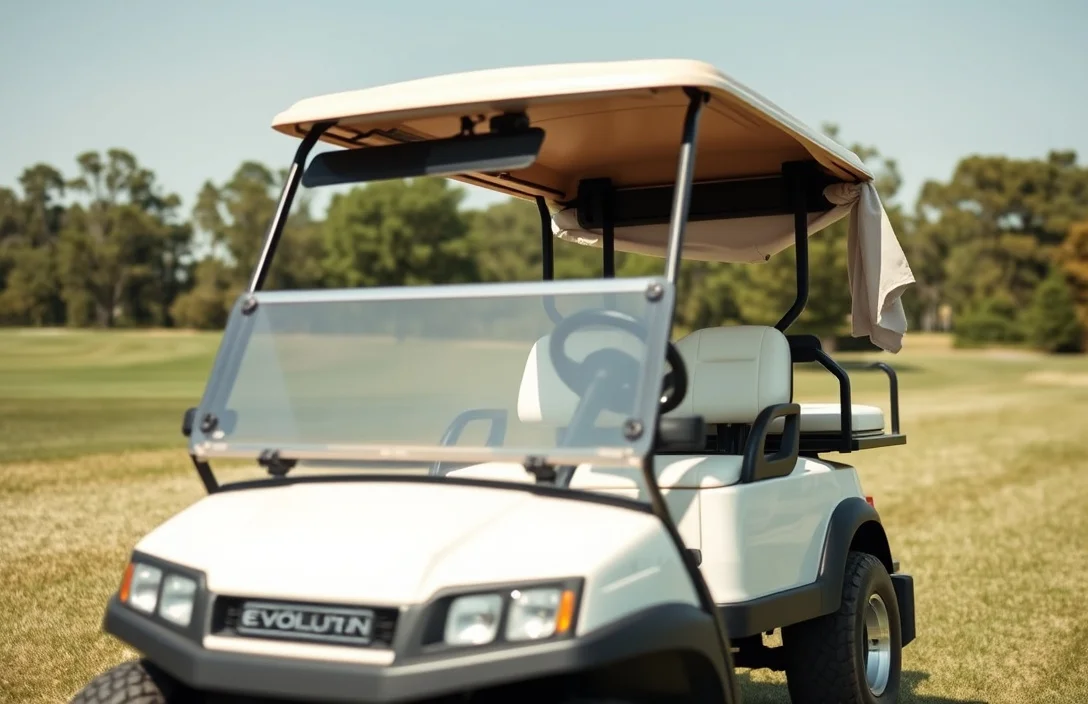
Evolution golf carts offer lithium battery options in 130 Ah or 150 Ah sizes, which support smoother power delivery and potentially longer life than older lead-acid setups. The lineup includes 4-seat and 6-seat configurations and targets street-legal use in many markets.
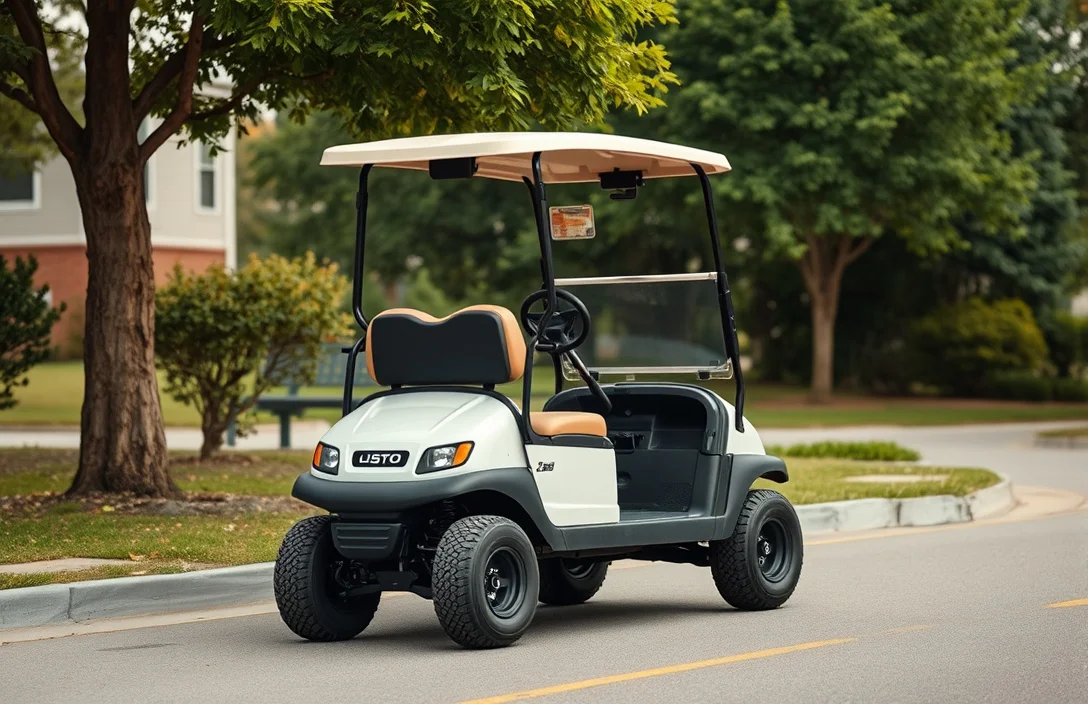
In practice, Evolution positions its carts as street-legal light utility vehicles with a focus on ride quality and everyday reliability. The Ranger model and other configurations aim to balance quick acceleration, comfortable suspension, and practical payloads for golf courses and campus paths.
| Battery Option | Capacity (Ah) | Notes |
|---|---|---|
| 130 Ah Lithium | 130 | Lower energy reserve, lighter weight option. |
| 150 Ah Lithium | 150 | Higher energy reserve for longer use between charges. |
“The Ranger offers quick acceleration, smooth handling, and a comfortable suspension.”
In reviews this model is cited as one of the more balanced choices in Evolution’s lineup, combining performance with a practical ride for golf courses and property paths. The emphasis on lithium options helps shorten charge times and reduces maintenance compared with older lead-acid setups.
Tradeoffs include higher upfront cost for lithium packs and the need to verify charger compatibility with the cart’s battery management system. If you want a reliable, street-legal cart with modern battery options, Evolution’s offerings are worth a closer look, especially the 130Ah and 150Ah lithium configurations in the main seating layouts.
Battery Specifications Explained
Battery energy in Evolution golf carts is defined by pack voltage and capacity, which together determine usable energy (watt-hours) and range. Retail guides indicate lithium configurations around 130Ah or 150Ah are available in a 48V class, delivering lighter weight and longer cycle life than lead-acid. The choice between lithium and lead-acid affects charging, maintenance, and long-term performance.
Nominal voltage is the backbone of charging and performance. In common Evolution models this voltage sits in the 48V family, and the charger must be matched to the pack to avoid overvoltage or undercharging. The Battery Management System (BMS) monitors cell health, temperature, and state of charge to protect the pack during daily use.
Lithium and lead-acid offer different tradeoffs for golf carts. Lithium packs are lighter and have more usable energy per pack, usually with longer cycle life and faster replenishment, but require compatible chargers and BMS, and carry a higher upfront price. Lead-acid packs are cheaper to buy and robust but heavier, often need regular water top-ups for flooded types and have shorter cycles, which means more frequent replacements.
| Aspect | Lithium (Evolution options) | Lead-Acid (typical options) |
|---|---|---|
| Nominal voltage | Typically 48V | Typically 48V |
| Energy density | Higher energy density, lighter weight | Lower energy density, heavier |
| Cycle life | Longer cycle life | Shorter cycle life |
Charger compatibility requires matching the pack voltage and current rating; using a charger with the wrong voltage can shorten pack life or cause safety risks. Always inspect for swelling, heat, and damaged cables before charging a used pack.
Practical choice: lithium 130 – 150Ah in a 48V Evolution cart offers longer range with less maintenance, while lead-acid remains a budget option but adds weight and more frequent top-ups.
Charging Performance Metrics
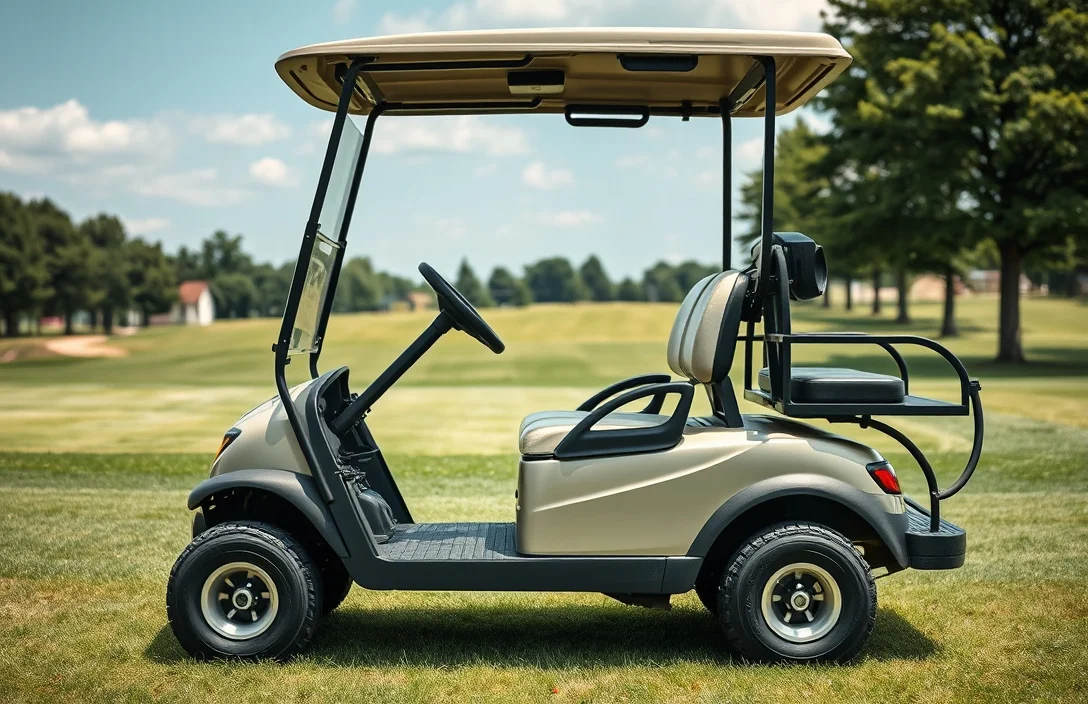
Charging efficiency and speed hinge on matching the pack voltage, current capability, and the BMS communication. For Evolution carts using lithium packs, expect roughly 85 to 95 percent of input energy to end up in the pack, with the rest lost as heat in cables, connectors, and the charger. Real-world times vary by temperature, state of charge, and the charger’s actual output under load.
Charging Time Estimates rely on simple energy math and real-world taper behavior. Energy in the pack equals nominal voltage times amp-hours; charging power is input voltage multiplied by current. Times are approximate and assume normal ambient conditions and no protective slowdowns from the BMS.
| Pack Example (Voltage × Ah) | Nominal Pack Energy (kWh) | Charger Power (W) | Estimated Time to 100% (hours) |
|---|---|---|---|
| 48 V × 130 Ah | 6.22 | 2,000 | 3.1 |
| 48 V × 150 Ah | 7.20 | 4,000 | 1.8 |
| 60 V × 150 Ah | 9.00 | 6,000 | 1.5 |
In practice, expect shorter times for partial charges and longer times as the pack nears full. The BMS may throttle current during the final 20 percent to limit heat, extending overall time beyond the linear estimate. If you anticipate frequent quick turnarounds, plan around a charger that comfortably exceeds the pack’s usual daily need and check that the system cools adequately during high-rate charging.
When upgrading charging speed, the practical limit is the battery and BMS, not just the wall outlet. A charger that delivers more current than the pack can safely accept wastes energy and can heat the pack and cables unnecessarily.
Range and Runtime Analysis
Evolution golf carts typically use a 48V lithium pack rated at about 130 – 150Ah, which translates to roughly 6.2 – 7.2 kWh of usable energy. In real-world use, range per charge varies with speed, terrain, load, and climate, but owners generally observe tens of miles on a single charge under normal operation.
Real-World Range is a practical guide rather than a fixed figure. A well-tuned lithium setup around 6.2 – 7.2 kWh can cover a wide range of daily needs, but aggressive driving, steep grades, or carrying a heavy payload will reduce miles per charge significantly. To estimate your own range, calculate miles as roughly energy available divided by average energy per mile, then adjust for conditions.
For example, a 48V pack in the 130 – 150Ah class holds about 6.2 – 7.2 kWh. If driving on level ground at a steady pace with moderate load, you might see a mid-range result in the 25 – 35 mile zone. Pushing the cart harder or climbing hills can drop that toward the 15 – 25 mile band; weather and accessory usage push range downward as well.
| Platform / Pack | Nominal Voltage & Capacity | Energy (kWh) | Estimated Range per Charge (miles) | |
|---|---|---|---|---|
| Evolution (typical 48V Li, 130 – 150Ah) | 48V, 130 – 150Ah | 6.2 – 7.2 | 25 – 40 | Depends on driving style and terrain |
| Common 48V Li alternative | 48V, ~120 – 140Ah | 5.8 – 6.7 | 25 – 38 | comparable to Evolution under similar use |
| Lead-acid baseline | approx. 48V pack | 3.0 – 5.0 | 15 – 25 | heavier, slower recharge, lower cycle life |
Real-world range varies widely; confirm exact miles per charge with the manufacturer’s spec sheets and track consumption on a test run under your usual load and terrain.
Performance and Speed Metrics
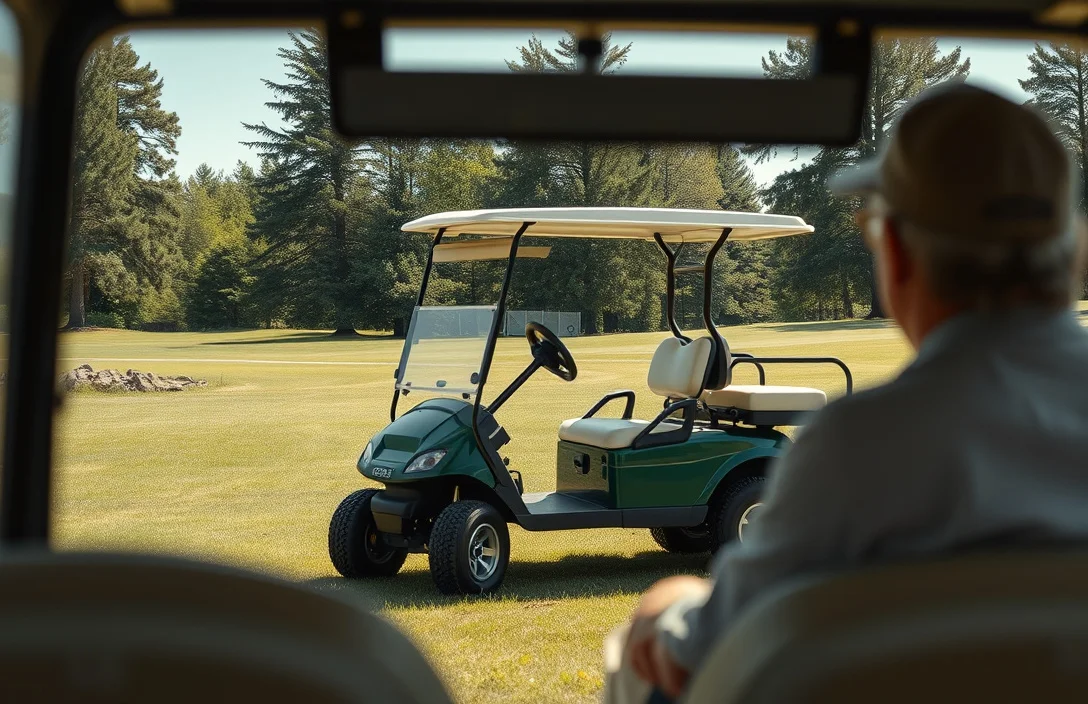
Evolution carts deliver brisk acceleration for a golf-cart class and maintain a steady top end suitable for club roads. The Ranger model combines quick throttle response with solid low-end torque, making hills and start-stop runs manageable. Handling is described as smooth with a comfortable suspension, contributing to steady cornering and a reassuring ride.
Ranger-specific feedback emphasizes fast initial acceleration and predictable throttle mapping that helps with tight fairways and gate exits.
In practice, the power delivery remains linear, avoiding abrupt surges that can unsettle a rider on uneven paths.
Top speed is generally aligned with the low-speed vehicle class, which keeps the Evolution cart within typical roadway and course limits. Because official numbers vary by configuration and local rules, always verify the spec sheet for your region and intended use.
The suspension and steering deliver a composed ride, with reduced body roll and solid feedback through corners. This balance helps maintain control on uneven cart paths and during quick lane changes in busy club environments.
| Model | Acceleration impression | Top speed note | Handling |
|---|---|---|---|
| Ranger | Quick throttle response with strong low-end torque | LSV-compliant speed cap typical for cart class | Balanced suspension, smooth cornering |
In practice, arrange a hands-on test drive to confirm the acceleration, braking, and handling feel in your typical riding routes before deciding.
User Reviews and Feedback
Feedback shows Evolution golf carts are valued for value and ride quality. Owners consistently mention a comfortable suspension, modern lithium battery options (130Ah or 150Ah), and brisk acceleration, particularly in the Ranger line. Real-world range depends on use, but many report all-day performance on typical courses with moderate loads.
Positive Aspects
Common Issues
“The Ranger model feels balanced for daily use, offering strong performance with a comfortable ride, though hills can trim the range slightly.”
| Aspect | Common Buyer Comments |
|---|---|
| Battery option | 130Ah or 150Ah lithium options are commonly cited, with real-world range varying by load. |
| Charging | Included chargers are typical, but some buyers seek higher-current or regional support for faster top-ups. |
| Reliability | Generally dependable, though service accessibility and parts availability can vary by region. |
| Course performance | All-day range is achievable on flat courses; steep terrain reduces endurance more noticeably. |
Overall Satisfaction Ratings
Safety Considerations
Heat management is mandatory for Evolution golf cart battery packs; excessive temperatures accelerate aging and raise the risk of thermal events. Swollen batteries indicate gas buildup and can fail catastrophically, so stop using the pack and have it inspected if swelling occurs. Store and charge in a cool, ventilated area to slow degradation and reduce risk.
Heat Management
Keep the battery pack within its designed operating temperature. Avoid charging or operating in direct sun or high ambient temperatures; if you must work outdoors, use shade and airflow. Use a charger that matches the pack chemistry and current, and rely on the cart’s BMS to throttle current when temps rise.
Battery Swelling Risks
Swelling is a sign of gas buildup inside cells, often caused by overcharging, damage, or deep discharge. A swollen case can fail and vent hot gas or ignite; never puncture or compress a swollen pack. If swelling is observed, discontinue use, disconnect power, isolate the pack from other devices, and arrange professional inspection or replacement.
Swollen batteries are a hazardous failure mode. Treat them as a high-priority safety concern and handle with care until a qualified technician assesses the pack.
| Safety indicator | What to do | Why it matters |
|---|---|---|
| Excessive heat during charging | Stop charging, move to cooler area, verify ambient temperature | Reduces chemical stress and risk of thermal runaway |
| Visible swelling or deformity | Do not use, disconnect, seek professional assessment or replacement | Indicates damaged cells and potential fire hazard |
| Storing for long periods | Partial charge (roughly 40 – 60%), cool dry place, periodic checks | Minimizes capacity fade and self-discharge |
Storage Recommendations
For long-term storage, keep the pack in a cool, dry area away from direct sunlight. A partial state of charge reduces aging compared to full charge when idle. Check the pack every 1 – 3 months and recondition to the recommended partial charge level if needed.
Maintain separation from moisture and metal objects that could short terminals. If the cart will be stored for months, remove or safely disconnect the battery according to the manufacturer guidance, and store the pack in a location that minimizes vibration and temperature swings.
Comparative Analysis with Competitors
Evolution offers lithium battery options with 130Ah or 150Ah packs and a price tier around mid-teens for the Ranger and related variants. The system delivers solid range for typical golf-cart use. However, its dealer network and service footprint are smaller than the long-established Club Car, E-Z-GO, and Yamaha ecosystems, which can affect parts availability and responsiveness.
Charging and battery management align with Evolution’s lithium packs, but charger compatibility depends on model and BMS interface; verify the included charger or accessory compatibility.
For example, the Ranger is noted for a smooth ride and balanced power, but real world range depends on terrain, load, and temperature.
| Brand / Model | Battery Options | Charging Options | Typical Range | Dealer Network | Price Position |
|---|---|---|---|---|---|
| Evolution Ranger / Classic | Lithium 130Ah or 150Ah | Onboard charger; verify compatibility with BMS | Mid-range; depends on use | Smaller footprint, growing network | Mid-range price (approx $10,995 – $13,995) |
| Club Car | Lithium on newer models; multiple options | Wide charging ecosystem | Model dependent | Extensive national and international network | Often premium pricing on higher trims |
| E-Z-GO | Lead-acid and lithium on recent lines | Strong support and charging options | Model dependent | Large dealer footprint | Competitive pricing in mass-market segment |
| Yamaha | Electric models with mixed lines | Reliable service network | Model dependent | Widely available through Yamaha partners | Value-focused options |
Note: Real-world results vary by model, maintenance quality, and operating conditions. Prioritize local support and warranty terms when comparing brands.
Bottom line: Evolution delivers solid lithium options at a competitive price point, but if rapid parts access and broad service support matter in your region, established brands may have the edge depending on local dealer density and turnaround times.
Quick Summary
Evolution golf carts can be a good choice if you prioritize modular power and proper charging, but verify voltage and safety first.
Frequently Asked Questions
Is Evolution a good golf cart for compatibility with standard chargers and battery packs?
You can determine compatibility by checking the data plate for the cart’s voltage. Verify the charger voltage and connector type and ensure the charger is rated for that pack to avoid damage and undercharging.
Does Evolution golf cart generate excess heat during charging or operation, and how should I manage it safely?
Heat can occur with high draw or poor cooling; keep the cart in a cool, ventilated area and avoid charging if the ambient temperature is above 40 C. Use the included or recommended charger only and monitor for a hot pack after charging; swelling or a strong smell is a safety signal to stop using it.
How long will an Evolution golf cart run on a single charge and how can I estimate runtime?
Runtime depends on pack energy and driving load. Energy in watt-hours equals voltage times amp-hours, so multiply the pack voltage by its Ah rating to estimate Wh; for example, a 48V 60Ah pack stores about 2880 Wh, and if your average draw is 600 W you can expect around 4.8 hours of use.
What safety features should I check in an Evolution golf cart battery and what common buying mistakes should I avoid?
Look for a built-in battery management system (BMS) with overcurrent and overtemperature protection; many systems have at least 3 levels of protection. Do not skip the manufacturer’s safety guidelines or use damaged packs, and avoid cheap, unverified third-party chargers.
When should I replace my Evolution golf cart battery and what buying mistakes should I avoid to get the best value?
Plan replacement when capacity falls to about 70 to 80 percent of the original or when warranty coverage ends; this timing depends on your usage and the chemistry. Compare total cost of ownership, including cycle life and warranty, rather than price alone, and avoid buying a used pack without a verifiable history.