
Golf Cart Operation Age: Rules, Safety, And Supervision Explained
Minimum age to drive a golf cart is not universal; it hinges on where you live and how you plan to use it. The right move is to check your region’s age minimum and license type first. The common mistake is assuming golf carts are exempt from learner rules or licensing. Start by confirming whether you will drive on a course or on public roads.
Minimum ages to drive a golf cart vary by jurisdiction; on course driving is often allowed with adult supervision, commonly from ages 12 to 16, while road use typically requires a driver’s license and ages usually between 16 and 18 depending on local rules.
Regional Age Table
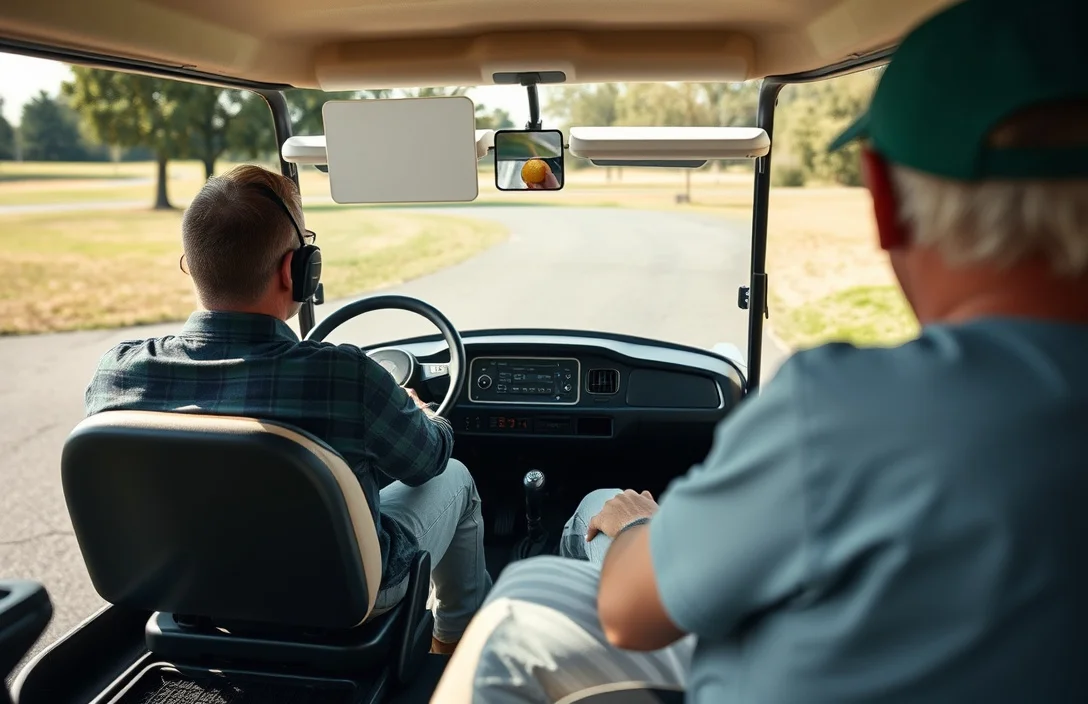
On-course operation typically allows younger drivers with adult supervision; road-legal use relies on standard licensing and local vehicle rules. Ages and licensing vary widely by region and by course or HOA policy. Always verify local rules before letting a young person operate a golf cart.
Region-wide patterns show younger riders can start on a course with supervision, while driving on public roads usually triggers driving-licence requirements. Local variability is common, and HOA or municipal rules frequently add restrictions beyond general law.
| Region | On‑Course Minimum Age (Typical) | On‑Course Licensing/Training | Road‑Use Minimum Age (Typical) | Road Licensing/Registration Notes | Notes & Variability |
|---|---|---|---|---|---|
| North America (USA/Canada) | 14 – 16 | Safety briefing; guardian supervision; course policy may require a license in some states/provinces | 16 – 18 | Standard driver’s license often required; local permits/registration may apply | HEA or HOA rules can override; speed limits and insurance considerations vary by jurisdiction |
| Europe | 12 – 16 (country dependent) | Basic safety instruction; formal license not usually required on course | 18+ (country dependent) | Road use often requires a driver’s license category or vehicle registration; some exceptions exist | Country-level differences are common; some courses prohibit road use entirely |
| Australia & New Zealand | 12 – 16 | Safety briefing; supervised operation if under 16 | 16 – 18 | Licensing required for road use; registration may be needed on public roads | State or territorial rules drive specifics; some areas allow limited on-road use with permits |
| Asia | 12 – 16 | Course safety orientation; no universal license | Varies widely; often 18+ with license | Country-specific; many require a standard driving license for road use | High variability; verify local laws and private property restrictions |
| Latin America | 12 – 16 | Supervised operation; course policies may require brief training | 18+ | License typically required for road use; registration depends on locale | HOA and municipal rules can strongly influence permitted use |
| Africa & Middle East | 12 – 16 | Supervised operation recommended; training advised | 18+ | Road use follows national traffic laws; valid license generally required | Legal frameworks and enforcement range from informal to formal; check local regulations |
In practice, always verify the course policy and local traffic laws before assigning a young driver. Insurance coverage may require an adult operator and explicit permission in writing from the club or landowner.
On-Course vs Road Rules
On-course operation is controlled by the golf facility, and supervision is common for younger drivers. For street use, eligibility depends on local NEV or LSV rules, with age, licensing, and insurance requirements varying by jurisdiction. Always verify both the course policy and local road rules before allowing a younger driver to operate a golf cart.
Training & Competency

Minimum ages for golf cart operation depend on local rules and the vehicle’s use. On private golf courses, many operators permit supervised operation by teens as young as 14 or 15, while on public roads a license or permitted status is usually required and the vehicle may need registration. Training programs and documented proof of competency help schools, courses, and families keep younger drivers safe and accountable, with record-keeping requirements that vary by jurisdiction.
Battery Safety for Minors
Minors should not perform high-voltage or battery maintenance tasks on golf carts. Charging must be supervised by a responsible adult and performed only with equipment approved by the manufacturer. This reduces risks from acid exposure, hydrogen gas, and short circuits.
No high-voltage tasks for youths. Battery maintenance, testing, or terminal work should be reserved for adults with training.
Charging guidelines for minors include using only chargers specified by the cart manufacturer and ensuring the charging area is supervised and well ventilated. Never charge in wet areas or near flammable materials. Keep sparks and metal jewelry away from battery terminals.
PPE and safe handling practices reduce injury risk during any supervised tasks. Wear eye protection and acid-resistant gloves; avoid loose clothing, tie back long hair, and never place metal tools on battery terminals.
| Safety Item | What to Do | Why It Matters |
|---|---|---|
| Eye protection | Goggles or face shield during battery work | Protects eyes from acid splashes and arc exposure |
| Gloves | Acid-resistant, such as neoprene or nitrile | Prevents skin contact with corrosive liquids and sharp edges |
| Ventilation | Charge in a well-ventilated area | Reduces hydrogen buildup and heat risk |
supervision and adherence to manufacturer guidelines are essential whenever a minor is involved in charging and basic battery checks.
Battery Type Notes

Lead-acid golf cart packs are still common in older and rental fleets. They use sulfuric acid and can vent hydrogen gas during charging, so proper ventilation and spill containment are essential. Avoid damaged vents, exposed terminals, or cracked cases, and ensure minors are supervised around charging areas.
Lithium ion packs are increasingly used in newer carts. They rely on a battery management system to monitor temperature, voltage, and state of charge; a damaged pack or an incompatible charger can still overheat or swell. Use only chargers approved for the specific lithium chemistry, and keep charging areas well ventilated and away from moisture or flammable materials.
Legal age to operate a golf cart varies by location and by course rules, but battery safety remains a separate concern for any minor who may be near a charging station or under supervision during maintenance. Training and clear supervision are typical expectations to reduce risk when youths are involved in battery handling or charging tasks. Battery safety must always take priority over convenience in youth programs or family use.
| Battery Type | Key Safety Concern | Supervision/Training Needs | Maintenance Considerations |
|---|---|---|---|
| Lead-Acid | Acid burns risk, hydrogen venting, corrosion on terminals | Basic handling and charging supervision required for minors | Regular water top-ups (if flooded), terminal cleaning, vent checks, and leak inspection |
| Lithium | Thermal risk, swelling or fire if damaged or mischarged | Training on correct charging, BMS alerts, and emergency steps for minors | Use approved chargers, monitor temperature, avoid deep discharge, ensure temperature limits |
For example, on a youth program cart, instructors should verify the charging area is ventilated, the correct charger is plugged into a designated outlet, and a quick inspection is done after each session.
In practice, keeping a simple checklist visible near the charging station helps ensure minors do not handle batteries unsupervised.
Insurance & Liability
Insurance coverage for underage golf cart operation varies by jurisdiction and policy. On public roads, a valid license and vehicle insurance are typically required, while on private golf courses liability usually lies with the course or owner; in many cases, parents can be legally responsible for a minor’s acts. Check with the insurer and the course before allowing a minor to drive, and obtain any required endorsements or written agreements.
Coverage expectations hinge on who owns the cart and where it is used. Homeowner or renter policies may not automatically cover on-course or road use by a minor, and some insurers require an added rider for underage drivers. Always confirm that the cart, driver, and use case are listed in the policy or obtain a rider.
Liability scenarios and parental responsibility vary by state and policy. When a minor drives on private property, the cart owner or parent can face claims for damages or injuries, and supervision and control play a big role in liability outcomes. On public roads, liability exposure tends to be higher and may require auto liability coverage, with the parent potentially named as responsible party in many cases. In all arrangements, parental responsibility does not disappear with ownership and depends on local law and policy terms.
| Scenario | License/Permits | Insurance Coverage | Parental Responsibility | Training/Supervision |
|---|---|---|---|---|
| On private golf course property | Typically not road-legal; local rules may apply | Course or owner policy often covers on-course use; verify minor is included | Parents may be liable for minor’s actions under local law | Course orientation or adult supervision recommended |
| On public roads | Usually requires a driver license and vehicle compliance | Auto or dedicated low-speed vehicle policy; ensure coverage for minor | Higher likelihood of parental liability; confirm terms | Driver education and local traffic rules advised |
| Borrowed or rented cart | Rental terms may set age minimums | Owner or rental provider policy; ensure rider is covered | Guardian may be responsible for minor’s acts | Rental orientation or supervised practice often required |
Note: Even brief incidents can trigger medical costs, property damage, and civil claims. Verify who is insured for the specific use case and keep written permission and safety expectations on file.
Decision Tree & Scenarios
The minimum age to operate a golf cart varies by jurisdiction, typically ranging from 14 to 16 years old for driving on public roads, while golf courses may have different internal rules. Licensing requirements can also differ; some areas require a driver’s license or a specific permit, while others allow unlicensed operation under certain conditions. For instance, in Florida, teenagers as young as 14 can drive a golf cart on designated roads if they have a valid driver’s license or learner’s permit. However, the same age may not apply in other states, where local regulations may stipulate that drivers must be at least 16. In practice, many golf courses allow children under 16 to drive with adult supervision, emphasizing safety and control. Parents should ensure that their children understand how to operate the cart safely, including how to manage the battery and charging system effectively.
Quick Summary
The legal age to drive a golf cart typically ranges from 14 to 16 years, depending on local laws.
Frequently Asked Questions
What is the minimum age to drive a golf cart?
The minimum age to drive a golf cart is typically 14 years old, but this can vary by state or golf course regulations, so it’s best to check local rules.
Do I need a driver’s license to operate a golf cart?
In most places, you do not need a driver’s license to operate a golf cart, but some areas may require some form of identification or permit. Always verify local laws before driving.
Can golf carts be driven on public roads?
Golf carts can be driven on public roads in some areas, but they usually require specific safety features and may only be allowed on roads with speed limits under 35 mph. Check your local laws for details.
Is there a weight limit for golf cart passengers?
Yes, most golf carts have a weight limit of around 800 to 1,200 pounds for passengers and cargo combined. Exceeding this limit can affect performance and safety.
What are common mistakes when buying a golf cart?
A common mistake is not considering the type of battery used in the golf cart. Lead-acid batteries are cheaper but require more maintenance, while lithium batteries are more expensive but offer better performance and longevity.