
How To Charge Club Car Golf Cart?
Charging a Club Car golf cart is a safety and voltage match issue. The spec that matters most is the pack voltage and battery chemistry, typically 48V for many Club Car models. The common mistake is using a charger rated for a different voltage or chemistry, which can overheat or shorten life. The first label to check is the battery pack label or the charger label for voltage and chemistry.
Club Car charging requires using the OEM 48V charger matched to your battery chemistry, connect to a grounded outlet, and let the indicator show full. Most packs use 15A or higher on a 48V system, and the charge ends when the charger indicator switches to full or stops.
Identify Battery Pack Type
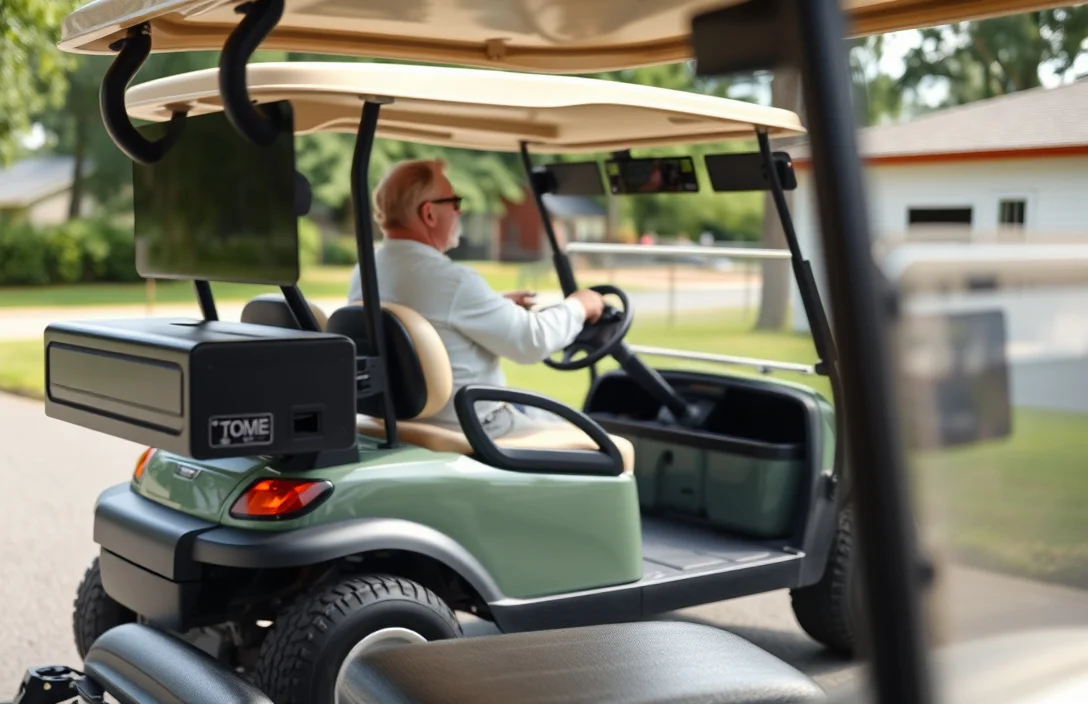
Club Car electric carts typically use a 36V or 48V pack. The chemistry can be lead-acid (flooded or AGM) or lithium (LiFePO4). To identify the exact pack, read the label on the battery or the cart’s data plate for nominal voltage and capacity in Ah or Wh.
Lead-acid packs are traditional and usually cost less upfront, but they are heavier and have shorter cycle life. AGM variants are sealed and maintenance-free, while flooded types require periodic watering and venting considerations. Lithium options are lighter, offer longer life, and often ship with an integrated battery management system (BMS) that safeguards the cells.
Lithium packs for Club Car are commonly 48V, and they appear either as a single 48V module or as a 16s LiFePO4 configuration. This difference in form can affect charging behavior and compatible chargers, especially if the BMS in the pack requires certain charging profiles.
| Configuration | Nominal Voltage | Typical Block/Pack Form | Notes |
|---|---|---|---|
| 36V lead-acid | 36V | Six 6V blocks in series | Older carts common; heavier, lower cycle life |
| 48V lead-acid | 48V | Six 8V blocks in series | Most common for modern carts; maintain water in flooded types |
| 48V lithium | 48V | Single 48V pack or 16s LiFePO4 arrangements | Higher energy density; includes BMS; verify charging profiles |
If the label or data plate is unclear, consult the cart’s owner manual or contact Club Car support or an authorized dealer for the exact specification before purchasing a charger or replacement pack. They can confirm the correct voltage, Ah rating, and any required charging profile.
Safety note: never mix chemistries or replace cells with different voltages in the same pack, and avoid charging damaged or swollen packs. Use a charger rated for the pack’s chemistry and voltage, and inspect cables and connectors for signs of wear before each use.
Charger Compatibility Essentials
Charger compatibility hinges on matching the cart’s pack voltage, the connector type, and the charger’s intended use. Use only the Club Car OEM charger or a third-party unit explicitly listed as compatible with your model and battery chemistry. Mismatches can lead to incomplete charging, excessive heat, or damage to the pack or electronics.
Safety note: Never charge a pack that shows signs of swelling, damage, or overheating. Use a dry, protected outlet and inspect cables and connectors for wear before every charging session.
Voltage, Amperage, and Range

Voltage defines the energy potential the charger must reach to fill the pack. Most Club Car carts use a 48V system, but verify the label on the pack or charger to confirm the exact rating.
Amperage is the current the charger can deliver, measured in amperes. The charging time scales with current: roughly, charge time equals the pack capacity in amp-hours divided by the charger current, adjusted for efficiency and how full the battery is to start with.
Range describes how much energy is stored and how far the cart can travel per charge, usually expressed as watt-hours or amp-hours at the nominal voltage. To estimate runtime during use, multiply the pack energy by the portion you expect to use and divide by your average load in watts; for charging time, divide the pack’s Ah by the charger’s current, then apply a reality factor for absorption and any delays.
Age and temperature change effective capacity and charging behavior. As cells age, usable amp-hours drop and internal resistance rises, which lengthens recharge times and lowers peak performance. Charging in cold temperatures reduces accepted current and may slow the initial charging stage, while excessive heat can accelerate degradation and shorten cycle life.
| Parameter | Typical Club Car 48V Pack | Notes |
|---|---|---|
| Voltage (nominal) | 48 V | Use a matched charger; mis-match can damage cells |
| Capacity (Ah) | 100 – 200 Ah common | Depends on model and chemistry |
| Charger current | 10 – 25 A common | Higher currents can speed up charge but stress aging |
Club Car Charging Steps
Club Car charging follows a straightforward flow: verify the battery pack and charger compatibility, then connect and monitor the charge, and finally unplug and store properly. Following this sequence helps protect battery health and ensures the cart is ready for use.
Keep the cart in a dry, well-ventilated area away from heat sources and moisture. Use the charger that matches your pack voltage and amperage and keep connections clean and dry.
Safety: Heat, Swelling, Fire Risks
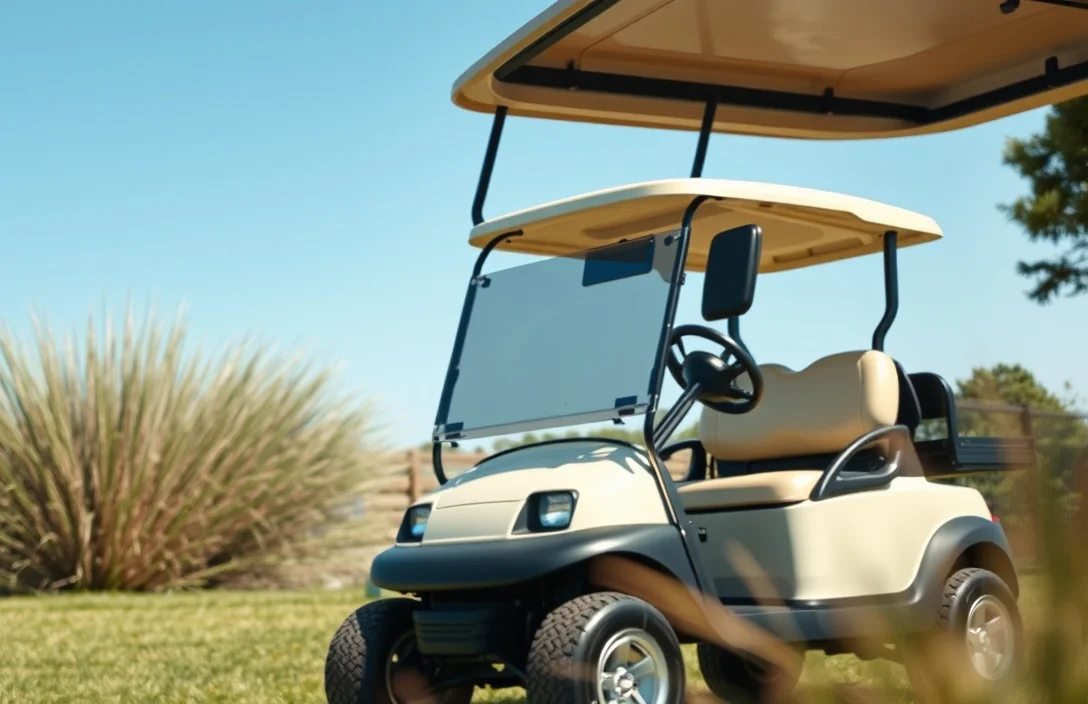 Charging a golf cart battery can produce heat, which if not managed, poses risks of swelling and potential fire hazards. Proper charging procedures and safety measures are crucial to ensure safe operation and longevity of the battery. Lockout safety procedures should always be followed when charging the battery. Ensure that the golf cart is in a well-ventilated area and that the charger is compatible with the battery type. Disconnect the charger from the power source before connecting or disconnecting the battery terminals. Always keep the charging area clear of flammable materials. Heat management tips are essential during charging. Monitor the temperature of the battery while charging; it should remain warm but not excessively hot. If the battery feels hot to the touch, stop charging immediately and allow it to cool down. Use a thermometer to measure the temperature; if it exceeds the manufacturer’s recommended levels, disconnect and assess the situation. Ensure that the charger is not placed on surfaces that could trap heat, like carpets or fabrics. Recognizing signs of swelling is critical for safety. If the battery case appears bulging or distorted, this is a clear warning that the battery is failing. In such cases, immediately disconnect the charger and stop using the battery. Dispose of the swollen battery according to local hazardous waste guidelines, as it may contain materials that can be harmful if leaked. In practice, if you notice any unusual odors, excessive heat, or leakage from the battery, it is crucial to act quickly. Disconnect the charger, ventilate the area, and seek professional assistance if necessary. Prioritizing safety during the charging process will help prevent accidents and extend the life of the golf cart’s battery.
Storage and Long-Term Care
Proper storage and long-term care of the battery pack are essential for optimizing performance and longevity. Batteries should be stored at a temperature range between 32°F (0°C) and 80°F (27°C) to prevent damage from extreme heat or cold. Keeping the charge level between 50% and 75% during storage is advisable, as fully charged or completely depleted states can lead to capacity loss over time.
Temperature extremes can significantly impact battery health. Storing batteries in excessively hot or cold environments can accelerate aging and reduce overall capacity. It’s crucial to monitor these conditions, especially if the golf cart is not used for extended periods. Always aim for a stable environment, avoiding direct sunlight and moisture.
Monitoring the battery condition also involves recognizing when to replace the pack. Common triggers for replacement include:
Regularly checking battery health can extend lifespan and ensure safe operation.
Warranty checks are also important; many manufacturers offer limited warranties based on cycle count or time. Always refer to the warranty terms to understand the coverage for your battery pack. Keeping track of these factors allows for proactive maintenance and timely replacements, ensuring your golf cart remains functional and reliable.
In summary, maintaining proper storage conditions, regularly checking battery health, and understanding replacement triggers will significantly enhance the longevity and performance of your golf cart’s battery pack.
Troubleshooting and Real-World Fit
Club Car carts require a charger matched to the battery system, typically 36V or 48V. Use the manufacturer recommended charger for reliable charging and to avoid undercharging or damage. If charging is slow or not happening, start with the charger, connectors, and battery health checks.
Quick Summary
Charging a Club Car golf cart requires specific steps to ensure safety and compatibility.
Frequently Asked Questions
What type of charger is compatible with a Club Car golf cart?
The charger you need for your Club Car golf cart should match the voltage of the battery pack, typically either 36V or 48V. Always check your cart’s manual for specific compatibility details.
Is it safe to charge a golf cart battery overnight?
Charging a golf cart battery overnight can be safe if you use an automatic charger that stops charging when the battery is full. However, ensure proper ventilation to prevent heat buildup during the charging process.
How long does it take to fully charge a Club Car golf cart battery?
Charging time can vary, but it generally takes around 6 to 10 hours to fully charge a Club Car golf cart battery, depending on the charger used and the battery’s state of discharge.
How can I tell when to replace my golf cart batteries?
Typically, golf cart batteries should be replaced every 4 to 6 years, but you should monitor for signs like reduced runtime or difficulty holding a charge, which indicate they may need replacement sooner.
What common mistakes should I avoid when charging my golf cart?
A common mistake is using an incompatible charger, which can damage the battery. Always verify that your charger matches the voltage and amperage specifications of your golf cart’s battery.