Golf Cart Wrap Cost: Full Price Breakdown for 2026
Wrapping a golf cart is one of the most effective ways to refresh its appearance and protect the original paint. Many owners want to know exactly how much material they need and what the complete project will cost before they begin.
A full professional golf cart wrap typically costs between $1,500 and $4,000, including materials and installation. Partial wraps usually range from $500 to $1,500. The final price depends on cart size, film quality, design complexity, and whether you choose DIY or professional installation.
How to Decide What to Wrap on Your Golf Cart
Start by defining your main goal. Some owners want a completely new color or custom graphics. Others mainly want protection from UV rays, rock chips, and weather damage. Your goal will determine how much of the cart you should wrap.
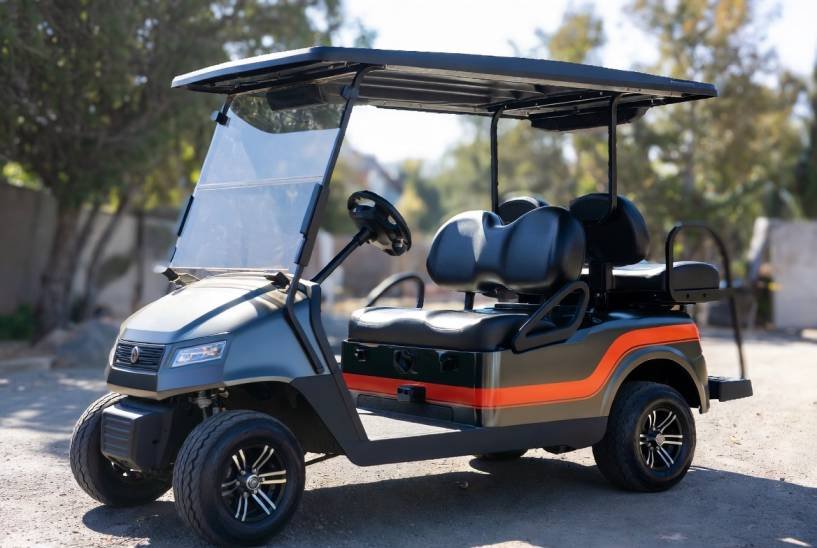
A full wrap covers almost every exterior surface and gives the biggest visual transformation. It works well if you want a dramatic color change or complex custom design across the entire cart.
A partial wrap focuses on the most visible or high-wear areas such as the sides, hood, and rear. It costs less and takes less time to install. Many owners choose partial wraps when they only want to refresh specific sections without wrapping the entire cart.
Consider how long you plan to keep the cart. Higher-quality films with strong UV protection and proper edge sealing last longer, especially on carts stored outside year-round. For more details on different wrap options and pricing, check our guide on how much are batteries for golf cart as similar budgeting principles apply.
Step-by-Step Guide to Measuring Your Golf Cart for Wrap
Accurate measurements help you buy the right amount of material and avoid running short during installation. Always measure twice and add extra for overlaps and waste.
- Measure the full length and height of both left and right side panels.
- Measure the front and rear surfaces including bumpers and any trim pieces.
- Measure the roof if you plan to wrap it.
- Measure visible seat backs and any other exposed body panels.
- Measure mirrors, fenders, and curved areas separately.
- Add 10 percent extra material for overlaps, cutting mistakes, and waste.
A typical two to four passenger golf cart usually requires between 70 and 90 square feet of material for a full wrap once you include the buffer. Larger carts or those with roofs and custom graphics will need more material.
Create a simple surface map on paper or in a spreadsheet. Break the cart into individual panels so you do not miss any areas that need wrapping. For more measuring tips on similar projects, see our guide on how much to replace golf cart batteries.
Choosing the Right Vinyl Material
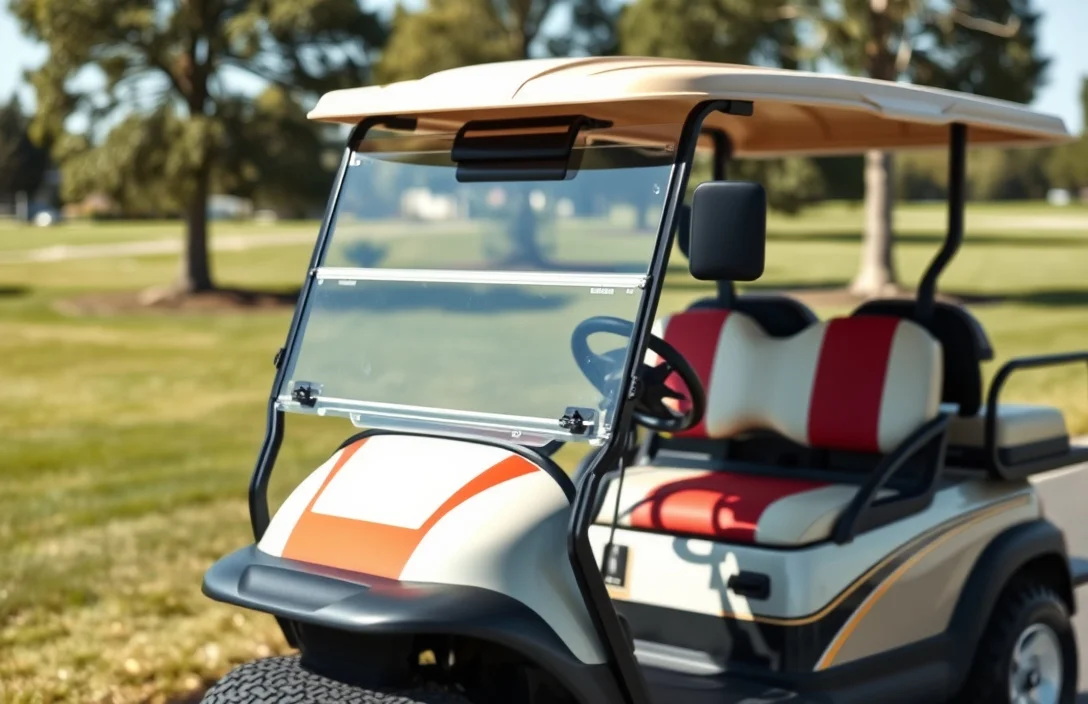
Cast vinyl is the best choice for golf carts because it stretches well over curves and resists shrinking over time. Longevity depends on climate, exposure, and maintenance, with finishes lasting longer when edges are properly sealed.
Premium cast films with strong UV protection and good warranties usually last 5 to 7 years with proper care. Lower-grade films often begin fading or peeling after 2 to 4 years, especially in sunny climates.
Choose your finish carefully. Gloss shows dirt and water spots more easily but cleans faster. Matte hides minor scratches better but can be more difficult to maintain over time.
Full Wrap vs Partial Wrap: Which Option Fits Your Needs
A full wrap covers almost the entire exterior and delivers the most dramatic change. It is ideal when you want a completely new color or complex custom graphics across the whole cart.
A partial wrap only covers selected high-visibility or high-wear areas. It costs less and requires less installation time. Many owners choose partial wraps for the sides and rear while leaving the roof and front as they are.
| Type | Typical Cost Range | Best For | Expected Lifespan |
|---|---|---|---|
| Partial Wrap | $500 – $1,500 | Budget refresh or targeted protection | 3–5 years |
| Full Wrap | $1,500 – $4,000 | Complete color change and maximum protection | 5–7 years |
DIY vs Professional Installation
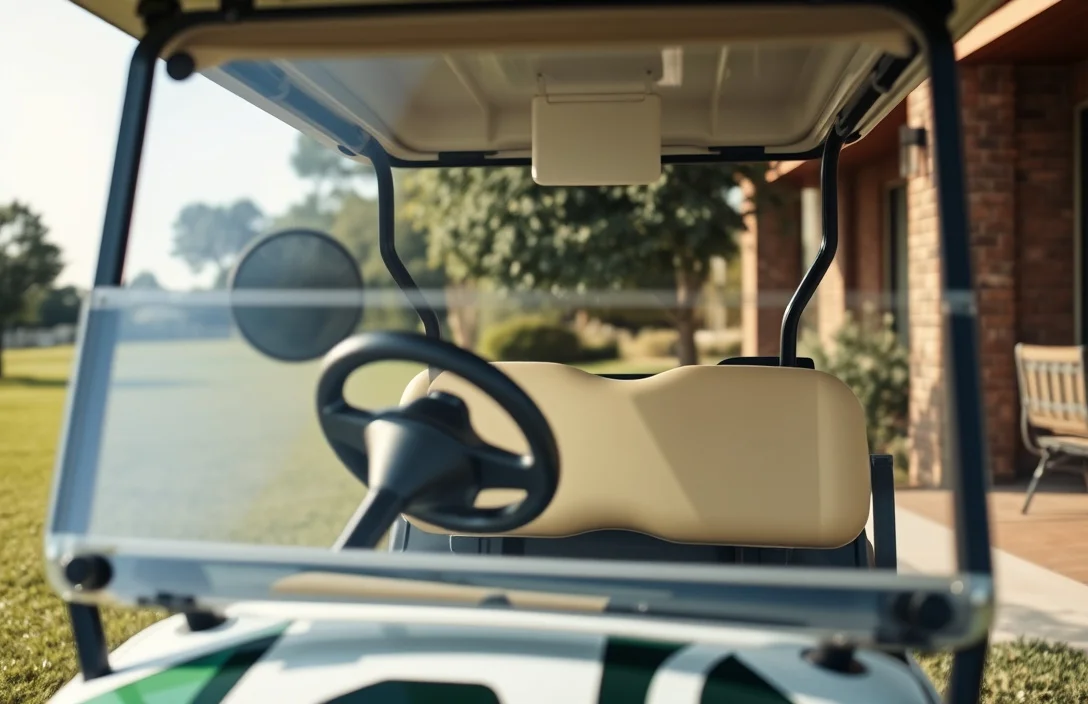
DIY wrapping can save money on labor, but the final result depends heavily on your skill level and tools. Professional installers usually deliver smoother results with fewer bubbles and better edge sealing.
Professionals pattern each piece to follow the natural curves of the cart. This reduces visible seams and improves long-term durability, especially on rounded bumpers and roofs.
If you have never wrapped a vehicle before, hiring a professional is usually the safer choice. A poorly done DIY wrap can look worse than the original paint after just a few months.
| Factor | DIY | Professional |
|---|---|---|
| Total Cost | Lower (mainly materials) | Higher (materials + labor) |
| Finish Quality | Varies greatly | Usually very clean and consistent |
| Time Required | Several days or more | Usually 1–3 days |
| Warranty | None | Often includes installation warranty |
Detailed Cost Breakdown and Budget Planning
Material usually accounts for 40 to 60 percent of the total cost. Labor, surface preparation, and edge finishing make up the rest. Custom designs and color matching will increase the final price.
Always request a detailed written quote that clearly lists the film brand, coverage area, and warranty terms. Very low quotes often use lower-grade film that fades and peels faster in real-world conditions.
Installation Process and Timeline
Professional installation usually takes between one and three days depending on the size of the job and whether custom graphics are involved. The cart will be unavailable during this period.
After the wrap is applied, it needs time to cure. Most installers recommend waiting at least 24 to 48 hours before washing the cart or exposing it to heavy rain or direct sunlight.
Maintenance Tips to Make Your Wrap Last Longer
Wash the wrapped cart regularly using mild soap and a soft sponge. Avoid harsh chemicals and automatic car washes with brushes. Park in the shade whenever possible to reduce UV damage.
Inspect the edges every few months. If you notice lifting, have the edges resealed promptly. Proper maintenance can help a quality wrap last 5 to 7 years.
Common Mistakes to Avoid When Wrapping a Golf Cart
Choosing the cheapest film often leads to faster fading and peeling. Always select a reputable cast vinyl with a good warranty for outdoor use.
Skipping proper surface preparation is another common mistake. The surface must be clean, dry, and free of wax or contaminants for the adhesive to bond correctly.
Poor edge sealing causes the wrap to lift over time. Make sure the installer pays special attention to all edges and seams during installation.
Frequently Asked Questions
How much does it cost to wrap a golf cart?
A full professional wrap usually costs between $1,500 and $4,000. Partial wraps typically range from $500 to $1,500, depending on coverage and film quality.
How long does a golf cart wrap last?
Quality vinyl wraps generally last 5 to 7 years with proper care. Lower-grade films may only last 3 to 4 years in sunny climates.
Can I wrap my golf cart myself?
Yes, but results vary widely. Professional installation usually provides much better long-term results with cleaner seams and stronger edge sealing.
How long does it take to wrap a golf cart?
Most professional jobs take 1 to 3 days. You should allow extra time for curing before regular use.
Does wrapping damage the original paint?
No. A quality vinyl wrap actually protects the paint underneath. When removed correctly, the original paint usually remains in good condition.
What affects how long a golf cart wrap lasts?
Film quality, climate, sun exposure, and maintenance are the biggest factors. Premium cast vinyl with proper edge sealing lasts the longest.