
Understanding Golf Cart Costs: Pricing, Batteries, And Maintenance
The most important power spec when buying a golf cart is the battery type and its long term cost of ownership. The common mistake is chasing the lowest upfront price and ignoring battery life, charging, and replacement costs. The first label to check is the battery type and voltage rating on the
New Golf Cart Prices

Prices for brand new golf carts vary widely by model and battery choice. The battery type often drives the largest difference in upfront cost and ongoing maintenance. To compare value effectively, consider total ownership costs, not just the sticker price.
Model ranges from basic transport to luxury workhorse, with features like seating, speed, and power options affecting the tag. Because batteries can account for a substantial portion of the upfront cost, the choice of chemistry matters as much as horsepower or seating.
Battery options fall into a few common families. Lead-acid variants are the cheapest at purchase but require more frequent watering and eventual replacement. Lithium-based packs cost more up front but offer longer life and lighter weight, which can improve efficiency and performance over time.
Table below summarizes how battery chemistry tends to influence upfront cost, weight, maintenance, and lifecycle. Actual dealer quotes vary by brand, model, and included charging system.
| Battery Type | Upfront Cost Influence | Maintenance & Lifespan | Notes |
|---|---|---|---|
| Lead-Acid | Lower upfront price | Higher maintenance, shorter cycle life | Heavy, requires water checks, periodic replacement. |
| AGM/Gel | Moderate upfront | Better maintenance profile, moderate life | Safer than flooded lead acid, less venting. |
| Lithium-Ion | Higher upfront price | Longer life, lighter weight | Requires compatible BMS and charger; cost can vary with chemistry. |
Practical costs extend beyond the sticker price. Replacement intervals, charger compatibility, and potential downtime all affect long-term value. When shopping, verify the exact battery chemistry, warranty terms, and whether a charger is included or sold separately.
Used Golf Cart Prices
Used Golf Cart Prices vary widely based on age, condition, and drivetrain. Battery health and whether the cart uses electric power or a gas engine drive most of the long-term costs.
Used Golf Cart Prices differ by cart type and battery configuration, with cheaper older electric carts and higher end lithium-pack models at the top.
| Cart Type | Typical Used Price Band | Battery/Drivetrain Notes | Common Maintenance Costs |
|---|---|---|---|
| Electric, lead-acid (classic) | Low to mid | Lead-acid packs require water checks and possible replacement every 3 – 6 years; life can be shorter in hot climates | Water top-ups, terminal cleaning, brake and tire checks |
| Electric, AGM/LFP or Li-ion | Mid | Higher upfront cost, longer cycle life; charging hardware matters for performance | Battery health monitoring, periodic pack refresh or replacement |
| Gas-powered club cart | Mid to high | No large battery costs; fuel system and engine maintenance dominate | Fuel, oil, spark plugs, exhaust service |
| Premium lithium-pack cart | High | Longer life, fast charging; battery packs vary by vendor | Battery module replacements if needed; charger upgrades may be beneficial |
Used Golf Cart Prices also reflect extras included, such as chargers, covers, and upgraded electronics, or shop warranties. Travel distance and cargo capacity can push a cart into higher price bands, even within the same age group.
Battery Types Explained
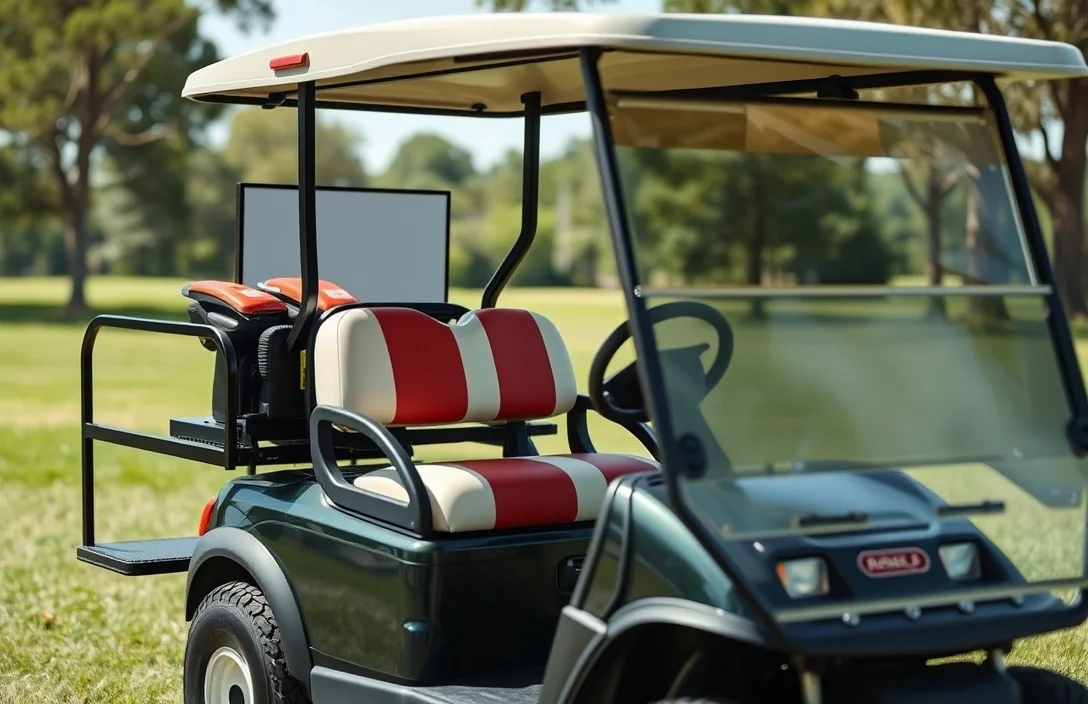
Lead-Acid Batteries dominate traditional golf carts, especially in fleets and refurbishments, because the upfront price is often the lowest. They are heavy, which affects towing and performance, and they wear out faster than modern chemistrures. Lithium-Ion packs cost more at purchase, but they weigh less, reclaim space, and typically last longer with proper use.
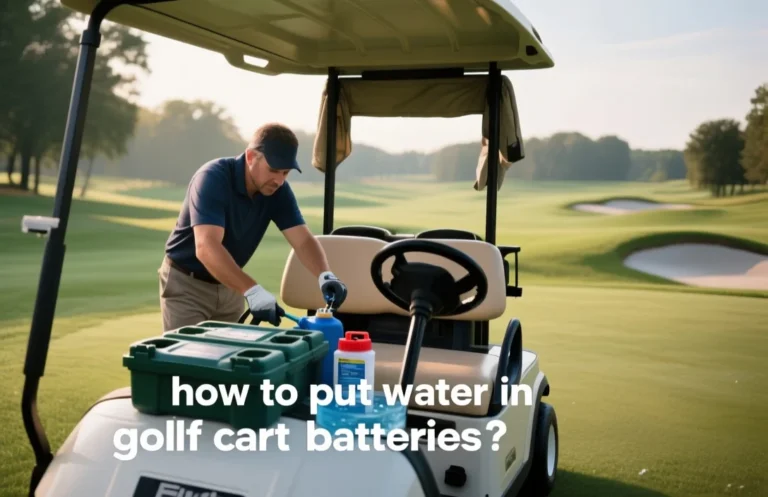
Lead-Acid Batteries come in flooded, AGM, and gel variants, with different maintenance profiles. Flooded cells require regular water top-ups and good ventilation to manage hydrogen gas during charging, which means careful enclosure design and occasional maintenance downtime. AGM and gel types seal the chemistry, offering maintenance-free operation but at a higher upfront cost and usually slightly lower overall energy density.
In practice, the choice affects how often you service the cart, how much weight the pack adds, and how readily you can replace cells when aging.
Lithium-Ion Batteries, particularly LiFePO4 chemistries, are lighter and provide more usable energy per pack, which translates to longer range in the same chassis and easier handling during maintenance. They typically require a battery management system and a charging profile designed for lithium chemistry to protect cells, balance outputs, and prevent overcharging. Their longer cycle life reduces replacement frequency and downtime, but the upfront cost is higher and compatibility with older chargers or inverters must be verified before purchase. Temperature and charging conditions also affect lithium performance, so thermal management is worth planning on new builds.
| Aspect | Lead-Acid | Lithium-Ion |
|---|---|---|
| Weight | Heavy | Light |
| Upfront Cost | Low | High |
| Maintenance | Water top-ups for flooded; AGM/gel minimal | Low; requires proper chargers and BMS |
| Expected Life (cycles, rough) | Shorter | Longer |
| Charging Setup | Standard chargers; ventilation important | Requires BMS; compatible charger |
Lead-Acid Batteries and Lithium-Ion Batteries each fit different buying scenarios. If upfront budget matters more than ultimate range and you can tolerate heavier carts and more frequent maintenance, lead-acid remains a solid baseline option. For daily use with higher cycling and a desire to maximize payload and efficiency, lithium-ion can lower operating costs over the life of the cart, despite higher initial investment.
Safety note: Use chargers that match the chemistry, avoid mixing chemistries in the same system, and never bypass battery management controls. Ventilate flooded lead-acid packs and inspect for swelling, heat, or damaged cables before every charging session.
Lithium-Ion Batteries require attention to thermal management and charging temperature.
In practice, evaluate total cost of ownership across patterns of use to decide which chemistry aligns with your cart’s expected duty cycle and access to compatible charging hardware.
Battery Costs Overview
Prices for golf cart battery packs vary widely by chemistry, capacity, and vendor. Upfront cost can range from a few hundred dollars for refurbished or lead-acid packs to several thousand dollars for larger lithium systems and premium configurations. Total ownership costs depend on cycle life, maintenance, and replacement frequency.
Lead-acid options are cheaper to buy but wear out faster and require regular maintenance water top-ups and venting. Modern lithium options cost more upfront but deliver longer service life and lower daily maintenance, changing the economics over time.
| Battery Type | Typical System Voltage | Initial Cost Range (USD) | Projected Longevity | Maintenance Notes |
|---|---|---|---|---|
| Flooded Lead-Acid (FLA) | 36V, 48V, or 72V | Lower upfront | Shorter lifespan; requires regular watering and equalization | Water top-ups, venting, safe handling; more maintenance overall |
| Absorbent Glass Mat (AGM) Lead-Acid | 36V, 48V, or 72V | Moderate upfront | Better shock resistance than FLA; still shorter than LiFePO4 | Fewer water needs than FLA but still limited cycles |
| Gel Lead-Acid | 36V, 48V | Moderate upfront | Vibration resistant; limited cycling compared to LiFePO4 | Temperature sensitive; requires careful charging to avoid damage |
| Lithium Iron Phosphate (LiFePO4) / Lithium | 48V, 72V | Higher upfront | Longer lifespan with high cycle tolerance; consistent performance | Requires proper battery management system; higher initial cost |
When choosing, consider the total cost of ownership rather than upfront price alone. Lithium options can reduce maintenance duties and replacement frequency, which lowers indirect costs, while lead-acid packs may require more regular service and earlier replacement in high-use scenarios.
For example, a daily commercial cart may justify LiFePO4 ownership due to lower maintenance and longer life, while a low-use personal cart might stay within budget with a refurbished or standard lead-acid setup.
Maintenance Costs for Batteries

Maintenance costs are driven by battery chemistry and usage. Flooded lead-acid packs require regular water top-ups and periodic equalization, which adds recurring material and labor costs. Sealed options minimize water maintenance, while lithium systems demand higher upfront investment but much lower routine care.
Maintenance costs vary by system design and how aggressively you cycle the pack. The following table compares common golf cart batteries by maintenance tasks, expected life, and what you might spend year to year in upkeep. The goal is to highlight long-term cost of ownership, not just purchase price.
| Battery Type | Typical Maintenance Tasks | Cycle Life (years) | Replacement Window (years) | Estimated Annual Maintenance Cost |
|---|---|---|---|---|
| Flooded Lead-Acid (6V/8V blocks in a 48V system) | Regular distilled water top-ups on each cell, periodic equalization charges, terminal cleaning | 4 – 6 | 4 – 6 | Low to Medium |
| Sealed Lead-Acid AGM/Gel | Minimal water maintenance, occasional terminal corrosion check | 4 – 8 | 4 – 8 | Low |
| Lithium Iron Phosphate ( LiFePO4 ) 48V | Check BMS, thermal management, rare firmware updates | 8 – 15 | 8 – 15 | Low |
| Lithium-ion (general 48V packs) | Minimal routine maintenance, ensure proper cooling, BMS monitoring | 8 – 12 | 8 – 12 | Low |
Maintenance costs for flooded lead-acid include water replacements and electrolyte management. These costs scale with water prices and how often you top up, which depends on climate and charging habits. The need for periodic equalization adds additional charging time and energy use that can influence uptime and labor needs.
Maintenance costs for sealed lead-acid AGM or Gel are lower because water is not needed, but you still need periodic checks of terminals and venting. In fleets with many carts, reduced routine maintenance can lower labor costs and downtime. Replacement cycles for AGM and Gel vary by usage, so compare total ownership over the expected service life.
Maintenance costs for lithium packs are reduced to occasional BMS checks and cooling system maintenance. The upfront price is higher, but the longer cycle life lowers replacement frequency and can reduce annualized cost. For high-use fleets, the reduced maintenance can translate to meaningful savings over time.
Maintenance costs require balancing upfront cost, maintenance effort, and expected life in your climate and usage. Maintenance costs improve when you follow the manufacturer guidance and keep charging within recommended parameters. Maintenance costs are also influenced by warranty terms that may require specific maintenance routines.
Charging Systems and Costs
Golf cart charging systems run on packs typically 36-48V for smaller carts and 72V for larger, high-use models. Chargers can be onboard, built into the cart, or offboard, external units connected to the battery stack. The cost of charging is driven by energy use, charger efficiency, and local electricity rates, but the ongoing expense is generally modest compared with upfront purchase price and replacement costs.
Annual energy costs depend on how often you charge, the pack size, and local power prices. A well-matched charger and sensible charging habits reduce energy waste and battery wear, helping keep long-term expenses reasonable.
Battery chemistry affects charging needs and maintenance. Flooded lead-acid requires regular water top-ups and periodic equalization, adding maintenance cost. AGM and gel varieties are more maintenance-light but still need proper charging to avoid sulfation and shortened life. Lithium golf cart packs offer high energy density and faster charging with a smart BMS, but they come with higher upfront cost and a need for compatible charging hardware.
| Option | Charger Type | Voltage / Pack | Typical Power | Cost Impact | Notes |
|---|---|---|---|---|---|
| Onboard integrated charger | Built into cart | 36-48V or 72V | 1-3 kW | Low to Moderate | Simple setup, fewer external parts; charging depends on cart design |
| Offboard external charger | Standalone wall unit | Matches pack voltage | 1-3 kW | Moderate | Potential for faster top-ups and flexible upgrades |
| Smart charger with energy management | External or onboard | Dependent on pack | 1-2 kW | Moderate | Maximizes efficiency, helps extend battery life with proper use |
| Solar-ready charging setup | Solar controller + inverter/charger | Depends on system | 0.5-3 kW | Moderate to High | Reduces grid draw, but adds upfront hardware and integration needs |
| Lithium-specific charging with BMS | Dedicated lithium charger | Typically 48V or 72V | 0.5-3 kW | High | Higher upfront cost, but lower maintenance and longer life with compatible BMS |
In practice, total costs come from the charger hardware, any electrical upgrades for higher charging power, and the battery replacement cycle tied to the chosen chemistry. A lithium setup can reduce maintenance intervals and improve charging speed, but the initial investment is higher, while lead-acid options have lower upfront cost but higher ongoing maintenance. When planning, balance upfront spend against expected lifespan, daily charging needs, and any off-grid or solar integration you intend to use.
Choosing the Right Battery
Battery choice is a major cost driver for golf carts. Cheaper upfront options use flooded lead-acid or AGM packs, while high energy density lithium options raise the initial price but offer longer life and lighter weight with lower maintenance.
For example, a municipal shuttle that runs 8 hours daily on hilly terrain will benefit from a high cycle-life battery like lithium iron phosphate despite higher upfront cost, because it reduces downtime and replacement trips.
When shopping, compare cycle life, depth of discharge, warranty length, and the total cost of ownership, including charger compatibility and disposal of old packs. Ask for spec sheets and real-world performance data from shops that service the cart type you own.
Cost and Performance Comparison
Price ranges for golf carts vary widely by drive system and battery choice. There is no single upfront price, and the battery type chosen drives long-term costs through maintenance and replacement cycles. This section compares common battery chemistries and their implications for total cost of ownership and performance.
| Battery Type | Nominal System Voltage | Upfront Cost Influence | Typical Lifespan | Maintenance Needs | Replacement Interval | Notes |
|---|---|---|---|---|---|---|
| Lead-acid Flooded | 36 – 48V packs | Low to Medium | Moderate | Water top-ups in some cases | 2 – 4 years | Cheapest upfront; heavier; venting in some climates |
| Lead-acid AGM | 36 – 48V | Medium | Moderate | Lower maintenance than flooded; checks still required | 3 – 5 years | Better sealed option; heavier than lithium |
| Lead-acid Gel | 36 – 48V | Medium | Low to Moderate | Low water top-ups in some setups | 3 – 5 years | Less common; performance varies with temperature |
| Lithium-ion / LiFePO4 | 36 – 60V common | High | Very high | Minimal; no water top-ups | 5 – 10+ years | Higher upfront; lighter and higher energy density |
In practice, the choice of chemistry drives the total cost of ownership. Lithium packs deliver longer life and less daily maintenance, but you pay more upfront. Lead-acid options cost less initially but require regular care and more frequent replacement.
Charging and maintenance costs add up as well. A charger matched to the battery chemistry protects efficiency and life. Lithium systems benefit from a dedicated charger and battery management system; flooded lead-acid packs rely on simple chargers but demand water top-ups and venting in some climates.
For owners planning long-term use, lithium can reduce downtime and replacement frequency compared with lead-acid, despite higher upfront cost. If the cart is mainly for occasional use or short-term needs, a lead-acid setup may keep initial costs down.
Quick Summary
The price of a golf cart mostly reflects its battery type and voltage, not cosmetic features.
Frequently Asked Questions
How much does compatibility with a golf cart charger affect the upfront price you should expect to pay?
Your upfront price is affected by charger compatibility because most golf carts use 36V, 48V, or 72V systems and require a matching charger. If you choose a cart with a voltage that cannot be charged from a common charger, you may need a separate charger or adapter, which adds to the initial cost.
How can heat during charging impact the cost of buying a golf cart?
Heat during charging can shorten battery life and raise replacement costs over time. Good heat management and ventilation reduce the likelihood of heat-related wear, which helps protect your total investment.
What is the typical runtime of a golf cart and how does that influence buying cost?
Runtime depends on battery size, terrain, and load; many carts on flat ground run roughly 20 to 30 miles per charge under typical use. Longer runtime usually means a bigger or higher-energy battery, which raises upfront price but lowers charging frequency.
What safety features should I look for when buying a golf cart and can they affect price?
When buying, safety features like a battery management system, fusing, and weatherproofing matter; newer carts with these protections are generally more expensive. Safety features add to upfront cost but help prevent costly failures.
What are common buying mistakes that can increase total cost when purchasing a golf cart and charger, including replacement timing and compatibility?
A common mistake is mismatching voltage or battery chemistry with the charger, which can force expensive upgrades later. Always verify voltage, battery chemistry, and replacement timing guidance before buying.