How to clean golf cart battery?
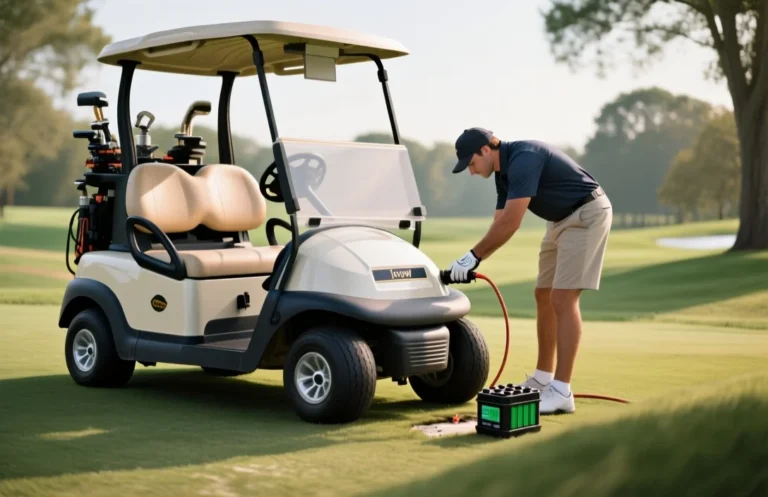
Corroded golf cart terminals cause most field failures, and the single spec that matters most is the electrolyte level in each cell. A common mistake is cleaning with the charger still connected or removing the wrong terminal first. Before you touch anything, make sure the charger is off and the cart key is removed.
Cleaning a golf cart battery requires disconnecting power, neutralizing corrosion, scrubbing, rinsing, drying, and protecting terminals; use about 1 tablespoon baking soda per cup of water and wait roughly 10 minutes after neutralizing before rinsing. Follow safe handling: gloves, eye protection, negative terminal off first, reconnect positive last.
Safety Checklist Before Cleaning
Wear acid-resistant gloves and eye protection, fully disconnect and isolate the battery bank, and ventilate the work area with no smoking or open flames. Treat every golf cart battery as a live, acid-containing electrical source until you have confirmed it is isolated and dead.
| PPE or item | Why it matters |
|---|---|
| Acid-resistant gloves | Protects skin from sulfuric acid burns and reduces chemical absorption. |
| Eye protection/face shield | Prevents splashes into eyes, the most common serious injury when cleaning batteries. |
| Insulated tools | Reduces risk of shorting terminals and producing dangerous sparks. |
Follow a strict disconnect order to reduce short and spark risk. Do not improvise the sequence; a wrong move can create a short across the battery bank.
If acid is spilled on skin or eyes, flush immediately with copious running water for at least ten minutes and seek medical help. For external spills on surfaces, sprinkle baking soda to neutralize small amounts, then rinse with water, but do not mix neutralizer and water on a large uncontrolled spill without emergency guidance.
Warning: Never clean batteries while charging, never smoke near batteries, and if you smell rotten-egg or detect a large gas build-up, evacuate and ventilate before returning.
Tools and Supplies Needed
You need a small set of neutralizing and cleaning supplies, insulated hand tools, testers for voltage and specific gravity, distilled water for topping cells, and a few common replacement parts to clean and inspect a golf cart battery properly. Baking soda mixed with water neutralizes surface acid, insulated wrenches let you remove terminals safely, a multimeter and hydrometer verify state of charge and cell health, and terminal grease protects clean connections from future corrosion.
Buy durable items that match the battery size and chemistry you have, and prefer replacement parts over aggressive scraping when corrosion is advanced. A simple parts kit with terminal clamps, caps, and a short length of battery cable is usually cheaper and safer than trying to recondition badly corroded connectors.
| Item | Amount / Specification | Notes |
|---|---|---|
| Baking soda | Small box (for mixing with water) | Use as a neutralizer paste or rinse; dissolves surface acid safely |
| Clean water | Bucket or spray bottle | For rinsing neutralized areas before drying; do not use for topping off cells |
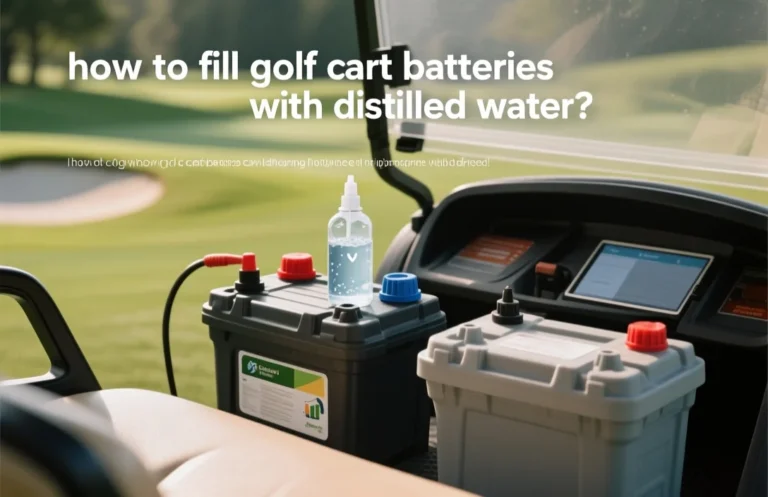
| Distilled water | 1 liter bottle, funnel | Only water to add to flooded lead acid cells, use a funnel to avoid spills |
| Insulated wrenches and pliers | Sizes to match terminal nuts | Insulation reduces shock risk when loosening terminals |
| Brushes | Nylon brush and brass wire brush | Nylon for light cleaning, brass for heavy corrosion; avoid steel |
| Multimeter | Digital, DC volts and basic current testing | Check pack voltage before and after cleaning |
| Hydrometer | Handheld, for flooded lead acid only | Measures specific gravity per cell; not for AGM or sealed batteries |
| Terminal grease / protectant | Small tube or spray | Apply sparingly after terminals are clean and dry |
| Replacement parts | Terminal clamps, hoods/caps, short battery cable | Replace cracked or heavily corroded hardware rather than forcing reuse |
| Misc tools | Funnel, rag, small container | Keep a rag for neutralizer residue and a container for used solution |
Identify Battery Type
Most golf cart batteries are either flooded lead acid, AGM or gel, and the top-label wording and visible vent caps tell you which one you have. The battery type determines whether you can remove caps to clean, add distilled water, or run an equalizing charge, so identify it before any cleaning or maintenance.
For example, a battery labeled “sealed AGM” should only be wiped with a damp cloth and then dried, never opened or watered, and equalizing is usually not recommended unless the maker provides a procedure. If the label says “flooded” or shows removable filler caps, follow the watering schedule in the manual and only equalize using the charger settings the manufacturer specifies.
Clean Terminals and Cables
Disconnect the pack by removing the negative terminal first, neutralize any acid with a baking soda and water paste, scrub corrosion off terminals and cable lugs, then inspect lugs and cable insulation for damage before applying protectant and reconnecting the pack with the positive terminal first. Follow personal protective equipment and ventilation rules, and replace any cable, lug, or clamp that is severely corroded, crushed, or has lost conductor cross section.
Clean Cell Tops and Cases
Baking soda mixed into a paste neutralizes acid residue on flooded golf cart cells, and a controlled, low-water rinse removes neutralized salts without driving acid under seals. For sealed batteries, do not pour water or paste onto the case; wipe the exterior only and avoid breaching vents or caps.
Make a baking-soda paste by starting with one tablespoon of baking soda and adding a few drops of water, stirring until the paste holds its shape. Keep the paste thick so it clings to cell tops and does not run into seams or vent holes.
For sealed or maintenance-free battery exteriors, wipe with a damp cloth and a little mild detergent, then dry with a clean towel. Do not use baking-soda paste, pour water into vents, or open sealed cases; these actions can void warranties and damage internal cells.
After drying, prevent recontamination by keeping the battery tops clean and applying a thin film of petroleum jelly or a battery terminal protectant to exposed metal parts only. Keep the battery compartment free of debris and check after each charge cycle for new white salt deposits so you can address them early.
Post-Clean Testing & Charging
Testing the battery after cleaning is crucial for ensuring its health and performance. Begin by measuring the open-circuit voltage and checking individual cell voltages to confirm that the battery is functioning correctly before proceeding to charge.
Following these testing and charging protocols helps ensure optimal performance and longevity of your golf cart batteries. Regular maintenance and attention to battery health will enhance efficiency and reliability on the course.
Maintenance and Replacement
Clean battery tops and terminals at least once a month, and perform a deeper neutralizing clean every three to six months or whenever you see white or blue-green crust, active bubbling, or leaking. Store batteries fully charged in a cool, dry place and refresh the charge every 4 to 8 weeks, or follow the manufacturer’s float recommendations for long-term storage.
Safety first: always wear eye protection, rubber gloves, and work in a ventilated area; battery acid can burn skin and create corrosive fumes. If acid has splashed, neutralize with a baking soda solution, rinse with water, and avoid breathing the vapors.
Cleaning removes surface corrosion that causes poor contact, but it will not restore lost capacity or reverse internal plate damage. If a battery still fails a charging and load test after cleaning, replacement is required rather than repeated cleaning.
| Task | Frequency | Why | Notes |
|---|---|---|---|
| Visual inspection | Monthly | Catch leaks, cracks, loose caps, and corrosion early | Look for crust, swollen cases, loose hold-downs |
| Terminal and top cleaning | Monthly or after corrosion appears | Restore good electrical contact and prevent resistance | Neutralize with baking soda solution, brush, rinse, dry |
| Deep neutralize and tighten | Every 3-6 months | Remove built-up acid residue and secure connections | Inspect cell caps and electrolyte level before sealing |
| Preventive treatment | After cleaning | Slow recurrence of corrosion | Apply grease or inhibitor, install terminal caps |
| Storage maintenance | Charge then top-up every 4-8 weeks | Prevent sulfation and freezing damage | Store near 50-70F if possible, avoid hot garages |
Preventive products to consider:
Replacement triggers, when cleaning will not fix the battery:
If you decide to replace a battery, recycle the old one at an authorized automotive recycler, retailer take-back, or hazardous waste facility; lead-acid batteries are recyclable and must not be thrown in household trash. When replacing, match battery chemistry and verify physical size, terminal layout, and charging-spec labels to avoid compatibility problems.
Quick Summary
Clean a golf cart battery by disconnecting, neutralizing corrosion with a baking soda solution, rinsing, drying, and applying terminal protectant.
Frequently Asked Questions
How often should I clean my golf cart battery?
You should clean your golf cart battery at least once every six months to prevent corrosion and ensure optimal performance.
What is the best way to clean a golf cart battery?
The best way to clean a golf cart battery is to use a mixture of baking soda and water to neutralize any acid and then scrub with a non-metallic brush.
Is it safe to clean golf cart batteries while they are connected?
No, it is not safe to clean golf cart batteries while they are connected. Always disconnect the battery cables before cleaning to avoid electrical shock or short-circuiting.
What cleaning supplies do I need for my golf cart battery?
You will need baking soda, water, a brush, gloves, and safety goggles to safely clean your golf cart battery and protect yourself from acid exposure.
Can I use a pressure washer to clean my golf cart battery?
No, you should not use a pressure washer to clean your golf cart battery as it can force water into the battery cells, leading to permanent damage and potential safety hazards.