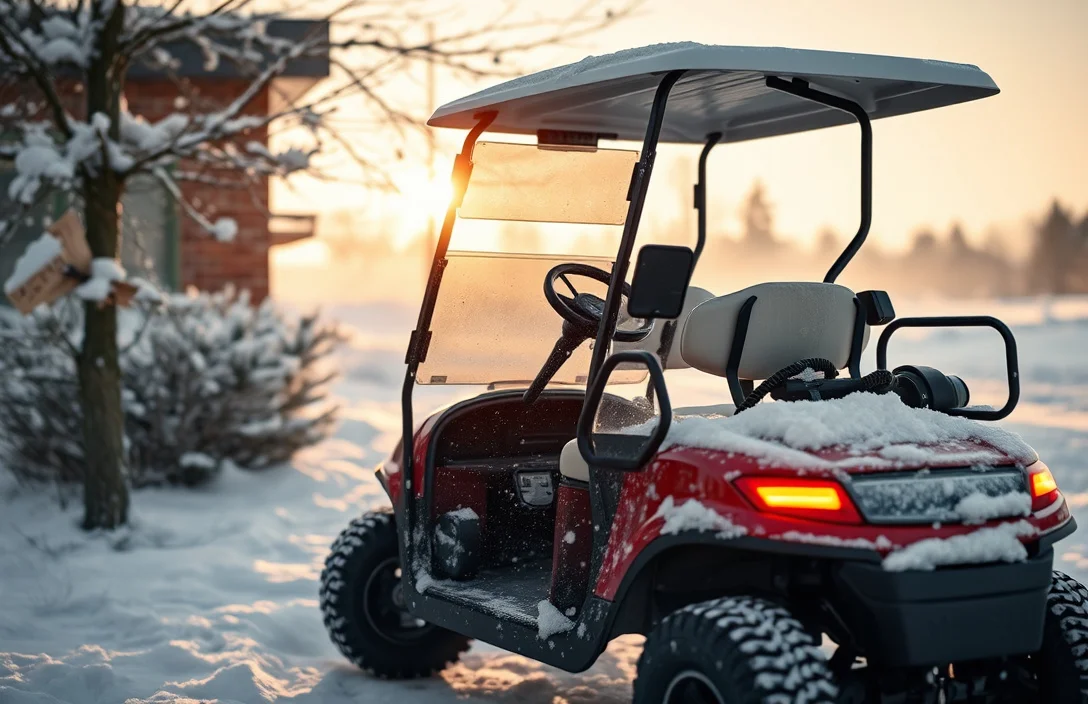
How To Winterize An Electric Golf Cart?
How to winterize an electric golf cart? comes down to matching the advice to your situation instead of following a generic checklist. I will focus on the main decision points, the tradeoffs that matter most, and the practical next steps you can use before spending time or money.
Winter Battery Health Check

Cold weather slows chemical reactions and increases internal resistance in golf cart batteries, reducing usable capacity. Correct winterization starts with knowing the pack chemistry and how cells are arranged, because these details determine charging strategies, venting needs, and insulation requirements.
Storage Temperature for Golf Carts
Storage temperature keeps the golf cart battery system in a dry, moderate environment to slow degradation during storage. Extreme cold or heat accelerates capacity loss and increases the risk of swelling or other damage, so avoid exposure to freezing conditions and direct sun.
Storage conditions should emphasize a location with minimal temperature variation and good air quality. If indoor storage isn’t possible, provide shelter that shields from wind, sun, and rain while still allowing some ventilation to prevent gas buildup in certain battery chemistries.
| Aspect | Indoor storage | Outdoor storage |
|---|---|---|
| Temperature stability | Better control with climate tools; less swing day to day | Subject to ambient changes; shelter helps but cannot fully stabilize |
| Moisture management | Dry environment; use dehumidification as needed | Exposed to rain and condensation; use cover and elevated placement |
| Ventilation | Ventilation is easier to implement; keep vents clear | Ensure airflow to prevent gas buildup where applicable |
| Maintenance access | Quicker checks and servicing; cables and connectors stay accessible | May require more frequent inspections and protective hardware |
In practice, plan around the harshest months by selecting a space that remains as cool and dry as possible with minimal drafts. Label storage areas and keep a simple maintenance log so you can reconnect and recharge safely when returning the cart to service.
Condensation and dampness can accelerate corrosion and connection wear. Keep the enclosure dry, provide light ventilation, and avoid unheated, damp areas.
Cold-Weather Charging Guidelines
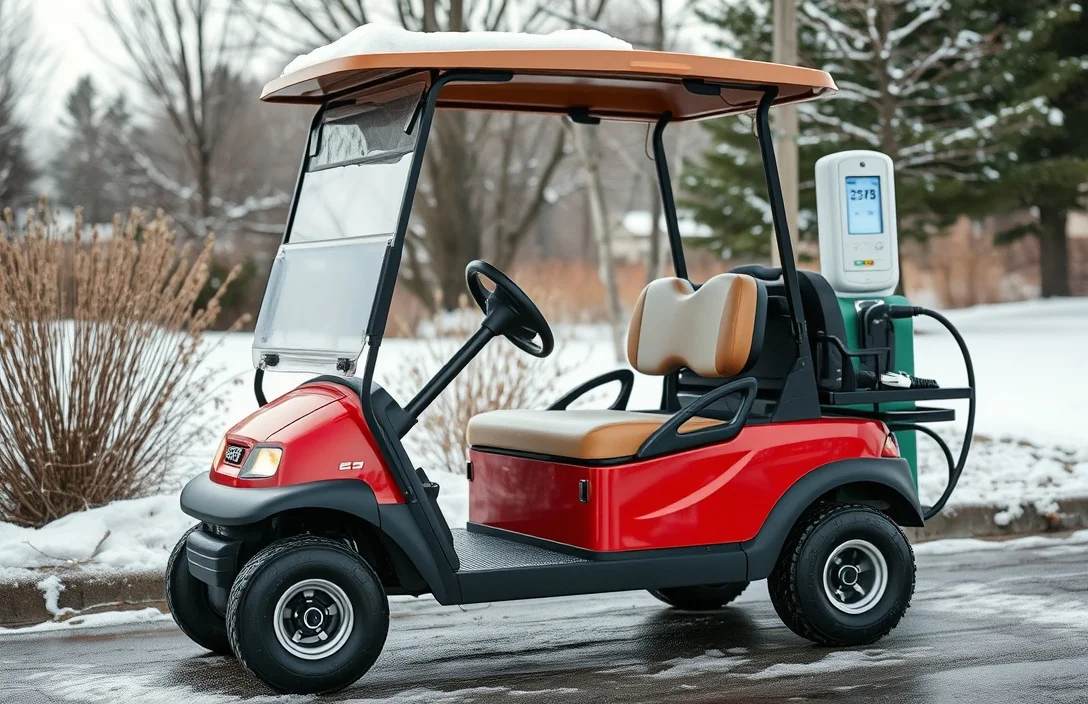
Cold slows battery chemistry, reducing charging current and overall efficiency. In cold weather, use a charger that matches the cart’s voltage and chemistry, and keep the pack within a safe mid range of charge before long storage to avoid deep discharge. Always check the manufacturer’s temperature and SOC guidance before charging in winter.
Battery Protection in Cold
Battery Protection in Cold: Cold weather raises internal resistance and reduces usable capacity in golf cart battery packs. Keeping the battery temperature above freezing and avoiding rapid fluctuations helps preserve voltage and longevity.
Battery Protection in Cold: Strategies to reduce stress include insulation, gentle warming, safe protective covers, and vigilant monitoring. Combine methods for best results.
| Option | Pros | Safety notes |
|---|---|---|
| Insulation blanket for battery housing | Reduces heat loss; easy to install | Ensure vents remain clear; avoid moisture buildup |
| Thermostat-controlled heating pad | Active warming with temperature control | Use only products rated for battery use; monitor temperature |
| Sheltered storage (garage) | Passive protection; inexpensive | Keep area dry; prevent condensation on lids and cables |
| Ventilated barrier or cover | Limits cold drafts while maintaining venting | Do not seal completely; allow airflow around pack |
Battery Protection in Cold: Swelling or overheating can indicate unsafe conditions. Regularly inspect the case for bulging, cracking, or softened edges, and monitor surface temperature during charging. If any swelling appears, disconnect and seek service promptly.
Battery Protection in Cold: Never cover batteries with insulating materials that trap heat or moisture during charging; maintain airflow and follow the manufacturer’s operating temperature guidelines.
Battery Protection in Cold: Establish a simple winter routine – check seals, verify cold-start voltage when practical, and note any performance changes. Small, proactive steps now reduce the risk of failures later.
Safety, Troubleshooting & Replacement
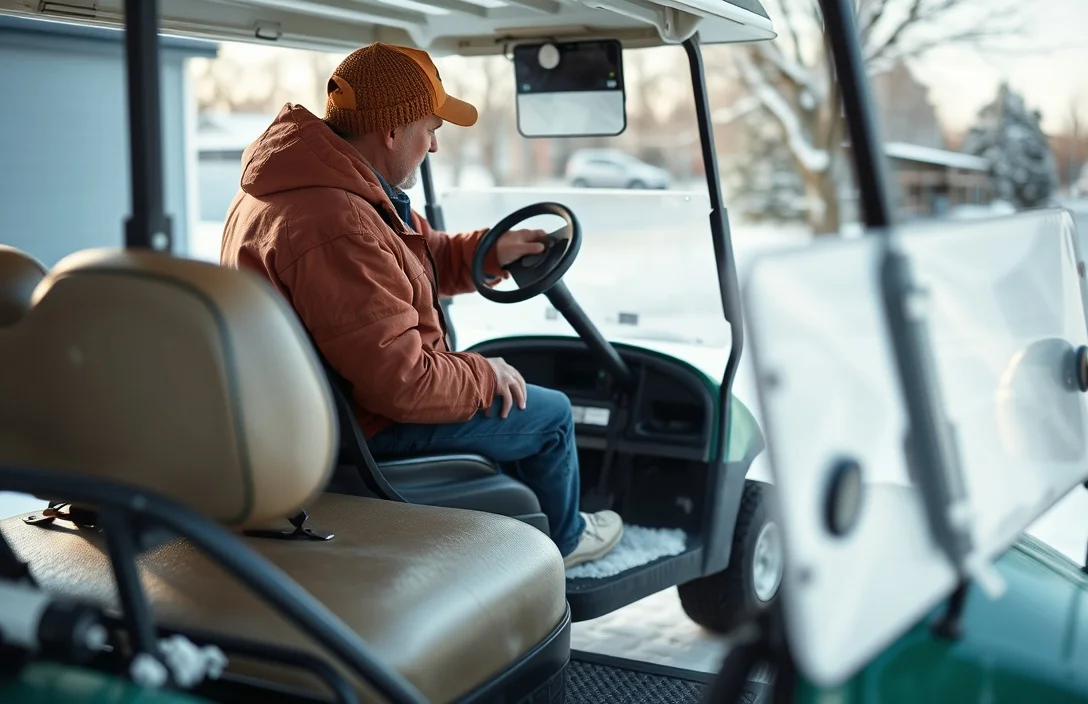
Protecting the traction and auxiliary batteries in cold conditions reduces sulfation and helps maintain performance. Start with a health check, then set charging and storage practices designed for low temperatures. If a pack shows obvious damage, retire it from service and replace it before winter use.
Keep the cart in a dry, insulated spot when not in use and follow the manufacturer guidance for chargers and maintenance. If any pack shows persistent trouble signs, arrange professional service rather than continuing to use it through winter.
Quick Summary
Proper winterization hinges on preserving battery health and charger compatibility to prevent damage and extend cart life.
Frequently Asked Questions
Question 1?
You should check the cart’s label to confirm the nominal pack voltage (often 36V, 48V, or 72V) and use a charger rated for that voltage. Ensure the charger has automatic shutoff and is temperature compensated for winter use.
Question 2?
In winter, keep batteries above freezing and preferably around 50°F (10°C) when charging. Store and charge in a dry, insulated space to minimize temperature swings.
Question 3?
Cold weather can reduce usable capacity by around 15-25%, so you may see shorter range. To minimize this, keep the pack at 50-80% SOC when storing or planning trips and avoid deep discharges.
Question 4?
Charge only in a well ventilated area and avoid charging in unheated, sealed spaces. Inspect batteries for swelling, leaks, or corrosion before charging; if you see swelling, do not continue charging and seek support.
Question 5?
Replacement timing depends on battery type; expect about 4-6 years for lead-acid and 5-12 years for lithium with good winter care. When buying, avoid the wrong voltage or chemistry and always verify warranty length – look for at least 1-3 years. Check the cart manual to confirm compatibility with the charger and battery pack.