Optimal Tire Pressure For Your Golf Cart: Key Insights
How much air in golf cart tires? comes down to matching the advice to your situation instead of following a generic checklist. I will focus on the main decision points, the tradeoffs that matter most, and the practical next steps you can use before spending time or money.
Find Golf Cart Tire PSI
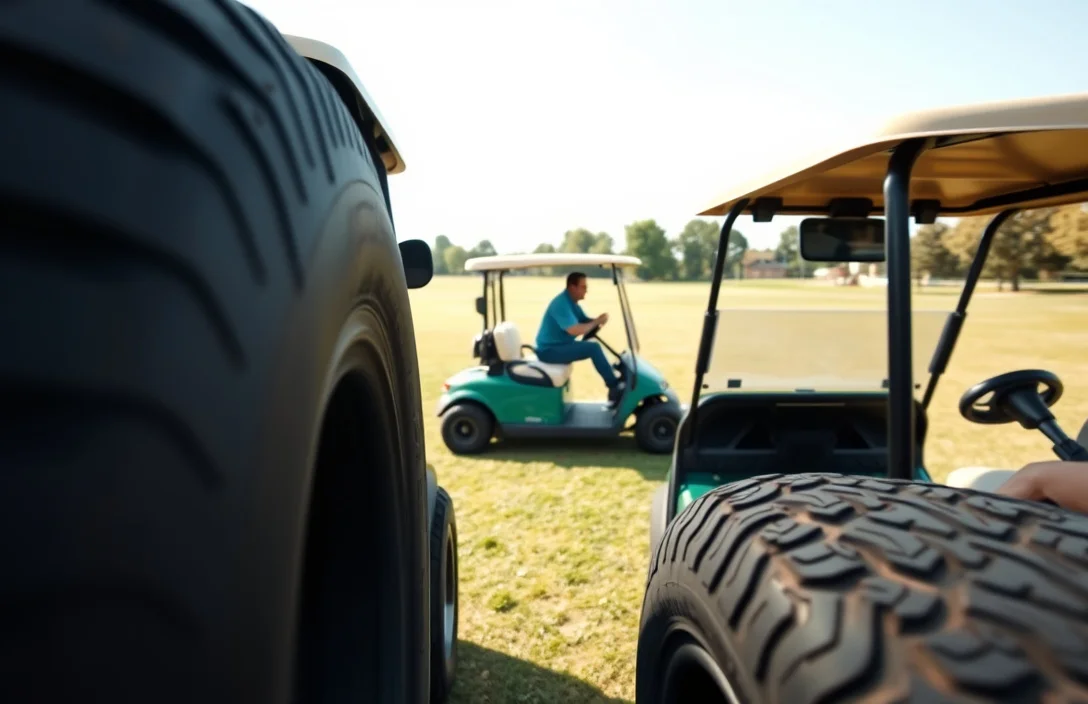
Tire pressure information comes from official specs on the tire sidewall or your cart manual. In most cases, the target is around 30 psi when cold, but the exact figure depends on load, tire type, and the cart model.
Load and tire type effects: Heavier loads demand higher pressure within the official range. Underinflated tires increase rolling resistance, heat, and wear, shortening battery life. Overinflation can reduce traction and create a harsher ride, especially on rough surfaces.
| Scenario | Typical target psi | Effect |
|---|---|---|
| Light load / smooth terrain | 28-30 | Comfortable ride, even wear |
| Normal use with standard load | 30-32 | Balanced handling and wear |
| Heavy load or hills | 32-35 | Better traction, cooler tires |
Note: These ranges are general. Always verify with the official specification for your model, and adjust for unusual loads or temperature.
Next steps: once you have the official value, check your tires when cold, and record the number on a card or sticker for quick reference on future maintenance.
Check Tire Pressure Correctly
Check the tires when they are cold and set to the cold-rated PSI printed on the sidewall or in the owner manual. For many golf cart tires, the target falls around 30 to 35 psi when cold, but the exact value depends on tire type and load. Do not exceed the tire’s maximum rating printed on the sidewall.
Cold-reading technique improves consistency and reduces bias from heat or recent driving.
Cold-reading technique
In practice, temperature and recent use affect readings, so aim to read in stable conditions and keep a consistent routine for maintenance checks.
Gauge types and calibration
Gauge choice matters because small errors add up to noticeable ride changes and tire wear. Calibrate or verify your gauge against a known reference periodically, especially if readings seem inconsistent or you use multiple gauges.
| Gauge Type | Typical Accuracy | Pros | Cons | Calibration Tip |
|---|---|---|---|---|
| Dial gauge | ±1 – 2 psi | Easy to read, quick checks | Mechanical drift with use | Compare against a reference gauge every few months |
| Digital gauge | ±0.5 – 1.5 psi | Clear display, stores last reading | Battery failures can skew results | Test with a known-reference gauge and replace batteries |
| Pencil/slider gauge | ±1 – 3 psi | Compact, affordable | Harder to read precisely | Zero the gauge on a known pressure before use |
Tip: Hot readings after a drive can mislead you; always start from a cold measurement for a trustworthy target.
Common mistakes to avoid include inflating from a hot reading, ignoring load distribution, and using a worn or inaccurate gauge. Keep a small log of your target PSI for each tire and review it after changes in load or tire wear.
In short, set and verify cold PSI against the tire label, use a reliable gauge, and maintain a routine to catch leaks or slow losses early. A stable target aligned with your tires and load will improve ride quality and tire life.
Pressure and Battery Range
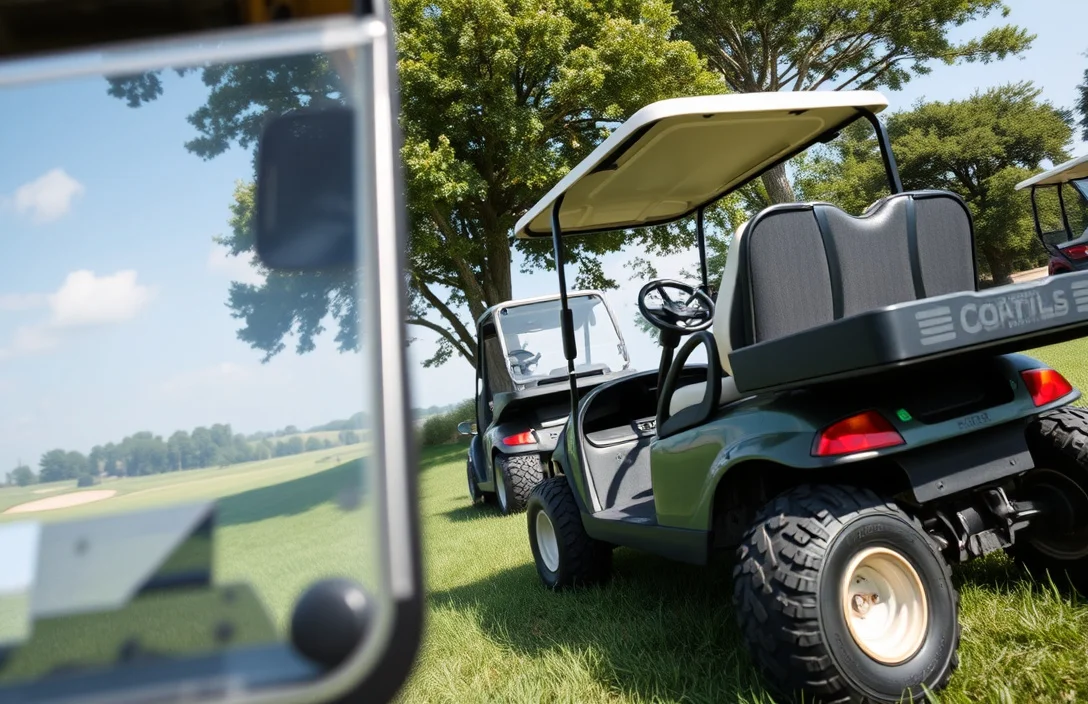
Tire pressure in golf cart tires directly affects rolling resistance and energy use. Underinflation increases rolling resistance and drains the battery more quickly, while overinflation can reduce traction and worsen ride quality. Keeping tires at the manufacturer’s cold-pressure spec minimizes energy loss and helps maximize driving range.
For example, a cart used daily on variable terrain will show a measurable difference in range when tires stay near the recommended cold pressure. Neglecting inflation adds energy waste and can worsen ride quality over time.
Load, Speed, Temperature
Proper tire pressure in golf carts varies based on the weight carried, the speed of travel, and the surrounding temperature. Under-inflated tires can lead to reduced efficiency and handling issues, while over-inflation may cause tires to wear prematurely and increase the risk of blowouts.
Payload adjustments are crucial for maintaining optimal tire pressure. When a golf cart carries additional weight, such as passengers or equipment, the tire pressure should be increased to accommodate this load.
For example, if the cart is designed for a standard load of 800 pounds, and it is loaded to 1,000 pounds, increasing the tire pressure by 2 to 4 psi can help maintain performance and safety. Regularly checking and adjusting tire pressure based on the specific load will enhance driving stability and prolong tire life.
Ambient temperature also impacts tire pressure significantly. As temperatures rise, tire pressure can increase; conversely, lower temperatures can cause a drop in pressure. For every 10°F change in temperature, tire pressure can fluctuate by about 1 psi. It’s essential to monitor tire pressure during seasonal changes and adjust accordingly.
For instance, if a golf cart is used in colder months, checking the tire pressure before each use can help prevent under-inflation due to temperature drops.
Maintaining the correct tire pressure not only improves driving comfort but also enhances energy efficiency and the overall lifespan of the tires. Regular maintenance and adjustments based on load and temperature will ensure optimal performance of the golf cart.
Tire Safety Signals
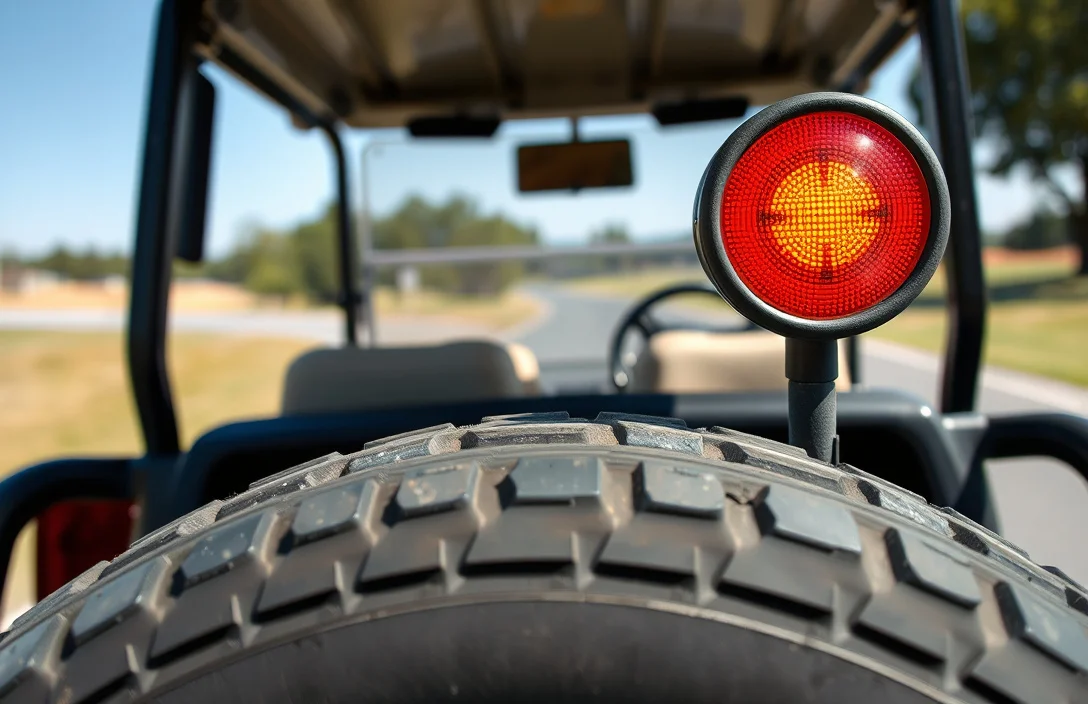
Improper inflation of golf cart tires can lead to a range of safety issues. Look for signs such as uneven tread wear, bulging sides, and overheating during use, which indicate that the tires may be under or over-inflated.
Actions on unusual signs should be taken promptly. If any of the above indicators are present, check the tire pressure with a reliable gauge and adjust accordingly. It is essential to follow the manufacturer’s recommended pressure specifications, typically found on a label near the driver’s seat or in the owner’s manual.
For instance, if the pressure is significantly below the recommended level, inflate the tires to the correct psi (pounds per square inch) and monitor them regularly. Regular maintenance and inspection can prolong the life of your tires and ensure safe operation of the golf cart.
Storage and Maintenance
Maintain the official cold-inflation pressure shown on the tire sidewall or cart manual. When storing, read and set to that value when the tires are cold, and check periodically to prevent flat spots and seal leaks. Use a reliable gauge and confirm readings after long storage intervals.
Seasonal checks focus on preparing the tires for idle periods and rechecking before use. Inspect each tire for cracks, bulges, or uneven wear, and confirm that the pressure matches the manufacturer’s specification after any exposure to heat or sun. A level storage setup helps prevent deformation and keeps seals seating properly.
| Aspect | Best practice | Notes |
|---|---|---|
| Pressure check | Measure when cold with a trusted gauge | Do not rely on warm readings; temperature affects readings |
| Storage environment | Cool, shaded, level surface | Avoid direct sun, heat, and chemicals near tires |
| Valve caps | Keep caps installed; replace missing ones | Caps protect stems from debris and moisture |
Tip: If you cannot locate the exact PSI, start with a mid-range value recommended for the tire type and adjust after confirming a cold reading.
Routine checks should become part of your maintenance habit. Before any season starts, verify all tires are inflated to the correct pressure, inspect for sidewall damage, and look for any signs of slow leaks. Regular care extends tire life and helps ensure safe, predictable performance when the cart is back in service.
Troubleshooting Common Issues
The correct tire pressure is whatever the tire label or vehicle manual specifies. Use a precise gauge to measure cold tires before driving, and adjust to the recommended value on the sidewall. If the label is missing, start with a conservative range and verify performance with even wear and stable handling.
Quick Summary
To properly inflate golf cart tires, follow the manufacturer’s PSI guidance and maintain even pressure.
Frequently Asked Questions
How much air should I put in golf cart tires to stay within the cart’s specifications?
Always start with the tire sidewall or owner’s manual for the recommended cold pressure. Most golf cart tires are rated around 28 to 32 psi when cold, but your model may differ. Use a quality gauge and recheck when tires are cold.
How does heat affect golf cart tire pressure and should I adjust after hot weather or run time?
Heat raises tire pressure; expect a higher reading after driving on a hot day. Always measure tires when cold before driving, and adjust back if you notice significant variance. Do not rely on pressure reading after hot use.
Can incorrect air pressure impact golf cart runtime or range, and what pressure is best for efficiency?
Underinflated tires increase rolling resistance and waste energy, while overinflated tires reduce grip and ride comfort. Maintaining the factory recommended cold pressure improves efficiency and range, so start there and avoid guesses. Expect small changes in range based on load and terrain.
What safety issues arise from over or under inflating golf cart tires, and what threshold is dangerous?
Underinflation can cause overheating and tire failure; overinflation can lead to poor handling and blowouts on rough surfaces. Never exceed the tire’s max inflation label or the cart’s recommended pressure, and inspect tires for cuts and bulges regularly.
When should I replace golf cart tires and what buying mistakes involve air pressure labeling to avoid?
Tire life is more about tread wear than pressure alone; replace when tread depth is low or there are signs of cracking. Buy tires with clear pressure labeling and a stated load rating and verify that the recommended pressure matches your cart’s requirements.