
Should You Charge Golf Cart Batteries After Every Use?
Golf cart battery health is mostly a charging habit, not a mystery. If you frequently drain your pack and then stop without recharging, you risk losing capacity and shortening lifespan. The practical answer is yes – in most cases, you should charge golf cart batteries after every use, especially if they are flooded lead-acid. That routine keeps the battery out of the damaging low-charge zone and gives the charger a chance to finish the job before sulfation or deep discharge starts to build.
For lithium packs, frequent topping off is usually fine too. The main caution is to avoid regular deep discharges below about 20%. With either chemistry, the bigger mistake is not charging “too often” but letting the battery sit low for hours or days.
Should You Charge Golf Cart Batteries After Every Use?

Charge after every use if you want the simplest, lowest-risk routine, especially with flooded lead-acid batteries. The real problem is not using the cart. It is leaving the battery low after the ride. When a deep charge swing is followed by long downtime, sulfation damage starts to build, and you pay for it later in reduced capacity.
In practice, “after every use” usually means plugging in as soon as you are done, then letting the charger do the rest. For electric carts, the safest habit is to connect the charger right after driving rather than waiting until the next day. The longer the pack sits partly discharged, the more likely it is to drift into the damaging range. A charger that automatically stops at the correct stage will generally hold the battery where it should be without cooking it.
If you drive most days, charging after each session is the easiest path to healthy batteries. If you only use the cart occasionally, you do not need to treat “every use” like a rigid rule, but you should still avoid letting the state of charge sit too low.
How Often Should I Plug In My Golf Cart Batteries?
Plug in based on how low the pack gets, not on the calendar. A practical target is charging after every use, or when the battery drops to about 20% to 30%. That keeps you away from deep discharge while still giving you some flexibility on busy days.
A simple way to think about it: heavy users who run daily do best with a plug-in every time, because it keeps lithium in a healthy partial-charge window and keeps lead-acid from spending long periods at reduced voltage. Casual users who only drive a few times per week can often charge every 2 to 3 days, as long as they still stop charging before the pack gets very low.
Charging frequency and charging duration are not the same thing. The goal is to recharge often enough to prevent deep discharge and sulfation, while relying on the charger’s smart stages, or a timer you trust, to avoid overcharging.
Factors That Change Charging Timing

Charging after every use can be exactly right for one cart and unnecessary for another. The right schedule depends on battery chemistry, how hard you drive, temperature, and how smart your charger is. If you drive longer routes, climb hills, or run in stop-and-go traffic, your pack empties faster and needs more frequent charging.
Charger behavior is a huge factor. Model-specific smart chargers are designed for repeated plugging, while less suitable chargers or poorly set equipment can stay in the absorb and float phases longer than the battery wants. Charge conditions matter too, because charging in a cool, ventilated area reduces stress and helps the battery finish more reliably.
Use these factors to decide timing quickly:
- How deep you go – If you regularly approach near-empty, shorten the time between charges.
- How long you wait – Charging immediately after use beats waiting until later.
- Your charger type – Smart chargers are built for repeated plugging; dumb chargers rely on your timing.
- Ambient temperature – Cold weather changes what the battery can safely accept.
- Maintenance state – Bad connections and neglected battery maintenance increase inefficiency and can leave you undercharged.
Daily Charging Routine for Lead-Acid Batteries
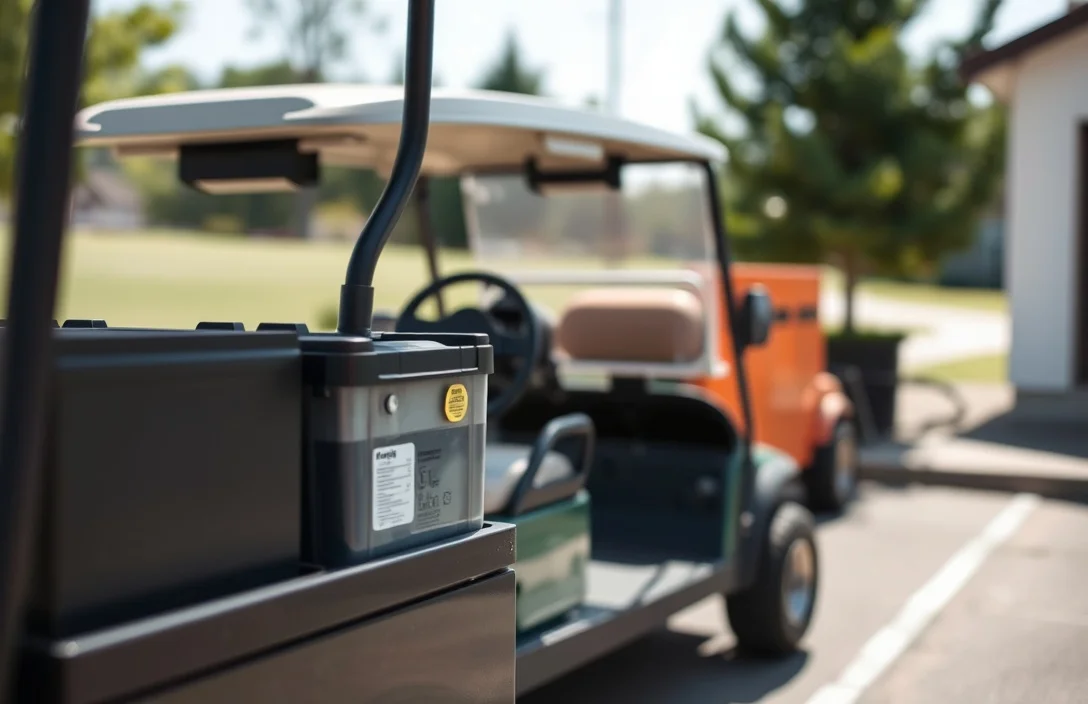
A daily routine for flooded lead-acid is simple: drive, plug in soon after, and let the charger complete its stages in a cool, ventilated spot. For lead-acid, the big enemy is long periods sitting at a low state of charge. You can run the cart, return home, and charge right away rather than letting the pack rest partially discharged.
If you use a flooded lead-acid system, maintenance is part of the routine, not an optional extra. Check water levels monthly, because protecting plates from exposure is essential for battery life. You should also clean connections monthly or as needed, since corrosion and loose terminals make charging less efficient.
A good daily workflow looks like this:
- Finish your drive and avoid pushing the pack into extreme low voltage.
- Plug in right away so the battery spends less time undercharged.
- Charge in a cool, ventilated area to reduce heat buildup during charging.
- Verify charge completion by using a charger that matches your battery and cart.
- Handle maintenance on schedule – especially water checks for flooded batteries.
- Stop the “fix in the morning” habit – if you can charge now, charge now.
If your charger is truly automatic and smart, leaving it connected after it reaches full charge is generally much less risky than using a basic charger with a wall timer. The problem with dumb timers is that “full” can happen hours before you remember to unplug, turning extra energy into heat and accelerating wear.
Lead-Acid vs Lithium Charging Rules
Lead-acid and lithium both benefit from good habits, but they want different priorities. Lead-acid, especially flooded lead-acid, is more sensitive to being left discharged too long because sulfation reduces capacity when the battery sits undercharged. Lithium, typically LiFePO4 in golf carts, is far more forgiving about partial charging and generally does not have a memory effect, so topping off after use is usually fine.
For lithium packs, the key rule is to avoid regular deep discharge. Keeping the battery above about 20% helps maintain health over time, and regularly going below 10% can shorten cycle life. You can charge after every use if that is convenient, and the battery management system (BMS) helps prevent overcharging by controlling cell limits.
For lead-acid, timing and maintenance matter more. Charging after each use is a strong approach because it prevents the battery from sitting at low charge. Monthly water checks matter for flooded types, and you still want to prevent deep discharge because it increases wear.
Here is the practical difference in one table:
| Battery Type | Best Default Habit | Avoid This Range | What Matters Most |
|---|---|---|---|
| Flooded Lead-Acid | Plug in after every use | Extended time low charge | Monthly water levels, clean connections |
| Lead-Acid (general) | Charge often, based on use | Deep discharge cycles | Smart charger that completes stages |
| LiFePO4 Lithium | Topping off after each use is fine | Regularly below 10% | Avoid frequent deep discharge, charger matching |
| Lithium (general) | Partial charging is OK | Full discharge habits | Charger + BMS protection, heat management |
Avoiding Overcharging and Preventing Deep Discharge
Overcharging and deep discharge are two different problems, and they both shorten battery life. Overcharging is mostly an equipment and timing issue, especially with chargers that do not manage stages correctly. Deep discharge is mostly a habit issue, especially if you let the battery sit low after driving.
Start with overcharging: use a model-specific smart charger when possible. Smart charging is designed for every charge and helps prevent overcharging while maintaining battery health. If you use a manual or timed charger, do not treat it like a set-it-and-forget-it device, because the charger cannot know when the battery is actually full.
Now tackle deep discharge. Lead-acid batteries can be harmed by prolonged low charge and by sulfation buildup, so you want to avoid draining too far and then waiting. Lithium batteries can handle frequent partial charges, but they still do not want regular deep discharge. A simple target is to plug in around 20% to 30% remaining if you cannot charge immediately after use.
Mistakes that waste time
- Leaving the cart unused at low charge – This is where sulfation risk grows.
- Using the wrong charger – Mismatched chargers can lead to incomplete charging or incorrect stage behavior.
- Relying on a wall timer – Timers can overrun full-charge conditions.
- Ignoring maintenance on flooded lead-acid – Low water levels and corroded terminals raise failure risk.
If you want one best practice that covers both risks: charge as soon as you reasonably can, stop before deep discharge, and use a charger that is intended for your battery chemistry.
Seasonal Charging Conditions
Cold and heat change how batteries behave during charging and how much performance you get from a given state of charge. In winter, lithium generally holds up better, while lead-acid loses capacity when temperatures drop below freezing. That means the same usage routine can push you deeper into discharge sooner, even if your driving habits did not change.
Humidity, ventilation, and charger placement also matter. Charging in a cool, ventilated area is a practical rule that improves charging stability and reduces overheating risk. If you charge in an enclosed space, you can increase heat buildup around the battery and charger, and that is where battery life and safety start to suffer.
For practical seasonal behavior:
- In cold weather, charge sooner after use and keep lead-acid topped up more consistently because cold reduces delivered capacity.
- In hot weather, avoid charging in peak heat when possible, and prioritize ventilation.
- During storms or frequent power swings, consider charging during stable power times and keep connections clean to reduce resistance.
Storage changes what “after every use” means. If you are parking a cart for weeks, you want an approach that prevents standby loss from dragging the battery too low. Even when leaving a cart plugged in is convenient, storage guidance differs by manufacturer and setup, so stick to a routine your equipment supports.
FAQ
Should you charge golf cart batteries after every use if the cart sits overnight?
Yes, if your cart sits overnight after use, you should plug it in before the long gap. Leaving a lead-acid battery low for hours increases sulfation risk and reduces capacity over time. Lithium packs tolerate frequent topping off better, but charging soon still helps you avoid drifting toward deep discharge. If you cannot charge immediately, plug in when the battery drops to about 20% to 30%.
How often should I plug in my golf cart batteries if I only drive occasionally?
Plug in based on state of charge, not on the number of trips. A practical rule is to charge after each use if you can, or charge when you are around 20% to 30% remaining. For casual users who do not ride every day, charging every 2 to 3 days can work as long as you never let the battery reach very low levels and then stay there.
Can leaving a golf cart plugged in all the time damage the batteries?
It can, depending on the charger type and how it behaves at full charge. A smart charger is designed to prevent overcharging, so it can be safer for extended connection. A less intelligent charger or one with incorrect settings can run too long and add heat during prolonged full-charge conditions. If you must leave it plugged in, make sure you are using a correct, charger-matched setup.
What is the biggest mistake people make when charging golf cart batteries?
The biggest mistake is timing the charge wrong: either letting the battery sit too low after use or using an inappropriate charger for the battery type. Overcharging from poor charging control can overheat and accelerate wear. Undercharging can cause sulfation and reduce capacity. The fix is simple: charge consistently, and use a charger matched to your battery chemistry.
What’s a good alternative if I cannot charge after every use?
If you cannot charge immediately, use a plug-in threshold instead of a time-after-use rule. Target plugging in when the battery is about 20% to 30% remaining. That prevents deep discharge while still accommodating your schedule. Also consider charging at the earliest practical time and storing the cart with the battery at a healthy state, not near-empty.