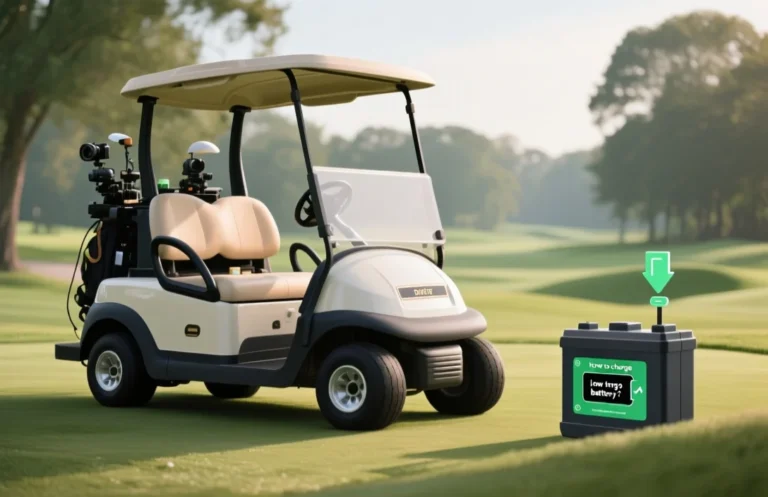
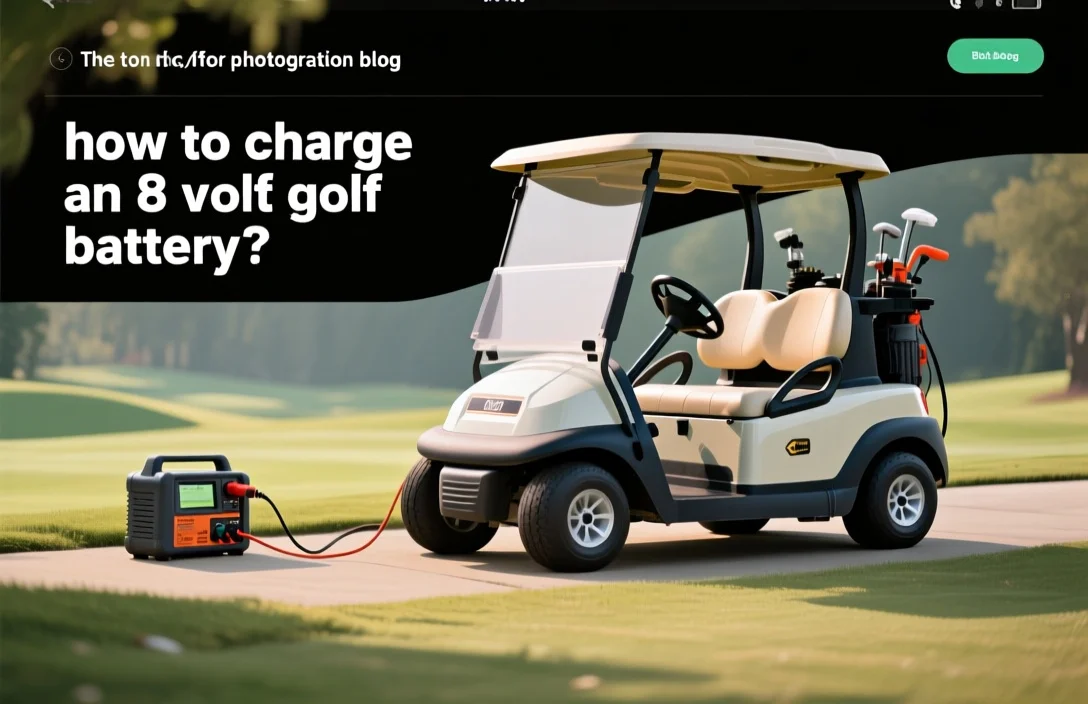
How to charge an 8 volt golf cart battery?
An 8 volt golf cart battery is labeled 8 volts, so the single most important spec to check is the charger output voltage. A common mistake is plugging a 12V charger or the wrong bank on a multi-bank charger into an 8V battery. First check the charger voltage setting and amp rating on the charger’s label before connecting.
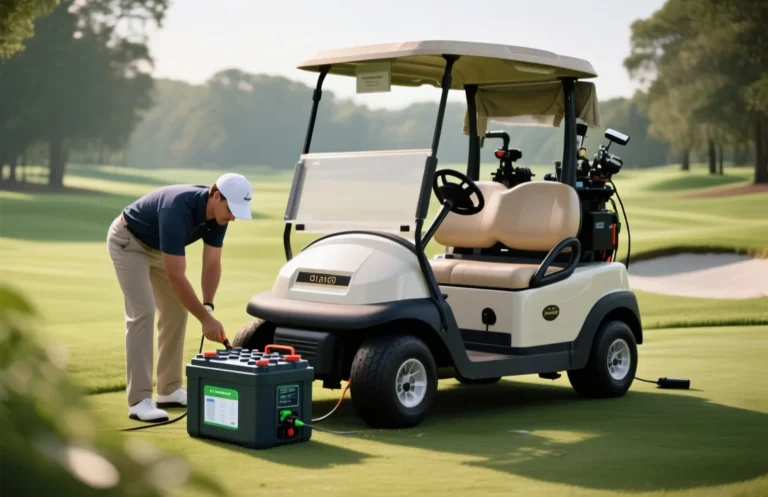
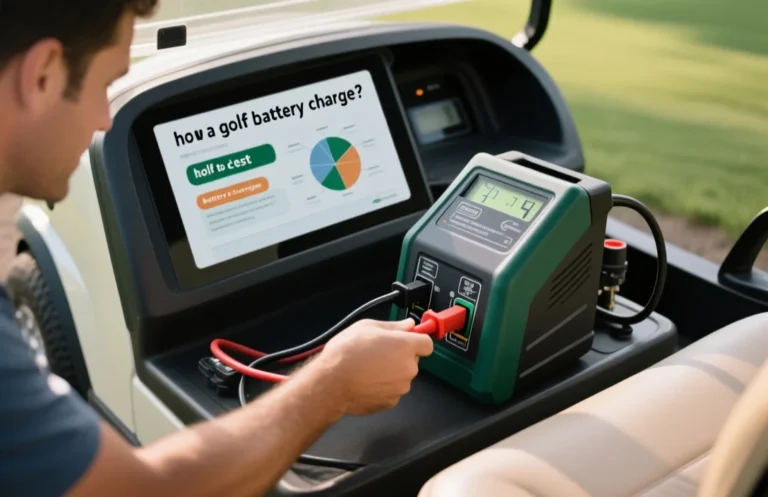
8 volt golf cart battery, charge with an 8V-compatible or adjustable multi-bank charger set to 8V, using a safe current near C/10 (10% of the Ah rating) – for example 8A on an 80 Ah battery; monitor temperature and stop when the charger shows float or full, typically after several hours.
8V Smart Charger (Adjustable)
8 volts is the nominal rating for single 8V golf cart batteries, so an adjustable 8V smart charger lets you match charger voltage and current to the battery label for safer, more accurate charging. An adjustable smart charger is included because it reduces overcharging risk by switching from bulk to absorption and then float or maintenance modes when the pack reaches full charge. Smart control also helps extend battery life versus a fixed-rate charger that cannot detect charge state.
For example, an adjustable unit lets you set a charging current based on the battery’s amp-hour rating and pick the correct absorption and float voltages for flooded, AGM, or gel chemistries. Always confirm chemistry and recommended voltages on the battery label, and stop charging if the battery becomes hot, swollen, or leaks because those are signs of failure that require replacement.
When to use it
Use an adjustable 8V smart charger when the battery maker specifies controlled charging, when batteries are stored for weeks or months, or when you want to maintain an older pack without overcharging it. An adjustable charger is the right choice if you need to set a lower maintenance float voltage for long-term storage or apply a gentle absorption stage to equalize cells after heavy use. If a battery shows physical damage, deep discharge below manufacturer limits, or persistent imbalance between cells, stop using the charger and consult a professional before continuing.
Takeaway: check the battery label for chemistry and recommended voltages, set the charger to match those specs, monitor the first charge, and never charge a hot or visibly damaged battery.
Onboard Golf Cart Charger
Onboard chargers are wired into the cart so they deliver a matched output voltage to the battery pack, which means an 8 volt battery can be charged without selecting voltage on the charger. Because the charger is designed for that cart’s battery configuration, it commonly switches to a lower float or maintenance mode when the pack is full, reducing the risk of overcharge. Using the onboard unit avoids confusion about connector polarity and nominal voltage when compared with generic chargers.
Check the charger faceplate for an output voltage rating and an output current rating so you can confirm compatibility with an 8 volt battery and the battery amp-hour rating. Inspect the case and cord for cracks, corrosion, or frayed insulation and keep the charger in a dry, ventilated area while it runs. Replacement or aftermarket onboard modules vary in cost and mounting size, so match mounting points and connector type if you swap units.
- Verify output voltage exactly matches the battery pack voltage.
- Match connector type and polarity before connecting.
- Prefer chargers with charge and full indicators or a voltmeter readout.
For example, if the charger label states an 8V output and shows an LED for charging versus full, the label confirms voltage match and provides an easy status check before you leave the cart charging.
When to use it
Use the onboard charger whenever it is functioning and the cart manufacturer or battery maker recommends it, because it is matched to the pack wiring and charging profile. If the onboard unit is damaged, absent, or clearly outputting the wrong voltage, switch to a dedicated external charger that explicitly lists 8V output and an appropriate amperage for your battery amp-hour rating. Always verify labels and monitor the first few charge cycles after any charger replacement to confirm the battery reaches float voltage and does not overheat.
Takeaway: always confirm the onboard charger output reads 8V and that the unit and cables are in good condition before charging; if in doubt, remove power and verify with the cart manual or a multimeter rather than guessing.
12V-to-8V DC-DC Charger
An 8 volt golf cart battery requires a regulated charge near 8 volts, while most auxiliary sources like car alternators and 12V solar systems provide higher voltages, so a 12V-to-8V DC-DC charger is used to step down and control the charging voltage precisely. Using a dedicated DC-DC charger prevents overvoltage and supplies the correct charge profile when you need to charge an 8V battery from a 12V source.
Choose a unit rated to deliver the appropriate charging current for your battery, commonly listed in amps and matched to the battery amp-hour rating; many small golf cart batteries charge safely at fractions of their AH rating, so check the battery label. Look for adjustable charge profiles or settings for flooded, AGM, or sealed lead-acid chemistries and temperature compensation if you will charge in varying climates. Install the charger close to the battery with short, correctly sized cables and an inline fuse sized to the charger output to protect wiring and the charger itself.
When to use it
Use a 12V-to-8V DC-DC charger when you need to charge an 8V golf cart battery from a 12V source such as a vehicle alternator, a 12V solar charge controller, or another 12V battery bank, and when the original 8V charger is unavailable or inconvenient. It is particularly helpful in retrofits, mobile workshops, or carts that share a 12V electrical system, because the DC-DC charger gives a controlled, lower-voltage output that prevents overcharging a nominal 8V battery. Always verify the charger supports the battery chemistry and provides a charging curve suitable for lead-acid battery recovery and maintenance, and avoid direct connection of a 12V alternator or unregulated supply to an 8V battery.
Takeaway: pick a DC-DC charger that explicitly lists 8V output, matches the required charge current and chemistry, and install it with correct gauge wiring and a fuse; when in doubt, consult the golf cart or battery manual and prioritize correct voltage, current rating, and safety protection over convenience.
Solar Panel + MPPT Controller
Charging an 8-volt golf cart battery can be efficiently managed with a solar panel and a Maximum Power Point Tracking (MPPT) controller. This method is particularly advantageous as it not only provides a renewable energy source but also optimizes the charging process, ensuring that your battery receives the correct voltage and current for a full charge.
When selecting a solar panel, look for one that generates at least 100 watts, which is suitable for charging an 8-volt battery bank. An MPPT controller is essential because it maximizes the energy harvested from the solar panel by adjusting the electrical operating point. Typical costs for a good quality solar panel range from $100 to $300, while an MPPT controller can cost between $50 and $150. Ensure that the controller can handle the voltage output from the solar panel and the total amp hours of your battery bank.
When to Use It
Using a solar panel with an MPPT controller is ideal for prolonged periods where access to traditional power sources is limited, such as during camping trips or in off-grid locations. This setup allows for continuous charging during daylight hours, thereby extending your battery’s life.
In practice, you can set it up to maintain your battery’s charge while you use the golf cart, ensuring you have enough power for your needs without worrying about running out.
For those looking to utilize renewable energy efficiently, this method not only reduces electricity costs but also helps in reducing your carbon footprint. Always ensure you monitor the charging process to prevent overcharging, which can damage the battery and reduce its lifespan.
Float/Trickle Charger 8V
An 8 volt float charger keeps a golf cart battery at its nominal voltage so the pack can sit for weeks or months without excessive gassing or water loss. Float mode applies a low, regulated voltage and a small maintenance current once the battery reaches full charge, which prevents overcharging while replacing natural self-discharge. That low-current maintenance is why float chargers are recommended for long-term storage and seasonal use.
Buy or use a charger specifically labeled for 8V float or maintenance charging and confirm the output voltage and polarity on the label before connecting to the battery. These chargers are typically automatic, switching to a maintenance rate after topping the battery, but they are not designed to rapidly revive a severely discharged pack.
When to use it
Use an 8V float charger whenever the cart will sit unused for extended periods, such as winter storage or infrequent use, because it maintains charge without continual monitoring. If the battery is deeply discharged you should perform a normal charge or conditioning cycle first with an appropriate charger before switching to float, since float mode does not supply high current for recovery. Always charge in a ventilated area, keep flooded-cell water levels accessible, and inspect terminals and case for damage before routine maintenance charging.
Takeaway: for low-effort, safe long-term maintenance of an 8 volt golf cart battery, use a proper 8V automatic float charger, verify voltage and polarity, and stop charging if the battery shows physical damage or excessive heat.
Adjustable Bench Power Supply 8V
Set an adjustable bench power supply to 8.00 volts and use its current limit to gently charge an 8 volt golf cart battery, because precise voltage and current control is the primary benefit for safe topping or recovery charging. A bench supply lets you avoid overvoltage by holding the battery at the correct target and caps the current to prevent overheating during initial connection.
Use the supply for slow, controlled charging, battery conditioning, or for diagnosing bad cells, not for routine fast charging of large lead acid strings. Before connecting, verify the battery chemistry and recommended charge current on the battery label or manual, and confirm your bench supply can deliver the required amperage and has short circuit protection. For small repairs or equalizing low cells you can spend hours at low current; for day to day charging a dedicated golf cart charger is more convenient.
When to use it
Use a bench supply when you need controlled, low-current charging for diagnostics, cell-level equalization, or to revive a deeply discharged battery that a standard charger cannot safely handle. It is helpful for testing how a battery accepts charge and for trimming voltage during maintenance, but it is slow compared with purpose-built golf cart chargers and requires constant monitoring. If you are not comfortable watching voltage, current, and temperature, or if the battery is part of a multi-battery pack wired in series, choose a commercial charger that matches the pack specification.
Takeaway: an adjustable bench power supply is a precise tool for careful charging, testing, and recovery of an 8 volt golf cart battery, but only when you follow battery specs, use current limiting, and monitor temperature; otherwise use a dedicated charger designed for golf carts.
Battery Hydrometer and Multimeter
Using a battery hydrometer and multimeter is crucial for effectively charging an 8 volt golf cart battery. These tools help assess the battery’s state of charge and overall health, ensuring you avoid overcharging or undercharging, which can significantly reduce battery life. Specifically, a hydrometer measures the specific gravity of the electrolyte, while a multimeter checks voltage levels, both of which are essential for optimal battery maintenance.
A battery hydrometer typically costs between $10 and $30 and is an easy-to-use device that provides immediate feedback on the battery’s charge state. A multimeter, which may range from $15 to $50, allows you to measure voltage, current, and resistance, giving you a comprehensive view of your battery’s condition. When using these tools, follow these steps:
When to Use It
Utilizing a battery hydrometer and multimeter is particularly important before charging your golf cart battery, especially if it has been in storage for an extended period. These tools help you to identify any potential issues that could affect performance, such as sulfation or electrolyte imbalance. By performing these checks, you can prevent damage caused by incorrect charging cycles, which is especially critical for lead-acid batteries commonly used in golf carts. Regular monitoring can also extend the battery’s lifespan, ensuring you get the most out of your investment.
Taking the time to measure your battery’s specific gravity and voltage levels can save you from costly mistakes, such as overcharging or misdiagnosing battery issues. Regular checks enhance safety and performance, ultimately ensuring a reliable charge for your golf cart during use.
Battery Maintenance Cable Kit
An 8 volt golf cart battery often sits under a seat or inside a compartment, so a maintenance cable kit gives a dedicated external charging point that avoids lifting seats and handling terminals every time. A fixed cable with quick-disconnects reduces the risk of accidental sparks and terminal corrosion by keeping the charger connection off the battery posts. That convenience is why a maintenance cable kit is valuable when you plan regular top-up or seasonal trickle charging for 8 volt systems.
Look for kits that list compatible connector types (SAE, Anderson, or ring terminals) and include an inline fuse or fuse holder, because the fuse protects against short circuits. Check the kit label for a maximum recommended current and match it to your charger; if the kit does not list current, contact the vendor or choose a different product. Use marine-grade or weatherproof caps on external connectors to keep moisture and dirt away from the posts.
When to use it
Use a maintenance cable kit when your golf cart will be charged frequently in place, during long storage periods, or when access to battery terminals is awkward or restricted. It is also useful if you want to leave a smart charger or maintainer connected regularly, because the kit makes connecting and disconnecting quick and reduces wear on the battery posts. Always confirm the charger is a proper battery maintainer with float mode and that the kit wiring matches the charger’s current output; do not connect unregulated high-current chargers through a maintenance pigtail. If you see swelling, overheating, or damaged cable insulation, stop and inspect the battery and kit before further use.
Takeaway: pick a fused, weatherproof kit with the right connector type and a stated current rating, label the polarity, and pair it only with a charger designed for battery maintenance and float charging.
Quick Summary
Charge an 8 volt golf cart battery with a charger matched to its 8V nominal voltage and the battery chemistry and capacity.
Frequently Asked Questions
What type of charger do I need to charge an 8 volt golf cart battery?
You can use a charger that matches the battery voltage and chemistry, ideally a smart charger made for lead-acid golf cart batteries. Confirm the charger output is set to 8 V nominal and set the charge current per the battery Ah, commonly around 0.1C (10% of Ah), but check the manufacturer.
How long will it take to charge an 8 volt golf cart battery?
You can estimate charge time by dividing the battery capacity in ampere-hours by the charger current in amps and adding about 10 to 20 percent for charging losses; for example, a 100 Ah battery on a 10 A charger takes about 11 hours. If you do not know the Ah rating, check the label or manual before calculating.
Will the battery get hot while charging, and when is that dangerous?
You can expect slight warmth during normal charging, but stop charging if the battery becomes very hot to the touch, emits a smell, or swells; check your manual for exact limits and avoid charging if temperature approaches 50 C. Excessive heat indicates overcurrent, poor connection, or internal damage.
What are the safe steps to charge an 8 volt golf cart battery?
You can safely charge in a well ventilated area while wearing eye protection, connect positive to positive then negative to negative or chassis ground, and use a charger with automatic float or cutoff set to 8 V output. Always verify the charger is set to the correct battery type and current before leaving it unattended.
How do I know when to replace an 8 volt golf cart battery and what buying mistakes should I avoid?
You can tell it is time to replace the battery if it will not hold charge, shows corrosion or swelling, or its runtime falls well below rated capacity; typical lead-acid golf cart batteries last about 3 to 5 years, though your manual may differ. When buying, avoid the common mistake of mismatching voltage or chemistry, confirm you order an 8 V battery not 6 V or 12 V.